
Antique Table Glass Mirror
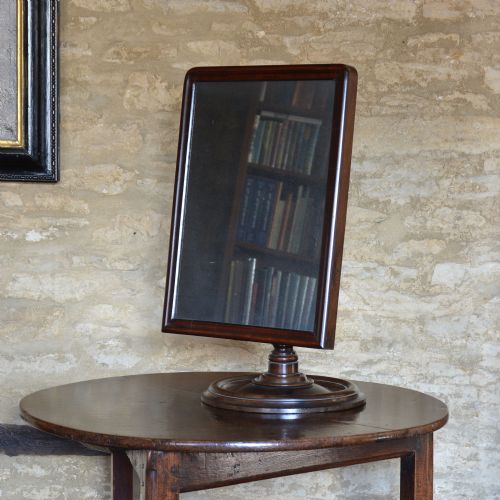
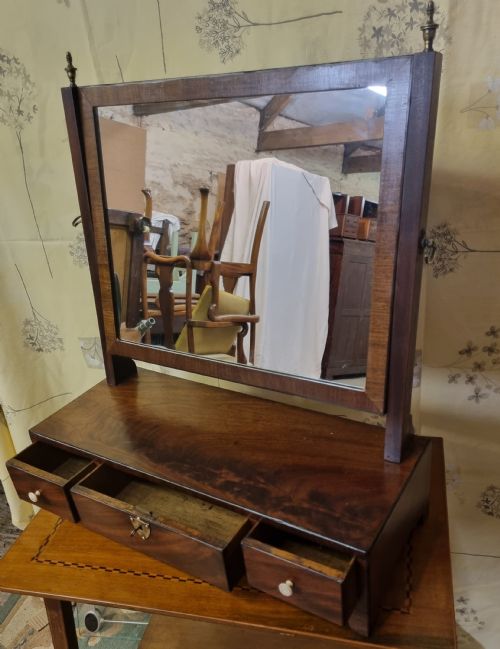
An antique table glass mirror sits comfortably on a chest or dressing surface, offering a clear reflection framed in period timber and brass.
Antique Table Glass Mirror
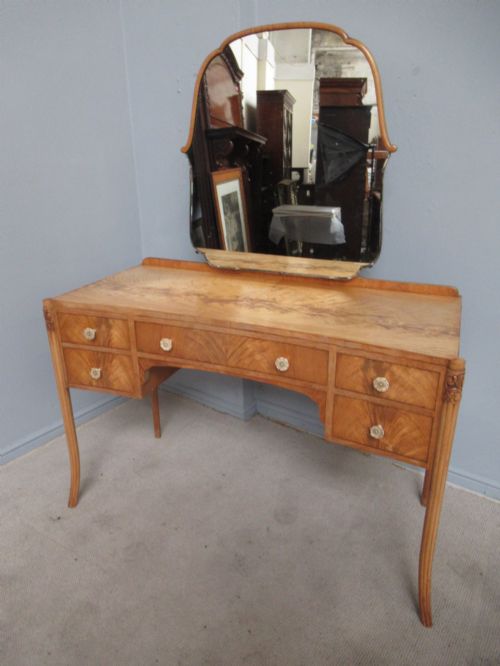
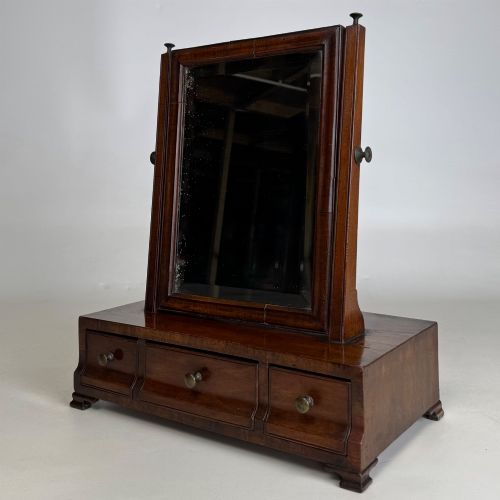
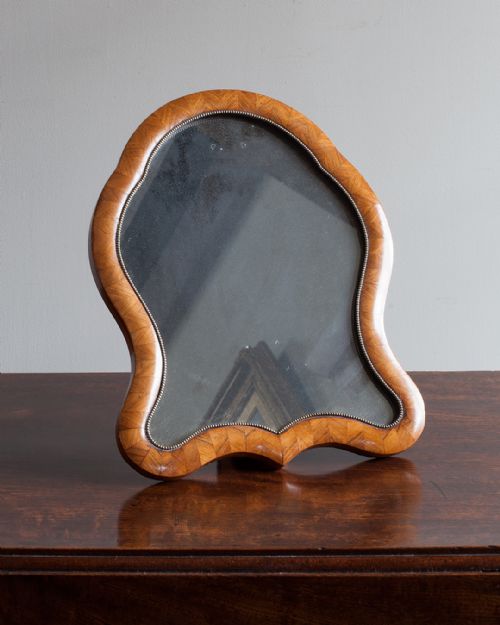
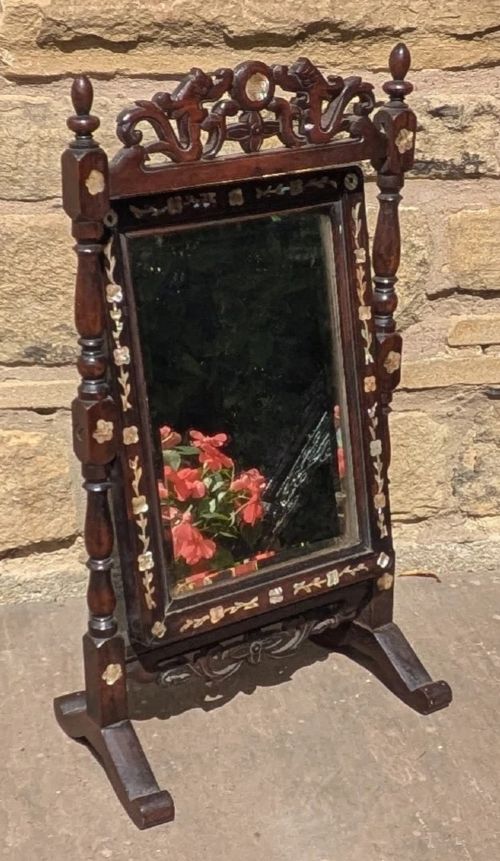
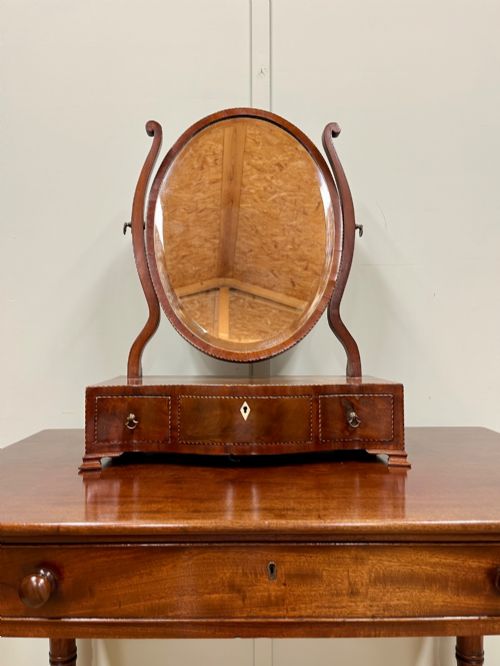
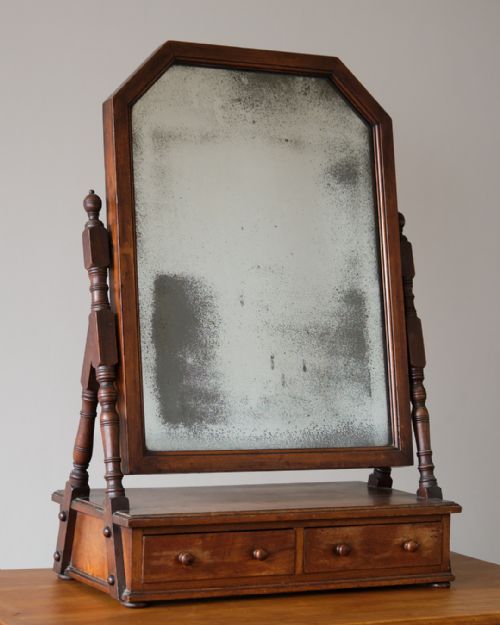
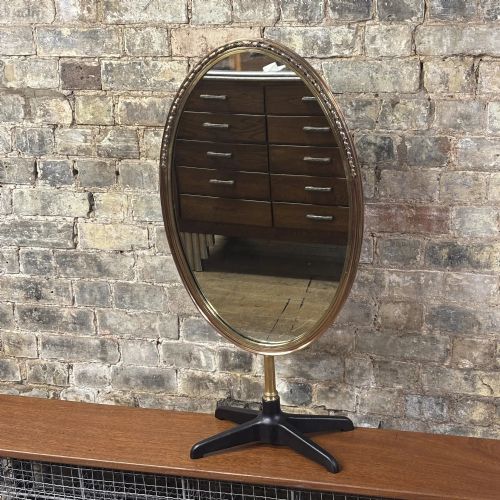
When searching for an antique table glass mirror, buyers encounter a diverse selection of dressing, toilet, and swing mirrors designed to sit upon furniture rather than hang upon walls. These portable pieces span multiple eras, with Georgian, Victorian, and Regency examples frequently appearing alongside Edwardian and Art Deco iterations.
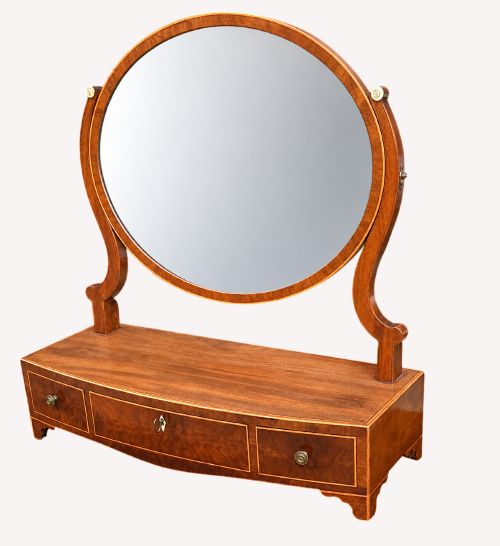
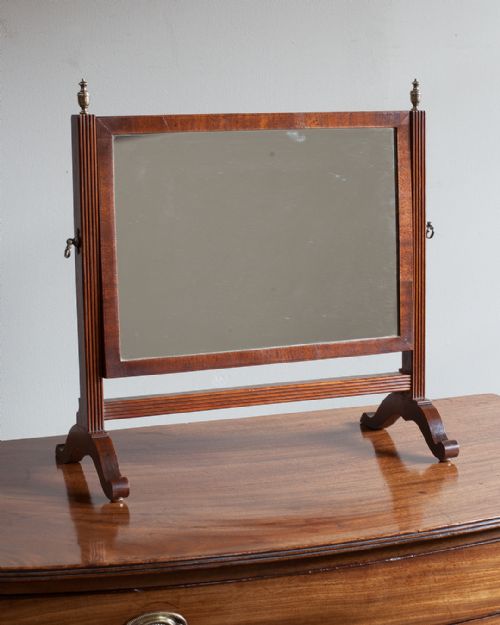
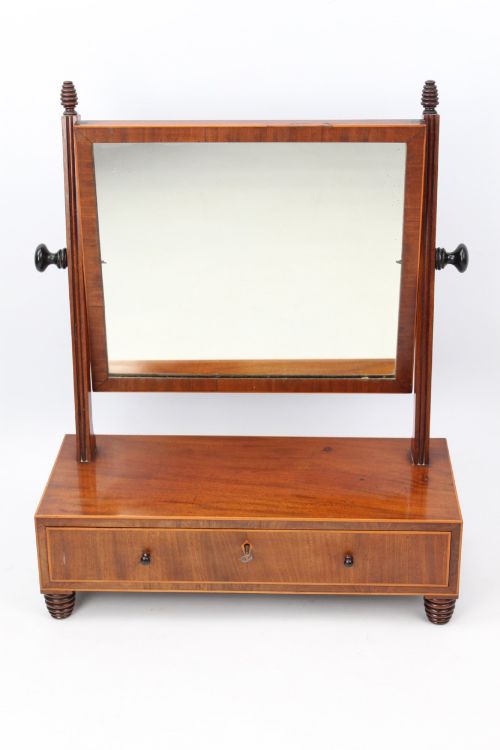
The primary forms take shape as adjustable swing mirrors mounted on upright supports, often incorporating small box bases fitted with drawers for trinkets or shaving gear. Tabletop cheval mirrors and hand-held vanities also represent the category, providing functional utility alongside decorative charm.
Originating across different periods, these objects demonstrate how domestic grooming habits evolved. Makers utilised various woods and metals to house the reflective glass, ensuring each piece served as both a practical household item and a polished decorative accent.
Materials and construction methods
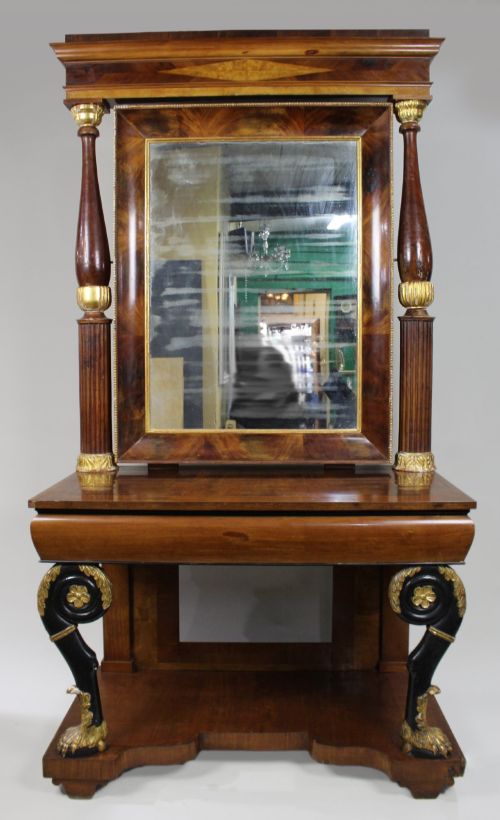
Cabinetmakers constructed the frames and stands of these mirrors using native and exotic timbers such as mahogany, walnut, oak, and maple, frequently enhancing the surfaces with crossbanding, parcel gilt, or marquetry. Brass fittings, including pivot screws and delicate handles, secured the moving parts while adding subtle metallic contrast to the warm wood tones.
Some tiny 19th-century table mirrors hid secret compartments in their base drawers for stashing love letters.
Distinctions in quality and execution
The distinction between standard domestic items and finer pieces lies in the choice of timber figurations, such as highly figured walnut or richly grained mahogany, matched with precise cabinetmaking techniques like fine crossbanding and neat dovetailing. Superior examples maintain original mirror plates and functional brass pivot hardware that hold the frame firmly at any angle without sagging.
Proportion and decorative restraint further separate the better pieces from ordinary work. Refined mouldings, well-balanced support scrolls, and harmonious integration of drawers demonstrate the maker's skill and elevate the overall presence of the table mirror.
Heal & Sons
The Antique Table Glass Mirror Glossary
- Toilet mirror
- A small mirror designed to stand on a dressing table or chest, popular for personal grooming.
- Cheval mirror
- A freestanding full-length mirror, though tabletop versions appear with miniature proportions and pivoting frames.
- Crossbanding
- A decorative border technique where thin strips of veneer are laid perpendicular to the grain of the main surface.
- Parcel gilt
- A method of applying gold leaf selectively to specific carved details or mouldings on an otherwise wood-finished piece.
- Swing mirror
- A glass plate hung on pivots between two upright arms, allowing the angle of reflection to adjust freely.
Antique Table Glass Mirror: Frequently Asked Questions
How do I date an antique table mirror?
Dating relies heavily on observing the timber species, construction methods, and hardware style used in the frame and base. Earlier pieces often display pegged joints and walnut veneers, while later Victorian and Edwardian examples utilise mahogany or oak alongside machine-cut screws.
Examining the mirror glass itself can also offer clues, as bevelled edges and older silvering techniques reveal distinct manufacturing periods.
Where should I place a table mirror?
These mirrors suit dressing tables, sideboards, and chest tops where their portable nature allows them to sit securely without wall mounting. They bounce light around a room while providing a functional surface for daily use.
Ensure the supporting furniture is deep enough to hold the base safely and keep the piece away from direct, prolonged sunlight to protect the wooden finish.
What is the difference between a toilet mirror and a dressing mirror?
Historically, toilet mirrors specifically referred to smaller tabletop glasses used during the morning toilet for shaving or applying cosmetics. Dressing mirrors often encompass slightly larger formats, sometimes attached to small chests or incorporating jewellery compartments.
Both terms describe movable glass plates supported by frames designed for table placement.
How do I care for antique mirror glass and wood?
Dust the wooden frame regularly with a soft, dry cloth and apply a quality beeswax sparingly to nourish the timber grain. Avoid using modern chemical sprays that can strip the historic polish or seep into the joints.
Clean the mirror glass gently with a damp microfibre cloth, keeping moisture away from the edges where the silver backing meets the frame.