

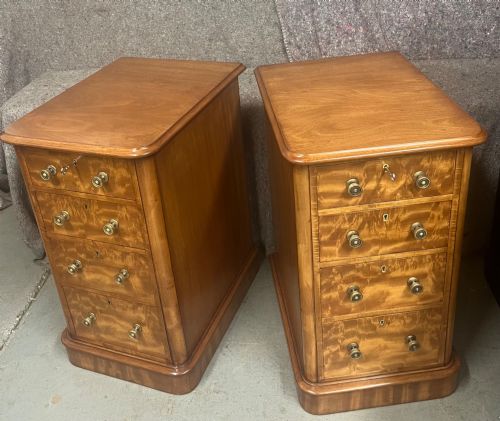

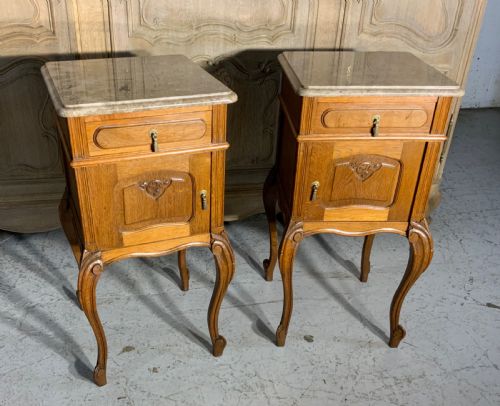
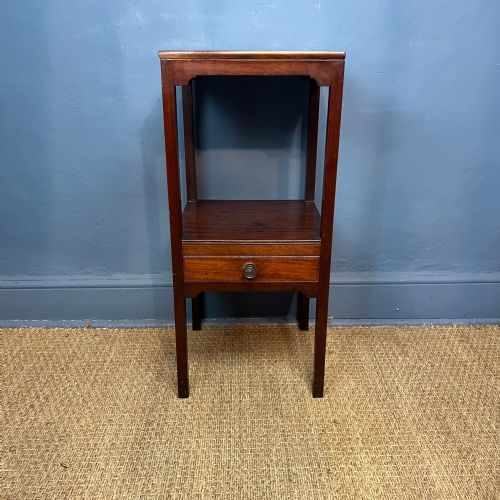
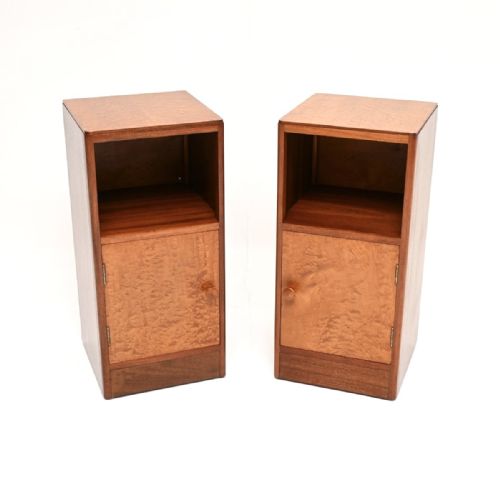

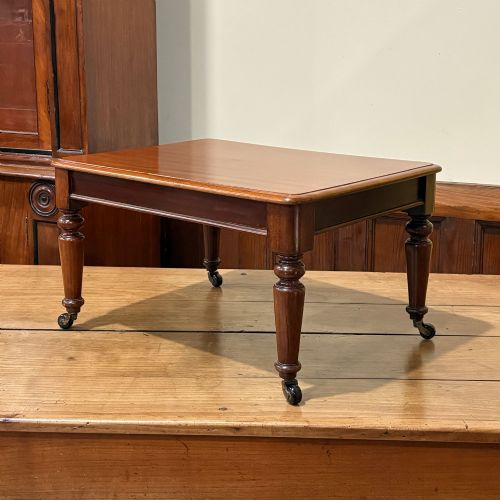
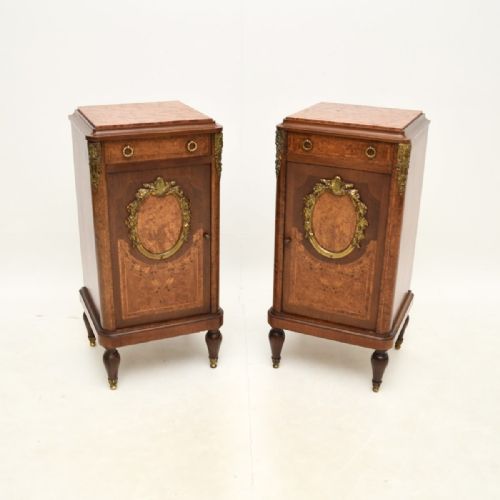
Antique Table Cabinet
An antique table cabinet combines surface utility with enclosed storage, offering compact elegance for desks, sideboards or tabletops.
Antique Table Cabinet
An antique table cabinet encompasses a varied group of small-scale furniture designed to sit upon larger surfaces or stand independently on diminutive proportions. These pieces bridge the gap between portable storage boxes and full-sized case furniture, serving as repositories for letters, jewellery, or collections.
The selections available range from 18th-century miniature collectors' chests in mahogany and oak to Edwardian tabletop display cases and Japanese lacquer cabinets. Buyers encounter both domestic English adaptations and continental marquetry examples spanning the Georgian, Victorian, and Edwardian eras.
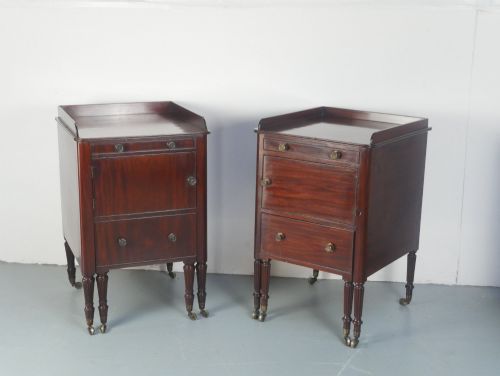
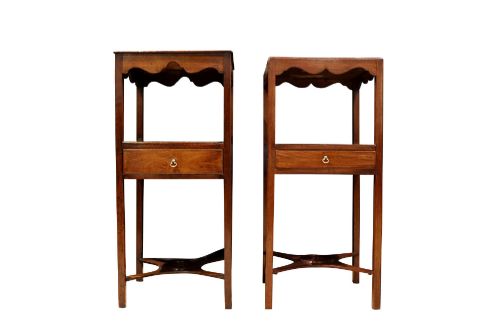
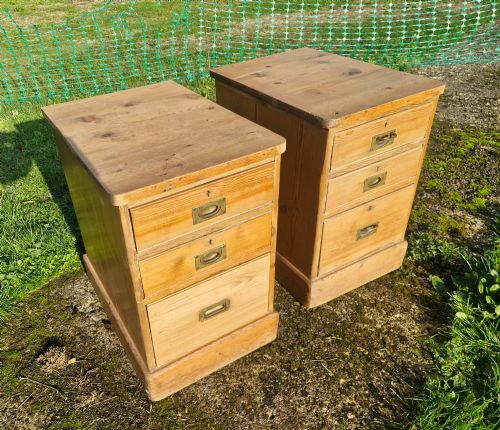
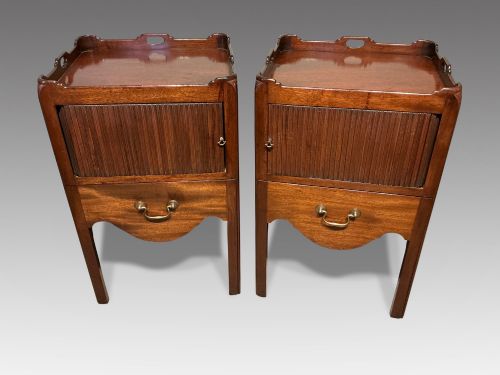
Many forms merge functions, functioning simultaneously as bedside cupboards, nightstands, and compact desks. The unifying characteristic is scale: built to contain valuables or personal effects within a domestic interior without consuming floor space.
Materials and construction methods
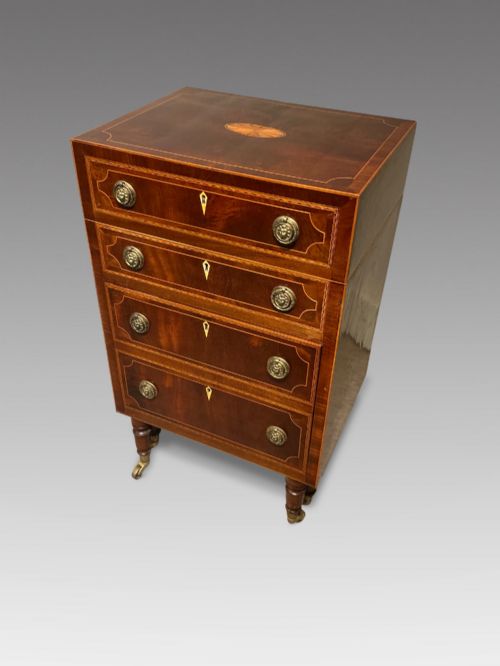
Cabinetmakers utilised dense timbers such as mahogany, walnut, and burr walnut for carcass construction, often applying fine veneers and boxwood stringing to create decorative exterior surfaces. Hardwoods provided the structural stability necessary for delicate miniature drawers and hinged doors.
Decorative techniques recorded in the evidence include marquetry, Chinoiserie painting, and hand-applied lacquer work, alongside brass and ormolu mounts that reinforce corners and frame glass panels. Joints were hand-cut using traditional dovetail and mortise-and-tenon methods to ensure longevity in everyday use.
Antique Table Cabinet Retail Price Guide 2026
Typical asking prices for table cabinet among the pieces listed under this phrase on Sellingantiques today, from the lower quarter to the upper quarter. They describe what is for sale here now, not the wider market.
Secret compartments inside miniature drawers continue to hide long-lost paper calling cards from Victorian owners.
Markers of construction and finish quality
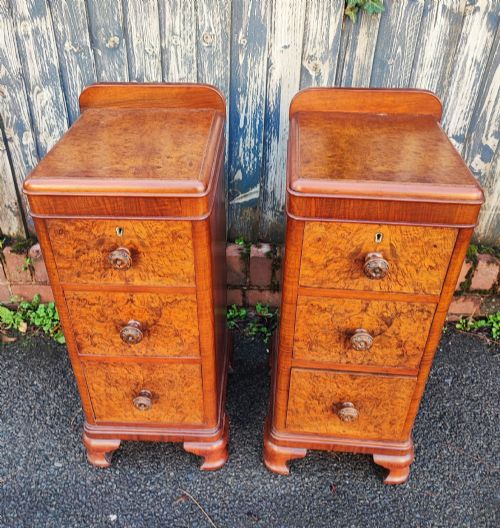
Superior examples distinguish themselves through the choice of timber figure, such as highly figured burr walnut or matched mahogany veneers wrapped continuously around the carcass. Lesser pieces rely on plain, unselected timbers with minimal attention to grain alignment across drawer fronts.
The execution of interior details marks the tier of a piece, from hand-cut dovetails on internal drawers to cast brass hardware rather than stamped metal replacements. Finer cabinets exhibit precise parquetry, integrated locking mechanisms with working keys, and hand-carved decorative motifs rather than applied composition ornaments.
Gillows
The Antique Table Cabinet Glossary
- Marquetry
- Decorative veneer work forming intricate pictures or geometric patterns by applying thin slices of wood, shell, or ivory onto a structural carcass.
- Ormolu
- Gilded bronze mounts and decorative feet applied to furniture, popular in French and high-end Victorian cabinet making.
- Bijouterie table
- A glass-topped display table designed to showcase small valuable items, jewellery, or curiosities beneath a hinged or lifted lid.
- Kneehole desk
- A compact desk featuring a central recess for the user's legs, flanked by pedestals containing banks of small drawers.
Antique Table Cabinet: Frequently Asked Questions
What is an antique table cabinet used for?
These miniature pieces served historically to house precious commodities such as correspondence, loose currency, jewellery, or specialised natural history collections. Their enclosed shelving and tiny drawers kept personal valuables secure and organised.
Today, they function effectively on top of sideboards or desks to store modern trinkets, stationery, or small collections while adding period character to a room.
Where should I place a table cabinet at home?
Because of their modest scale, these cabinets sit comfortably upon sturdy surfaces like chests of drawers, console tables, or wide mantelpieces where their details remain at eye level. They also perform well as standalone bedside units when floor space is strictly limited.
Position them away from direct heat sources and strong sunlight to protect delicate veneers, hand-painted Chinoiserie finishes, and historic wood polishes from fading or cracking.
How do I distinguish between Victorian and Edwardian examples?
Victorian pieces frequently utilise heavier timbers such as dark mahogany, burr walnut, and carved oak, often featuring dense mouldings, Gothic revival motifs, or elaborate ormolu mounts. The construction leans toward solid presence and dark, rich patination.
Edwardian cabinets typically present lighter aesthetics, favouring satinwood, inlaid boxwood stringing, Sheraton revival influences, and brighter, airier finishes that reflect changing domestic tastes at the turn of the twentieth century.
Are Japanese export table cabinets common?
Export cabinets from Japan appear regularly in historical records, featuring traditional lacquered surfaces, intricate metal mountings, and hand-painted floral or figural decorations. These pieces were highly prized by European collectors during the late nineteenth century.
They offer a distinct aesthetic compared to contemporary English walnut or mahogany pieces, utilising lightweight woods finished with durable dark lacquers and gilt detailing.