
Antique Swiss Carving
These pieces of antique swiss carving bring the forest creatures and rustic life of the Alps directly into domestic interiors through skillful handiwork.
Antique Swiss Carving
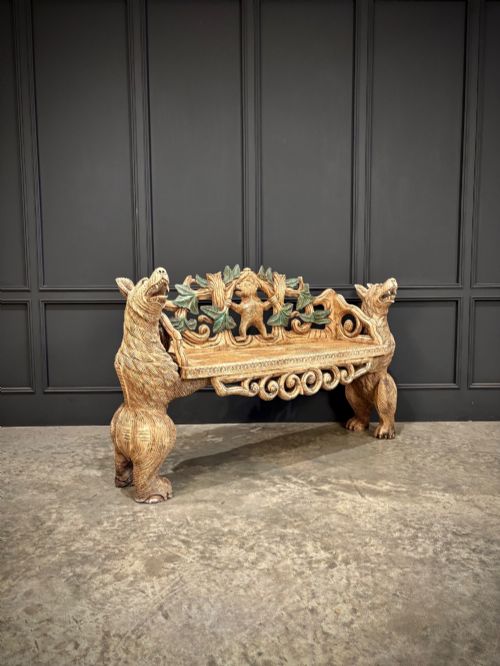
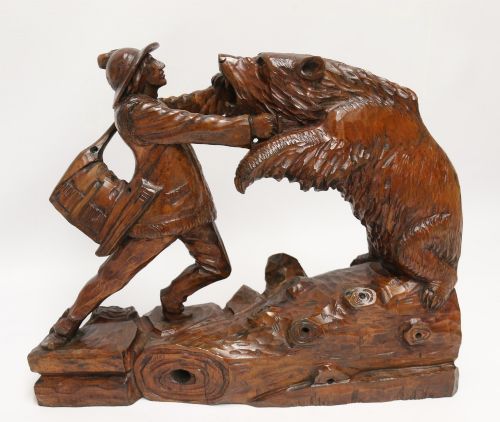
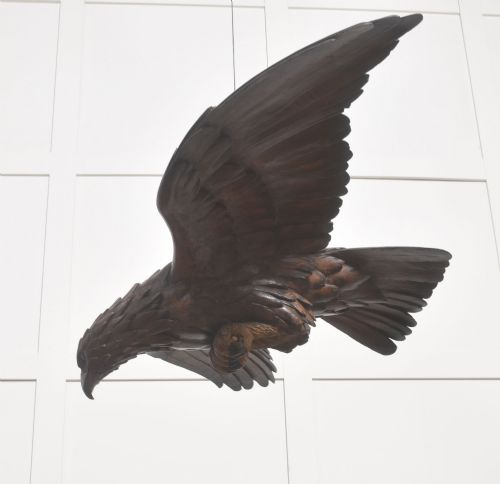
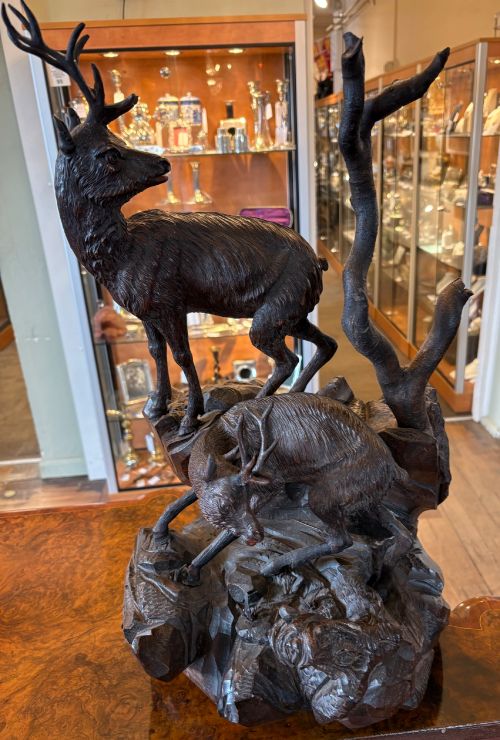
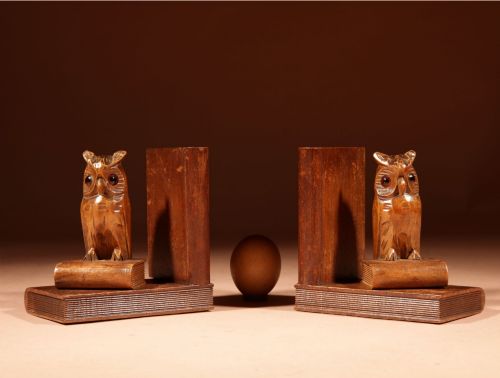
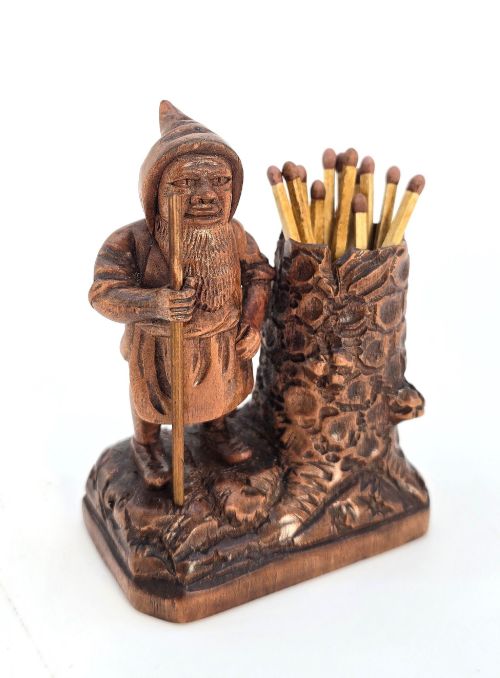
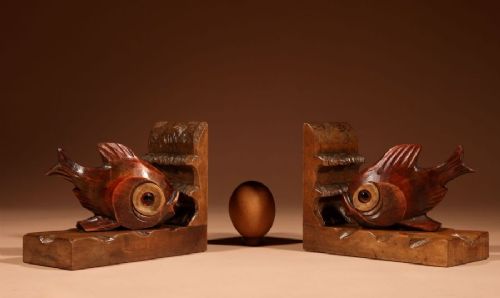
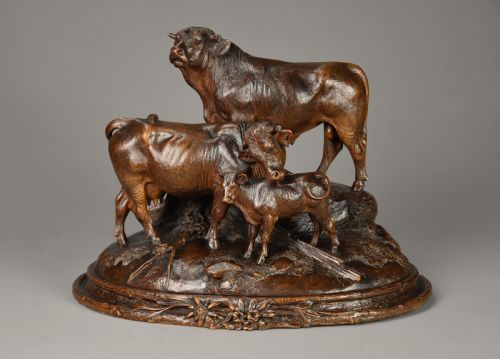
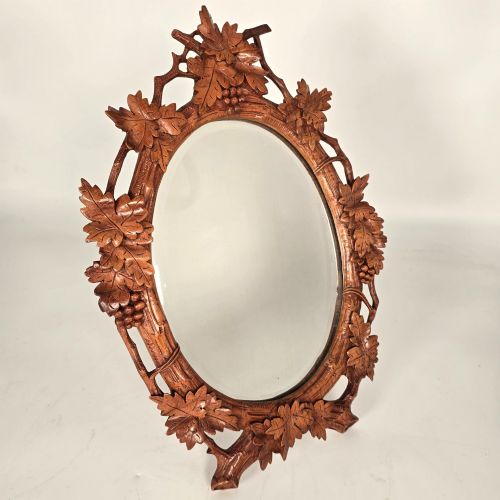
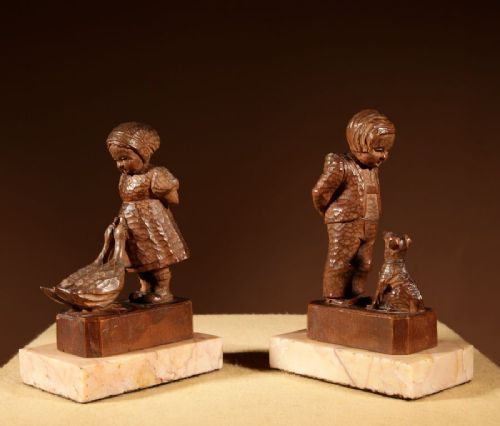
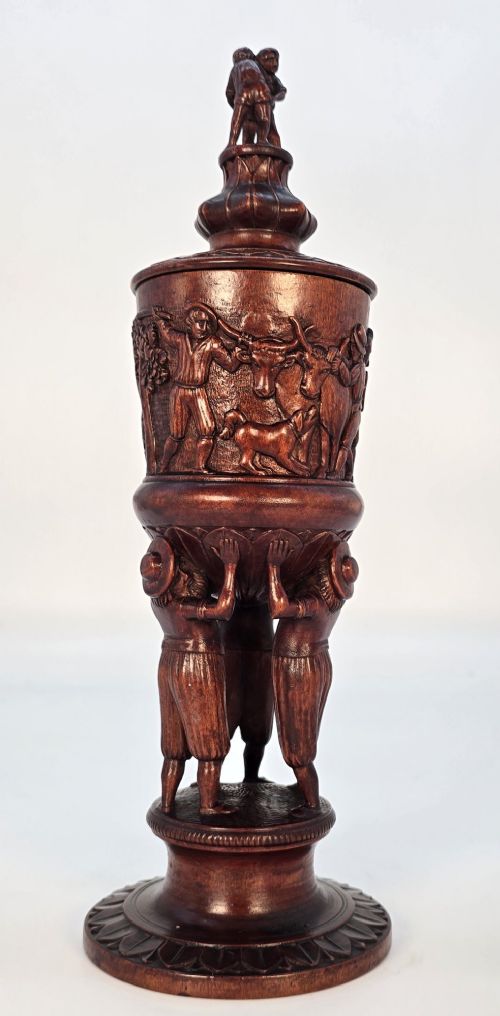
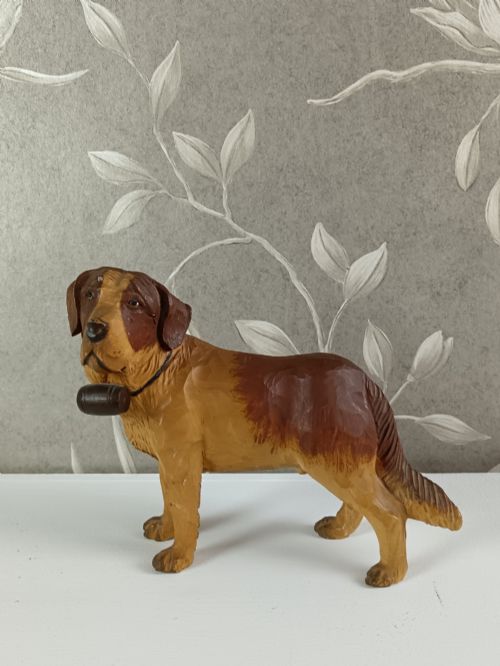
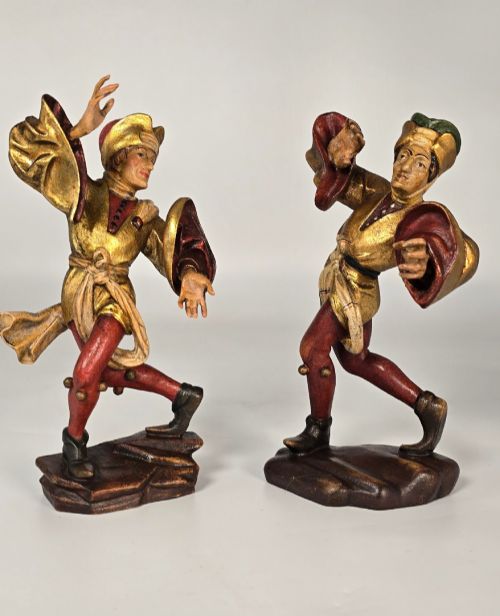
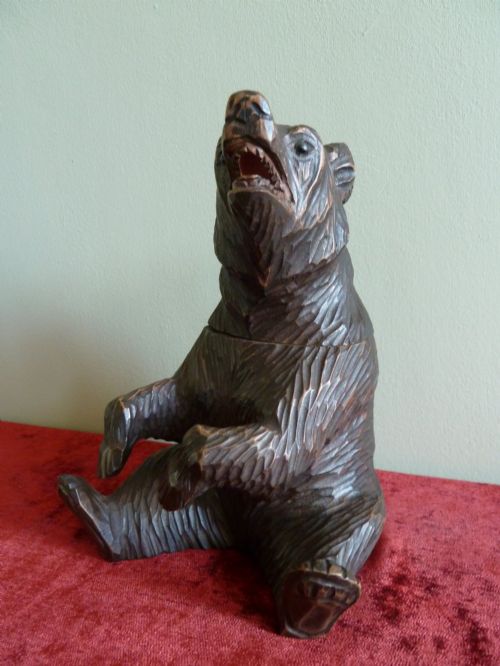
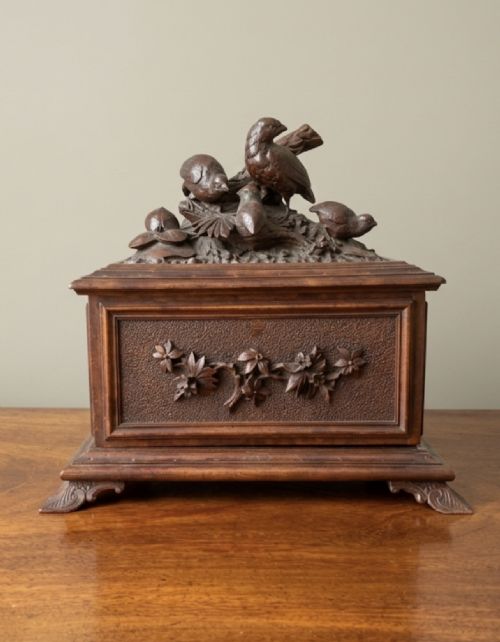
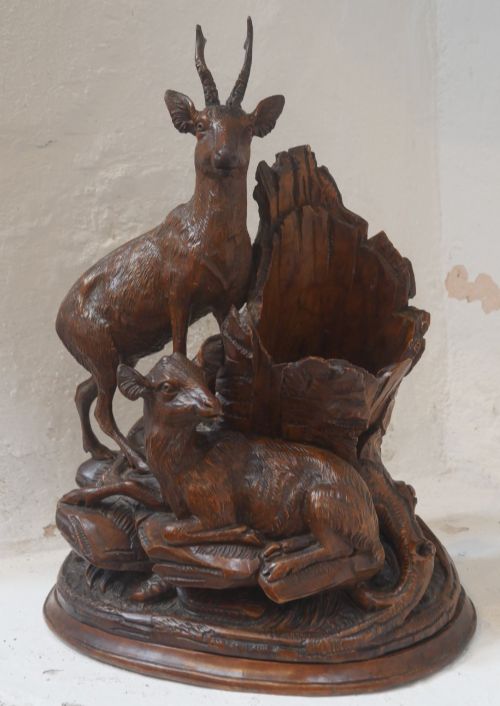
When a buyer explores antique swiss carving, they encounter sculptural objects and domestic furnishings rooted in the nineteenth and early twentieth centuries. The selection encompasses animal figures, bears, owls, deer, and functional items like bookends and hall stands.
Many of these works align with the Black Forest and Swiss Brienz traditions, originating from regional workshops. Sculptural groups, wall mirrors, and table accessories dominate the forms available on this page.
How they were made
Carvers utilised linden wood, walnut, and lime wood for their tactile qualities and responsiveness to fine detail. These timbers allowed artisans to render fur, feathers, and foliage with distinct realism.
Makers shaped the timber using hand gouges and chisels, often leaving visible tool marks on unpolished surfaces. Secondary materials such as glass, brass, and metal appear in specific applications like eyes, hinges, and barometers.
Listings demonstrate a strong presence of linden wood and walnut across nineteenth-century animal sculptures, bookends, and hall stands.
What varies in quality
The degree of anatomical observation and depth of undercut define the upper tier of these carvings. Master carvers achieved fluid motion and convincing textures, whereas lesser examples remain stiff and generalized.
Depth of carving and proportion separate standard domestic items from exhibition pieces. Signed or stamped works demonstrate workshop pride that elevates the standing of individual sculptures.
J HUGGLER
The Antique Swiss Carving Glossary
- Black Forest
- A style of wood carving originating from the Brienz region of Switzerland and the Black Forest in Germany. It is known for realistic depictions of animals, particularly bears, and heavily carved furniture.
- Linden Wood
- A pale timber favoured by carvers for its even grain and lack of splintering. It allows for intricate undercutting without fracturing.
- Brienz
- A Swiss village renowned for its wood-carving schools and production centres. Carvers from this area exported elaborate figures and furniture across Europe.
- Humidor
- A specialised box designed to keep tobacco moist. These containers often feature carved lids adorned with animals or foliage.
Antique Swiss Carving: Frequently Asked Questions
What animals appear most often?
Bears predominate among the surviving animal subjects, often depicted standing or supporting furniture. Owls, deer, eagles, and Saint Bernard rescue dogs also feature frequently.
These creatures reflect both local alpine fauna and the Victorian taste for natural history displayed indoors.
How were these items used?
Many pieces served a practical domestic function while displaying decorative carvings. Bookends, umbrella stands, tobacco holders, and inkwells combined utility with rustic ornamentation.
Larger items like hall stands and centre tables acted as striking focal points in entrance halls and reception rooms.
How do I spot workshop signatures?
Maker marks and signatures occasionally appear stamped or carved into the underside or base of the wood. Signatures like that of J. Huggler indicate specific Swiss workshop production.
Unsigned pieces remain common, relying on stylistic traits and timber choice for attribution rather than a stamp.
Which woods were preferred?
Linden wood and lime wood provided the primary medium for intricate animal sculptures due to their soft texture and pale tone. Walnut and yew wood appeared more often in furniture, chalices, and boxes.
Carvers selected specific timbers to suit the scale of the object and the depth of the relief required.