


Black Forest Figurine
A black forest figurine brings woodland animals, rustic peasants and folkloric characters into the home through detailed wood carving.
Black Forest Figurine
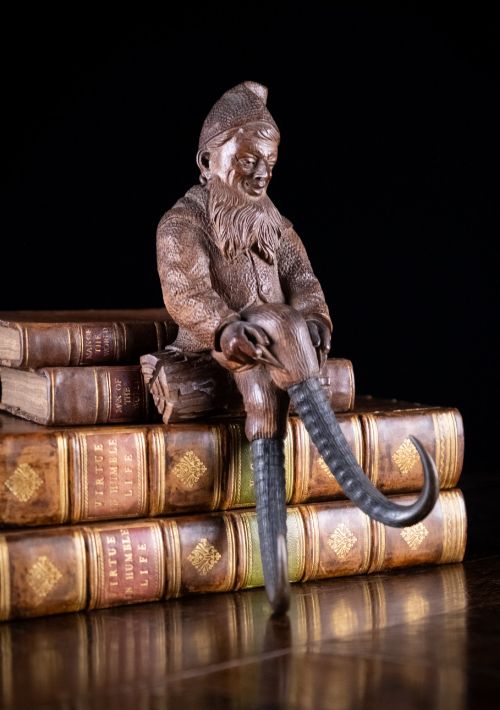
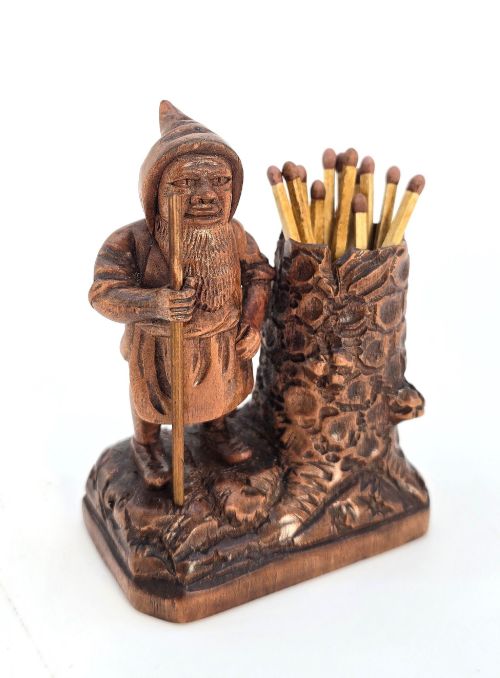
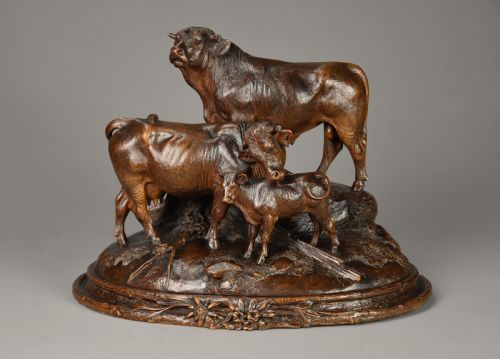
A black forest figurine typically takes the form of carved bears, dogs, cattle, birds, gnomes and human figures rooted in alpine folk art traditions. These decorative objects date largely from the nineteenth century into the early twentieth century, spanning periods from the Victorian era onwards.
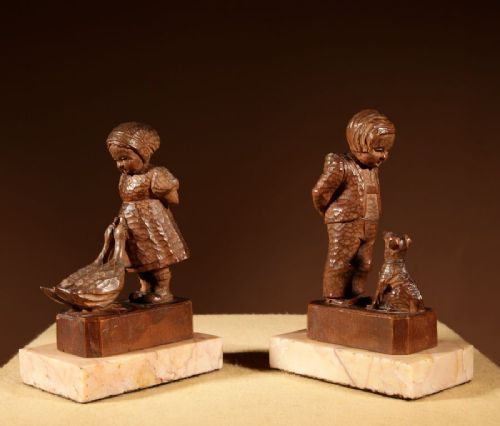
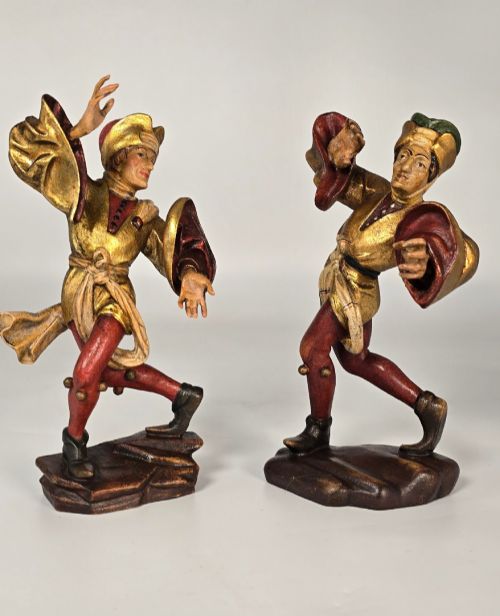
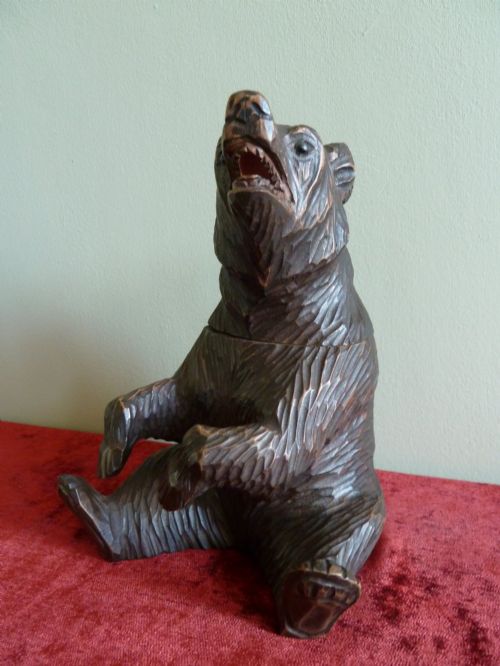
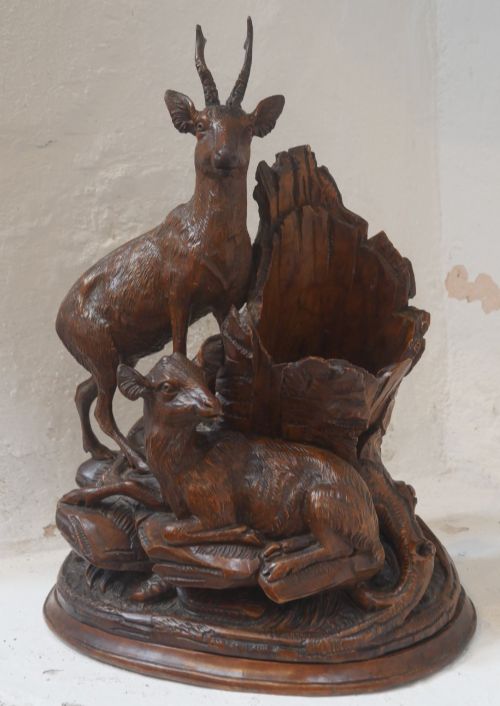
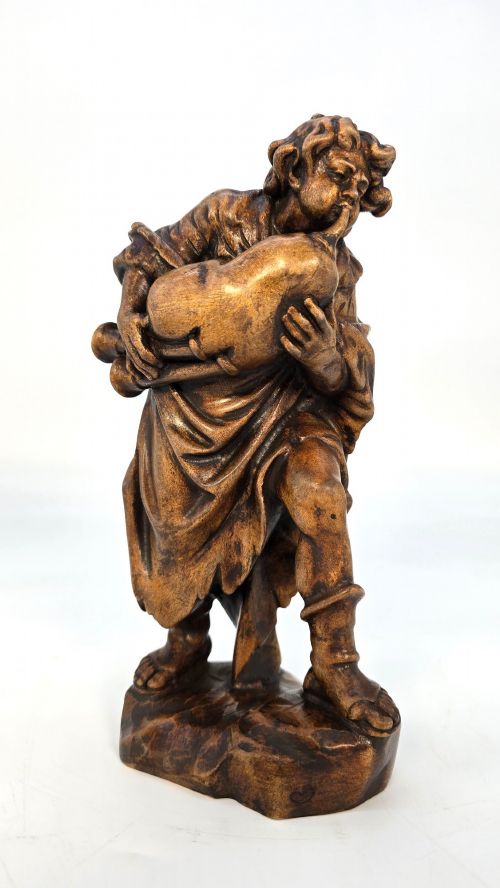
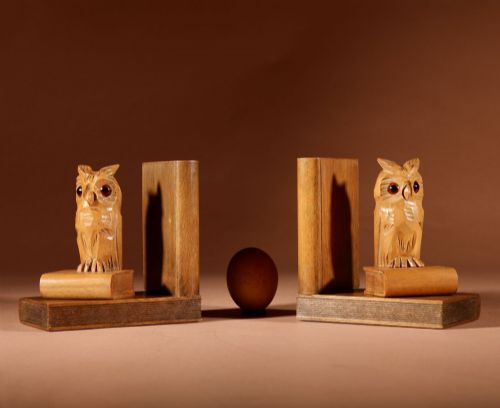
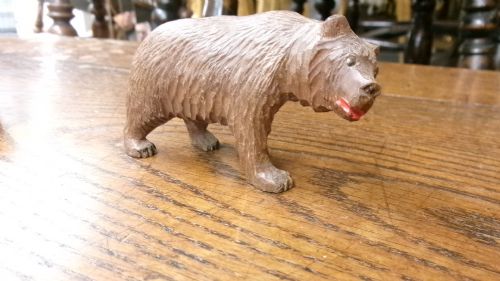
The common versions met on this page include bears acting as match holders or bookends, alongside sculptural groups of cattle, fawns, owls and human subjects like shepherds or medieval musicians. Forms range from freestanding sculptures and mantel clocks to functional wall hooks and nutcrackers.
Originating predominantly from Swiss and European woodland carving traditions, these pieces utilise styles often categorized under alpine folk art or Victorian black forest. The makers produced both single figures and balanced pairs designed for display across domestic interiors.
How they were made
Carvers shaped these figures primarily from softwoods such as linden wood, limewood and general carved wood, which allowed for intricate detailing of fur, feathers and facial expressions. Walnut also appears in select pieces, providing a darker tone and a firmer grain for robust subjects.
Makers occasionally incorporated painted elements, glass for animal eyes, or metal hardware like stud eyes and match strikers to add functional utility to the sculpture. Tool marks from gouges and chisels remain visible on many surfaces, demonstrating the manual labour involved in shaping each form.
A set of fifteen miniature bears proves that nineteenth-century carvers delighted in making things as tiny as possible.
What varies in quality
The distinction between tiers of work rests on the anatomical accuracy, depth of relief and expression achieved by the carver in handling hair, muscle and costume folds. Finer examples display precise control over proportions and naturalistic poses, particularly in animal groupings and human figures.
Signatures, stamps or attribution to known workshops elevate a piece beyond standard anonymous workshop output, reflecting the tier of the carver. The crispness of the timber carving and the preservation of original surface finishes further divide standard commercial production from masterworks.
J Huggler
The Black Forest Figurine Glossary
- Limewood
- A pale timber with a fine, even grain favored by alpine carvers for its responsiveness to detailed chisel work. It forms the basis of many nineteenth-century animal and human sculptures.
- Folk art
- An umbrella style encompassing utilitarian and decorative objects made within regional craft traditions rather than academic art academies. It describes the cultural context of these rural wood carvings.
- Match holder
- A functional domestic accessory designed with a rough striking surface and a receptacle for matches, often integrated into the carved form of a bear or gnome.
- Stud eyes
- Small glass or metal pins inserted into carved wooden sockets to give animals a lifelike gaze. They appear frequently on bear and dog figures.
- Relief carving
- A technique where figures project from a flat background panel rather than existing in the round. It appears on wall plaques and decorative bookends.
Black Forest Figurine: Frequently Asked Questions
What animals appear most often?
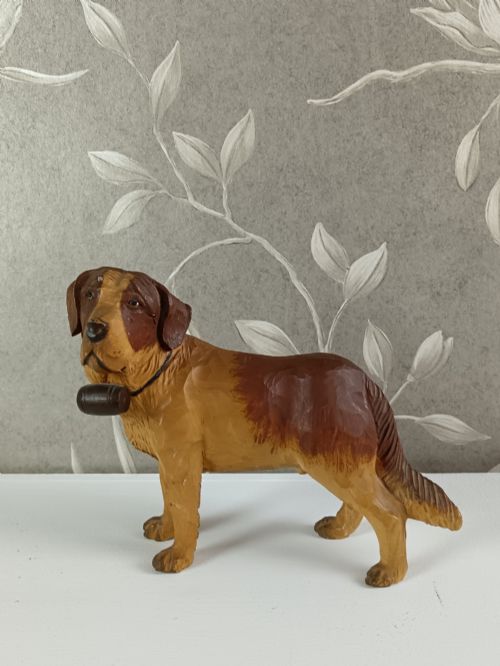
Bears predominate among the surviving pieces, appearing singly or in groups as bookends, match holders and small figurines. Cattle, fawns, dogs such as Saint Bernards, hawks and owls also feature regularly in the historical record.
Carvers selected these creatures because they mirrored the alpine fauna of the regions where the workshops operated.
How were these figures used?
Many objects served dual purposes in the nineteenth-century home, combining ornamental carving with practical functions like holding tobacco, matches or coats. Mantel clocks, nutcrackers and wall hooks brought utility directly into the decorative wood carvings.
Other pieces existed purely as shelf ornaments, bookends or freestanding sculptures designed to display regional folklore.
How can I tell the age?
Dating relies on stylistic clues, historical subjects, tool marks and the type of wood employed by the carver. Pieces stamped with nineteenth-century makers or linked to specific Victorian design periods offer clearer chronological markers.
The presence of original glass stud eyes and untreated timber surfaces also guides collectors in assessing the period.
What wood types were used?
Carvers relied heavily on linden wood and limewood for their softness and pale colour, which suited intricate detail work. Walnut and general hardwoods appear on select heavier sculptures and architectural elements.
Paint and glass sometimes supplement the bare wood surfaces on specific animal and human figures.