


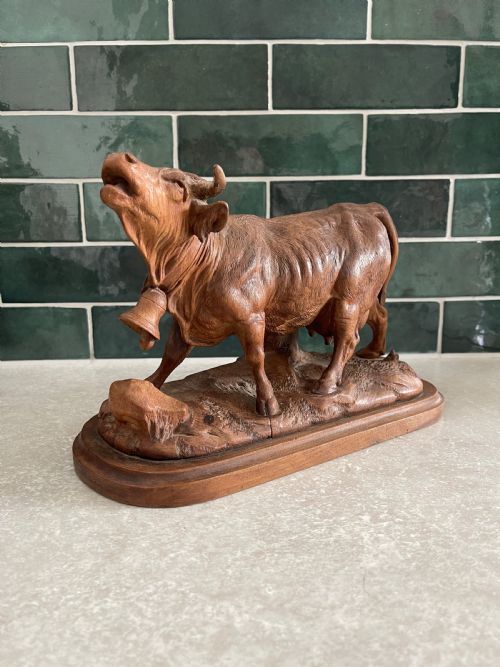

Swiss Lindenwood Sculpture
Swiss lindenwood sculpture brings the dramatic alpine fauna of the Black Forest style directly into the home through highly detailed nineteenth-century woodcarvings.
Swiss Lindenwood Sculpture
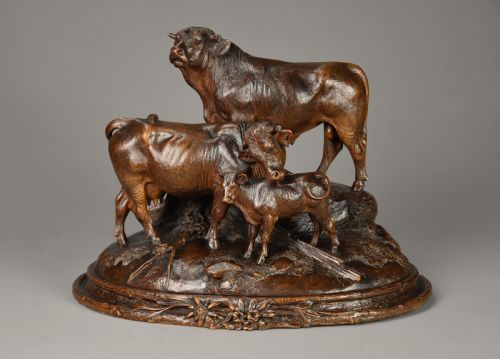
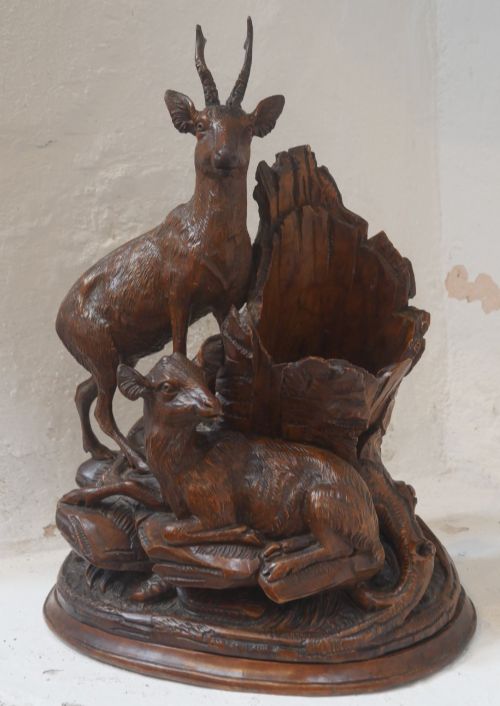
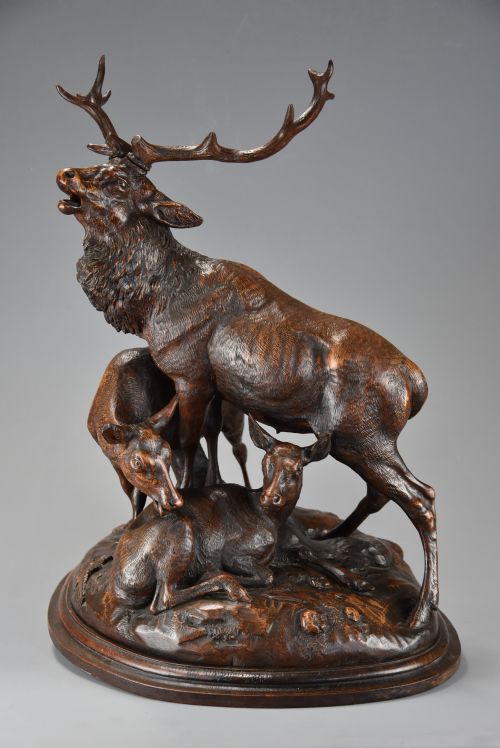
Swiss lindenwood sculpture primarily encompasses nineteenth-century Black Forest decorative works, depicting animals such as bears, deer, cattle, goats, and ibexes. These pieces range from tabletop animal groups and centrepieces to large functional hall stands and umbrella stands.
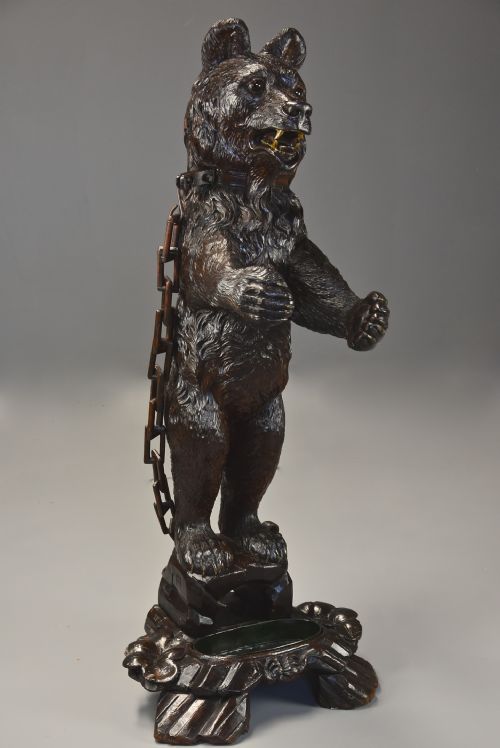
The most common examples encountered on this page are carved bears configured as umbrella stands or freestanding figures, alongside detailed representations of alpine cattle and mountain goats. Many pieces originate from the late nineteenth century, reflecting the peak of the alpine woodcarving industry.
Materials and construction
Makers utilised lindenwood, walnut, and mixed timber, capitalising on lindenwood's fine grain and softness for intricate carving work. Master carvers employed specialised gouges and chisels to render realistic fur textures, anatomical details, and naturalistic tree trunk supports.
Structural elements in larger items such as hall stands incorporate integrated metal fixtures for umbrellas and sticks alongside substantial carved wooden panels. Certain works feature maker stamps directly into the timber or bear attribution in the manner of established workshops.
Listings feature nineteenth-century dates including eighteen-sixty, eighteen-eighty, and eighteen-ninety alongside twentieth-century examples.
Judging the carving
Quality separates through the depth of undercut relief and the anatomical accuracy of the animal subjects, distinguishing spirited life from stiff rendering. Master carvers achieved remarkable realism in musculature, fur texture, and facial expression.
Scale and ambition dictate the upper tier, where exhibition-quality hall stands combine multiple animals with complex botanical motifs such as oak trees. Lesser examples rely on simplified surface incisions and standard poses without the dynamic tension seen in top works.
J Huggler
The Swiss Lindenwood Sculpture Glossary
- Lindenwood
- A pale, creamy timber traditionally favored by European carvers for its even grain and resistance to splitting. It allows for microscopic detail in animal sculpture without splintering along the grain.
- Black Forest style
- A nineteenth-century decorative movement originating in central Europe, characterised by highly naturalistic animal carvings and rustic furniture. Bears and alpine fauna remain its most famous subjects.
- Hall stand
- A functional piece of hallway furniture designed to hold coats, hats, umbrellas, and walking sticks. In this sculptural tradition, the furniture frame is integrated with carved bears or forest flora.
- Undercutting
- A carving technique where the tool cuts deep beneath the surface material to create fully detached fur, limbs, or foliage. This method separates masterwork sculptures from flat, relief-only carvings.
Swiss Lindenwood Sculpture: Frequently Asked Questions
What animals appear most often?
Bears dominate the sculptural output, appearing as freestanding figures, centrepieces, and functional umbrella stands. Other frequent subjects include deer, cattle, mountain goats, ibexes, and foxes.
These animals reflect the alpine environment that inspired the nineteenth-century carvers of the Black Forest tradition.
How were umbrella stands used?
These large hall stands stood in domestic entrance halls to receive wet umbrellas and walking sticks after outdoor excursions. They combined heavy timber shelving with carved animal figures.
The practical receptacles incorporated metal liners to catch water beneath the carved wooden bears and tree trunks.
How do I date these carvings?
Most pieces date from the nineteenth century, specifically the decades surrounding eighteen-ninety when alpine carving production peaked. Stylistic cues and stamp marks help narrow the era.
Exhibition pieces and stamped works often point directly to specific decades within the Victorian period.
Are these sculptures solid wood?
The primary sculptural elements consist of solid lindenwood or walnut, carved from single blocks or joined timber sections. Structural frames on larger furniture pieces utilise timber boards.
Master carvers worked directly into the timber mass to achieve deep relief and freestanding animal forms.