


Rustic Wood Figure
A rustic wood figure brings raw character into a room, shaped by carvers working in folk art, Black Forest, and 19th century traditions.
Rustic Wood Figure
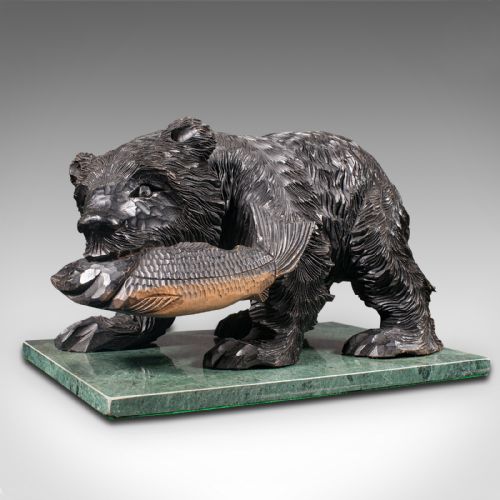
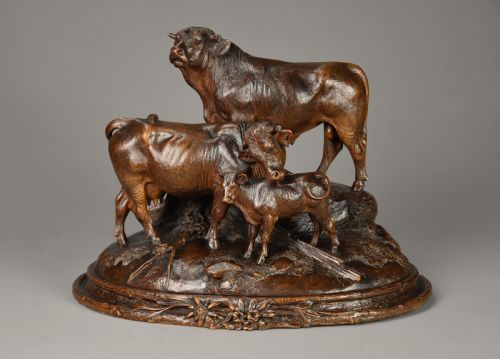
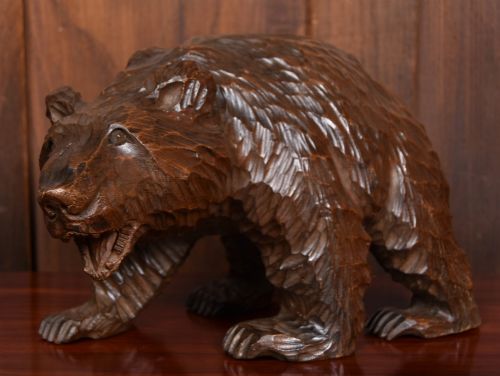
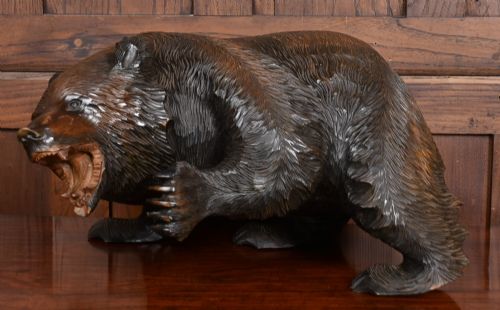
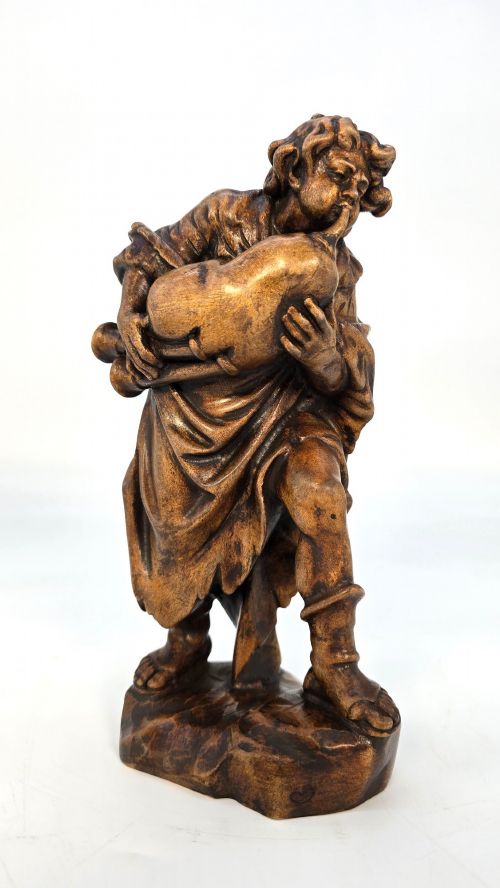
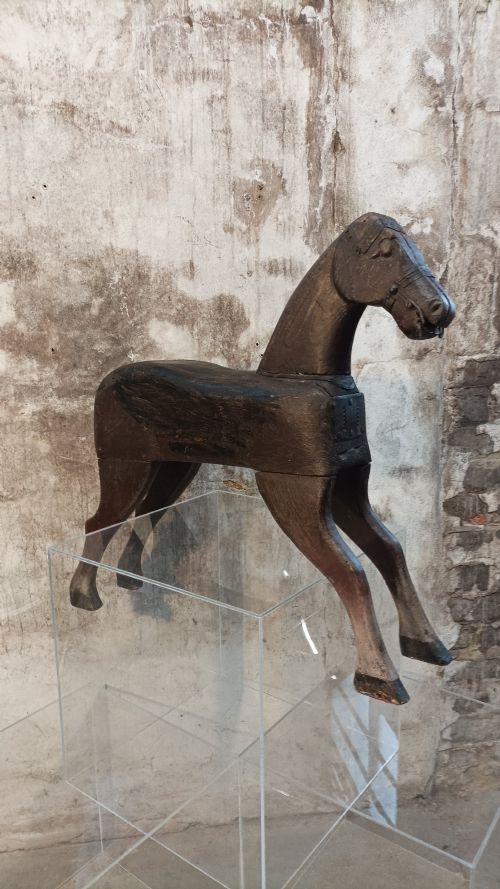
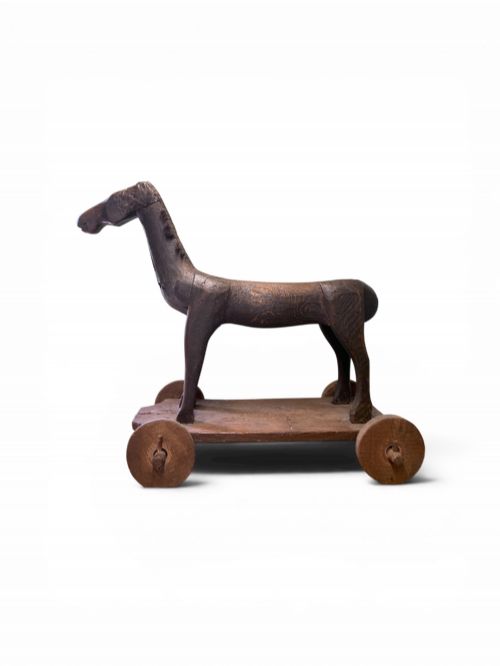
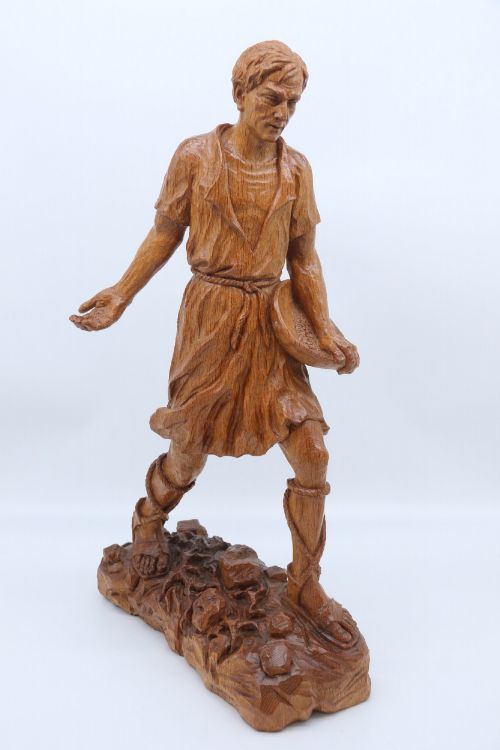
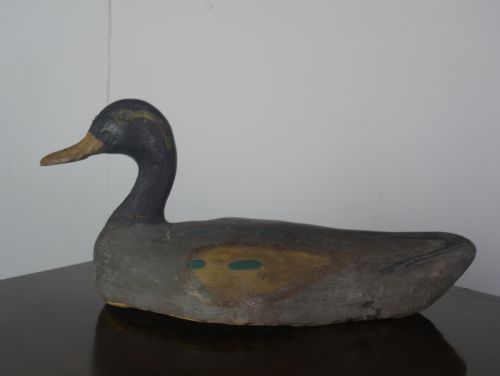
A rustic wood figure encompasses hand-carved sculptures, toys, decoys, and decorative animals originating primarily from the eighteenth and nineteenth centuries. Buyers searching this phrase meet carved bears, horses, farm workers, and whimsical figures carved with varying degrees of naive charm.
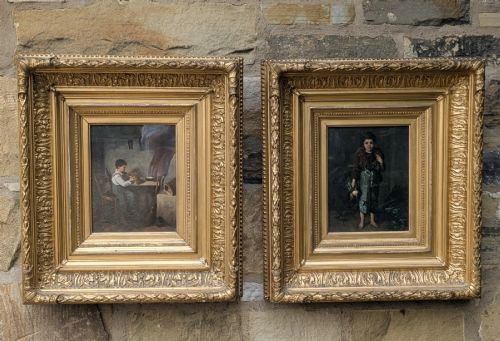
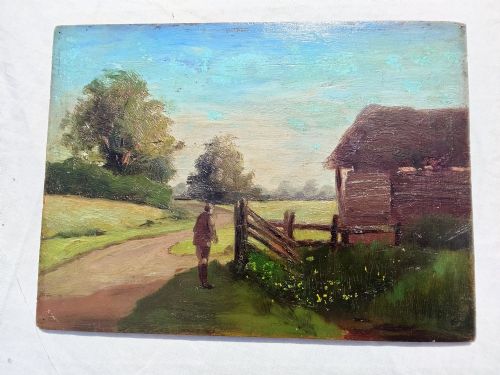
The selections span distinct geographical traditions, from Black Forest linden wood animals to Japanese carved wooden bears and American folk art whirligigs. Many pieces reflect regional crafts, including English school paintings and French shop displays, though solid wood carvings dominate the selection.
Materials and Techniques
Carvers utilised a range of timbers including fruitwood, oak, linden wood, limewood, and pine, often finished with surface paint or left in the natural grain. Tool marks from chisels and gouges remain visible on many surfaces, recording the direct hand of the maker.
Listings feature items dated from the eighteenth century through the early twentieth century, spanning English, German, French, American, and Japanese origins.
Distinguishing Quality
Quality rests upon the confidence of the carving and the expressiveness of the form, separating competent workshop production from truly spirited naive work. Proportion and stance dictate whether an animal or human figure commands presence in a room.
Original surface preservation heavily influences desirability, particularly where early paint layers or patinated bare wood remain undisturbed by later interventions. Finer examples retain crisp tool definition and authentic age wear rather than smoothed, over-restored surfaces.
J Huggler·Arthur Walker Redgate·Jules Buste Labatut
The Rustic Wood Figure Glossary
- Folk art
- Objects created by self-taught or traditional artisans outside academic fine art conventions. These pieces prioritise utility, narrative, or raw visual impact over strict anatomical accuracy.
- Black Forest carving
- Highly detailed wooden sculpture produced in the Swiss mountain region during the nineteenth century. These works frequently depict bears, cattle, and woodland animals rendered with deep texture.
- Decoy
- A carved and painted wooden bird or animal originally utilised by hunters to attract wildlife. They are now collected for their sculptural qualities and weathered surface paint.
- Whirligig
- A wind-driven folk art mechanism with moving parts that animate when breezes blow. American and European examples often depict human workers or animals in motion.
- Fruitwood
- Dense hardwood derived from fruit-bearing trees such as pear, apple, or cherry. Carvers favoured this medium for its smooth grain and capacity to hold fine detail.
Rustic Wood Figure: Frequently Asked Questions
What is a rustic wood figure?
A rustic wood figure is a hand-carved decorative object, toy, or animal sculpture created within folk art or regional traditions. These pieces rely on traditional woodworking techniques rather than industrial manufacturing.
They serve primarily as decorative accents in interiors, bringing texture and historical narrative to a space. Common subjects include animals, human workers, and historical figures from the eighteenth and nineteenth centuries.
How do I date a wooden carving?
Dating relies on tool marks, timber choice, style, and surface wear. Eighteenth and nineteenth-century pieces exhibit distinct hand-tool characteristics and patination accumulated through age.
Comparing construction methods with documented examples from periods like the Arts and Crafts movement or Black Forest workshops helps narrow down the decade of origin.
Where were Black Forest carvings made?
Black Forest carvings originated in the mountainous Brienz region of Switzerland during the nineteenth century. Local woodcarvers produced specialised animal sculptures, inkstands, and furniture for travellers.
These pieces are identifiable by their realistic linden wood carving, dark patination, and frequent depiction of bears and woodland wildlife.
How should I clean antique wood?
Antique wood requires minimal intervention to preserve the natural patina and any original surface paint. Dusting with a dry, soft cloth is generally sufficient for regular maintenance.
Avoid using modern chemical polishes, water, or abrasive cleaners, as these can strip historical finishes and damage the underlying timber fibres.