

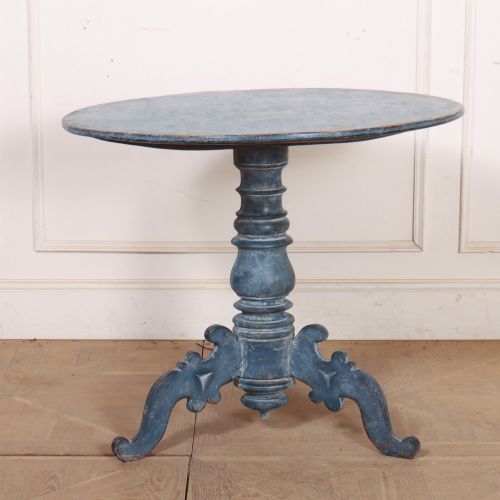
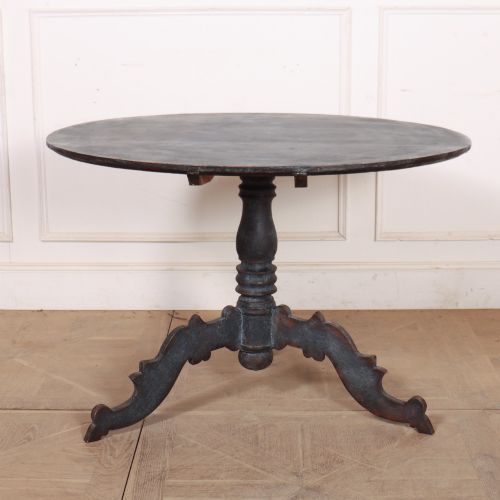
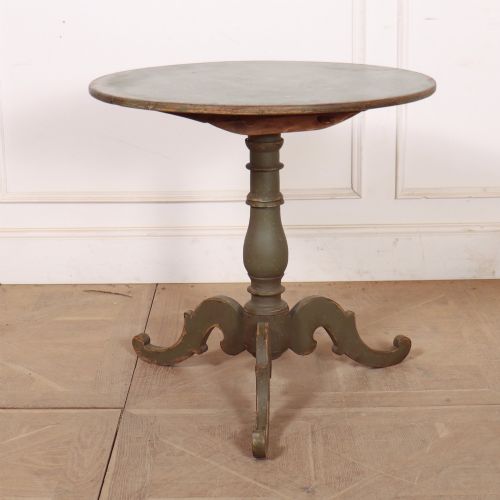
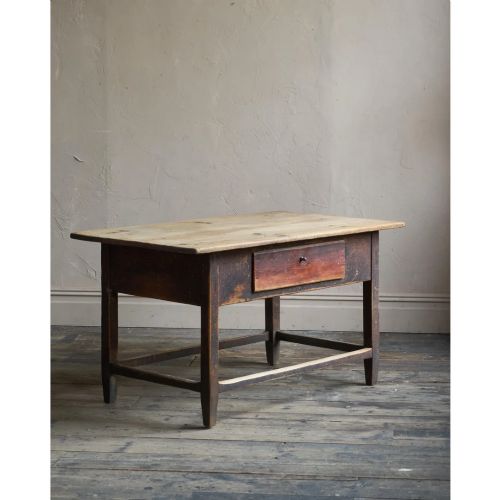
Antique Swedish Table
An antique Swedish table brings the restrained elegance of Scandinavian design into a room, offering both functional utility and distinct regional character.
The Form and Character of the Antique Swedish Table
An antique Swedish table encompasses a wide array of forms designed for daily domestic use and formal reception rooms. Buyers encounter diverse variations ranging from utilitarian preparation surfaces to refined occasional pieces.
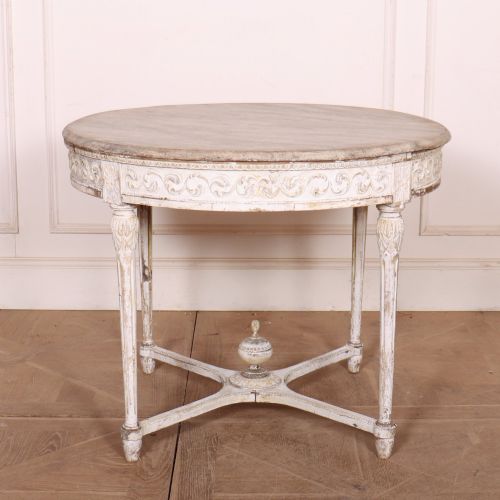
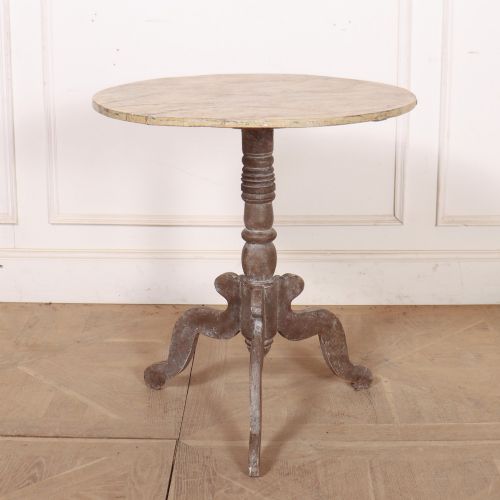
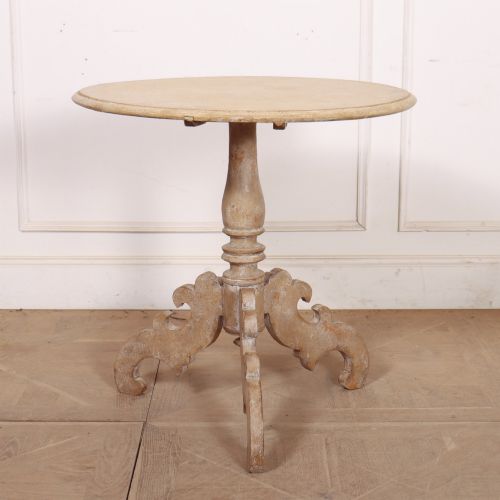
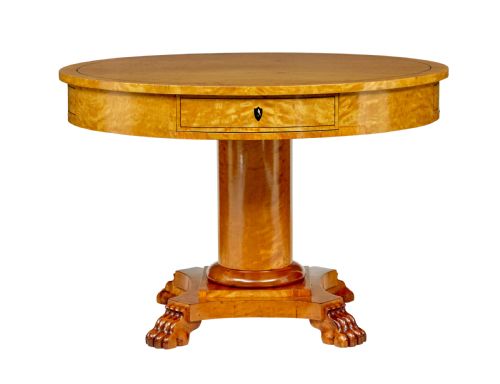
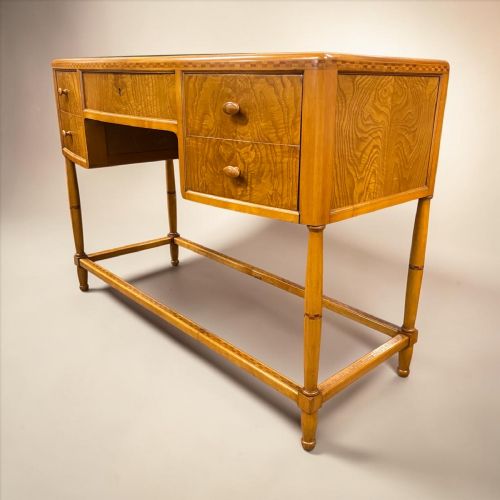
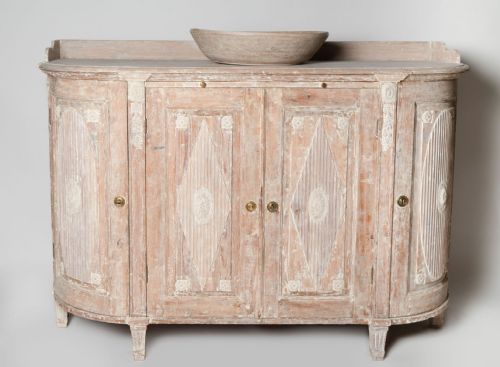
The selections span from the 19th century into the early 20th century, capturing periods such as Gustavian and Scandinavian Country styles. Dining tables, side tables, and coffee tables frequently appear in pine, birch, and painted wood.
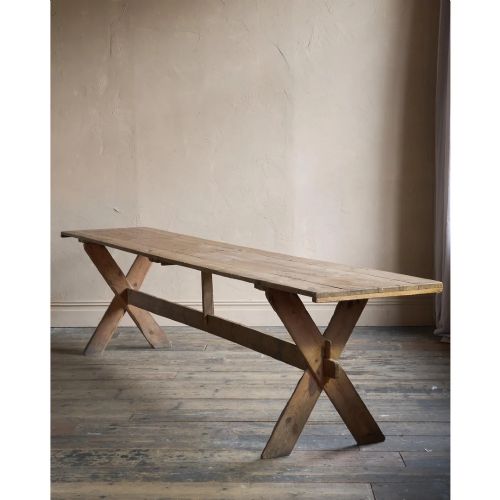
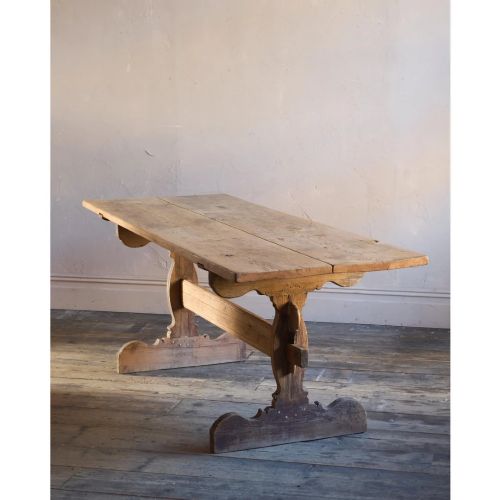
Earlier examples often reveal regional craftsmanship through sturdy construction and practical forms like bakers tables and trestle designs. Later pieces lean towards polished veneers and sophisticated seating accompaniments.
Materials and Construction Techniques
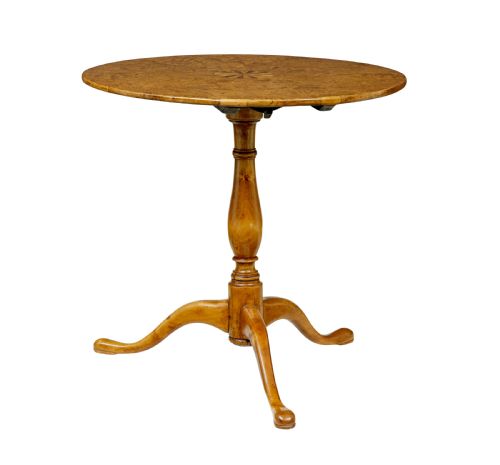
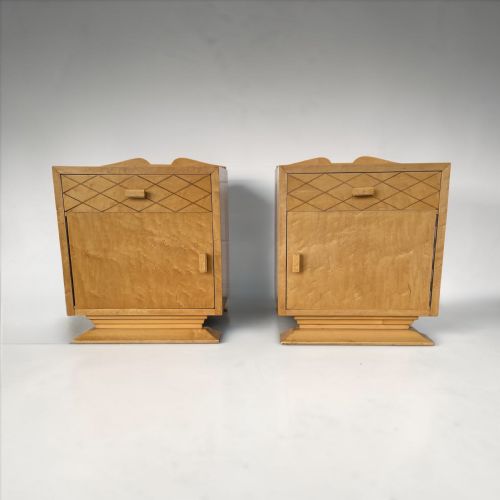
Pine and softwood form the basis of many domestic and country pieces, frequently finished with paint or left in a natural state. Birch and satin birch provide a pale, luminous surface, sometimes contrasted with dark ebony details in Biedermeier examples.
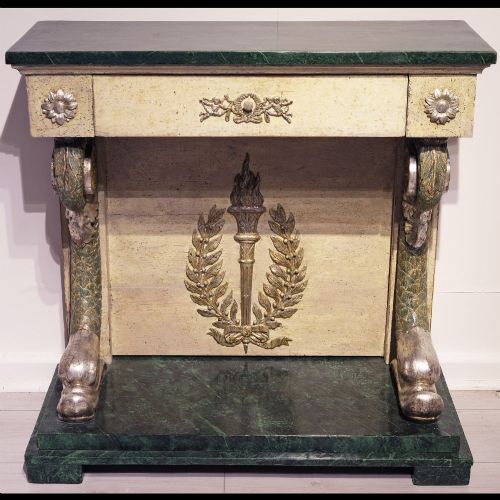
Metal elements such as brass and gold leaf appear as subtle decorative accents, highlighting the structural lines. Surface treatments range from simple painted finishes to polished wood grains and occasional leather inserts.
Retail Price Guide 2026
Typical UK retail prices for swedish table, calculated from the Sellingantiques database of over a million retail prices indexed since 2003. This retail price guide relies exclusively on Sellingantiques data; no external sources or auction records are used, so the figures do not describe the wider market.
Pine, birch, and painted wood dominate the material palette across these listings.
Distinctions in Quality and Execution
The hierarchy of quality rests on the selection of timber, the sophistication of the joinery, and the preservation of original finishes. Exemplary pieces display harmonious proportions and careful attention to secondary woods.
Finer iterations often incorporate decorative elements like ormolu mounts, inlaid ebony, or specialised marble tops. The integrity of the painted surface or the warmth of the polished grain directly influences the overall presence of the object.
The Antique Swedish Table Glossary
- Gustavian
- A Swedish neoclassical style popular during the late eighteenth and early nineteenth centuries. It is known for restrained carving, pale paint finishes, and classical proportions.
- Biedermeier
- A Central European and Scandinavian design movement emphasising utility, clean lines, and warm wood grains. Satin birch and contrasting dark veneers frequently characterise these pieces.
- Satin Birch
- A pale, highly figured timber derived from birch trees. It creates a luminous, golden surface popular in nineteenth-century cabinet making.
- Trestle Table
- A sturdy table construction featuring a horizontal beam supported by two feet or frames. This form provides maximum legroom and stability.
- Ormolu
- Gilt bronze mounted onto furniture as decorative hardware or edging. It adds a refined metallic contrast to polished wood surfaces.
Frequently Asked Questions
How do I identify a Biedermeier table?
Biedermeier tables typically display smooth, unadorned surfaces that highlight the natural grain of woods like birch and walnut. Contrast is often achieved through dark ebony stringing or geometric banding.
These pieces focus on domestic comfort and understated elegance rather than heavy ornamentation.
Are painted finishes original?
Many Swedish country and Gustavian pieces retain layers of historic paint, which develop a soft patina over time. Original surface treatments show natural wear patterns consistent with age and use.
Subsequent repainting is common in domestic furniture, so inspecting the underlying layers helps determine authenticity.
How were these tables used originally?
Tables served varied domestic functions, ranging from large-scale food preparation and dining to specialised tasks like writing or serving tea. Bakers tables and trestle forms supported heavy daily labour in kitchens and workrooms.
Occasional and coffee table formats accommodated parlor gatherings and reading activities.
What woods were predominantly used?
Pine and softwood form the foundation of most utilitarian and country furniture, often painted or scrubbed clean. Birch and satin birch dominate finer neoclassical and Biedermeier pieces.
Walnut, mahogany, and contrasting ebony also appear in specific stylistic traditions.