


Antique Swedish Dining Table
An antique Swedish dining table brings pale wood and practical painted surfaces to a room, offering both daily utility and distinct regional character.
Antique Swedish Dining Table
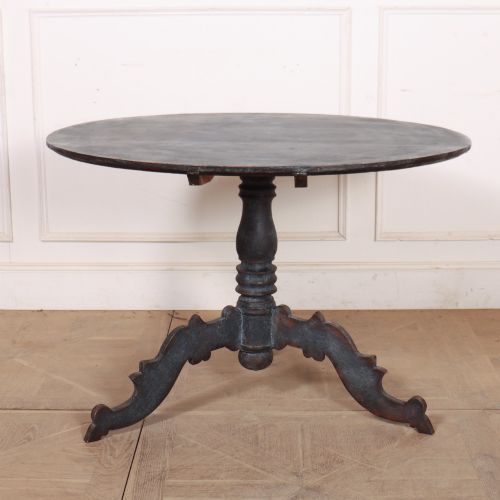
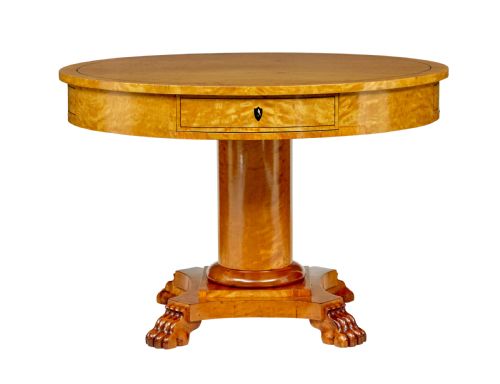
An antique Swedish dining table encompasses robust pine kitchen surfaces, rustic country boards, and polished birch Biedermeier circular forms. These pieces reflect Scandinavian domestic life across the eighteenth and nineteenth centuries, alongside later twentieth-century iterations.
The buyer meets painted pine drop-leaf gateleg designs most frequently on this page, often finished in traditional Falu red or pale layered pigments. Alongside these, circular birch centre tables and trestle forms appear with regularity from the nineteenth century.
How they were made
Makers utilised native softwoods and hardwoods, predominantly pine, birch, and oak, often applying protective paint finishes directly to timber frames. Surfaces were frequently treated with traditional pigments or left as weathered pine and scrubbed timber.
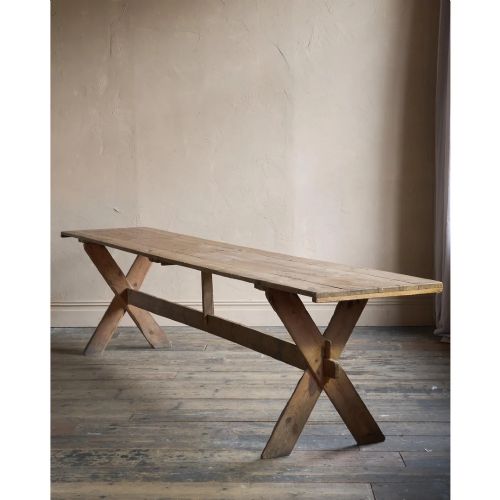
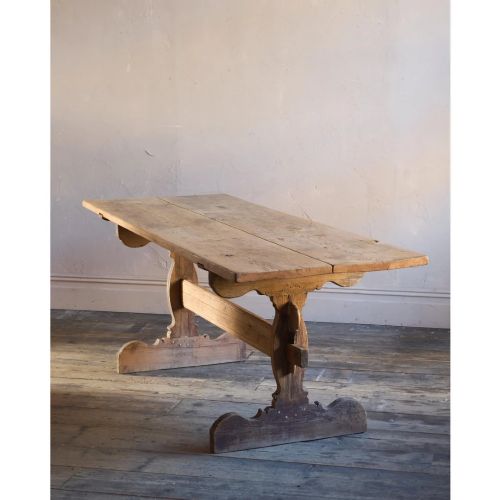
Construction methods range from sturdy trestle bases and X-frame supports to hinged drop-leaf mechanisms and central pedestals. Joinery prioritises utilitarian strength, utilising pegged joints and robust framing suited to daily kitchen and dining use.
The listings on this site span the eighteenth, nineteenth, and twentieth centuries, featuring pine, birch, and painted wood.
What varies in quality
The refinement of the timber and the handling of the painted finish distinguish standard domestic boards from finer parlour pieces. Subtle grain selection in satin birch veneer sits at one end of the scale, while utility pine scrubbed tables sit at the other.
Proportion and structural integrity dictate the standing of a piece, separating straightforward kitchen furniture from elegant architectural centre tables and Biedermeier examples.
The Antique Swedish Dining Table Glossary
- Slagbord
- A traditional Swedish drop-leaf table featuring hinged leaves supported by swing legs. This form allows the table to expand for dining and contract for storage.
- Falu paint
- A traditional deep red or earthy paint made from copper mining residue, commonly utilised on Swedish country furniture and kitchen tables. It provides a durable matte finish.
- Biedermeier
- A Central European and Scandinavian design style popular during the nineteenth century, characterised by clean lines and warm veneers like birch and mahogany without excessive ornamentation.
- Trestle table
- A table construction where the top rests on two or more upright supports connected by a horizontal beam. This design offers stability and legroom.
- Centre table
- A freestanding table designed to be viewed from all sides, placed in the middle of a room rather than against a wall.
Antique Swedish Dining Table: Frequently Asked Questions
How do I care for a painted Swedish table?
Painted surfaces require gentle cleaning with a damp cloth rather than harsh modern detergents, preserving the original or aged pigment layers.
Wax can be applied sparingly to unpainted pine and birch surfaces to protect the timber from moisture and daily wear.
Were these tables used in kitchens or dining rooms?
Many examples on this page served as preparation tables or kitchen tables for daily domestic labour, built from sturdy pine.
Other forms, such as circular birch centre tables and Biedermeier dining pieces, were intended for formal reception rooms and parlours.
What is the difference between pine and birch Swedish tables?
Pine tables generally carry painted finishes, such as Falu paint or layered white pigments, reflecting rural Scandinavian country traditions.
Birch and satin birch tables often showcase the natural grain of the wood, aligning with the refined aesthetic of nineteenth-century Biedermeier and Art Deco styles.
How do I identify a Gustavian style table?
Gustavian pieces draw on neoclassical restraint, featuring pale painted finishes and simplified classical proportions derived from French designs.
They contrast with heavier rustic country furniture through lighter framing and restrained decorative carving.