

Antique Style Walnut Armchairs
Antique style walnut armchairs bring together rich timber frames and diverse historic revival forms to anchor a room with period character.
Antique Style Walnut Armchairs
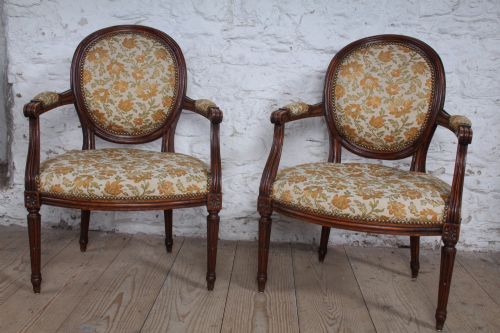
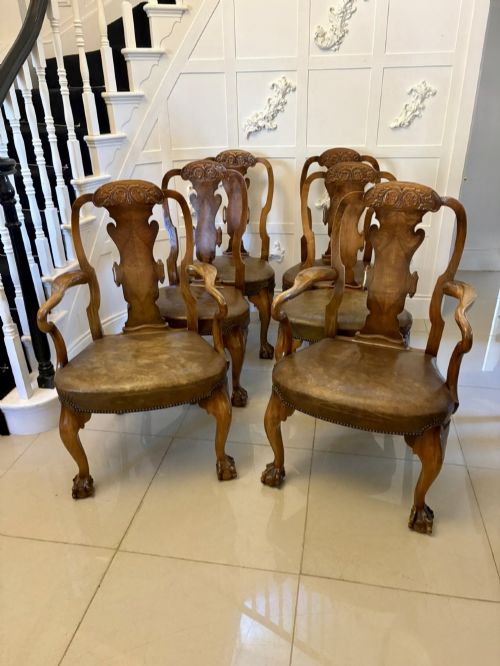
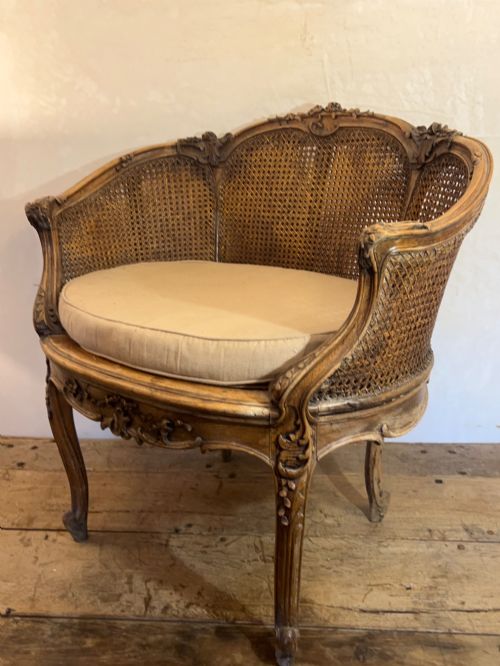
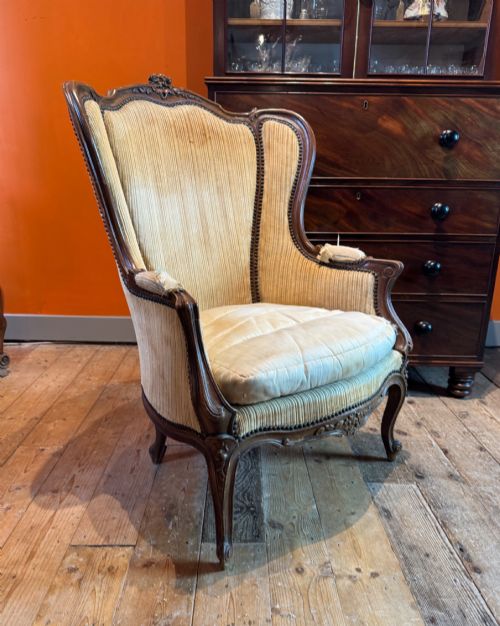
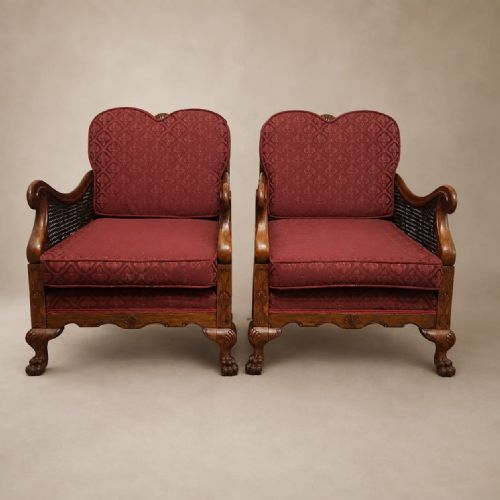
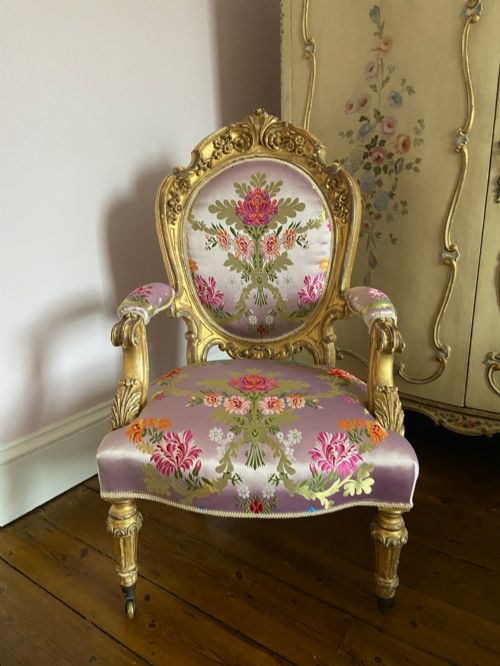
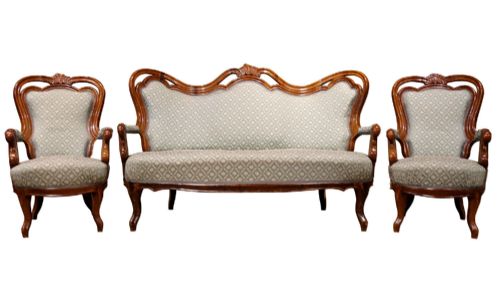
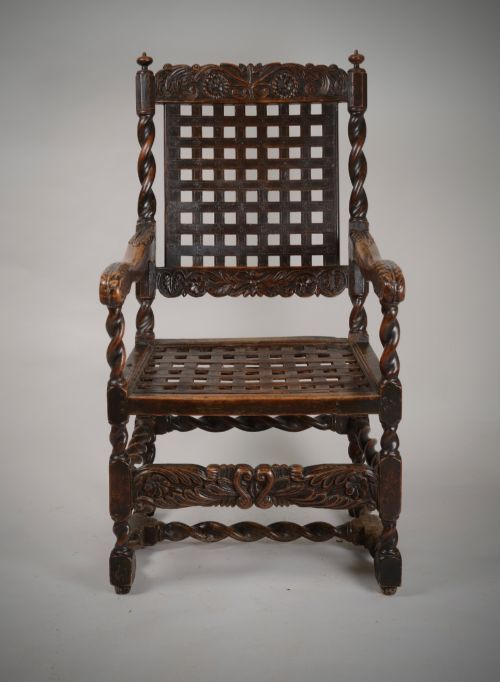
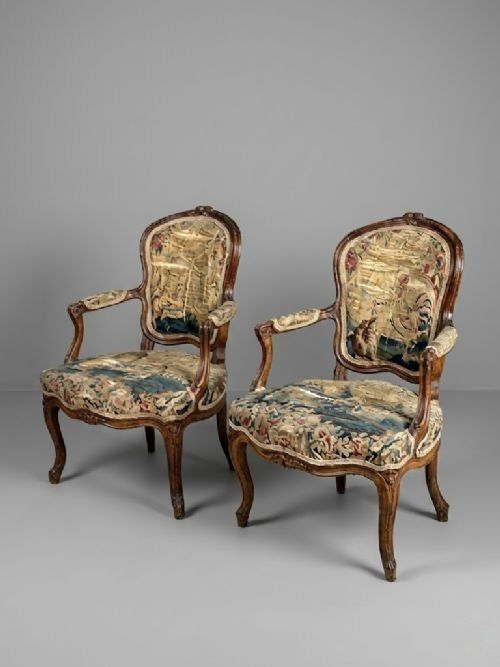
When searching for antique style walnut armchairs, buyers encounter seating rooted in centuries of historical design, from the curvilinear shapes of the Louis XV revival to the stately proportions of Queen Anne and Carolean styles. These pieces range from solitary library chairs and desk seats to matching pairs and full salon suites.
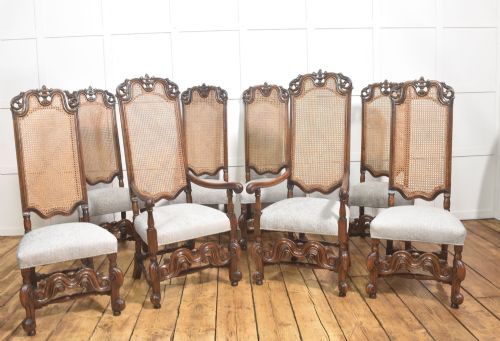
The majority of pieces met on this page date from the nineteenth and early twentieth centuries, capturing historical revivals executed by skilled cabinet makers. Alongside these, earlier eighteenth-century examples and distinct regional interpretations appear, providing options for both traditional and eclectic interiors.
Materials and construction methods
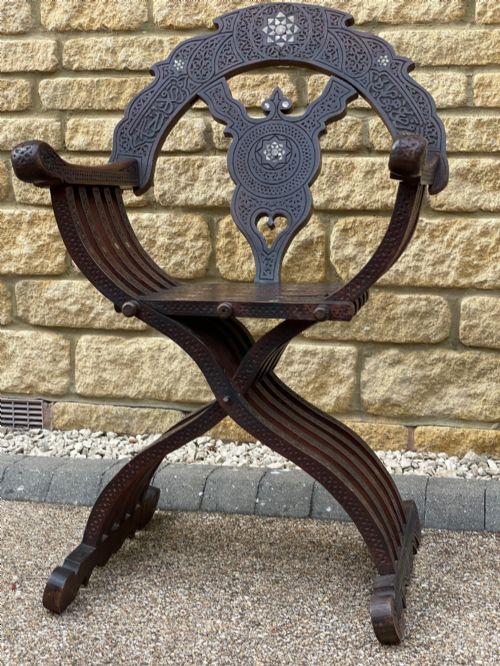
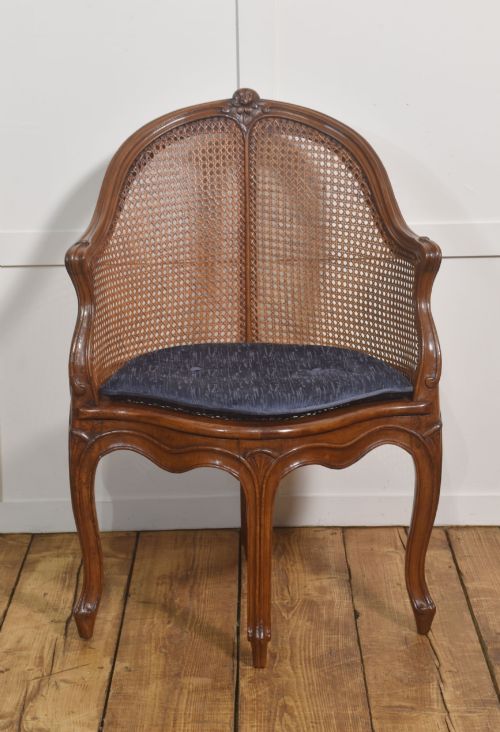
Walnut serves as the primary structural timber, chosen for its durability, rich grain patterns, and suitability for intricate hand carving. Frames often incorporate secondary elements such as brass or mother of pearl inlay, while support structures utilise cane panels.
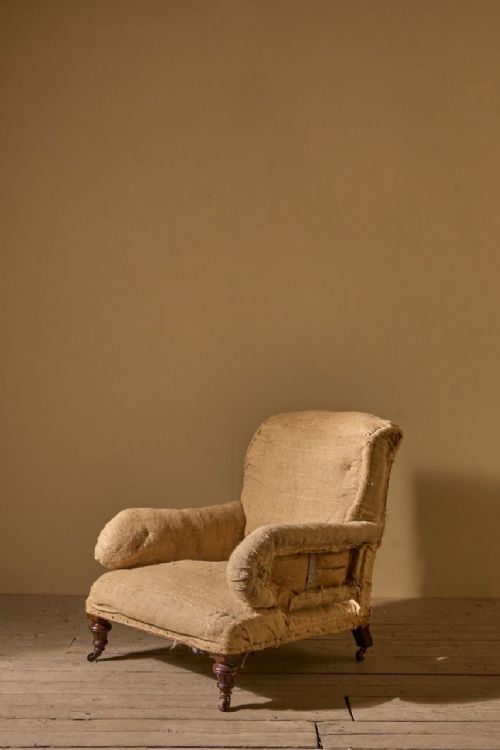
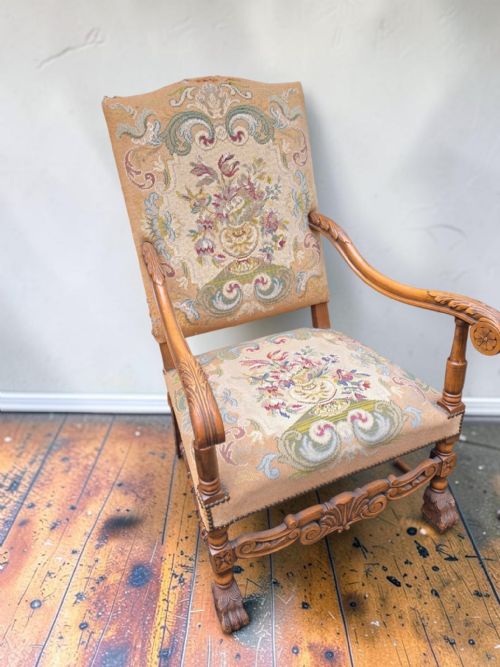
Upholstery methods define the comfort and finish of these seats, employing traditional materials like silk, leather, velvet, tapestry, and needlework textiles. Artisans shaped the frames using period woodworking techniques to achieve the sweeping cabriole legs and scroll arms characteristic of revival styles.
Materials recorded in the archive range from solid walnut frames to detailed upholstery in silk, velvet, tapestry, and cane.
Distinguishing quality factors
Quality rests upon the crispness of the hand carving on the walnut frame and the structural integrity of the joinery. Superior examples display fluid, deeply undercut ornamentation without weakness at the stress points of the arms and legs.
The choice of covering materials and the fidelity of the period revival style also elevate a piece. Original or period-appropriate upholstery, such as hand-woven tapestry or fine silk, paired with correct proportion and balanced lines, separates standard seating from exceptional examples.
Howard and Sons·Andrea Brustolon·Thomas Hope·SF Cullen
The Antique Style Walnut Armchairs Glossary
- Bergere
- An enclosed upholstered armchair with a wooden frame, often featuring cane panels on the sides and back. This French form gained popularity during the eighteenth century and inspired many later nineteenth-century revivals.
- Cabriole leg
- A furniture leg that curves out and then in, resembling the leg of an animal. It typically terminates in a pad, scroll, or claw foot and defines much of the Queen Anne and Louis XV styles.
- Carver
- An armchair designed to match a set of dining chairs, traditionally used at the head of the table. These pieces feature open arms to accommodate dining attire.
- Fauteuil
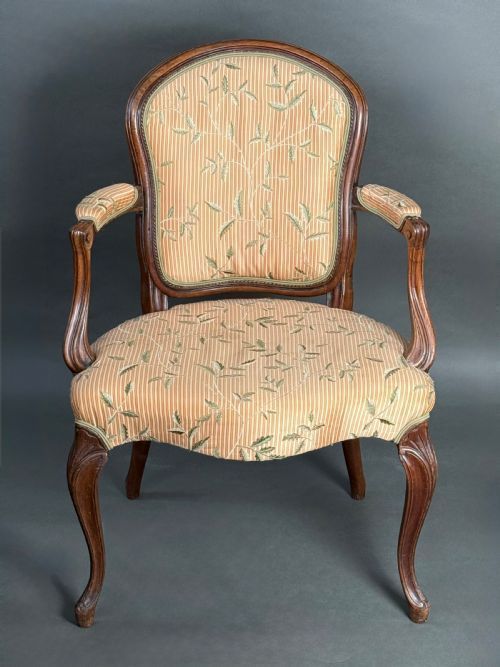
- An open-arm armchair with upholstered back and seat, featuring exposed wooden framing. Originating in France, the style emphasises carved decoration around the arms and rails.
- Wing armchair
- A high-backed seat featuring upholstered side panels designed to shield the occupant from drafts. Early versions frequently incorporate scroll arms and walnut cabriole supports.
Antique Style Walnut Armchairs: Frequently Asked Questions
What defines a Louis XV style walnut armchair?
Louis XV style armchairs are characterised by flowing asymmetrical lines, cabriole legs, and carved floral motifs. The frames emphasise curves over straight edges to create an organic silhouette.
Walnut was frequently used to frame these seats, which often feature open arms and upholstered backs designed for salon use.
How do I identify a Queen Anne style armchair?
Queen Anne style armchairs are easily recognised by their spoon-shaped backs, pad feet, and graceful cabriole legs. The design prioritises human comfort through ergonomic shaping of the backrest.
Walnut became the dominant timber during this period, replacing heavier oak and providing a smooth surface for subtle carving.
Where should I place a walnut library chair?
Library chairs suit studies, reading corners, and living rooms where their substantial timber frames can anchor the space. Pairing them with a desk or positioning them beside a fireplace highlights their architectural presence.
Consider the surrounding lighting to showcase the grain of the walnut and the texture of the upholstery, whether leather, velvet, or silk.
How do I care for antique walnut furniture?
Maintaining walnut furniture involves keeping pieces away from direct sunlight and steady heat sources to prevent the timber from drying out. Regular dusting with a soft, dry cloth preserves the finish of the wood.
For upholstered components, professional cleaning suited to textiles like silk, tapestry, or needlework ensures the fabric remains undamaged over time.