
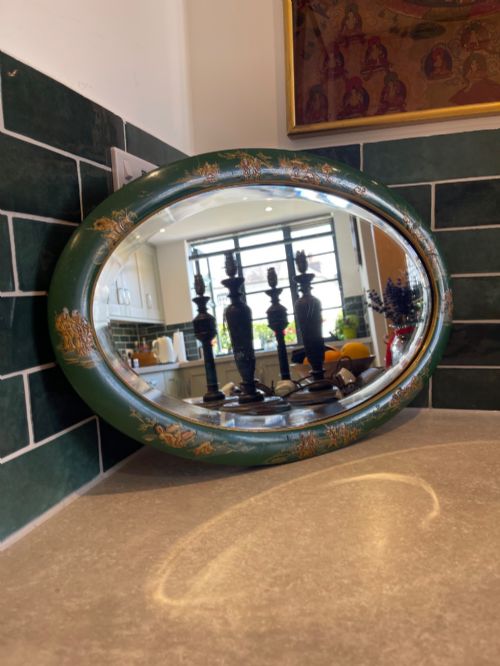

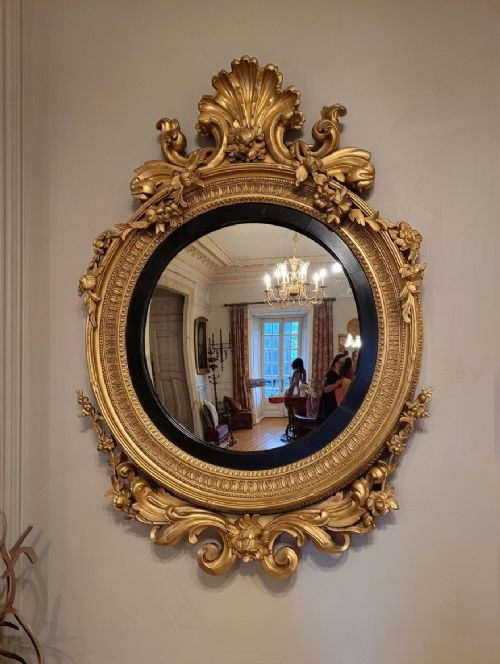
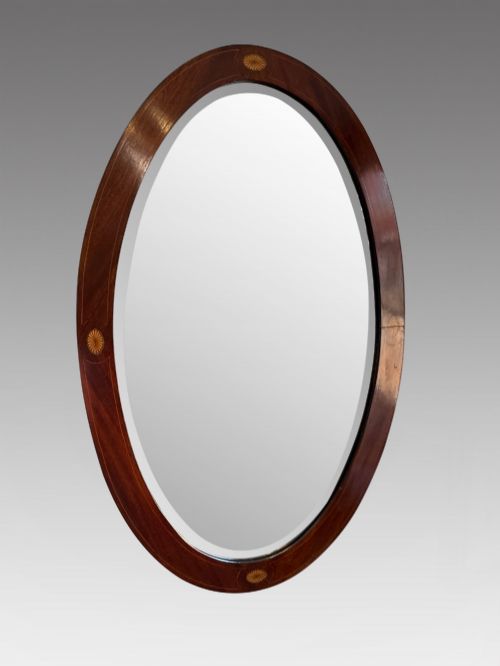
Antique Style Oval Mirror
An antique style oval mirror brings curved elegance to a room, framing reflections within ornate wooden or gilded borders.
Antique Style Oval Mirror
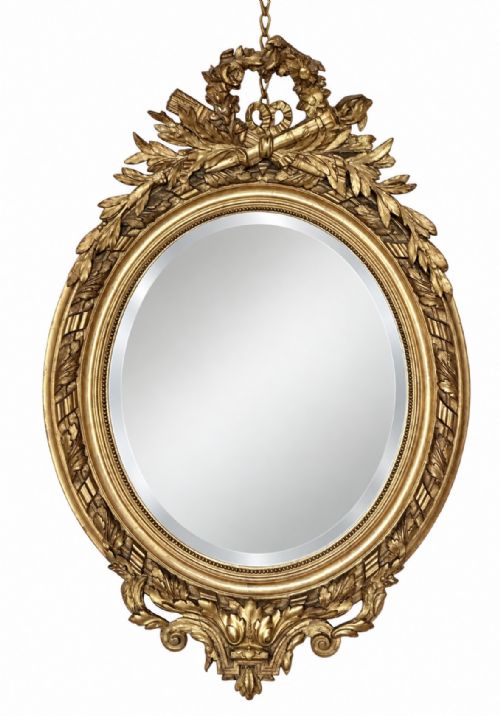
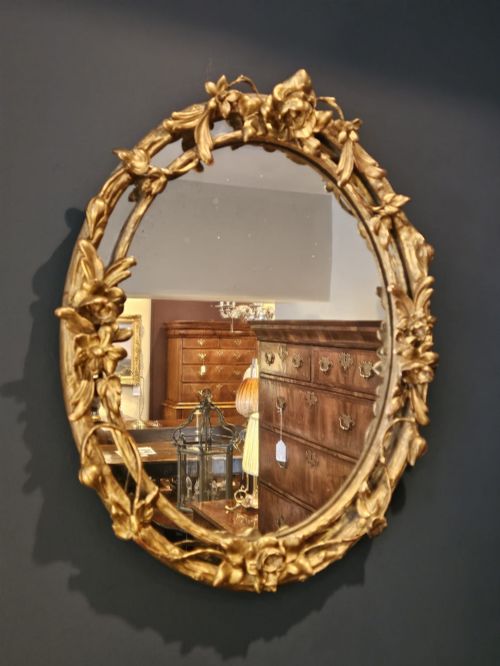
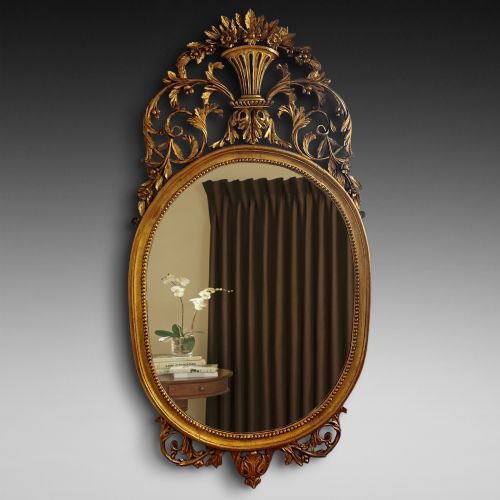
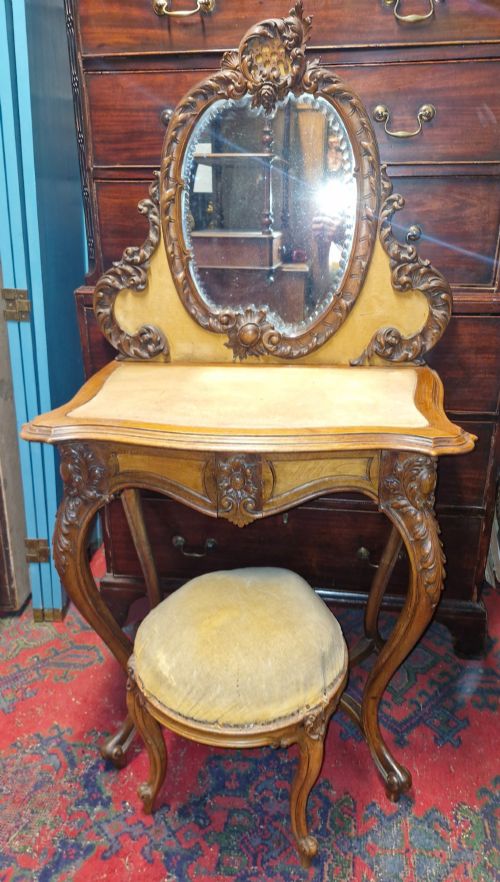
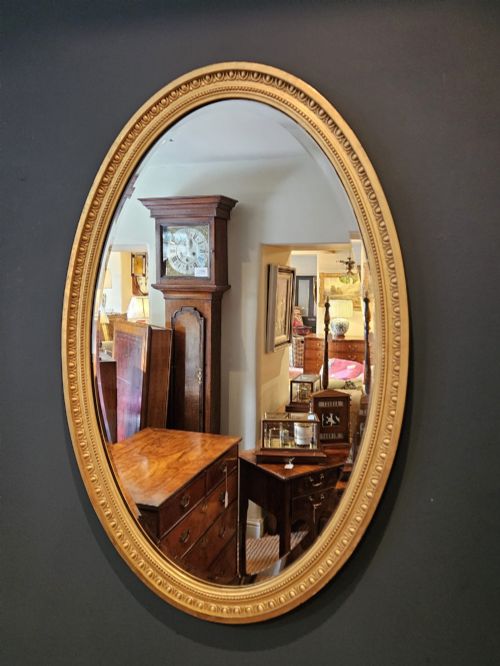
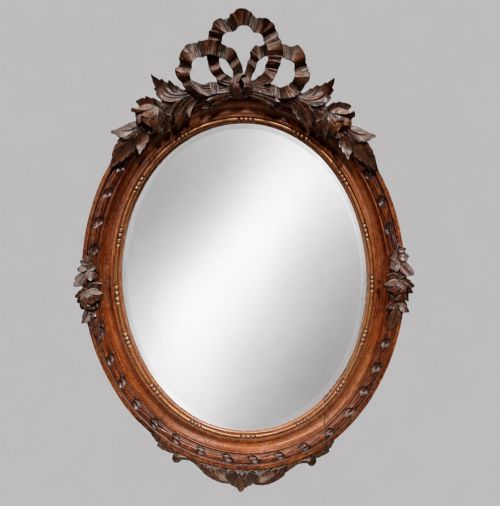
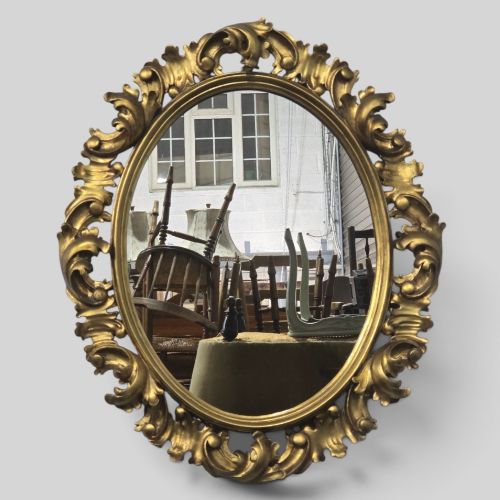
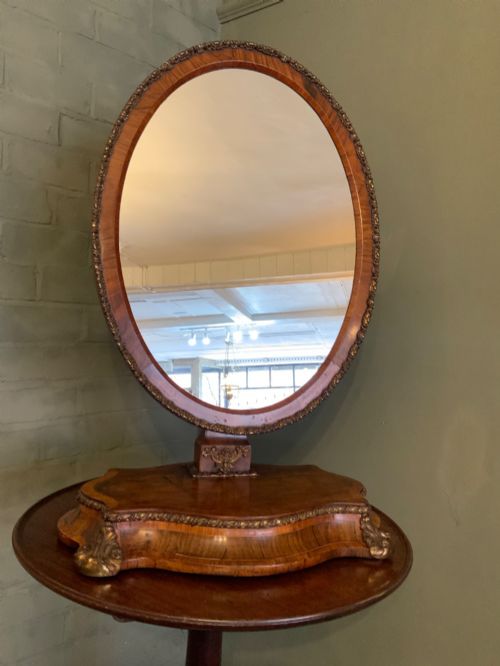
An antique style oval mirror serves primarily as a decorative wall hanging or a functional dressing table accessory. Buyers searching for an antique style oval mirror encounter forms ranging from compact Victorian toilet mirrors to large nineteenth century wall hangings framed in carved wood or moulded plaster.
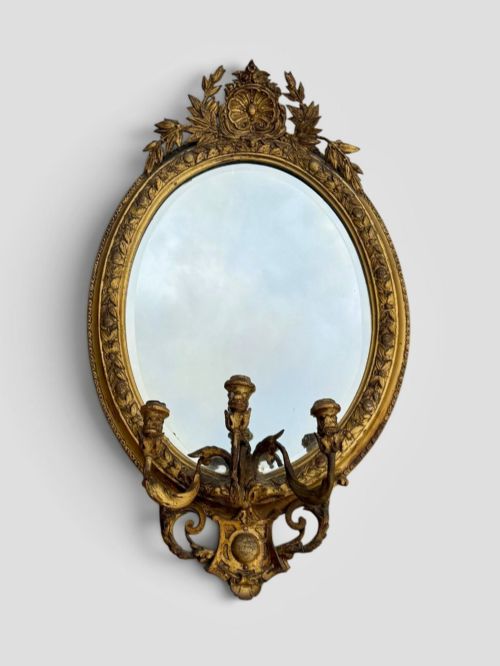
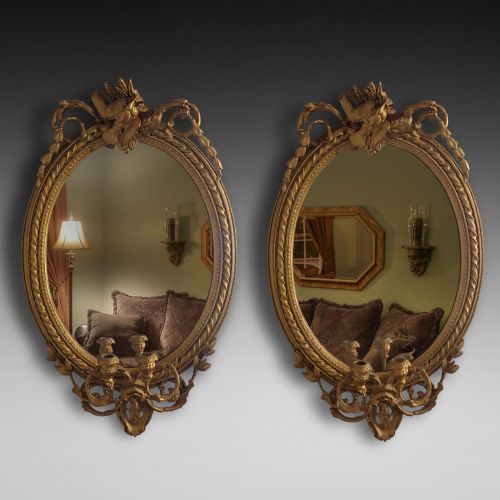
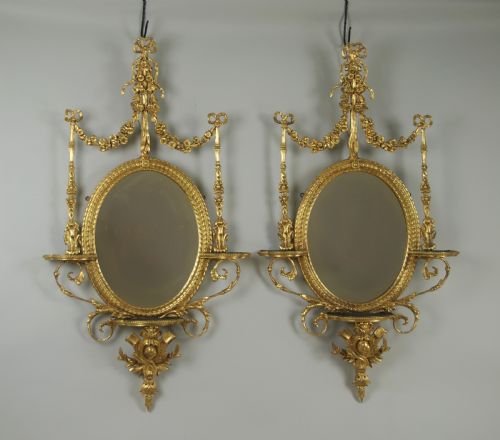
The selection includes pieces spanning the Victorian and Georgian eras alongside early twentieth century interpretations of Rococo and neoclassical styles. Wall mirrors dominate the options, though dressing table variants and girandoles featuring candle sconces also appear frequently.
Origins vary between domestic British workshops and continental European centres, particularly France. The forms adapt to diverse interior settings, functioning effectively above mantelpieces or atop mahogany and walnut dressing surfaces.
Materials and Construction Techniques
Makers built the structural frames from solid timbers such as mahogany, walnut, and various softwoods before applying decorative surface treatments. Carved giltwood and moulded gesso provide the ornate relief work seen on nineteenth century examples, often finished with gold leaf or metallic paint.
Glass plates rest within the rebate of the frame, occasionally secured by traditional wooden backing boards and glazier's points. Secondary materials like brass, copper, ormolu and gilt bronze appear in brackets, candle arms and decorative mounts.
Listings feature eighteenth and nineteenth century periods alongside early twentieth century revivals in walnut, mahogany, giltwood and copper.
Distinctions in Quality and Craftsmanship
The depth and crispness of the carved detail separate superior examples from routine production. Hand-carved wooden frames display undercut foliage and precise moulding, whereas lesser pieces rely on mass-produced plaster or composition ornament that softens over time.
The quality of the gilding and the preservation of the original mirror glass influence overall merit. Mercury silvering or early float glass exhibiting natural foxing and oxidation retains more character than modern replacement plates.
Liberty & Co
The Antique Style Oval Mirror Glossary
- Gesso
- A plaster-like mixture applied to wooden frames as a base for gilding or painting. It accepts deep moulding to create ornate surface relief.
- Girandole
- A decorative wall mirror featuring integrated candle sconces attached to the frame. The polished glass reflects the candlelight to brighten dark interiors.
- Giltwood
- Timber that has been coated with a thin layer of gold leaf. It offers a warm, reflective finish distinct from modern metallic paint.
- Ormolu
- Gilded bronze applied as decorative mounts or fittings. It provides metallic contrast against dark woods and gilt frames.
- Trifoil
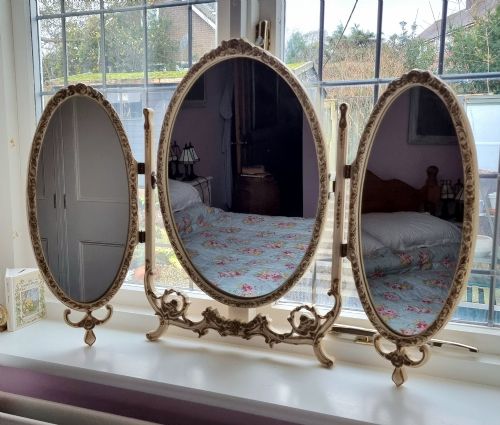
- A mirror assembly divided into three distinct panels, commonly found on dressing tables. The side plates adjust to provide angled reflections.
Antique Style Oval Mirror: Frequently Asked Questions
How do I hang a heavy antique oval mirror?
Heavy wall mirrors require secure fixings into structural brickwork or timber studs rather than simple plasterboard anchors. Use professional mirror plates or weight-tested picture wire rated safely above the mass of the timber and glass.
Position the piece at eye level to ensure correct reflection angles and balanced visual weight within the room. Ensure the hanging hardware engages directly with the internal wooden chassis of the frame rather than loose decorative mouldings.
What is the difference between a toilet mirror and a wall mirror?
Toilet mirrors feature a dedicated stand or support frame designed to sit upon a dressing table or chest of drawers. Many include pivoting mechanisms allowing the glass to tilt.
Wall mirrors include integrated hanging loops or brackets fixed to the reverse for permanent wall mounting. Their frames often lack the supporting bracket feet found on dressing table variants.
Can I replace the mirror glass?
Replacing original glass is generally discouraged by collectors because foxing, oxidation and subtle distortions contribute to historical authenticity. Preserving the original plate maintains the integrity of the piece.
If safety requires a replacement, select silvered glass that mirrors historical thickness and bevel standards. Retain the original backing boards where possible to protect the inner rebate.