

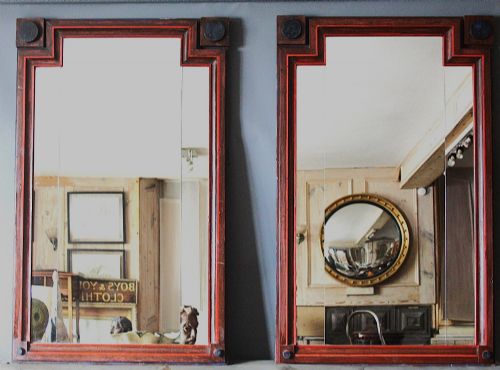


Painted Wood Frame Mirror
Choosing a painted wood frame mirror brings historical character and decorative depth to an interior through centuries of European craftsmanship.
Painted Wood Frame Mirror
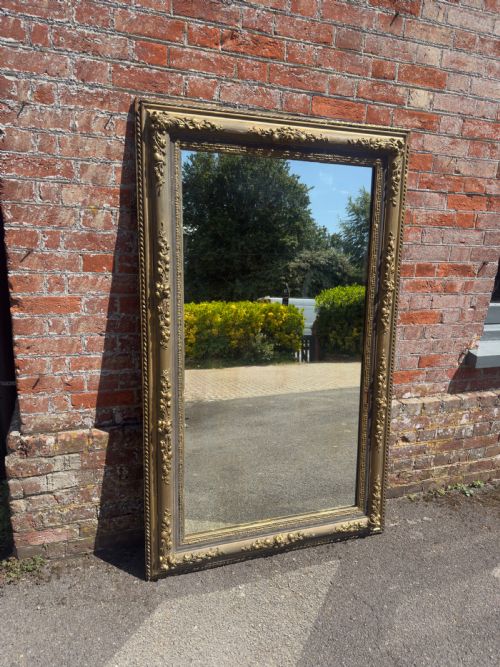
A painted wood frame mirror combines reflective glass with decorative wooden surrounds finished in pigment, oil paint, or metallic leaf. These pieces serve functional and ornamental roles across domestic interiors, functioning as wall-hung accents, overmantels, and architectural pier glasses.
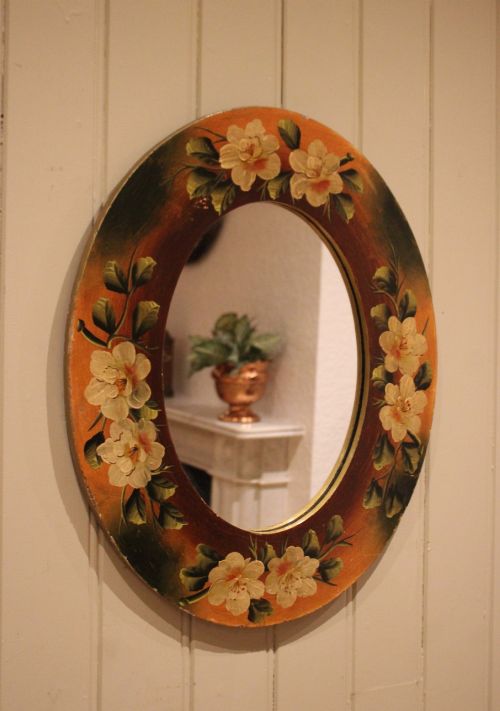
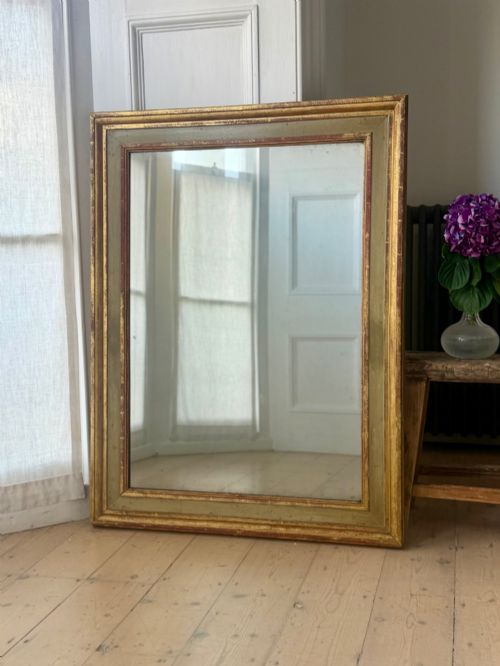
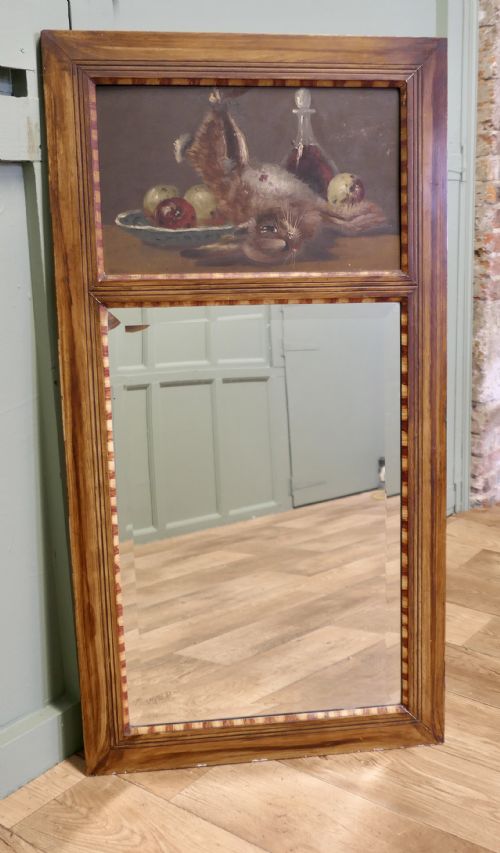
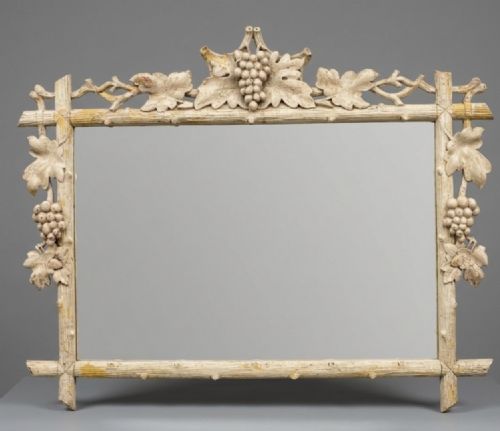
The selections span the seventeenth, eighteenth, nineteenth, and early twentieth centuries, drawing heavily on French and English domestic traditions. Buyers encounter varied formats including rectangular trumeaux, oval floral designs, arched overmantels, and rustic frames.
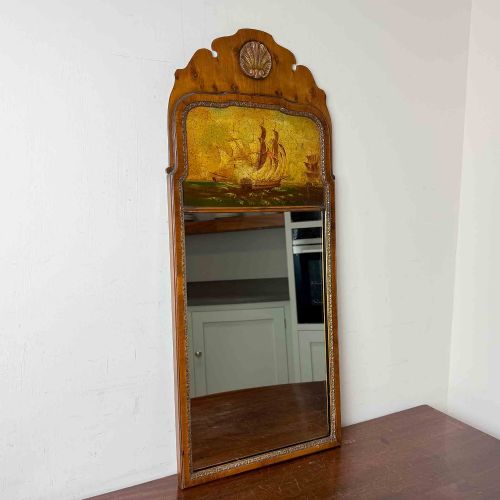
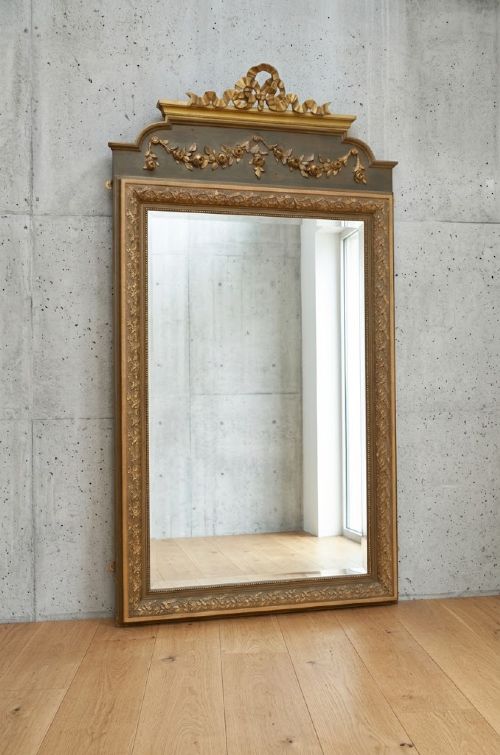
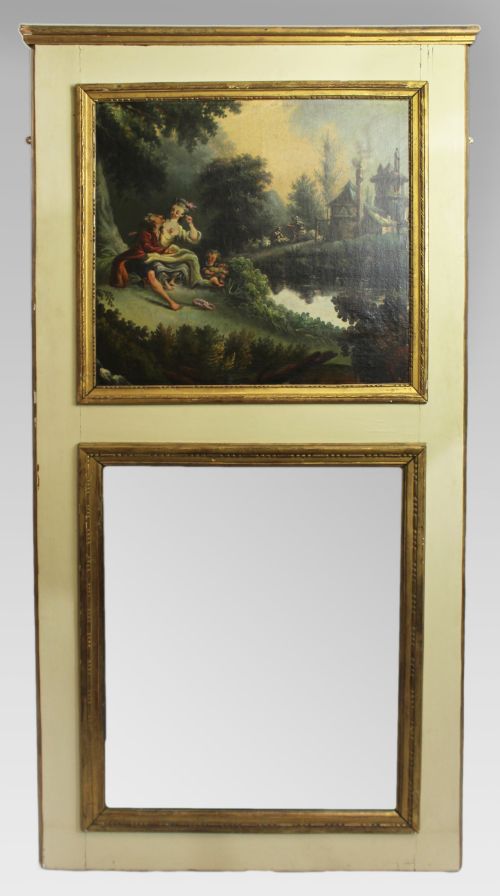
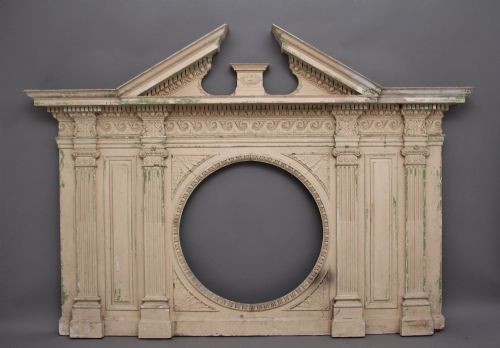
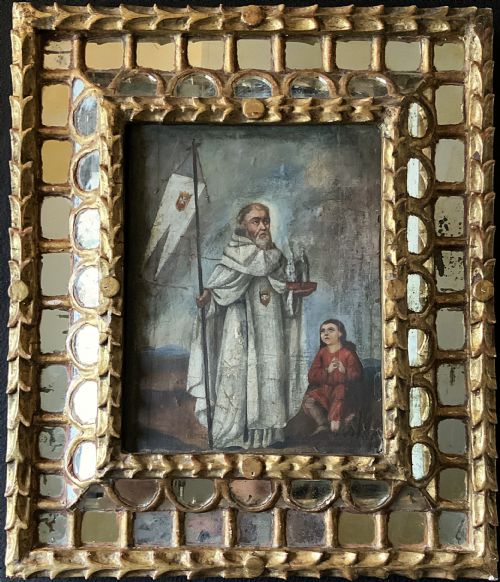
Continental pieces often feature pastoral oil paintings inset above the glass or elaborate ribbon crests. English examples frequently rely on architectural column framing, ribbed mouldings, and rope twist details.
How They Were Made
Frames are constructed from foundational timbers such as pine, yew, and mahogany, carved directly or built up with layers of gesso to receive intricate surface ornamentation. Gesso provides a smooth, chalk-based ground capable of holding crisp relief details like laurel leaves, beads, and scrolling acanthus motifs.
Finishes involve oil paint, distemper, or lacquer applied over the wooden base, frequently combined with partial gilding using gold leaf. Early mirror plates consist of mercury glass or hand-silvered sheets held within the rebate by wooden backing boards.
One unexpected nineteenth-century piece combines household reflection with aquatic amusement by framing the glass inside a hand-carved maritime scene.
What Varies In Quality
The standard of a painted wood frame mirror rests upon the crispness of the hand-carving and the integrity of the underlying gesso moulding. Pieces retaining their original surface finish and undisturbed mercury glass command greater technical interest than later re-painted iterations.
Structural cohesion of the mitred joints and the depth of the rebate determine the stability of heavy glass plates. Furthermore, the sophistication of secondary decorative elements, such as integrated oil paintings or hand-carved floral crests, dictates the overall refinement of the piece.
The Painted Wood Frame Mirror Glossary
- Trumeau
- A decorative wall mirror featuring an upper panel containing an oil painting, carving, or silkwork alongside the lower mirror plate. These architectural pieces originated in eighteenth-century France for placement between windows.
- Gesso
- A plaster mixture applied to wood frames to create a smooth surface for carving, painting, or gilding. This material allows artisans to achieve sharp relief details that timber alone cannot hold.
- Overmantel
- A large mirror designed specifically to hang above a fireplace mantelpiece. Their proportions are typically wider than they are tall to match the horizontal expanse of the hearth.
- Mercury glass
- A type of double-walled glass blown with a silvering mixture introduced through a pontil mark during the nineteenth century. It produces a mottled, dark reflectivity distinct from modern chemical silvering.
- Pier glass
- A tall, narrow mirror designed to hang on the wall space between two windows. They often stand above small console tables in formal reception rooms.
Painted Wood Frame Mirror: Frequently Asked Questions
How do I hang a heavy antique overmantel mirror safely?
Heavy antique overmantel mirrors require direct fixing into structural wall studs or masonry using appropriate heavy-duty brackets. The substantial weight of nineteenth-century wooden frames and glass demands professional installation to distribute the load evenly across the wall.
Ensure the hanging wire or integrated iron strap rings on the reverse are securely fastened to the primary timber frame rather than secondary backing boards. Checking the stability of the mitred joints before mounting prevents structural strain over time.
What is the difference between a trumeau and a standard wall mirror?
A trumeau incorporates a distinct decorative panel, often containing an oil painting or carved relief, positioned directly above the glass plate. This architectural format was designed to fill specific wall spaces between windows or above mantelpieces in European interiors.
Standard wall mirrors focus entirely on the reflective surface surrounded by a continuous decorative frame. Trumeaux function as combined pieces of fine art and functional glass rather than simple looking-glasses.
How should I clean original painted and gilt frames?
Dust original painted and gilt surfaces gently with a dry, soft artist's brush or a clean microfiber cloth. Avoid applying liquid cleaners, moisture, or chemical solvents, which can lift fragile gesso, historical paint layers, or gold leaf.
Preserving the dry surface patina protects the underlying historical materials from degradation. Regular, gentle dusting prevents particulate buildup without risking abrasion to the antique finish.
How can I tell if a mirror plate is original to the frame?
Examine the edges of the glass for characteristic foxing, dark oxidation spots, and subtle waviness typical of older hand-poured or blown manufacturing methods. Original plates usually sit deep within the rebate and are secured by aged wooden backing boards fixed with period brads or screws.
Modern replacement glass often appears excessively clear, perfectly flat, and lacks the atmospheric distortion seen in nineteenth-century mercury or early silvered plates.