
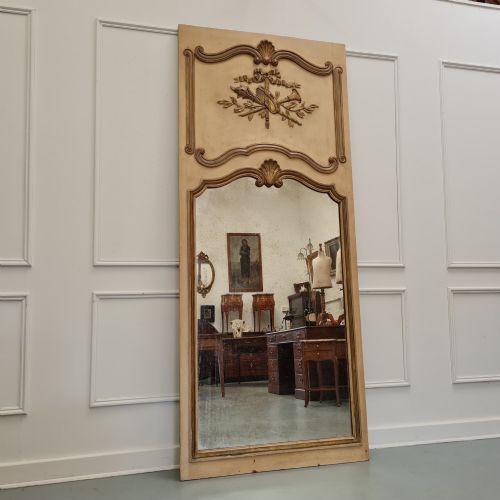


Painted Carved Wooden Mirror
A painted carved wooden mirror brings immediate warmth and historical character to a room, combining tactile relief with soft colour.
Painted Carved Wooden Mirror
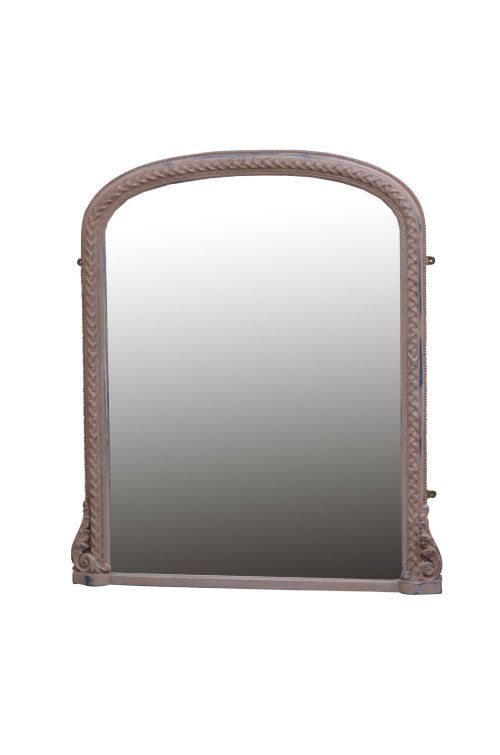
When you search for a painted carved wooden mirror, you encounter pieces originating primarily from the nineteenth and early twentieth centuries, including Victorian, Edwardian, and French regional styles.
The selection ranges from large architectural overmantel mirrors and wall mirrors to trumeau panels and pier glasses, reflecting domestic settings of the past.
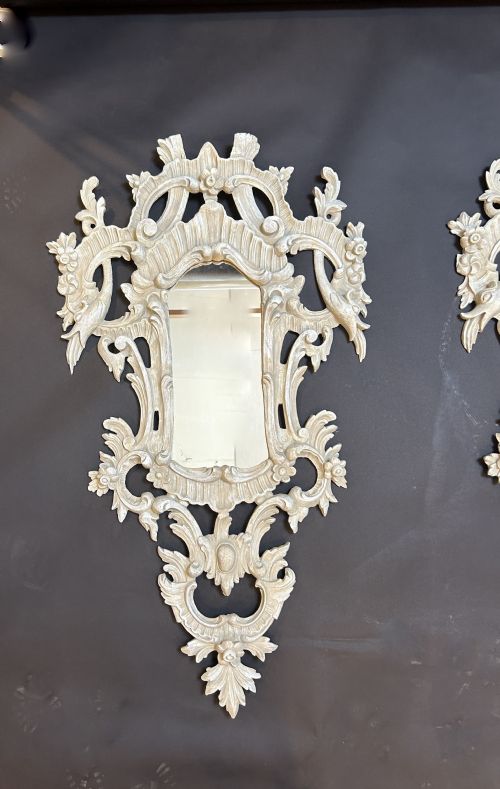
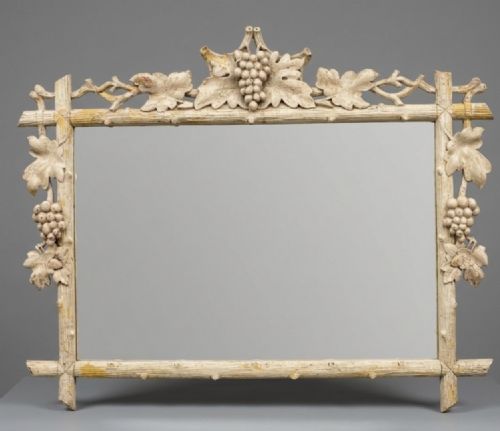
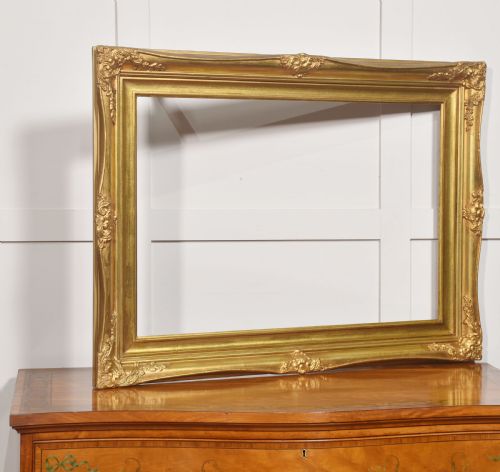
Many examples display layered paint, gesso, or giltwood surfaces applied over carved wood frames, often with original mirror glass retained.
How they were made
Craftsmen shaped solid timber frames using traditional carving techniques, applying relief work such as scrolls, foliage, and architectural moulding directly to the wood.
Subsequent finishing involved coating the carved wooden structures with layers of gesso, paint, and sometimes gold leaf or hand-applied pigment palettes.
Mirror glass was then fitted into the prepared wooden and gesso housings, securing the reflective plate behind the decorative timber border.
Listings feature pieces spanning the eighteenth to the early twentieth century, incorporating French Provincial, Edwardian, and Victorian styles.
What varies in quality
The depth and intricacy of the hand carving distinguish finer examples, where crisp detail in the wooden ornamentation elevates the piece beyond standard production.
The integrity and patina of the layered paint and gesso surfaces determine visual richness, reflecting how well the original finish has aged and survived.
The presence of original mirror glass and structurally sound wooden joints maintains the historical authenticity of the piece.
The Painted Carved Wooden Mirror Glossary
- Gesso
- A plaster-like mixture applied to wood frames to provide a smooth base for painting or gilding. It allows for crisp decorative moulding.
- Trumeau
- A decorative wall mirror or panel featuring a painted or carved scene above the glass plate. These often originated in eighteenth and nineteenth-century French interiors.
- Overmantel mirror
- A large mirror designed to hang specifically above a fireplace mantelpiece. They frequently incorporate arched or shaped tops.
- Pier glass
- A tall, narrow mirror designed to hang on the wall between windows or above a console table. They maximise light in period rooms.
- Giltwood
- Wood that has been coated with thin sheets of gold leaf over a gesso preparation. It produces a luminous metallic finish.
Painted Carved Wooden Mirror: Frequently Asked Questions
Where should I hang a painted carved wooden mirror?
These mirrors suit chimney breasts as overmantels or principal walls in reception rooms where their scale can be fully appreciated.
Their decorative frames also function well above side tables or in hallways to reflect natural light.
How do I care for antique painted wood?
Dust the carved wooden frame gently with a dry, soft brush to protect the aged paint and gesso surface from moisture.
Avoid chemical cleaning products that might lift or discolour the historical layers of pigment.
Are the mirror plates original?
Many nineteenth and early twentieth-century examples retain their original mirror glass, which often exhibits characteristic foxing and soft oxidation.
This gentle ageing of the reflective surface confirms the period authenticity of the piece.
What styles are available?
The selection includes French Chateau, Rococo Revival, Neoclassical, and rustic nineteenth-century English designs.
Finishes range from subtle layered palettes to traditional gilt and white painted surfaces.