




Antique Style Oil Painting
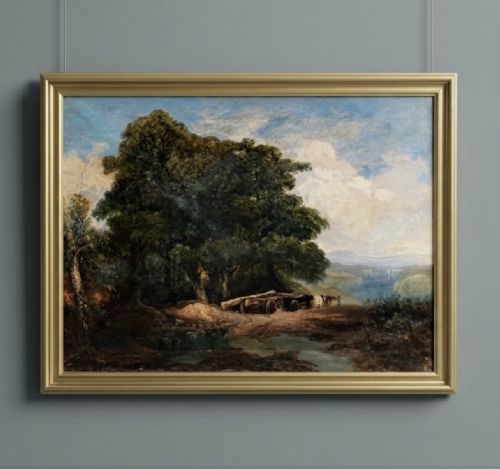
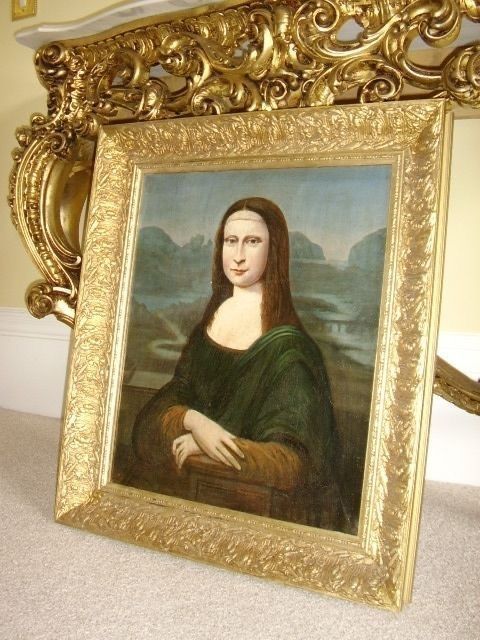
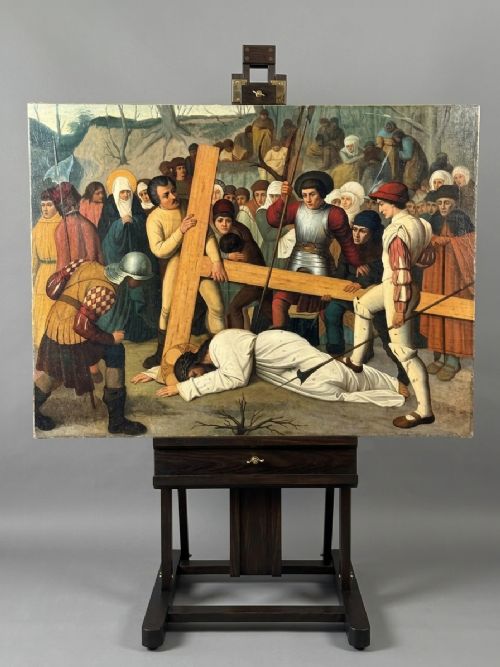
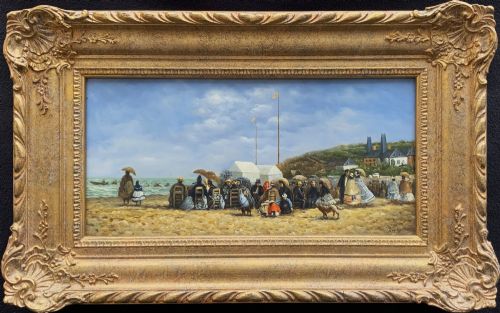
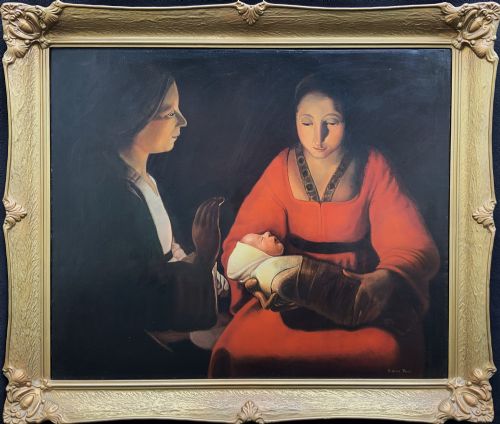
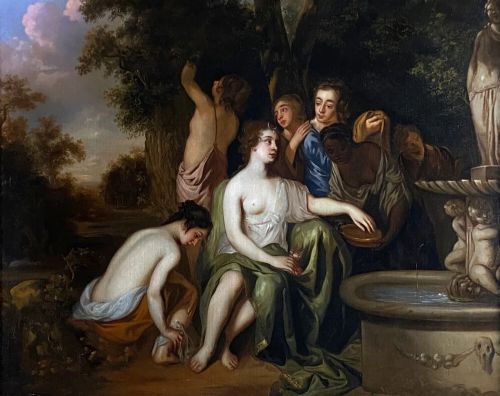
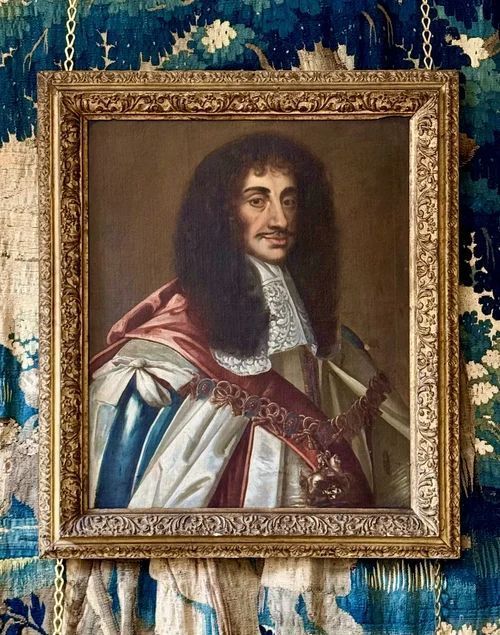
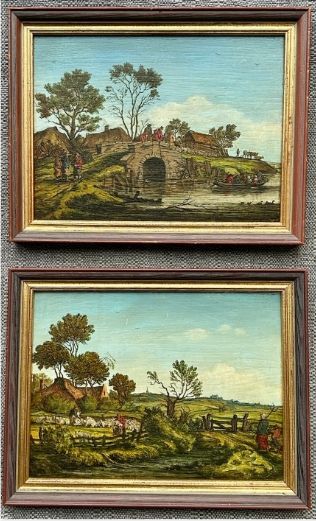
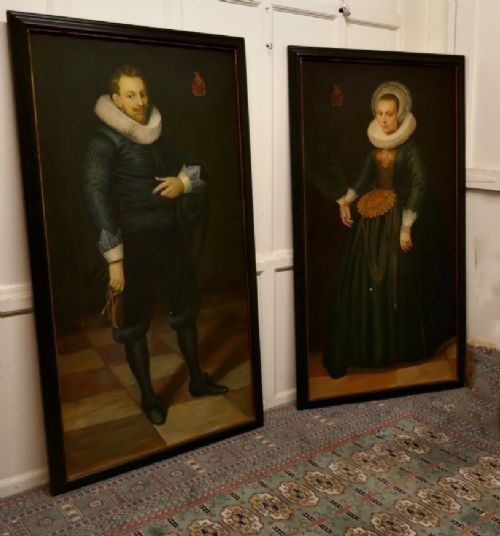
When searching for an antique style oil painting, you encounter canvases and panels echoing earlier centuries, offering the presence of historic portraiture, landscape, and still life.
Antique Style Oil Painting
An antique style oil painting encompasses works spanning from the seventeenth century through to mid-twentieth-century interpretations, including period originals and subsequent copies after old masters.
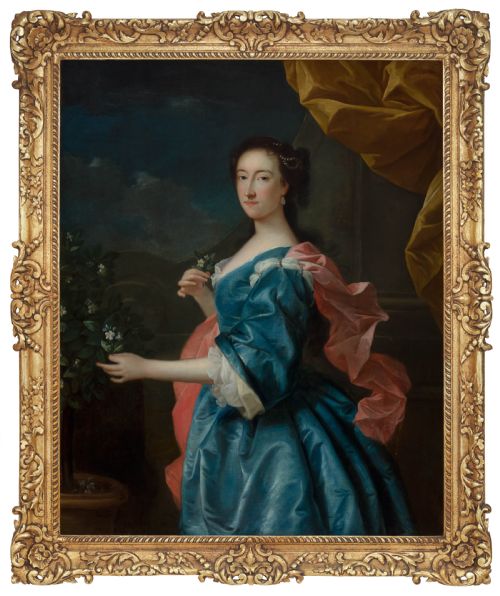
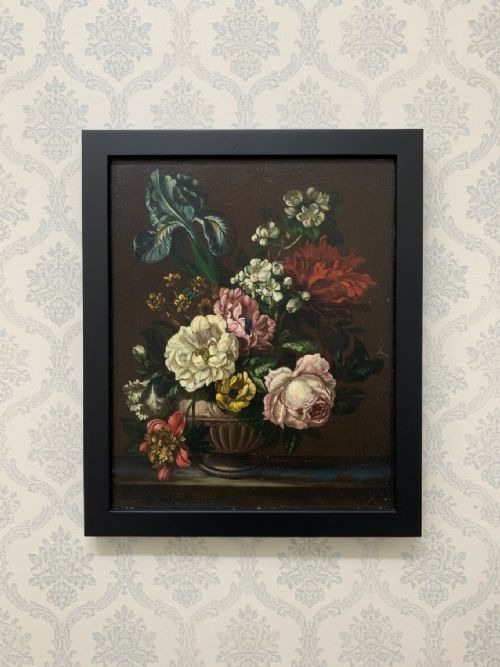
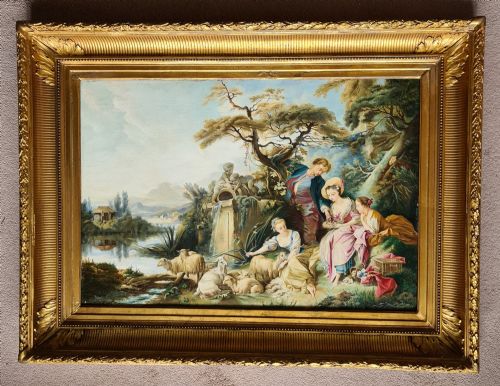
The selections on this page draw heavily on European traditions, featuring Dutch still lifes, Italian Renaissance revivals, and British portraits set within heavy wood or gilt frames.
Buyers meet both original period compositions and later interpretations created in the manner of historical schools, ranging from intimate wooden panels to monumental canvases.
Materials and technique
Pigments bound in oil are applied to stretched canvas, prepared wooden panels, or board supports, often recording visible brushwork and craquelure developed over time.
Frames play a structural and aesthetic role, frequently constructed from carved wood, giltwood, and gold leaf, occasionally formed as swept or ornate architectural surrounds.
A monumental seven-foot Dutch style floral still life once hung in Hassop Hall.
Assessing the execution
Quality rests in the handling of light, shadow, and anatomy by the painter, distinguishing confident brushwork from rigid or mechanical reproduction.
The integrity and preservation of the ground support, alongside the compatibility and age of the accompanying frame, dictate the overall standard of the surviving piece.
James Hardy·Richard Sebastian Bond·Jozef Jansessens·Georges de La Tour·Sir Anthony van Dyck·Sir Peter Lely·John Hayls·Jeremiah Davison·Francois Boucher·Francisco Goya·Jean-baptiste Greuze·Sir Joshua Reynolds·J. M. W. Turner·Samuel De Wilde·Charles D'Agar·Bartholomeus van der Helst·Gian Paolo Pace·Sir Thomas Lawrence·Henry Raeburn·Jean-Baptiste Monnoyer·Atkinson Grimshaw
The Antique Style Oil Painting Glossary
- Canvas
- A closely woven fabric stretched across a wooden frame to act as the primary support for oil paint. It provides a flexible and textured surface that responds to the tension of its stretcher bars.
- Giltwood
- Timber that has been coated with a thin layer of gold leaf or gold paint for decorative effect. This finish appears frequently on historical frames designed to catch candlelight.
- Panel
- A flat piece of wood used as a rigid foundation for painting instead of fabric. Panels often indicate earlier periods or specific regional traditions such as the Dutch school.
- Manner
- A term used in attribution to indicate that a work is executed in the style and technique of a specific master without being a direct copy. It reflects the broader artistic influence of a particular workshop or movement.
- Craquelure
- The fine network of microscopic cracks that forms across the surface of aged oil paint and varnish over decades. This natural physical change serves as an indicator of age in historical works.
Antique Style Oil Painting: Frequently Asked Questions
What is an antique style oil painting?
These works comprise both period artworks painted centuries ago and later paintings executed in historical European styles. They capture traditional subjects like portraiture, landscape, and still life.
Many pieces adopt the visual language of the Renaissance, Baroque, or Georgian eras. They are typically presented in decorative wooden or gilt frames appropriate to their aesthetic.
How do I identify the age of a painting?
Dating relies on examining the physical support, such as the weave of the canvas, the construction of the wooden panel, and the composition of the pigments. Pigment analysis and stretcher construction offer further clues.
Style, framing methods, and archival signatures also help establish when a piece was created. Natural ageing indicators like surface craquelure assist in verifying historical timelines.
How should I care for an oil painting?
Paintings require stable indoor environments away from direct sunlight, excessive heat sources, and rapid humidity fluctuations. These measures protect the wood and canvas supports from warping.
Dusting should be performed gently with a dry, soft brush, avoiding chemical cleaners or moisture. Professional conservators should handle structural repairs or varnish cleaning.
What framing is typical for these works?
Frames often feature carved wood finished with gold leaf or giltwood, designed to complement the period of the artwork. Swept frames with ornate moulded decoration are particularly common.
Some pieces retain original antique frames, while others are paired with later surrounds that match the historical aesthetic. The frame often contributes significantly to the overall presence of the piece.