


Original Artwork on Board
When you search for original artwork on board, you find paintings executed directly onto rigid supports spanning from the nineteenth century through the mid-twentieth century.
Original Artwork on Board
Original artwork on board encompasses oil paintings created on rigid supports such as wood panels, wooden boards, and various prepared boards across multiple decades. Buyers encounter works stretching from Victorian and Edwardian periods through to mid-century modern and post-war British movements.
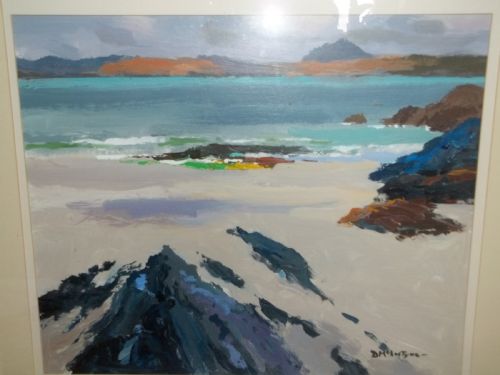
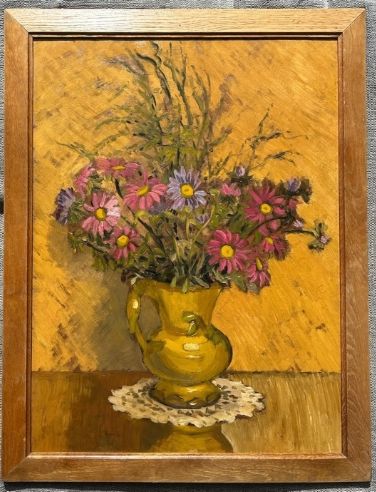
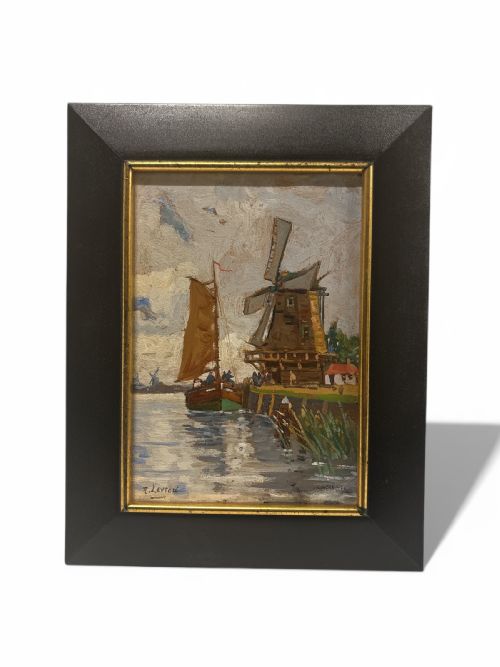
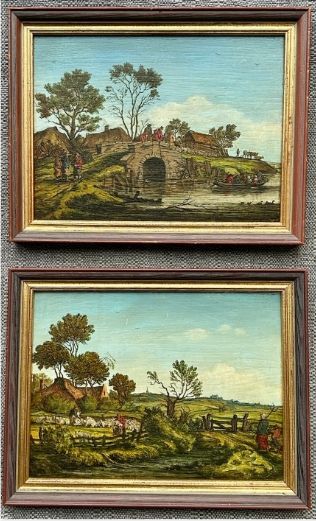
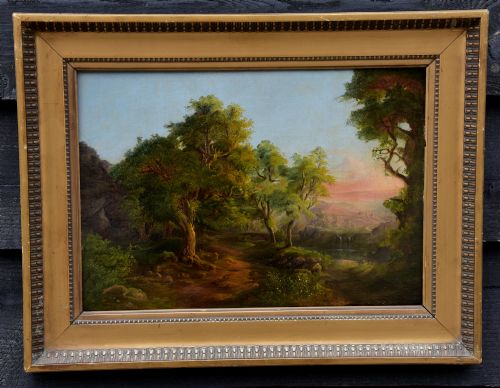
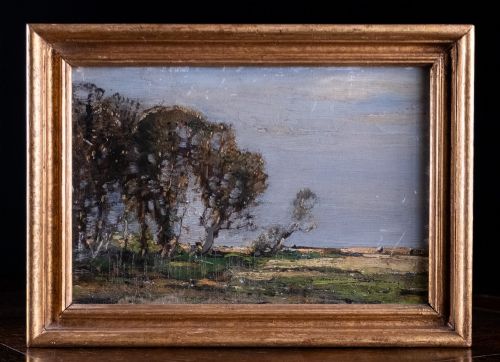
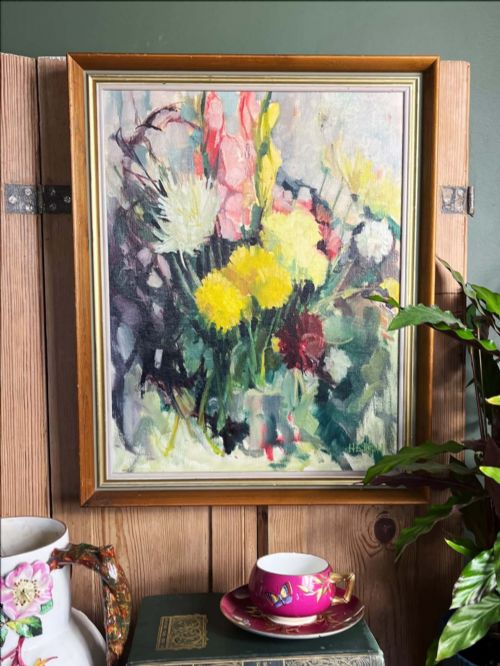
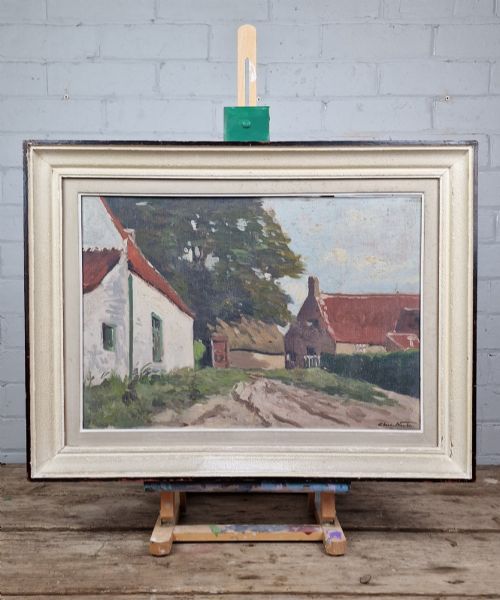
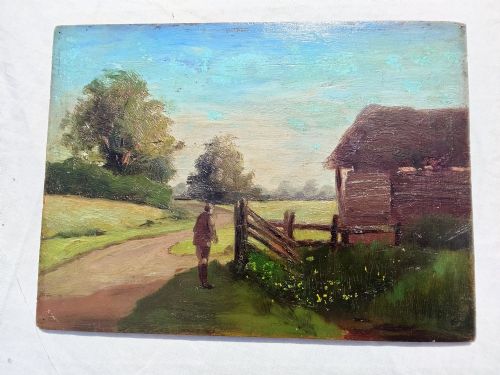
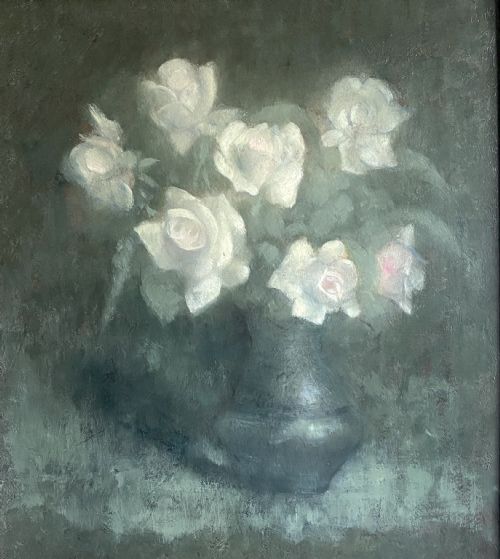
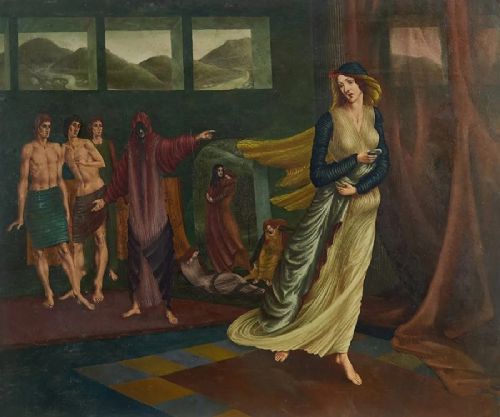
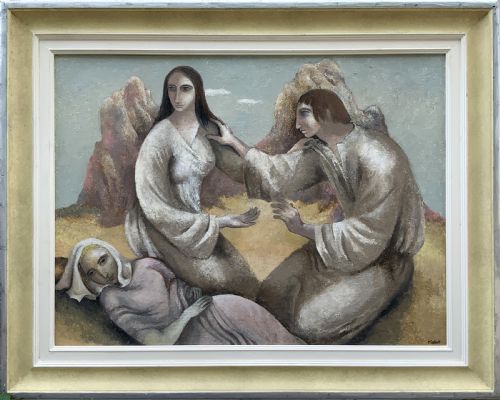
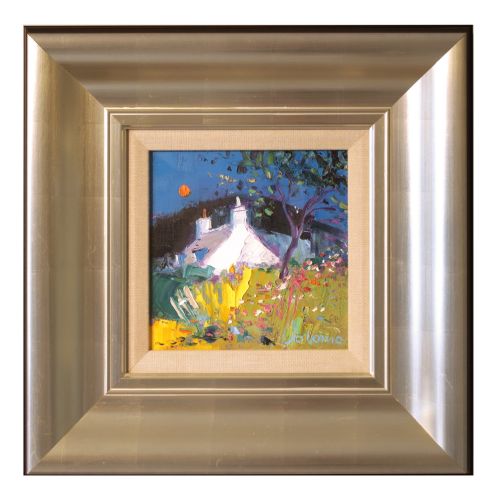
The selections range widely in subject matter, featuring traditional landscapes, maritime scenes, townscapes, floral still lifes, and portraiture. Mid-century examples frequently display Impressionist, Post-Impressionist, and modernist influences executed with oils and impasto techniques.
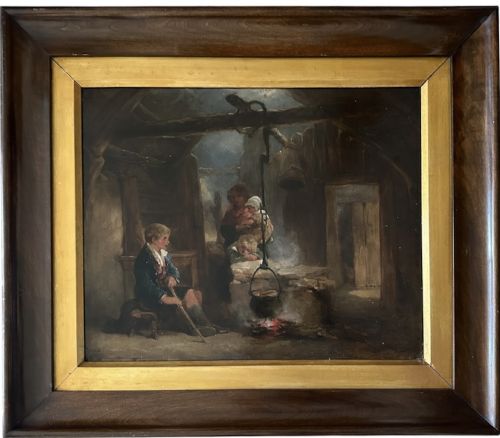
Many pieces originate from British and European schools, capturing regional coastal views, farmyards, and city streets. The rigid foundation provides stability for the pigment, preserving the brushwork of both named artists and regional painters.
Materials and construction methods
Artists apply oil paint directly onto prepared wooden panels, boards, or canvas laid down onto board to create these works. The dense support allows for heavier application of pigment and textured impasto work without the flex associated with stretched fabric.
Gilt frames frequently accompany these paintings, providing historical context and protecting the edges of the wooden panel or board. The combination of oil medium and rigid substrate ensures lasting adherence of the paint layers over generations.
Listings feature works spanning the nineteenth century through the 1960s, executed in oil paint on wooden boards and panels.
Distinctions in quality and execution
Skill in handling the oil medium and capturing light defines the upper tier of these works, visible in confident brushwork and tonal harmony. Strong compositions in landscapes and portraits separate masterly execution from routine studio production.
The clarity of provenance and documentation regarding the artist elevate certain pieces, alongside the preservation of the original surface and framing. Subtle details in impasto application and colour depth distinguish the most accomplished paintings.
Kenneth Cozens·Kershaw Schofield·Charles Houben·Donald McIntyre·Stuart Walton·Lilian Colbourn·Alexander Jamieson·David Orr Kerr·Joan Gillchrest·James Fry·Allan Douglas Davidson·Winifred Turner·Septimus Scott
The Original Artwork on Board Glossary
- Board
- A rigid flat support used by painters instead of stretched canvas. It provides a firm foundation for oil paint and impasto application.
- Impasto
- Paint applied thickly to a surface, standing out in relief from the board. This technique emphasises the physical gesture of the brush.
- Provenance
- The documented history of ownership of a work of art. It establishes authenticity and traces the chain of custody from the artist's studio.
- Panel
- A flat piece of wood used as a painting support. Wooden panels were common in nineteenth-century works before manufactured boards became widespread.
- Still life
- A painting featuring inanimate subject matter, typically commonplace objects such as flowers in a vase. These compositions focus on arrangement, light, and colour harmony.
Original Artwork on Board: Frequently Asked Questions
What is an oil painting on board?
An oil painting on board is a work created with oil pigments upon a rigid wooden or manufactured support rather than stretched fabric.
This method offers a stable surface that has been utilised by artists across the nineteenth and twentieth centuries.
How do I identify the age of a panel painting?
Age is determined by examining the type of board material, the framing style, and the pigments used by the artist.
Stylistic markers such as Impressionist brushwork or mid-century modernist compositions also provide clues to the period of creation.
Should framed paintings be displayed in direct sunlight?
Direct sunlight can cause oil paints and wooden boards to dry out, fade, or warp over extended periods of time.
Hanging these artworks in stable indoor environments away from excessive heat preserves the integrity of the paint and support.
Are wooden boards better than canvas?
Wooden boards provide a completely rigid support that prevents the sagging and cracking sometimes found in aged canvas.
This rigidity allows artists to apply thick impasto layers of oil paint with confidence.