
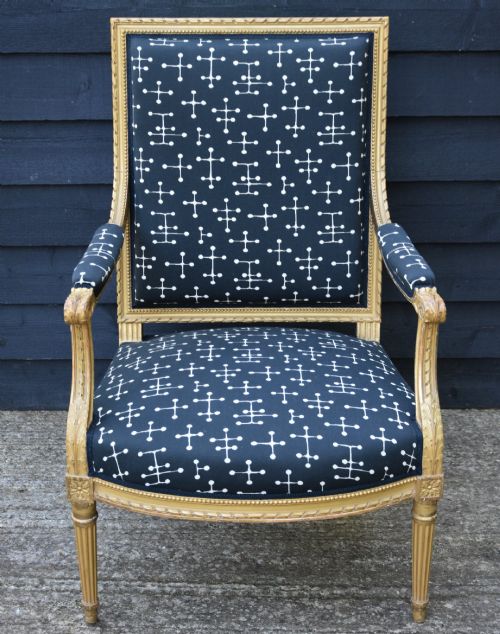
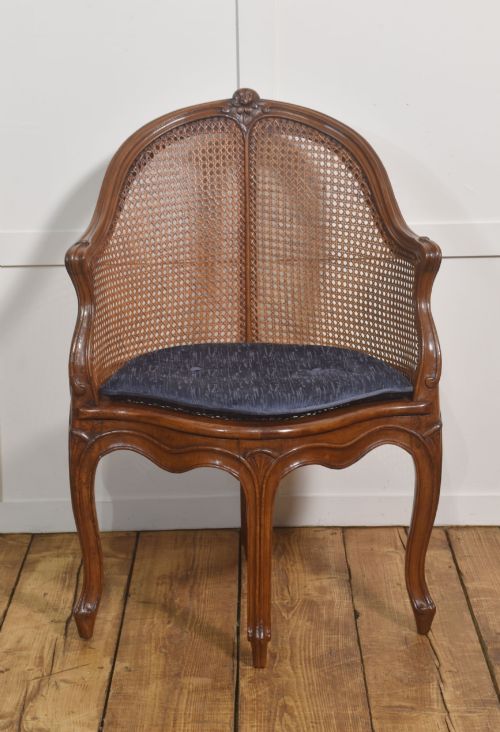
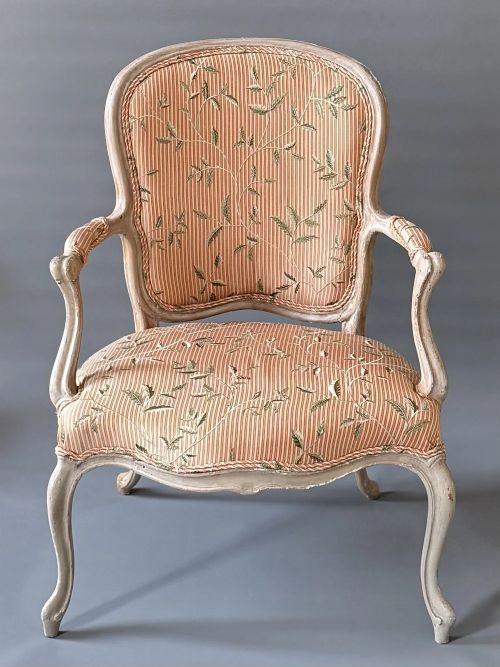
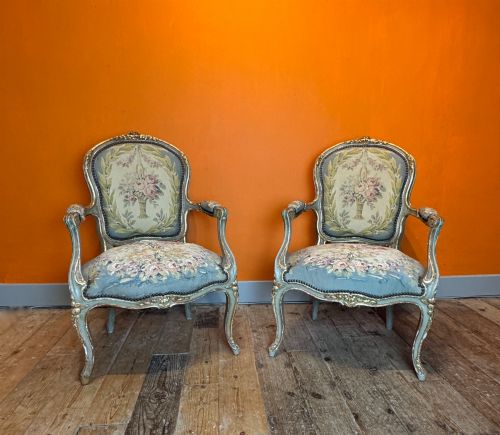
Antique Style Fauteuils
Antique style fauteuils bring open-armed, upholstered French seating into a room, offering period elegance and carved wooden frames.
Antique Style Fauteuils
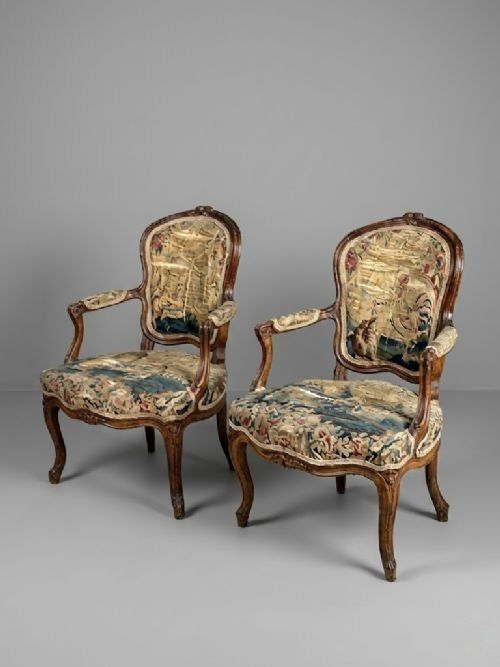
When buyers search for antique style fauteuils, they look for open-armed ceremonial and salon chairs originating primarily in French decorative traditions. The selection spans armchairs, salon chairs, and larger seating suites designed for formal rooms.
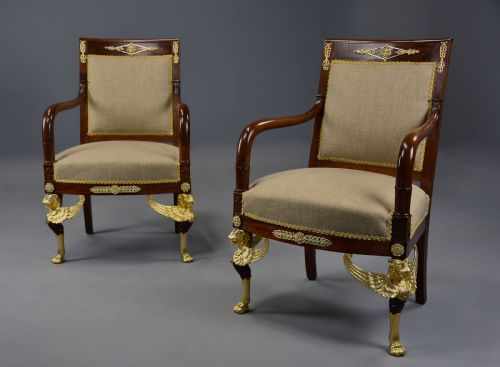
Most pieces met on this page date from the nineteenth century, including revivals of earlier monarchical periods, alongside originals from the eighteenth century. These chairs feature exposed wooden frames with upholstered seats and backrests intended for drawing rooms and reception spaces.
How they were made
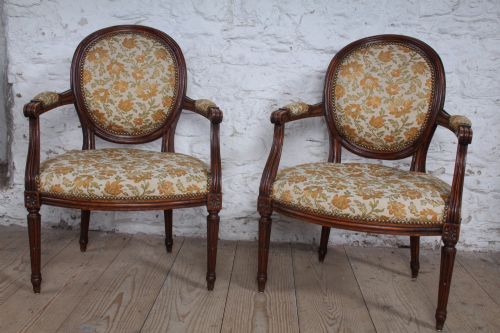
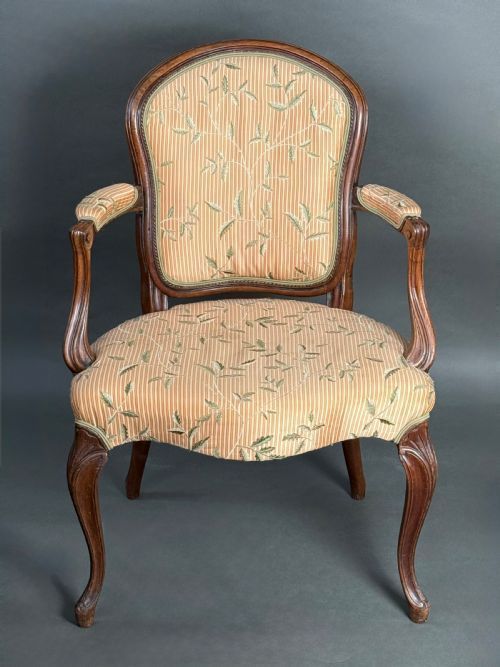
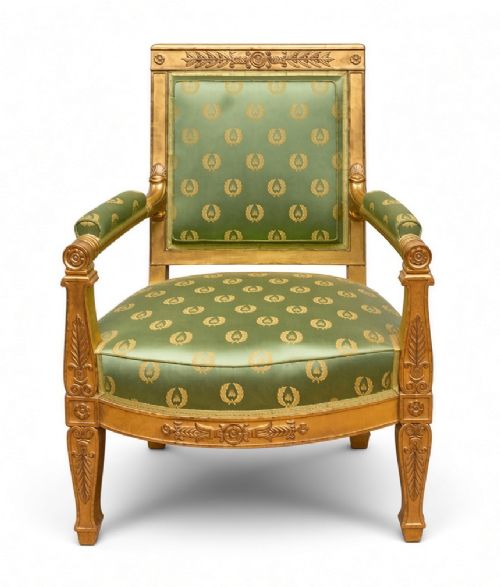
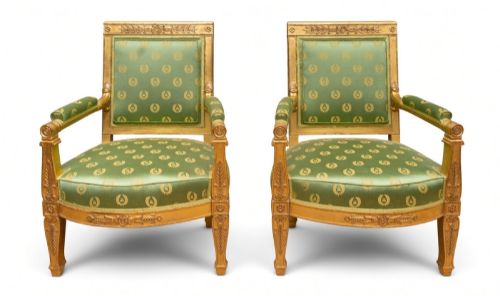
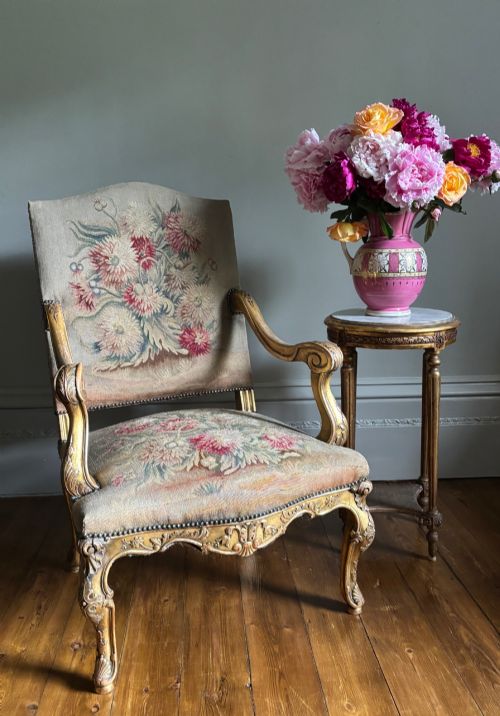
Carved wooden frames form the structure of these seats, utilising walnut, mahogany, beech, oak, and giltwood. Master joiners shaped these hardwoods to express the curves of rococo or the straight lines of neoclassical design.
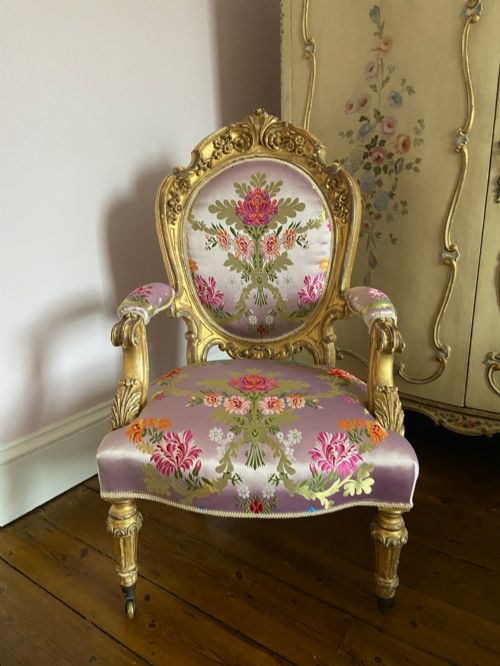
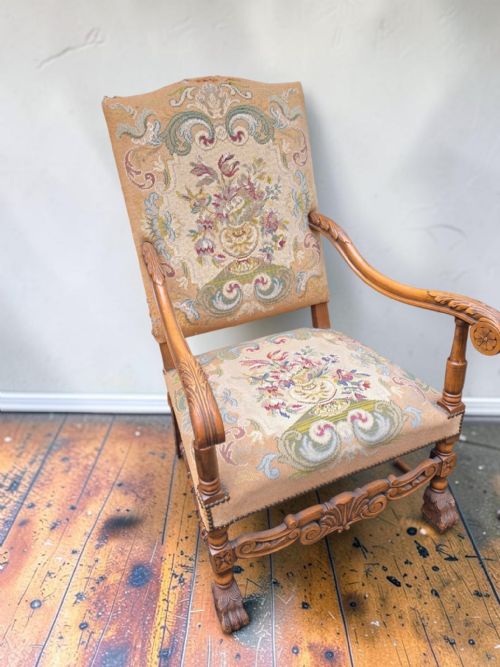
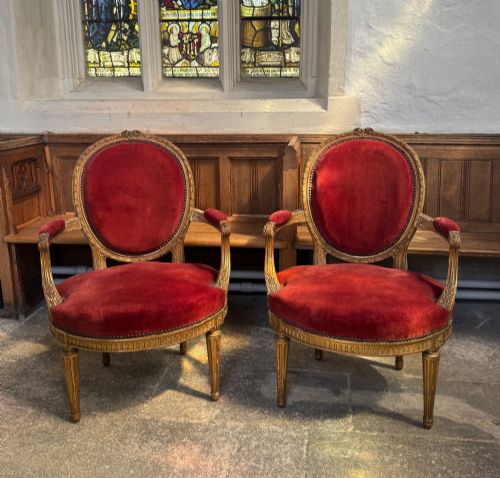
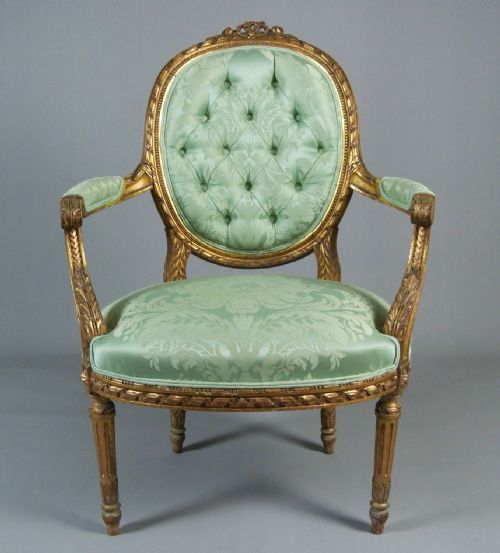
Upholstery relies on traditional textiles such as silk, velvet, tapestry, needlework, and cane work. Brass and gilt bronze mounts frequently accent the timber frames to enhance the decorative scheme.
What varies in quality
The precision of the wood carving distinguishes workshop output, separating crisp, deep hand-carved relief work from softer, mechanical execution. Frame stability depends upon the integrity of traditional joinery techniques used during construction.
The choice of original or period-appropriate upholstery textiles, such as hand-woven Aubusson tapestry or heavy silk, dictates the overall refinement of the piece. Provenance and documented cabinetmaker attribution elevate specific examples above standard production items.
Jacob Desmalter·Thomas Chippendale·Blaise Maucuy
The Antique Style Fauteuils Glossary
- Fauteuil
- An open-armed upholstered armchair originating in France during the seventeenth century. These seats feature exposed wooden frames and padded armrests.
- Giltwood
- Timber coated with gold leaf or a gold-coloured finish. This material reflects light to create a lavish appearance in formal interiors.
- Louis XV Style
- A design aesthetic characterised by asymmetrical curves, scrollwork, and organic motifs. It reflects the rococo taste popular during the mid-eighteenth century.
- Aubusson
- A style of tapestry woven in the French town of the same name. These textiles frequently appear as upholstery on formal period chairs.
- Restauration
- A French design period spanning the early nineteenth century. It bridges the gap between Empire styles and later Victorian revivals.
Antique Style Fauteuils: Frequently Asked Questions
What is a fauteuil?
A fauteuil is a traditional French upholstered armchair featuring open wooden arms. The design leaves the wooden sides exposed while providing padded comfort on the seat, back, and armrests.
These chairs served primarily in formal salons and reception rooms. Their construction allowed individuals to sit comfortably while wearing voluminous period clothing.
How do I identify Louis style chairs?
Louis XV style chairs display curved cabriole legs, asymmetrical scrollwork, and naturalistic floral carvings. They convey a lighter, more fluid aesthetic than earlier heavy furniture.
Louis XVI style chairs shift toward straight tapered legs, fluted columns, and geometric medallions. This neoclassical phase drew inspiration from classical Roman and Greek architecture.
Where were fauteuils used?
Fauteuils were placed in drawing rooms, salons, and bedchambers of grand residences and royal palaces. They functioned as permanent seating along walls or gathered around tables for conversation.
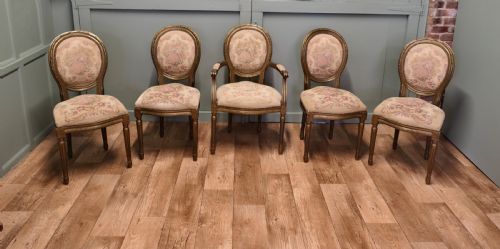
Matching sets and salon suites were arranged to accommodate guests during formal gatherings. Single armchairs often stood near desks or reading tables.
How do I care for antique upholstery?
Historic textiles such as silk, velvet, and tapestries require gentle vacuuming with a low suction attachment through a mesh screen. Keep these materials away from direct sunlight to prevent colour fading and fibre degradation.
Wooden frames benefit from occasional dusting with a dry cloth. Avoid applying modern liquid polishes that might damage historic finishes or giltwood surfaces.