

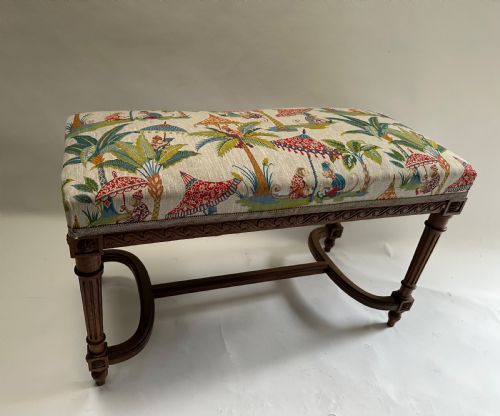
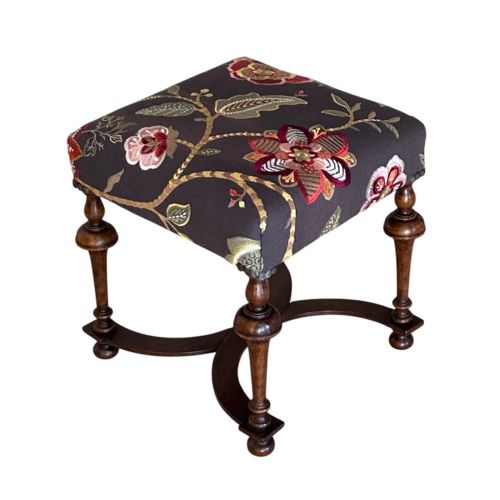
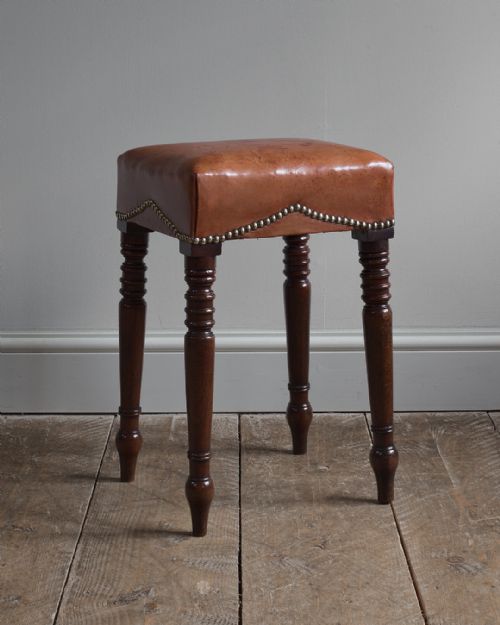
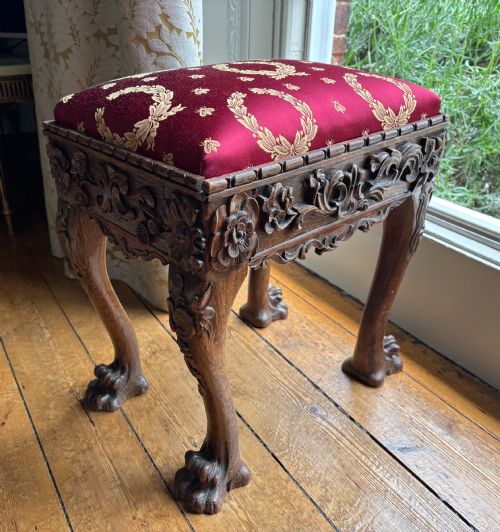

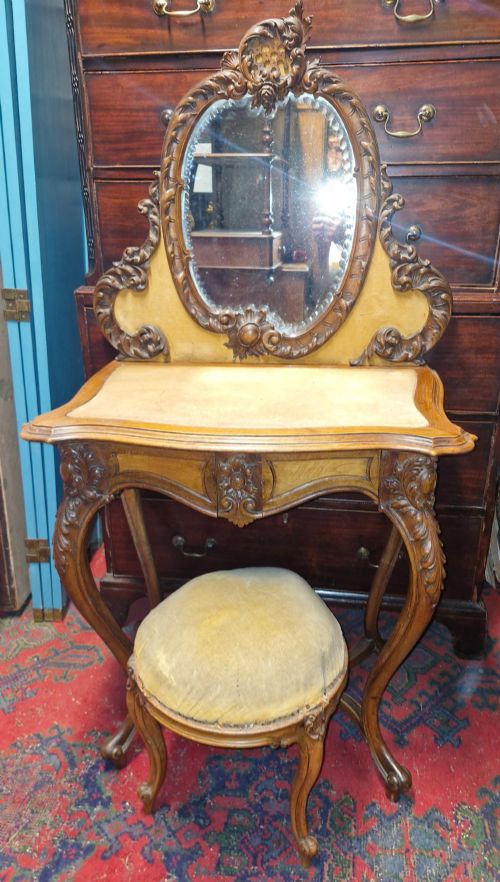
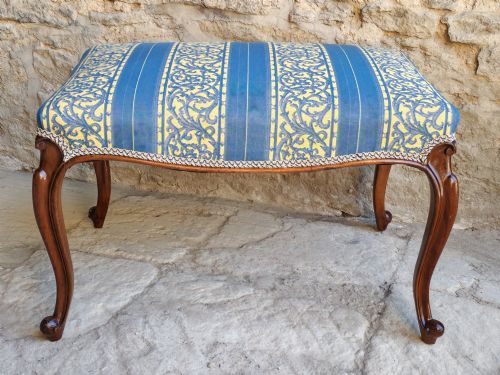
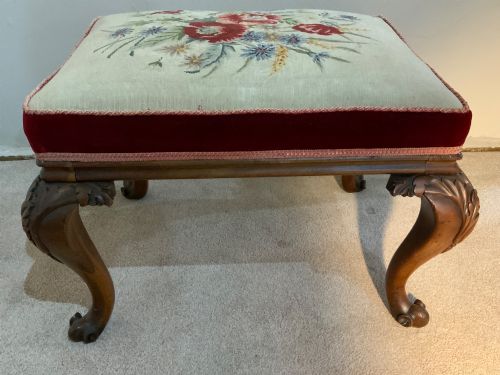
Antique Style Dressing Stool
An antique style dressing stool brings period character to a bedroom, offering low seating designed to accompany a dressing table.
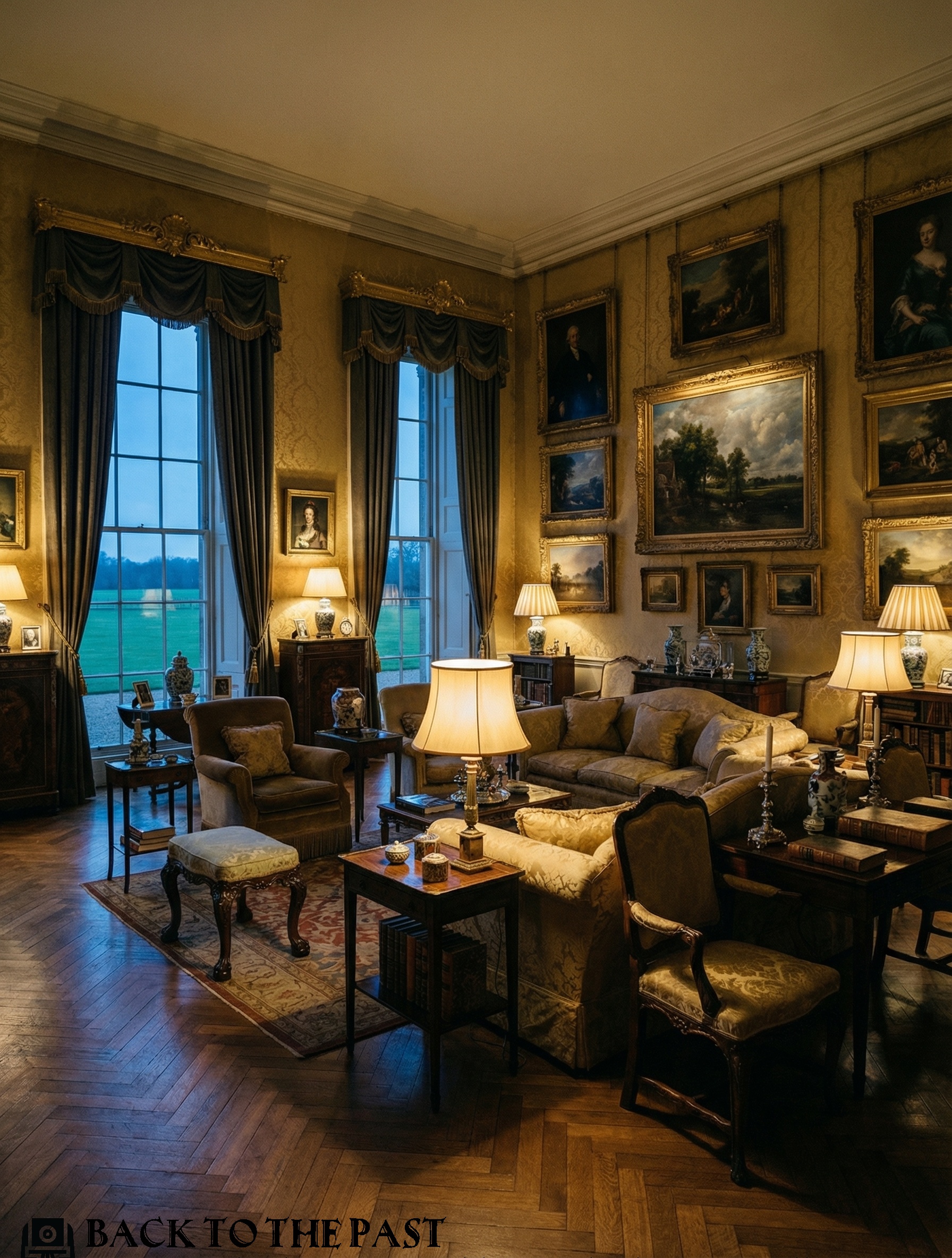
Antique Style Dressing Stool
When you search for an antique style dressing stool, you encounter low seats that match dressing tables, pianos, and vanity units. The pieces on this page stem mostly from the Victorian era, the Edwardian period, and the nineteenth century, though earlier revivals also appear.
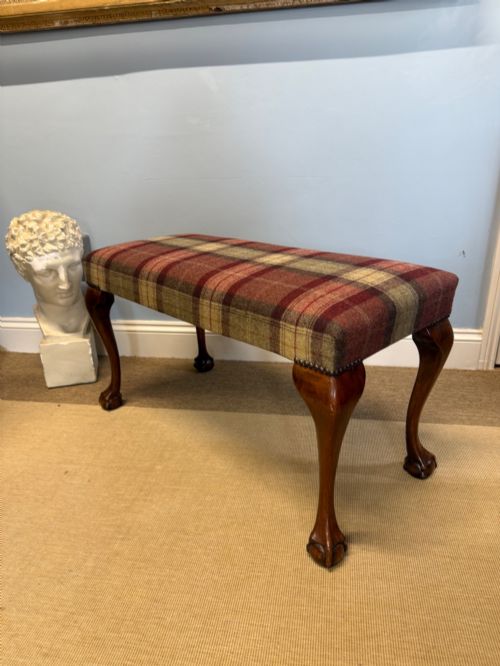
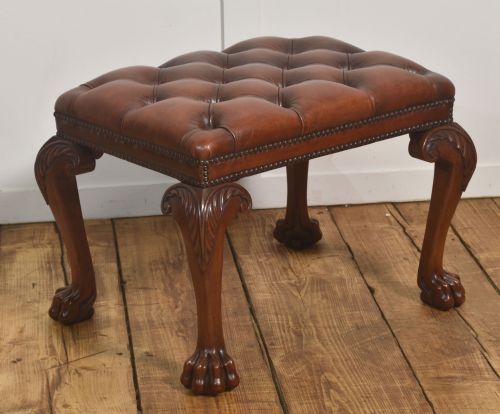
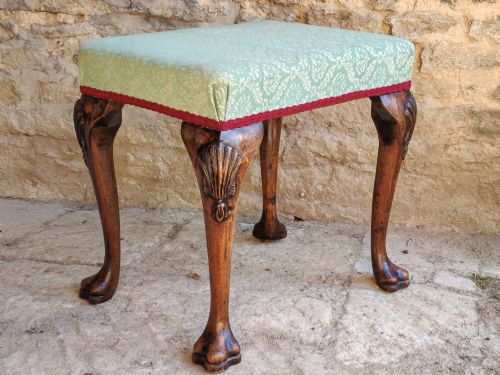
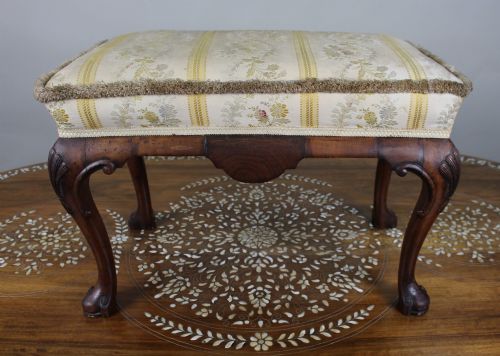
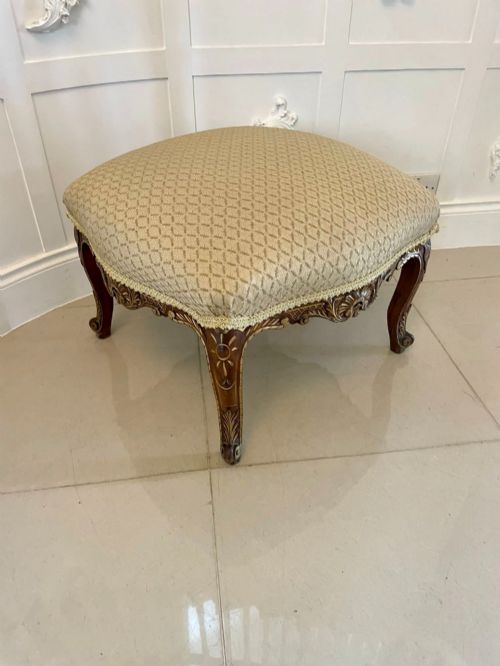
Most examples lean on traditional forms like the Queen Anne style with its characteristic cabriole legs, or adopt Georgian, Rococo, and Louis XV styling. Walnut and mahogany dominate the timber frames, supporting various upholstered tops ranging from plain textiles to needlepoint tapestry.
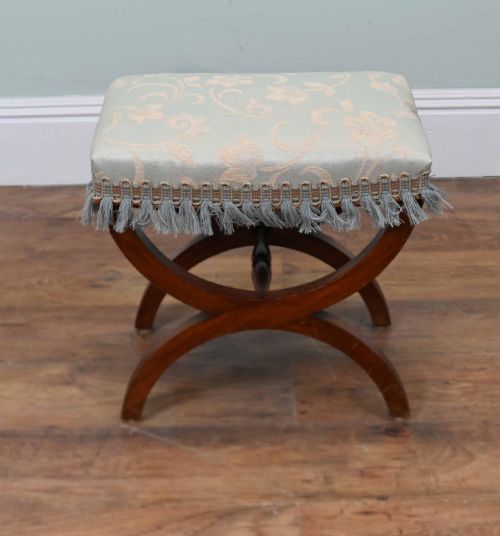
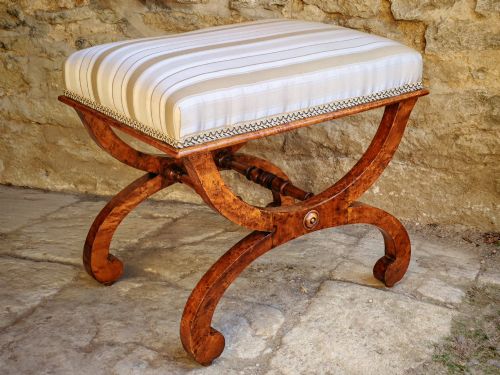
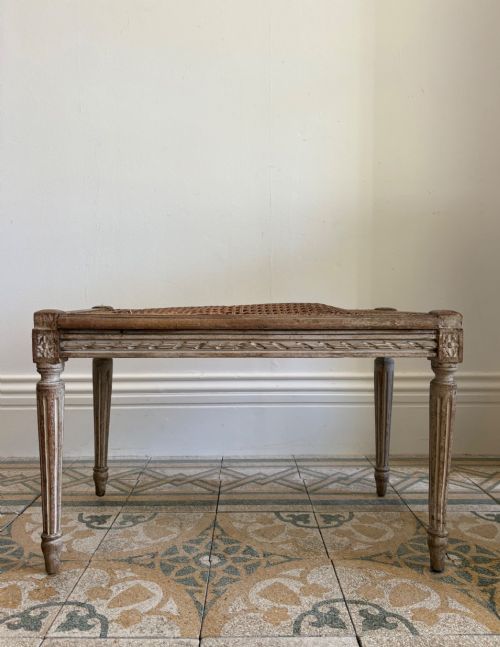
Beyond dedicated dressing tables, these small seats function as footstools, piano benches, and window seats. The forms vary from simple square frames with cross stretchers to elaborately carved oval shapes and X-frame designs.
How they were made
Cabinetmakers constructed the frames primarily from solid walnut and mahogany, occasionally employing beech, oak, or burr maple for specific regional or stylistic effects. Giltwood and painted finishes appear on Continental examples, often combined with carved decorative details.
Upholstery formed a central part of the construction, utilising materials like velvet, tapestry, needlework, and general fabric over padded foundations. Traditional joinery secured the legs to the seat rails, sometimes reinforced with cross stretchers for stability under daily use.
Antique Style Dressing Stool Retail Price Guide 2026
Typical asking prices for style dressing stool among the pieces listed under this phrase on Sellingantiques today, from the lower quarter to the upper quarter. They describe what is for sale here now, not the wider market.
Walnut and mahogany appear frequently across nineteenth-century listings, alongside revival styles from the Queen Anne, Georgian, and Louis XV periods.
What varies in quality
The standard of carving determines much of the distinction between ordinary and superior examples, particularly on cabriole legs and scrollwork where crisp detail shows the maker's hand. Timber selection also matters, as well-figured walnut or rich mahogany elevates the appearance of the frame.
Upholstery choices reflect original intentions, with hand-worked needlepoint tapestry representing a higher grade of finish than standard commercial fabric. The integrity of the frame construction and the subtlety of the proportions separate standard production items from finer decorative pieces.
LOIDRAULT FRERES PARIS
The Antique Style Dressing Stool Glossary
- Cabriole leg
- A furniture leg that curves outward at the knee and tapers inward toward the ankle, ending in a pad or claw foot. This form is common on Queen Anne and Georgian style seating.
- Cross stretcher
- Wooden rails connecting the legs near the base in an X or H formation. They provide structural rigidity and decorative interest to the lower half of the stool.
- Giltwood
- Timber coated with a thin layer of gold leaf or gilt paint. It is frequently seen on French and Continental revival pieces from the nineteenth century.
- Needlepoint
- A type of canvas work embroidery used for upholstery. It often depicts floral or pastoral scenes on dressing stools and footstools.
Antique Style Dressing Stool: Frequently Asked Questions
What is an antique style dressing stool?
It is a low, movable seat historically placed in front of a dressing table for grooming purposes. These pieces generally date from the nineteenth or early twentieth century and imitate earlier historical designs.
They share characteristics with piano stools and small footstools, offering compact seating that tucks neatly away beneath furniture surfaces.
How do I identify a Queen Anne style stool?
Look for characteristic cabriole legs that curve outward at the knee and inward at the foot, often terminating in pad feet. The overall aesthetic emphasises graceful, curved lines rather than straight geometric edges.
These pieces frequently feature walnut frames and date from revival periods around the late nineteenth and early twentieth centuries, as well as the original eighteenth-century era.
Were these stools used only for dressing tables?
While primarily designed for vanity use, makers and owners utilised them as piano benches, footstools, and window seats. Their modest height and movable nature made them versatile additions to Victorian and Edwardian parlours and bedrooms.
Many listings reflect this multi-use history by categorizing the same form across dressing tables, footstools, and benches.
What woods were commonly used for frames?
Walnut and mahogany represent the predominant timbers found in these frames, offering durable structures with rich grain patterns. Cabinetmakers also utilised beech, oak, and occasionally burr maple depending on the specific regional style.
Some Continental pieces feature painted or giltwood surfaces over the underlying timber to achieve a decorative French aesthetic.