
Antique Style Couch
An antique style couch brings history and grand proportions into a room, offering deep seating paired with traditional woodwork.

Antique Style Couch
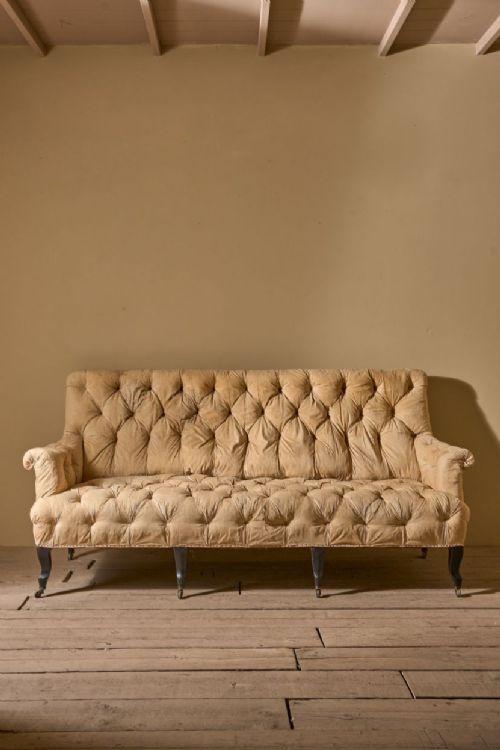
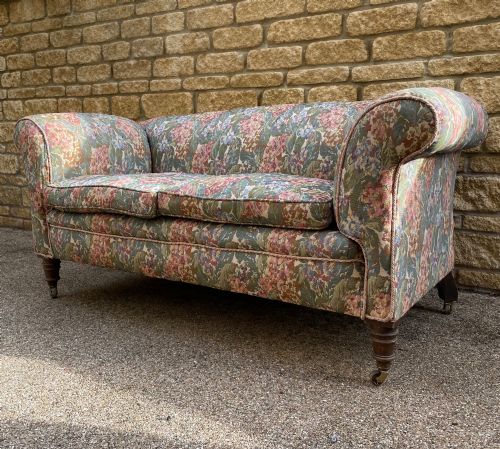
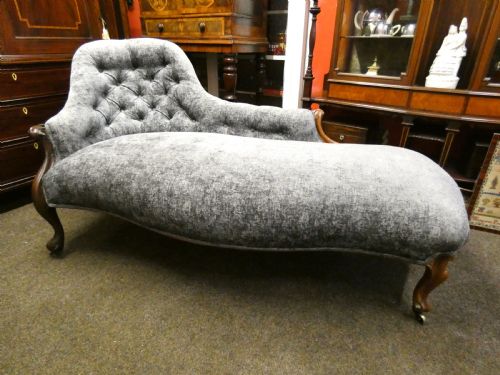
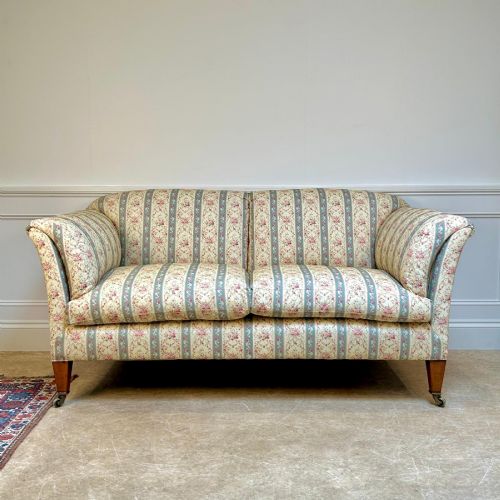
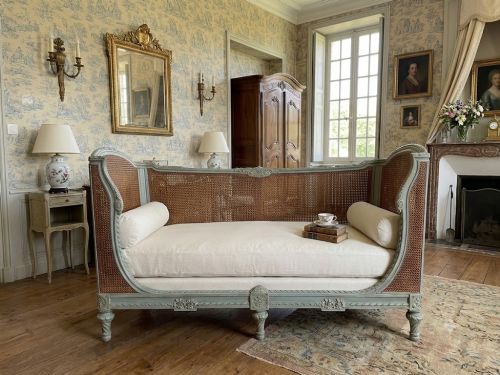
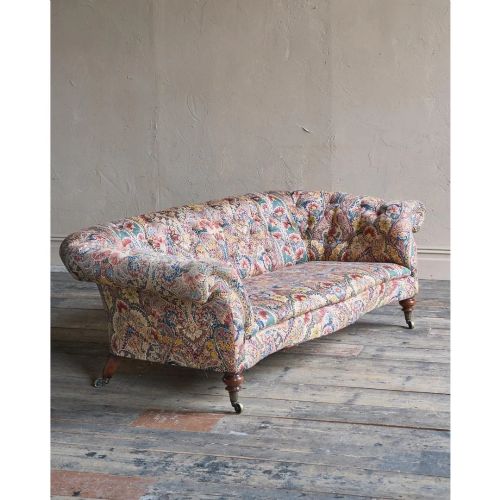
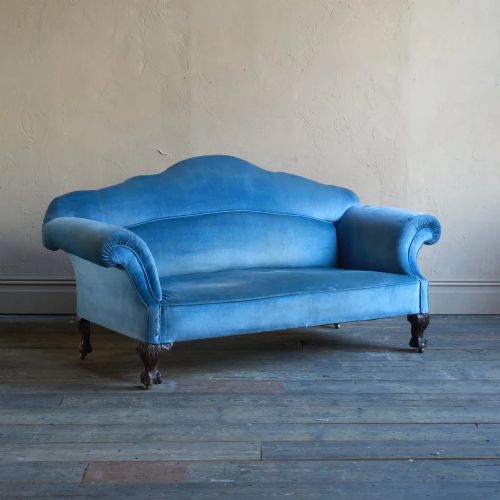
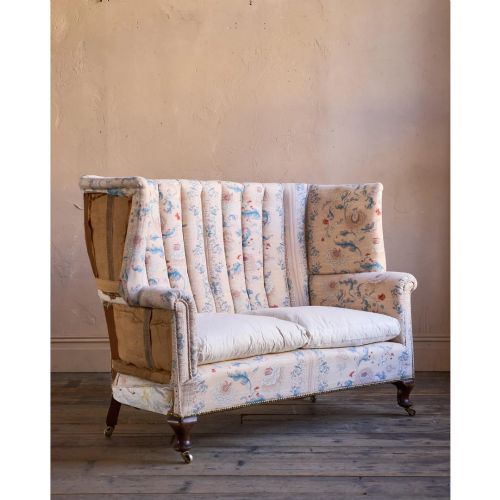
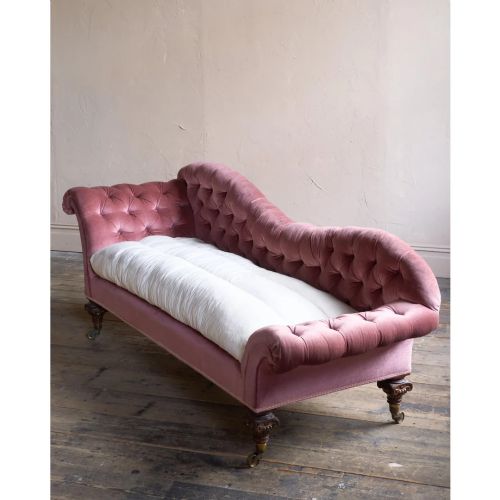
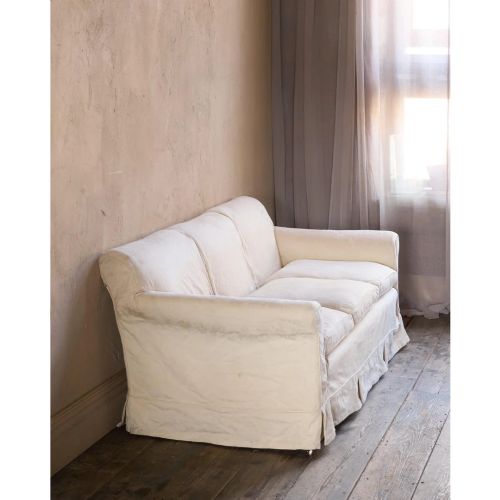
When searching for an antique style couch, buyers encounter a diverse selection of seating ranging from nineteenth century French walnut frames to Edwardian country house loungers and Georgian mahogany settees. These pieces encompass various forms such as drop arm sofas, chaise longues, daybeds, and spacious three seater couches.
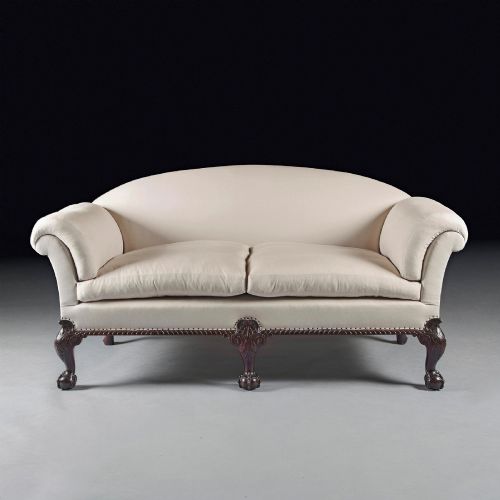
The most common versions met on this page span the Victorian and nineteenth century periods, alongside Edwardian and 1930s revivals. Makers and manufacturers often drew inspiration from earlier eras, producing styles like Chippendale Revival, Louis XVI Style, and Rococo Revival.
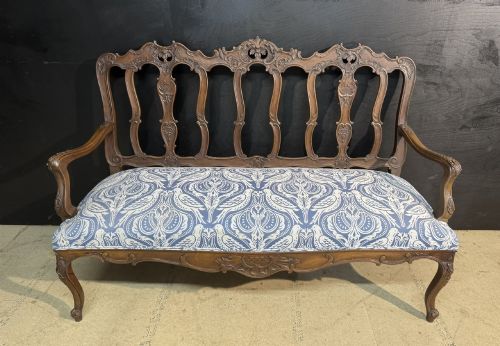
Construction types vary from formal boudoir settees upholstered in silk to sturdy timber frames with cane panels or feather cushions. Buyers select these items to anchor a room with period character, choosing between carved giltwood showframes and deep seated lounging options.
How they were made
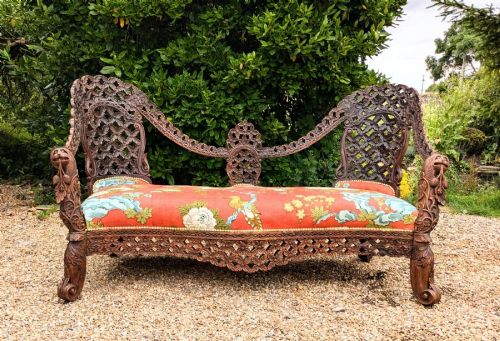
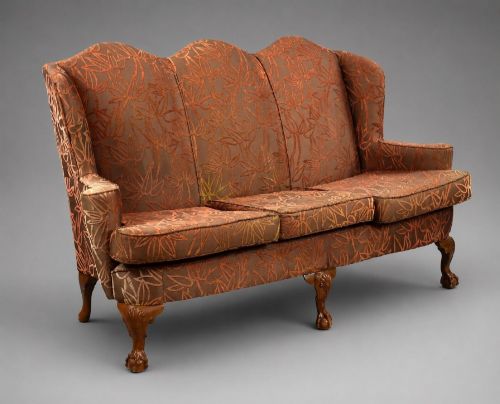
Traditional frames utilise solid timbers like mahogany, walnut, beech, and giltwood, frequently shaped with hand carving or mounted with ormolu details. Master craftsmen employed sturdy joinery to support large seating capacities, sometimes incorporating ball and claw legs, lion mask hairy paw feet, or fluted wingback supports.
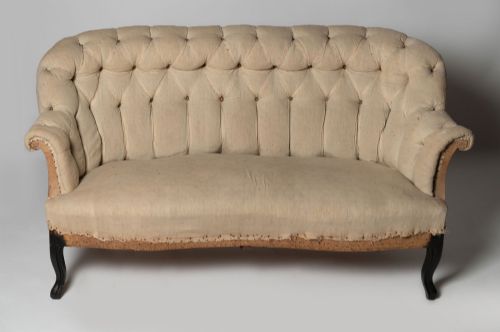
Upholstery techniques relied on natural fillings, buttoning, and traditional springing, paired with outer coverings of fabric, velvet, leather, or silk. Cane work appears frequently on French bergere sofas and daybeds, woven tightly into wooden framework channels.
Surface decoration ranges from painted finishes and gilded accents to exposed polished hardwood grain. Detail work on revival pieces often emulates eighteenth century proportions and decorative carving motifs.
Chinese dragon motifs occasionally appear on nineteenth century hall benches, bridging eastern carving traditions with western seating forms.
What varies in quality
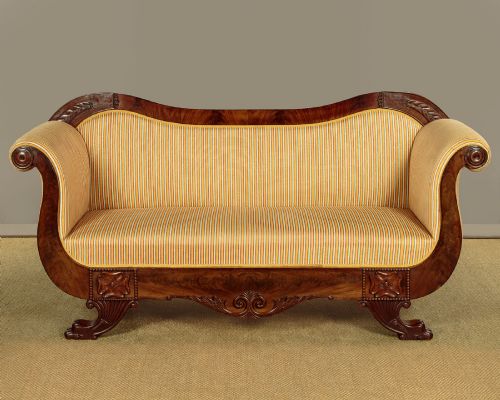
Quality separates pieces by the crispness of the woodwork carving and the integrity of the underlying frame construction. Finer examples display deeply carved details, such as ionic columns, elaborate giltwood, or substantial mahogany members without structural compromise.
The degree of original upholstery survival and the sophistication of the maker influence the standing of a couch. Pieces bearing attribution to established workshops like Howard and Sons or specific retail houses command stronger interest through documented craftsmanship.
Proportion and balance dictate the aesthetic success of a design, where revival pieces maintaining strict historical scales outrank simpler interpretations. The integration of specialty materials like ormolu mounts, cane panels, or feather cushioning elevates the overall execution.
Howard and Sons·Giles Grendey·J. S. Kinsey
The Antique Style Couch Glossary
- Bergere
- An enclosed upholstered armchair or sofa featuring wooden frames with cane sides or back panels. This French seating style often incorporates loose cushion seats.
- Canapé
- A French term for an ornamental sofa or settee, typically featuring an exposed carved wooden frame and upholstered seat and back.
- Chaise longue
- An upholstered couch shaped like a chair with a long seat large enough to support the legs, originating for reclining comfort.
- Ormolu
- Gilded bronze mounts applied as decorative ornaments to furniture frames, frequently seen on French neoclassical and revival pieces.
- Settee
- A long upholstered seat with a back and arms, designed for multiple occupants and sharing similarities with a traditional sofa.
- Settle
- A wooden bench featuring a high back, solid arms, and often a storage box beneath the seat, hailing from earlier domestic traditions.
Antique Style Couch: Frequently Asked Questions
How do I identify a Howard and Sons sofa?
Howard and Sons pieces typically display distinct maker stamps on the castors, alongside specific leg designs and robust deep seated proportions. Their upholstery work is renowned for exceptional comfort and traditional stuffing methods.
Many examples also carry stencilled numbers on the frame or upholstery webbing. Examining these hidden markings helps confirm authenticity and workshop origin.
What is the difference between a settee and a couch?
Historically, a settee denotes a formal wooden or upholstered seat designed for two or more people, often featuring a straight back. A couch historically implied a piece intended for reclining, equipped with one raised end.
Over time, these terms became largely interchangeable in common speech and furniture trade listings. Today, both describe upholstered multi-seater furniture intended for living spaces.
Are antique daybeds comfortable for daily use?
Antique daybeds can offer comfortable seating and lounging, depending on the condition of the internal webbing and padding. Many period examples feature feather cushions and supportive sprung bases.
Buyers planning regular daily lounging often ensure the internal upholstery has been traditionally restored. This maintains the original sit while providing modern support.