

Antique Style Bedside Lamps
Antique style bedside lamps bring period character to a bedroom, combining classical forms with functional illumination.
Antique Style Bedside Lamps
When searching for antique style bedside lamps, buyers encounter a mix of lighting fixtures and small support tables designed for domestic use. The selection spans pieces from the Victorian era through the early twentieth century, reflecting diverse historical revivals.
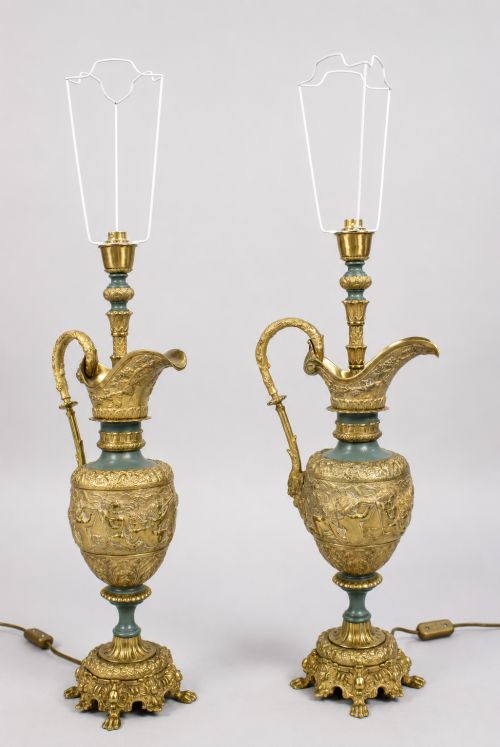
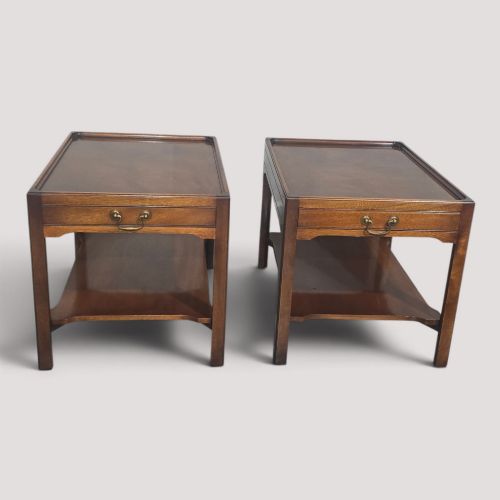
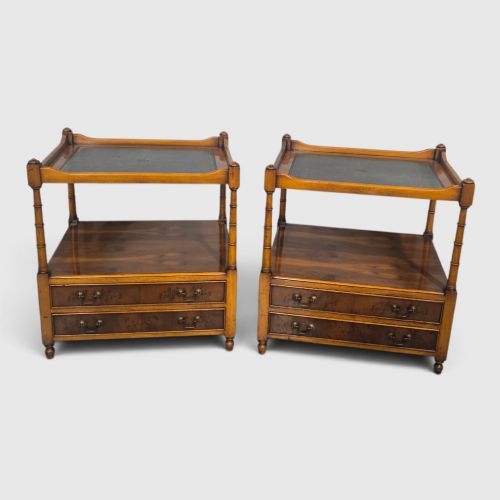
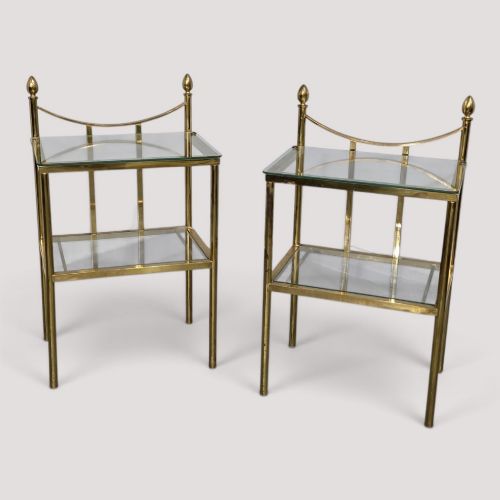
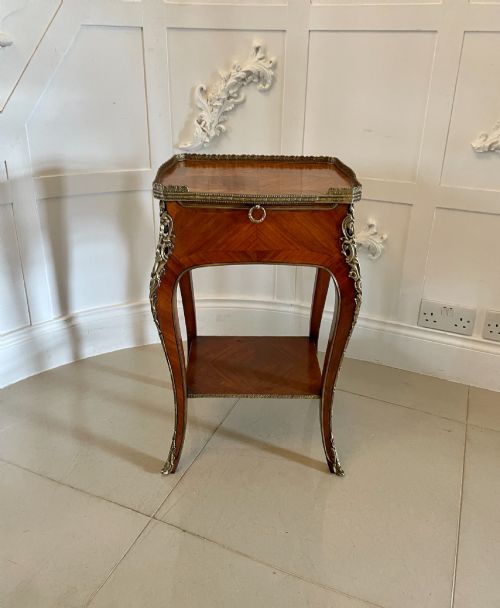
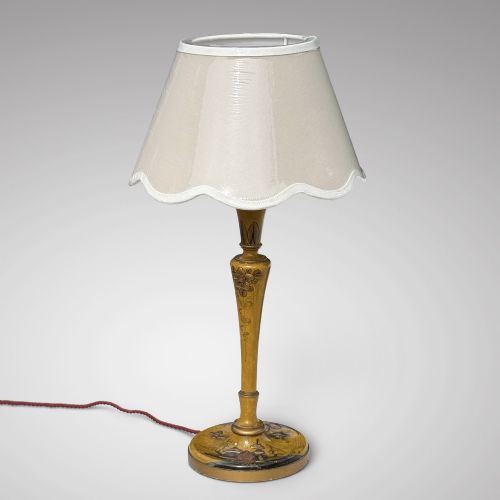
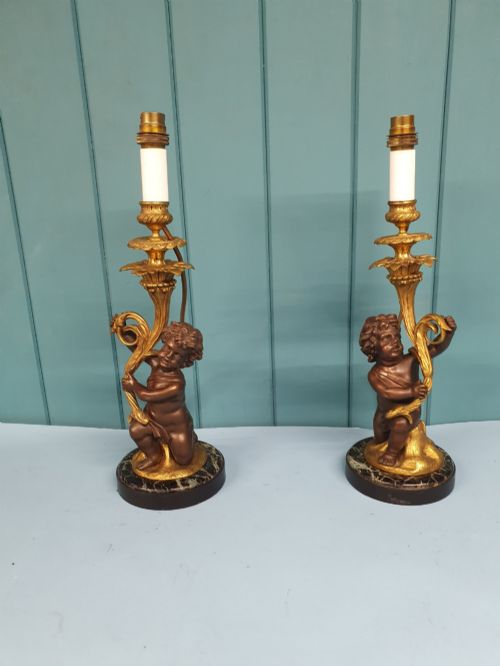
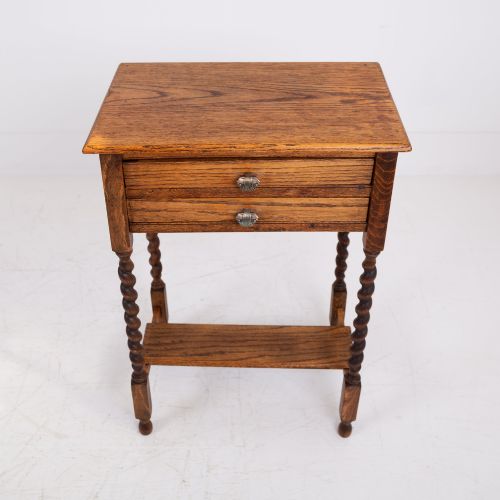
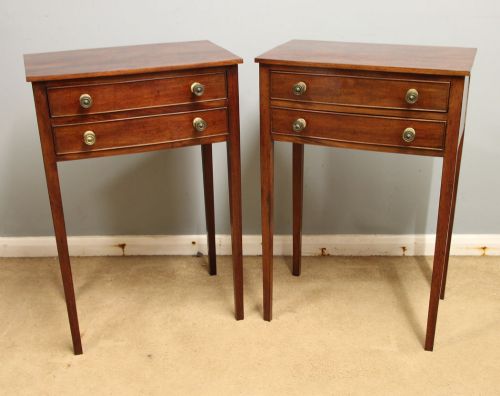
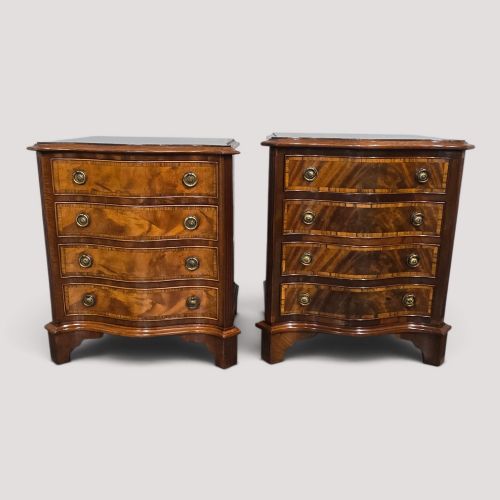
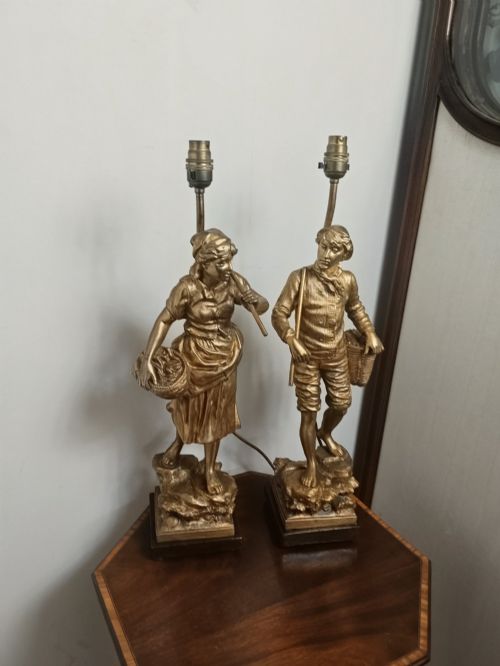
Table lamps dominate the lighting category, often fashioned from cast brass, bronze, and gilt metal alongside ceramic forms like Pate Sur Pate porcelain. Alongside them appear side tables and bedside chests in mahogany, walnut, and oak, created to hold smaller lamps.
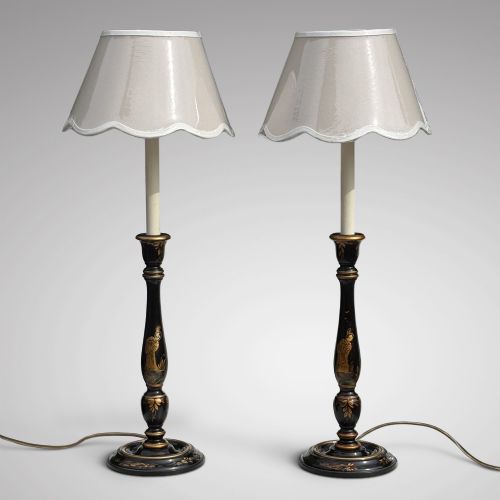
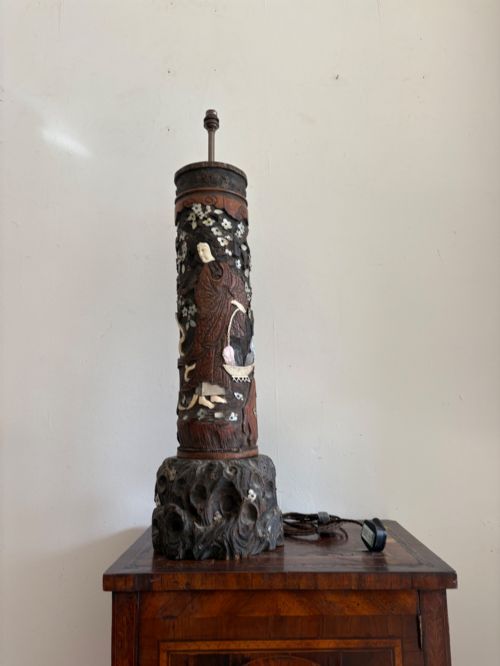
Stylistic influences range from Georgian and Regency revivals to French Neoclassical, Chinoiserie, and Jacobean designs. Pairs appear frequently, offering symmetrical arrangements for twin bedside tables.
How they were made
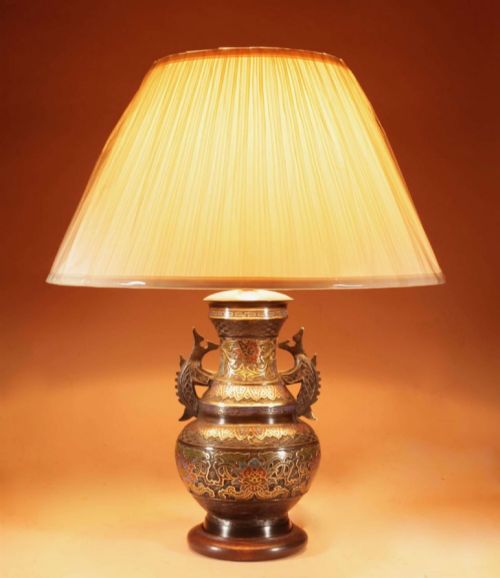
Metal lamps utilise traditional casting and gilt techniques in bronze, brass, and ormolu, sometimes incorporating champlevé enamel or carved details. Wood lamp tables and bedside chests employ dense timbers like mahogany, walnut, and oak, frequently finished with marquetry inlay or lacquer.
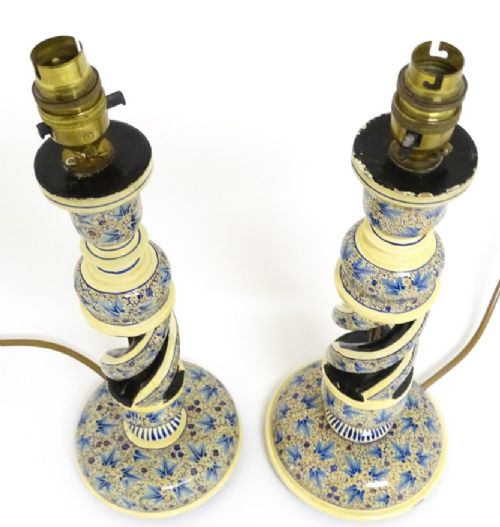
Surface decoration relies on hand-painted motifs, particularly in Chinoiserie and Kashmiri examples, alongside carved giltwood and leather top inserts. Marble tops also feature on selected bedside chests and lamp tables, providing durable surfaces.
Bronze cherubs occasionally hold up the evening light.
What varies in quality
Quality rests in the precision of the casting for metal lamp bodies and the depth of carving on wooden tables and bases. Finer pieces demonstrate careful attention to proportion, crisp decorative detailing, and the integration of quality materials such as ormolu mounts and select mahogany veneers.
The sophistication of surface finishes distinguishes standard productions from exceptional items. Hand-lacquered Chinoiserie panels, intricate marquetry inlay, and precise enamel work elevate the execution of both lighting and supporting furniture.
E Rousseau·Mallett
The Antique Style Bedside Lamps Glossary
- Ormolu
- Gilded bronze mounts applied to furniture and decorative objects. This technique creates metallic highlights popular in French Neoclassical and Louis style pieces.
- Champlevé
- An enamelling technique where troughs are dug into a metal surface and filled with vitreous enamel before firing. It appears frequently on Japanese and continental brass lamps.
- Marquetry
- The art of applying pieces of veneer to a structure to form decorative patterns. Craftsmen utilise various coloured woods to achieve detailed pictorial designs on tabletops and bedside chests.
- Pate Sur Pate
- A ceramic decorating method where relief designs are built up in white slip on a coloured clay body. This process yields translucent, cameo-like porcelain panels on decorative lamps.
- Etagere
- A small open shelving unit or side table with multiple tiers. These pieces provide compact display space adjacent to a bed.
Antique Style Bedside Lamps: Frequently Asked Questions
What defines antique style bedside lamps?
These pieces comprise table lighting and small supporting furniture drawing on historical design vocabularies from the eighteenth and nineteenth centuries. They incorporate periods such as Victorian production and early twentieth-century revivals.
Materials typically include cast brass, bronze, mahogany, walnut, and lacquer work. They function to provide layered illumination and convenient surface space in traditional bedrooms.
How do I choose between a lamp and a bedside table?
The selection depends on whether you require illumination or surface storage beside the bed. Many listings pair compact chests and side tables specifically with the intention of holding a table lamp.
Matching timber species and revival styles helps coordinate the lighting base with the supporting furniture. Oak, mahogany, and inlaid walnut predominate across these pairings.
How do I identify different revival styles?
Revival styles draw distinct cues from earlier architectural and decorative movements. Georgian and Regency designs favour clean mahogany proportions, whereas Rococo and French Neoclassical pieces utilise elaborate gilt metal mounts and ormolu.
Chinoiserie examples display lacquered surfaces and painted oriental motifs. Examining the primary material and decorative technique generally clarifies the specific historical inspiration.
Where were these pieces made?
Origin points span British workshops, French ateliers, and Asian export centres. European makers frequently reinterpreted classical motifs through local cabinetmaking and bronze casting traditions.
Items like Japanese champlevé bronzes and Kashmiri hand-painted lamps reflect global trade and design influences during the late nineteenth and early twentieth centuries.