


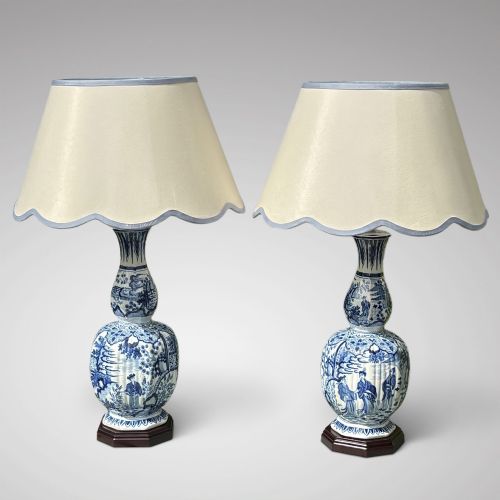


Traditional Ceramic Lamps
Traditional ceramic lamps bring hand-thrown pottery and porcelain into domestic interiors as functional table illumination.
Traditional Ceramic Lamps
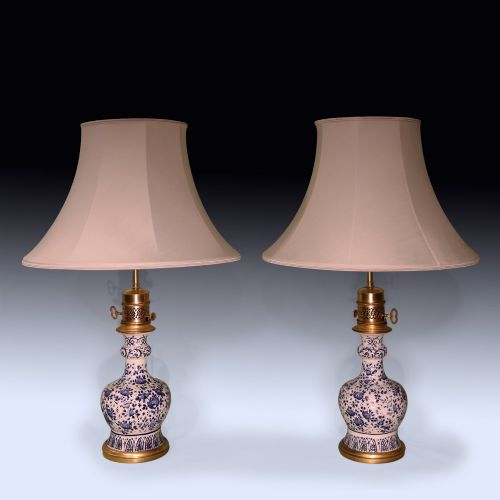
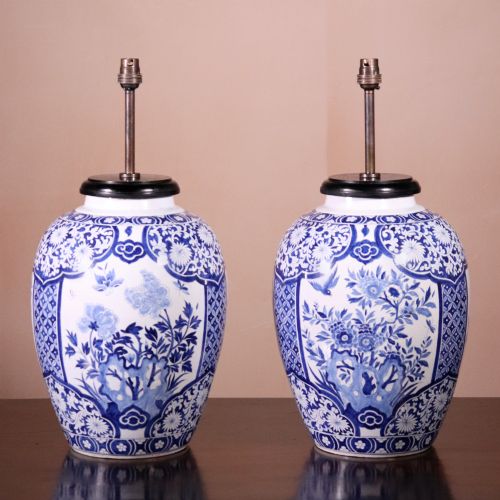
Traditional ceramic lamps transform historical vessels, ginger jars, and vases into wired table lighting. These pieces span the eighteenth, nineteenth, and early twentieth centuries, drawing heavily from Chinese export wares, Japanese Satsuma, Arita Imari, and European Delftware.
A buyer examining this selection will frequently encounter blue and white porcelain jars, crackleware vases, and earthenware bodies mounted onto brass bases. The forms range from simple baluster profiles to monumental celadon vases, each adapted to hold electrical fittings.
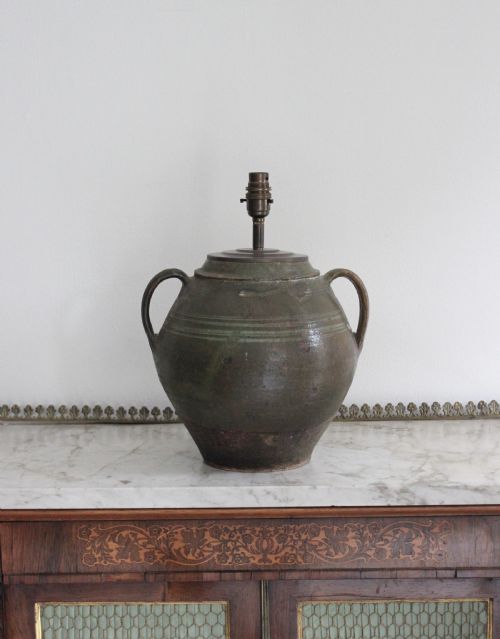
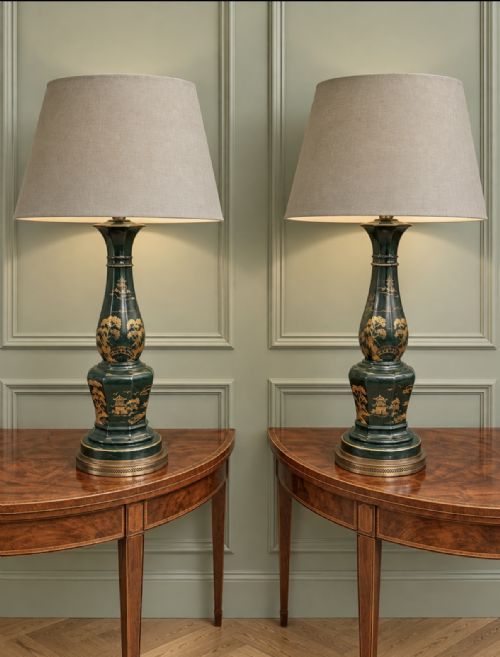
Origins stretch across diverse workshops and regions, incorporating Victorian Majolica, Edwardian earthenware, and rustic country pottery. The resulting assortment merges utilitarian lighting with decorative ceramic history.
How they were made
Makers shaped these bodies from clay, earthenware, and porcelain, applying glazes such as flambe, blue and white pigments, or polychrome enamels before kiln firing. Many pieces originated as functional vessels or vases before conversion into lamps.
Metal components typically involve brass mounts fitted to the base or collar to secure the electrical hardware. Fabric, silk, and card shades complete the assembly, resting above the ceramic body.
Traditional Ceramic Lamps Retail Price Guide 2026
Typical asking prices for traditional ceramic lamps among the pieces listed under this phrase on Sellingantiques today, from the lower quarter to the upper quarter. They describe what is for sale here now, not the wider market.
Some jars spent centuries storing ginger before trading spices for copper wire and lightbulbs.
What varies in quality
Quality rests upon the crispness of the hand-painted decoration, the depth of the glaze, and the proportion of the ceramic body to its brass mount. Fine specimens display precise brushwork, balanced forms, and harmonious integration of the hardware.
The integrity of the porcelain or earthenware body dictates overall durability, while the execution of the conversion work affects stability. Superior examples retain their original surface patination without intrusive structural alterations.
The Traditional Ceramic Lamps Glossary
- Delftware
- Tin-glazed earthenware produced in Dutch and English potteries, notable for its white surface and blue painted motifs.
- Famille Verte
- A porcelain palette dominated by green enamels, developed during the Qing dynasty and utilised on export wares.
- Imari
- Japanese export porcelain decorated in underglaze blue, iron red, and gilt, originating from Arita.
- Majolica
- Heavy earthenware covered with an opaque lead glaze containing tin oxide, popular through the Victorian and Edwardian periods.
- Baluster
- A tapering, vase-like form with a rounded lower body and a narrower neck, commonly seen in lamp conversions.
Traditional Ceramic Lamps: Frequently Asked Questions
How do I date an old ceramic lamp?
Dating relies on stylistic clues in the painted motifs, the characteristics of the glaze, and the composition of the underlying clay body. Examining any visible maker marks or the treatment of the base also helps establish the period.
Fittings and wiring are usually modern replacements, so the focus remains entirely on the ceramic vessel itself. Comparing the form against known production eras of Chinese export or European pottery provides further clarity.
Are these lamps converted from vases?
Many traditional ceramic lamps started life as vases, ginger jars, or storage vessels before being adapted for illumination. Artisans mounted these bodies onto brass or wooden bases and added electrical hardware through the existing openings.
This conversion process preserves the decorative artistry of the original ceramic while giving it a practical function in modern rooms. The integrity of the vessel dictates how successfully it holds the lamp fittings.
How do I clean a glazed pottery lamp?
Maintenance requires a soft, dry cloth to remove dust from the ceramic body and the shade. Moisture should stay away from any vintage electrical components or unsealed areas of the base.
Harsh chemical cleaners can damage delicate overglaze enamels or gilt highlights found on Satsuma and Imari pieces. Gentle handling protects both the glaze and the underlying earthenware.
What is the difference between porcelain and earthenware?
Porcelain is a vitrified ceramic fired at high temperatures, resulting in a dense, non-porous body that often rings when struck. Earthenware is fired at lower temperatures, producing a more porous and heavier material that requires a glaze for waterproofing.
Both materials appear across these lamp selections, with porcelain favoured for fine Chinese and Japanese export pieces. Earthenware dominates domestic European styles like Delftware and Majolica.