






Brass Chinoiserie Lamp
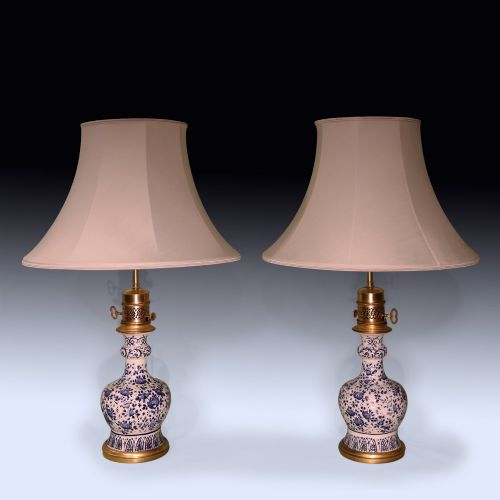
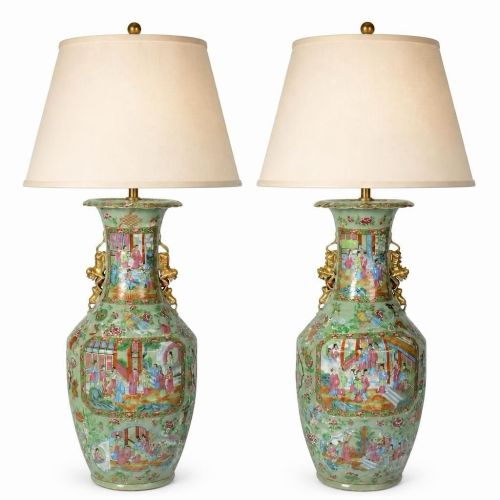
These brass chinoiserie lamps combine metallic mounts with imported ceramic bodies, offering decorative lighting rooted in centuries of cross-cultural design.
Brass Chinoiserie Lamp
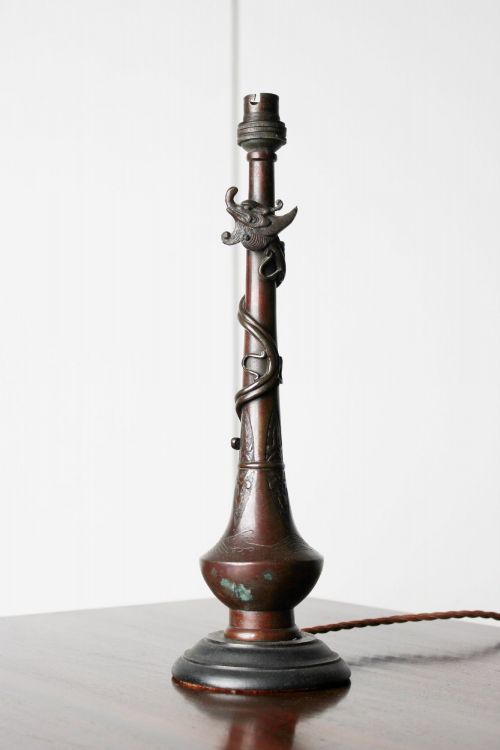
When you search for a brass chinoiserie lamp, you encounter lighting fixtures that mount ceramic or metal vessels onto cast metal bases. The selection relies heavily on converted vases and jars, often featuring handles or mounts added during later European adaptations.
Most examples originate from the nineteenth century or the early decades of the twentieth century. Forms span from ginger jars and baluster vases to toleware and cloisonné bodies fitted for electricity.
The aesthetic draws on Chinese Qing Dynasty traditions alongside European interpretations like French chinoiserie and eighteenth-century Dutch styles. Buyers frequently find pairs of lamps adapted from Rose Medallion or Famille Verte porcelain vessels.
Materials and construction methods
Makers utilised cast brass for bases, mounts, and wiring hardware to support fragile ceramic bodies. Porcelain, enamel, and lacquer form the primary body materials, painted with intricate floral or figurative motifs.
Many items began life as lidded vases, ginger jars, or oil lanterns before conversion into table lamps. Artisans added metal mounts, collars, and drilled bases to accommodate electrical fittings while preserving the original vessel.
Brass Chinoiserie Lamp Retail Price Guide 2026
Typical asking prices for brass chinoiserie lamp among the pieces listed under this phrase on Sellingantiques today, from the lower quarter to the upper quarter. They describe what is for sale here now, not the wider market.
Materials across these listings include porcelain, brass, silk, lacquer, and cloisonné enamel spanning the eighteenth to the twentieth centuries.
What separates the standard from the exceptional
Quality rests in the harmony between the metal mount and the ceramic vessel. Finely cast brass or ormolu mounts fit the contours of the porcelain precisely without damaging the glaze beneath.
The artistry of the painted decoration dictates the distinction between ordinary and superior pieces. Crisp detailing on Famille Rose, Famille Verte, or cloisonné enamel surfaces indicates higher craftsmanship during production.
The Brass Chinoiserie Lamp Glossary
- Chinoiserie
- European artistic style reflecting Chinese motifs and techniques. Artisans applied this decorative approach to lacquerware, porcelain, and furniture throughout the eighteenth and nineteenth centuries.
- Famille Verte
- Chinese porcelain palette dominated by green enamel colours. This classification originates from French ceramic scholarship describing Qing Dynasty export wares.
- Cloisonne
- Enamelwork technique using wire soldered to a metal base to create compartments for coloured paste. Artisans fire the piece to fuse the enamel to the metal foundation.
- Ormolu
- Gilt-bronze decorative mounts applied to ceramics and furniture. The technique involves coating cast brass or bronze with a gold amalgam.
- Toleware
- Painted and lacquered metal objects produced in Europe. Items utilise tinplate or sheet metal finished with dark lacquer and gilt detailing.
Brass Chinoiserie Lamp: Frequently Asked Questions
How do I date a brass chinoiserie lamp?
Dating relies on examining the construction of the brass base, the wiring components, and the style of the ceramic body. Nineteenth-century examples often show older hand-cut threading on metal fittings compared to later twentieth-century electrical conversions.
Examine the ceramic body underneath the mount if possible. Marks, crazing, and the method of drilling for wires provide further clues to the manufacturing period.
Were these originally made as lamps?
Most of these pieces started as vases, ginger jars, or oil lanterns rather than lighting fixtures. European and British workshops mounted them onto brass bases during the nineteenth or early twentieth centuries.
This practice of conversion allowed decorative ceramics to serve functional roles in domestic interiors. The original vessels often predate the electrical hardware by several decades.
How do I clean a brass chinoiserie lamp?
Dust the ceramic body and shade with a soft dry cloth to prevent accumulation. Avoid commercial chemical cleaners on painted porcelain or lacquer surfaces to protect the glaze.
Polish the brass base gently with a dedicated metal cleaner, taking care not to let liquids touch the wiring or the ceramic body. Unplug the lamp before undertaking any maintenance.
What is the difference between Famille Rose and Famille Verte?
Famille Verte ceramics feature a palette dominated by green enamels, developed during the Qing Dynasty. Artisans used these transparent colours to depict floral and figurative scenes.
Famille Rose pieces rely on an opaque pink or rose enamel introduced later in the eighteenth century. This palette allowed for softer tonal gradations in painted floral arrangements and garments.