

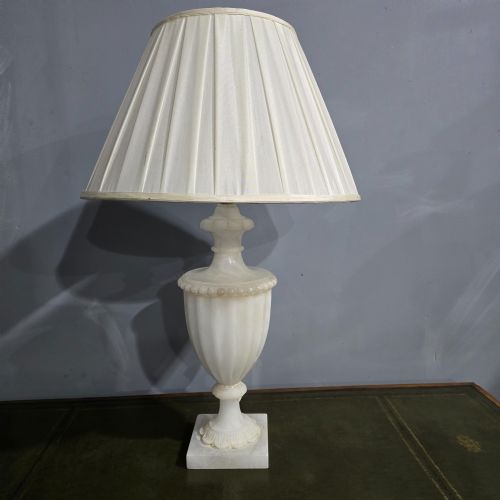


Carved Alabaster Table Lamp
A carved alabaster table lamp brings a warm, translucent glow to a room, offering both classical dignity and soft light.
Carved Alabaster Table Lamp
When searching for a carved alabaster table lamp, buyers encounter pieces fashioned from soft stone, marble, and white onyx, often accented with brass or patinated metal.
The selections span the nineteenth century through the Art Deco and mid-century periods, with Edwardian examples and Italian pieces appearing regularly.
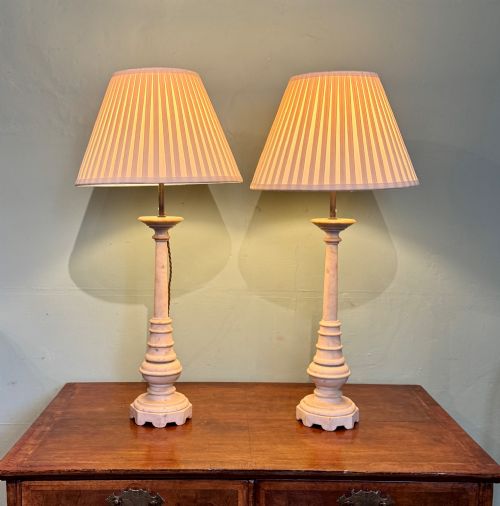
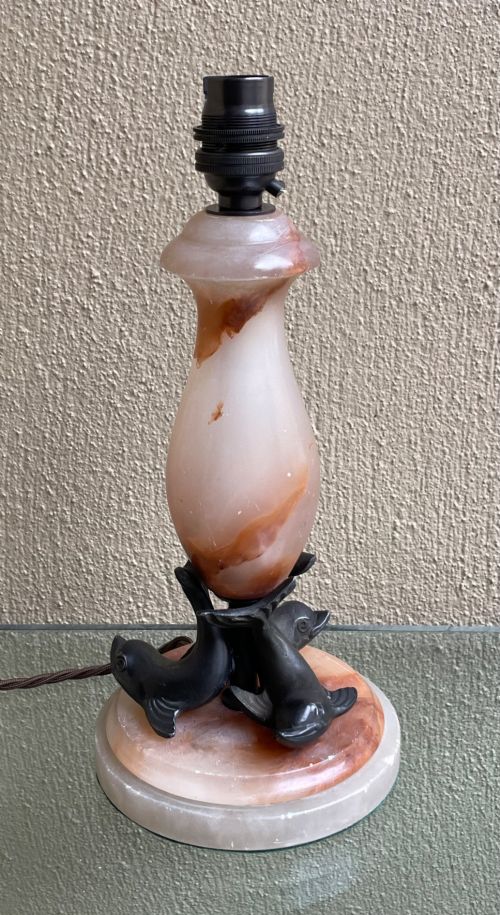
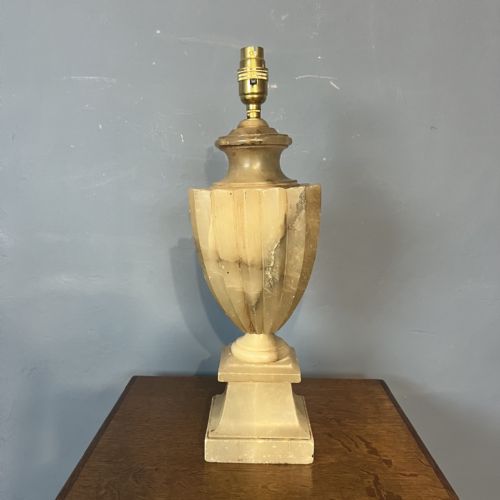
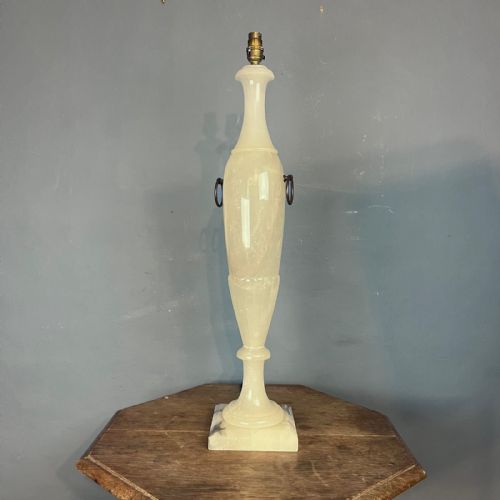
Forms range from campana urn bases and dolphin motifs to large country house designs and paired matching lamps.
How they were made
Craftsmen shaped soft alabaster, marble, and white onyx by hand, carving detailed motifs such as dolphins and campana urns directly into the stone.
Many designs combine the carved stone body with metal fittings in brass or patinated metal, sometimes paired with fabric shades and glass elements.
Listings feature alabaster, marble, and white onyx lamps spanning the nineteenth century through the Art Deco era.
What varies in quality
Quality rests upon the depth and crispness of the carving, distinguishing finely rendered animal forms and classical urns from simpler, plain turned columns.
The purity of the stone and the harmonious integration of metal mounts or glass components elevate a piece above standard utility lighting.
The Carved Alabaster Table Lamp Glossary
- Alabaster
- A fine-grained, translucent stone that lets light pass through its surface when illuminated from within or above. It was favored for classical revival and Art Deco lighting.
- Campana Urn
- A bell-shaped vessel with a flared lip, frequently utilised as the central body for classical table lamps. This ancient form was popular across nineteenth and twentieth-century designs.
- Patinated Metal
- Metalwork that has acquired a darkened or aged surface through chemical treatment or natural wear. It provides a dark contrast to pale stone bases.
- White Onyx
- A banded variety of chalcedony closely related to marble and alabaster, prized for its natural veining and translucency. It appears frequently in early twentieth-century lighting.
Carved Alabaster Table Lamp: Frequently Asked Questions
How do I clean an alabaster lamp?
Dust the stone gently with a dry, soft cloth, avoiding water and harsh cleaning agents that can damage the porous surface.
Alabaster absorbs moisture easily, so professional restoration is recommended for deeper cleaning or repairs.
Are these lamps heavy?
Solid stone construction makes these pieces significantly heavier than ceramic or metal alternatives, providing a stable base.
Ensure the surface holding the lamp can support the combined weight of the stone and metal components.
How do I date a stone lamp?
Dating relies on stylistic clues, such as geometric Art Deco lines, Edwardian proportions, or classical revival motifs seen in the carving.
Wiring, metal mounts, and the type of stone also help narrow the decade of production.
Can I replace the fabric shade?
Shades can be updated, provided the fitting matches the original harp or shade carrier system on the lamp.
Selecting a shade that complements the proportion of the carved stone base maintains the intended aesthetic balance.