



Antique Style Accent Mirror
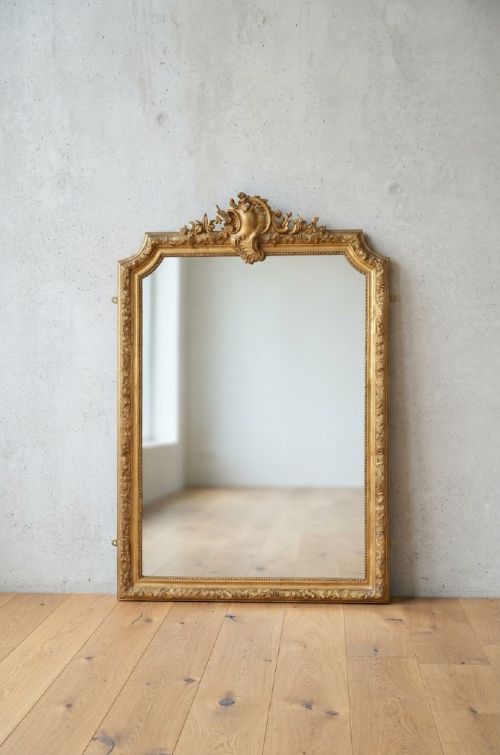
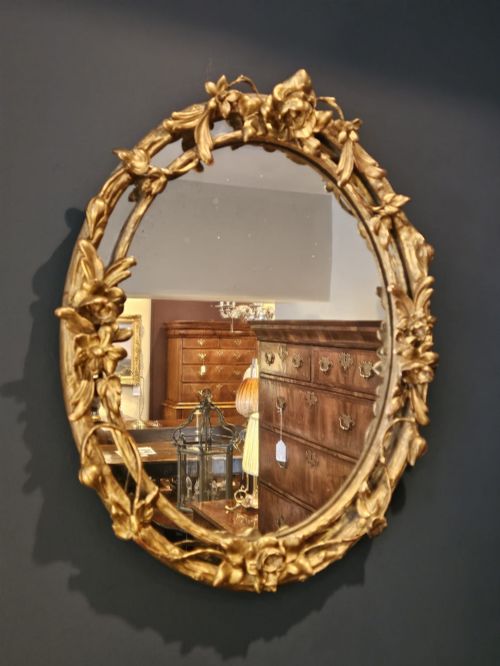
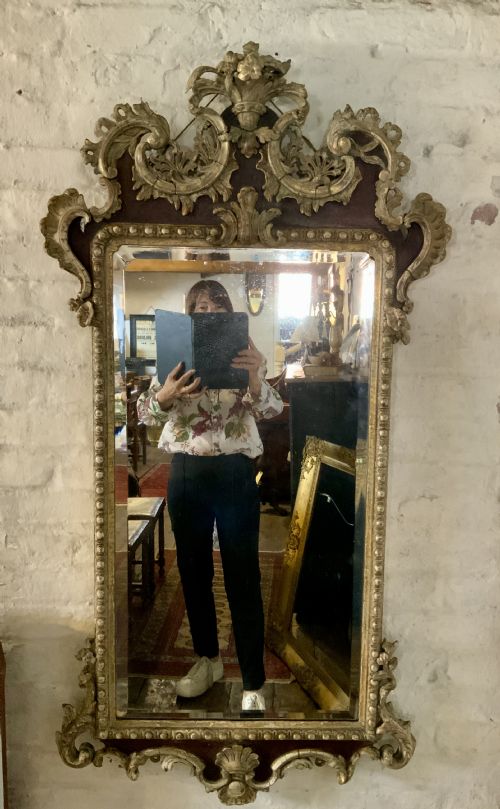
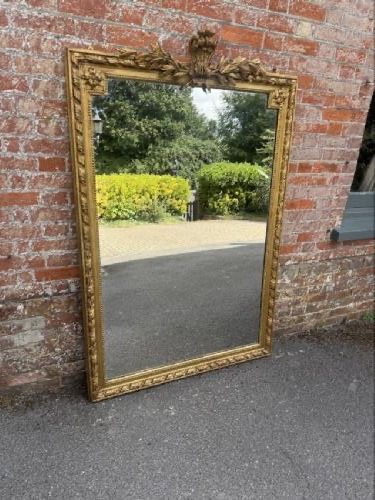
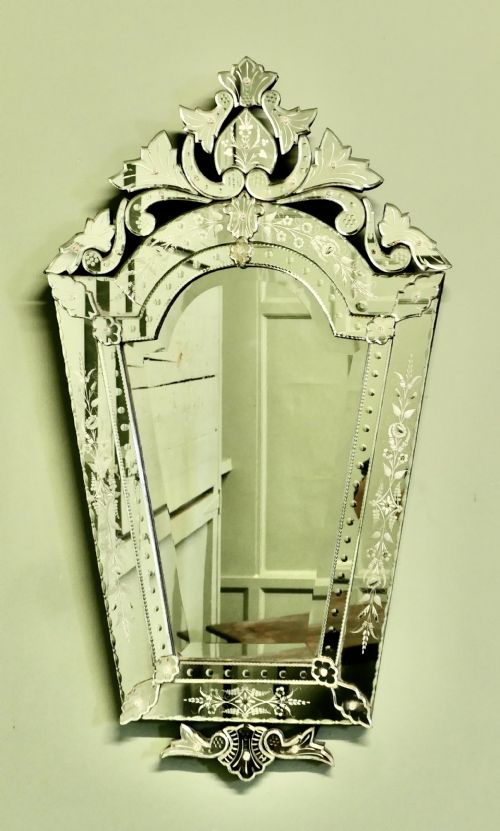
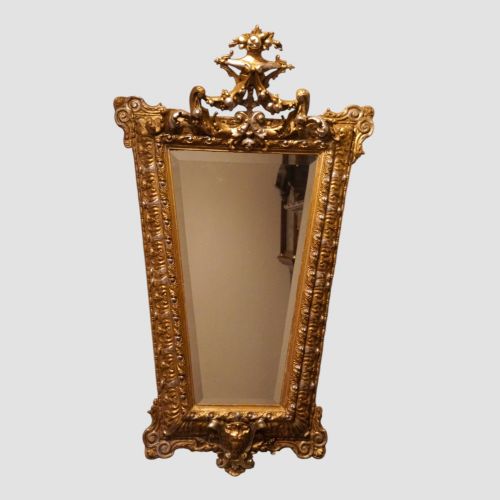
An antique style accent mirror brings reflective depth and carved detail to a room, drawing the eye with giltwood and ornate frames.
Antique Style Accent Mirror
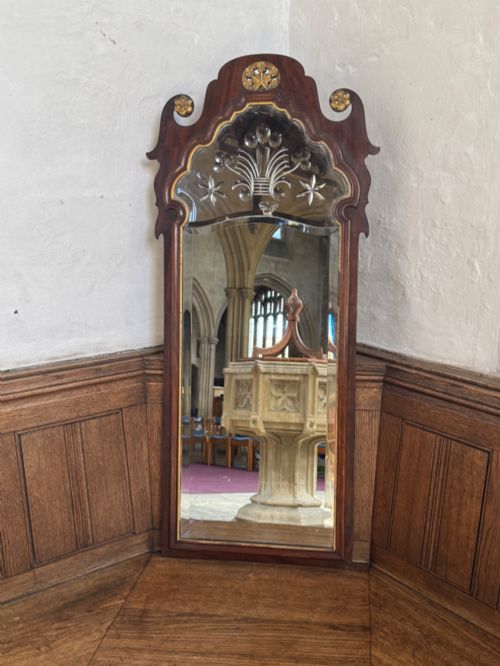
An antique style accent mirror serves as a decorative focal point in a interior space, bringing historical design into a modern room. When exploring this selection of an antique style accent mirror, buyers encounter wall mirrors, overmantel mirrors, and pier glasses spanning several centuries.
The pieces on this page originate from periods such as the eighteenth, nineteenth, and early twentieth centuries. Makers drew on Rococo Revival, Baroque Revival, Neoclassical, and Georgian styles to shape these works.
Italian, French, and English workshops dominate the origins of these mirrors. Surviving examples range from large, imposing overmantel installations to smaller, intricately carved wall pieces.
How They Were Made
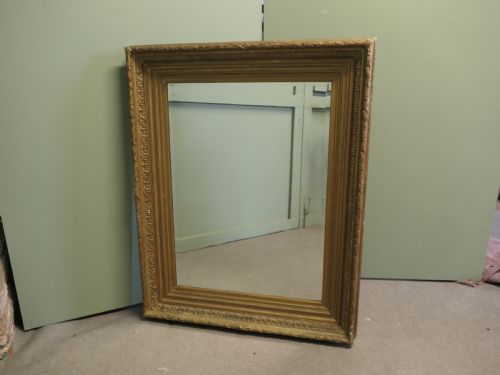
Carved wood and gesso form the structural base for many frames, providing a stable foundation for intricate ornamentation. Artisans applied gold leaf, silver-gilt, or paint over these carved wooden substrates to achieve rich metallic surfaces.
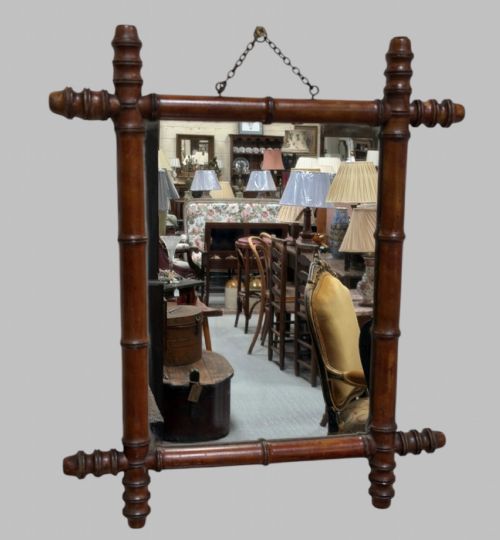
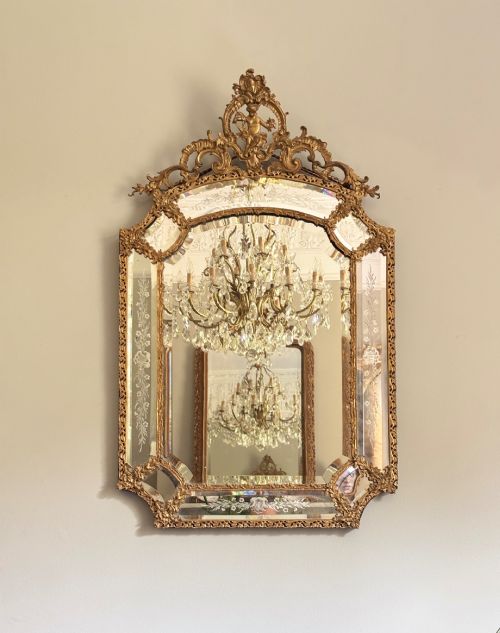
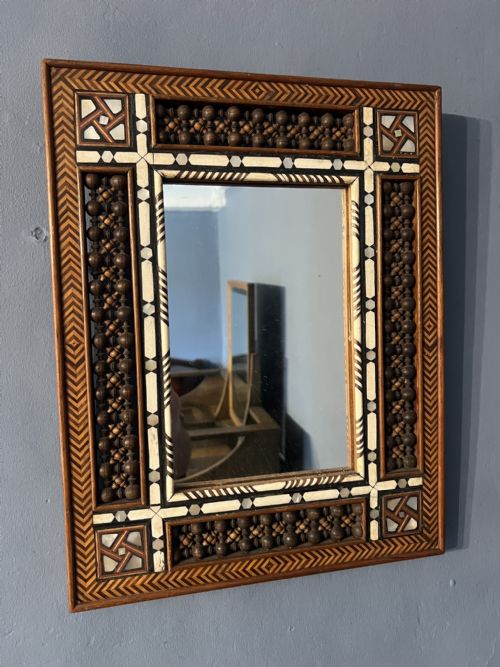
Specialised materials such as bone, mother-of-pearl, and faux bamboo appear in specific regional and period pieces. Glass plates are set within these frames, occasionally featuring reverse cutting or engraving.
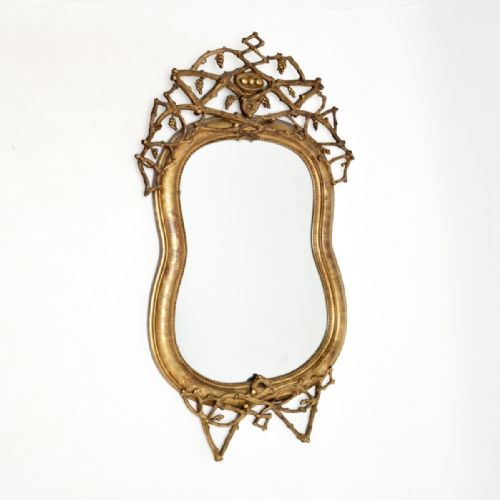
One unexpected piece incorporates delicate faux bamboo, proving that Victorian makers loved botanical mimicry just as much as grand gilt scrolls.
What Varies in Quality
The depth and crispness of the wood carving distinguish superior examples from simpler productions. Hand-tooled gesso and refined gilding indicate a higher tier of craftsmanship compared to cast or hurriedly finished substitutes.
The preservation of the original mirrored glass plate and the integrity of the frame construction determine the standing of an individual piece. Weight, proportion, and the harmony of the decorative motifs further separate standard items from exceptional ones.
John Belchier
The Antique Style Accent Mirror Glossary
- Giltwood
- Wood that has been coated with gold leaf or a gold-coloured metallic finish. This technique creates a luminous surface that catches the light in a room.
- Gesso
- A plaster-like mixture applied to wood frames to create a smooth surface for carving and gilding. It allows artisans to shape intricate relief ornamentation.
- Overmantel Mirror
- A large mirror designed specifically to hang above a fireplace mantelpiece. These pieces often anchor the proportions of a principal reception room.
- Pier Glass
- A tall, narrow mirror traditionally hung on the pier or wall space between two windows. They reflect additional light into darker architectural corners.
- Cartouche
- An ornamental frame or tablet resembling a scroll or folded paper, often featuring prominently in Rococo designs. It adds asymmetrical movement to the mirror border.
Antique Style Accent Mirror: Frequently Asked Questions
Where should I hang an antique style accent mirror?
These mirrors suit hallways, living rooms, and above fireplace mantels where they can reflect natural light and create a sense of space.
Consider the scale of the surrounding furniture to ensure the frame proportions anchor the wall harmoniously.
How do I identify a nineteenth-century frame?
Nineteenth-century frames frequently employ heavy gesso and carved wood ornamentation drawing on Rococo or Baroque revivals. Look closely at the joinery and the backing materials for period characteristics.
Italian and French examples from this era often display deep, confident carving and layered gilding techniques.
What is the difference between a pier glass and an overmantel mirror?
A pier glass is traditionally proportioned to fit the narrow wall space between windows, whereas an overmantel mirror is wider to span the length of a fireplace.
Both serve to amplify light within a room but occupy very different architectural locations.