




Antique Studio Easel
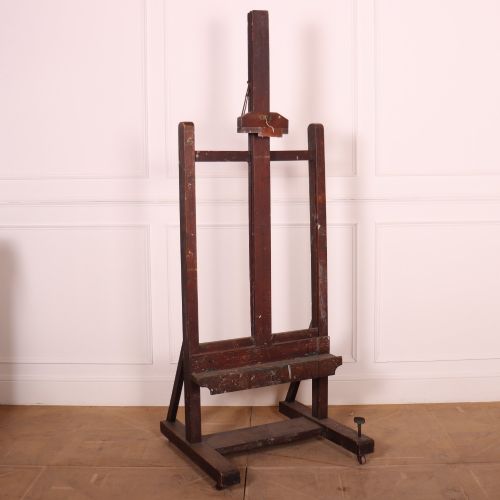
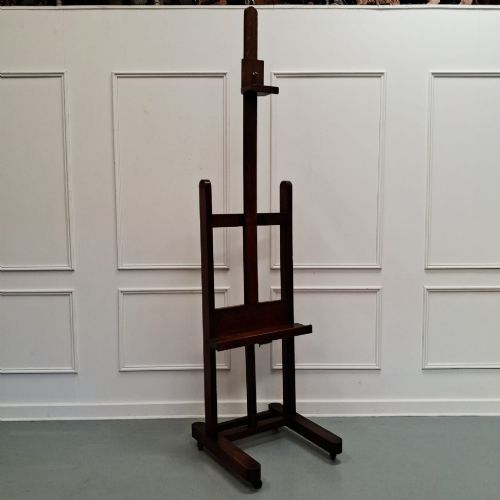
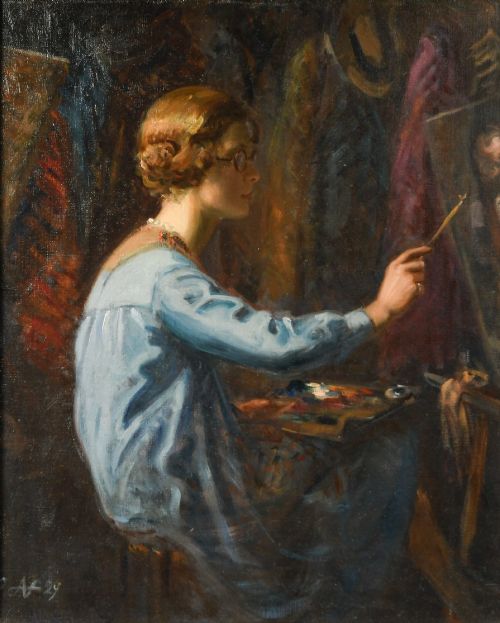
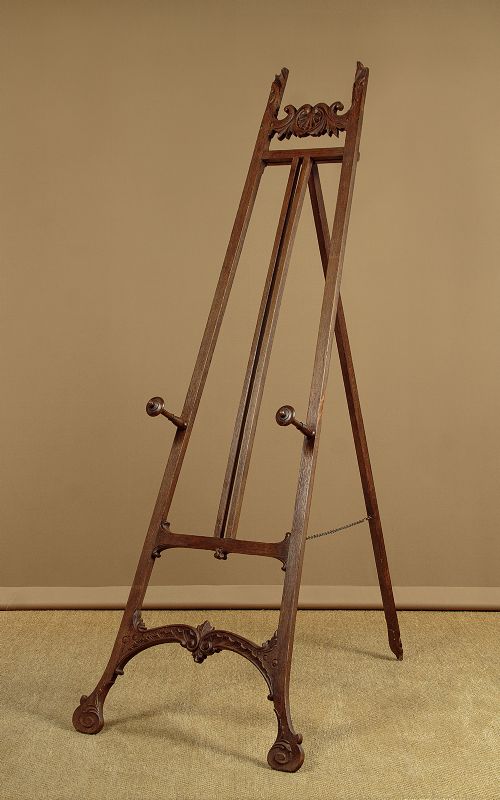
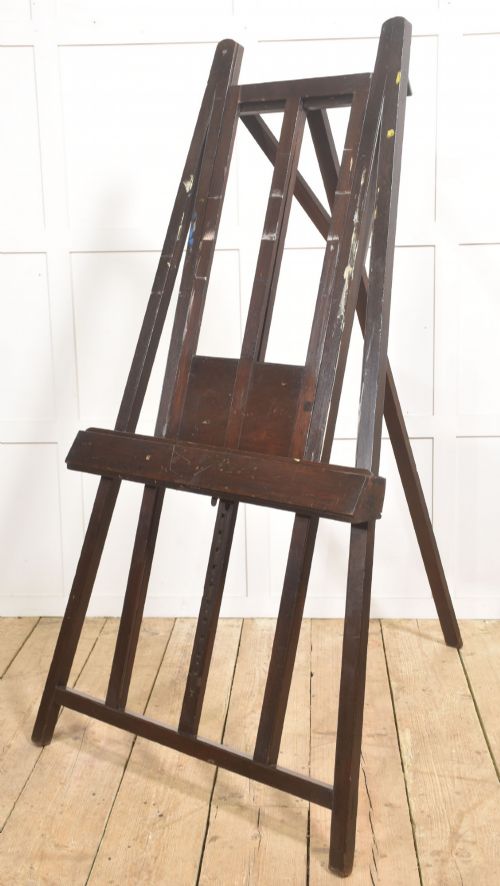
An antique studio easel is a working piece of artist's furniture designed to hold canvases securely while you paint or display large pictures.
Antique Studio Easel
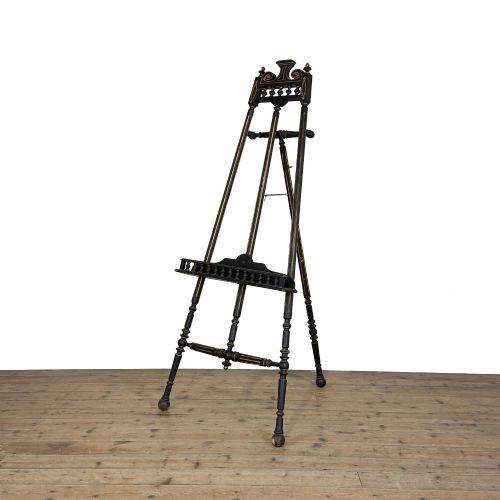
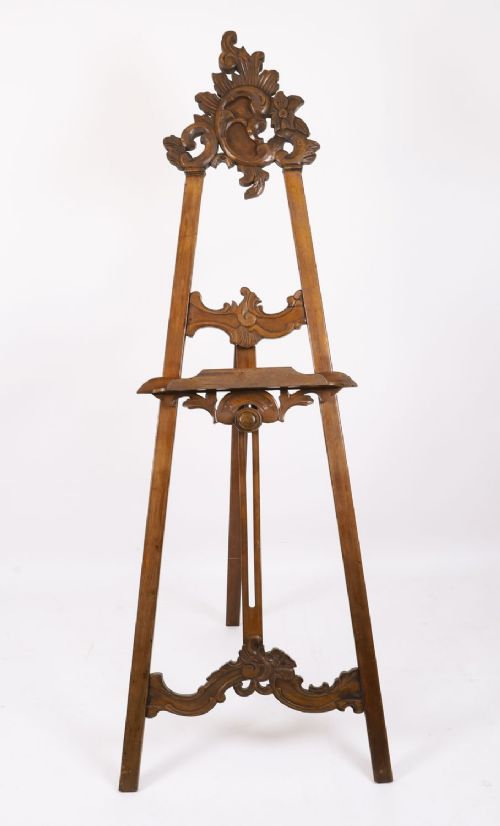
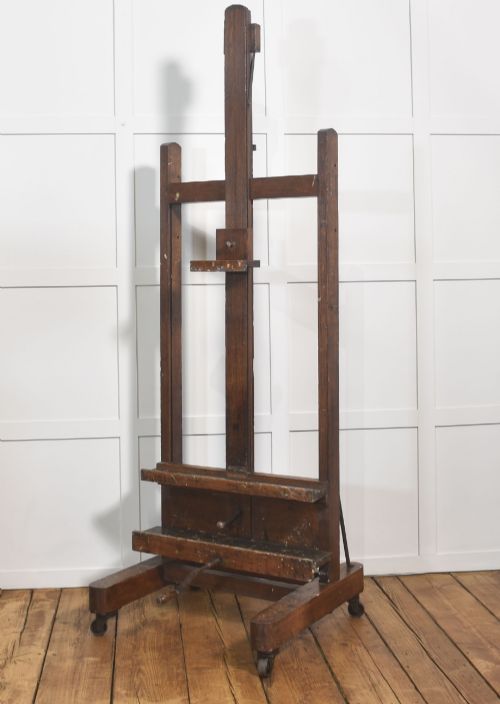
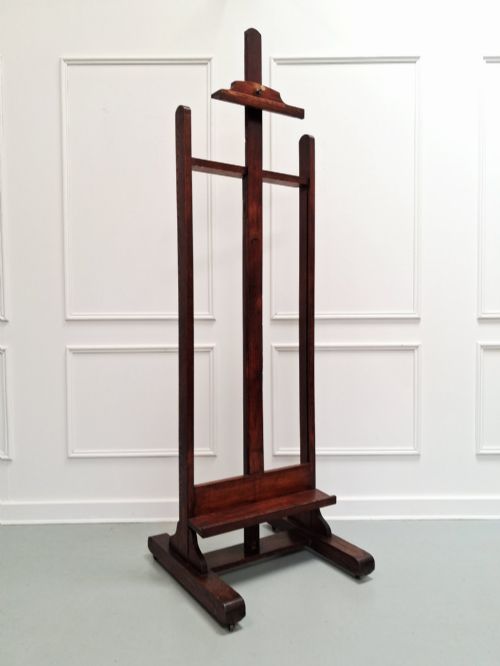
When you search for an antique studio easel, you encounter substantial floor-standing pieces and smaller tabletop formats built for practical use in painting or prominent display.
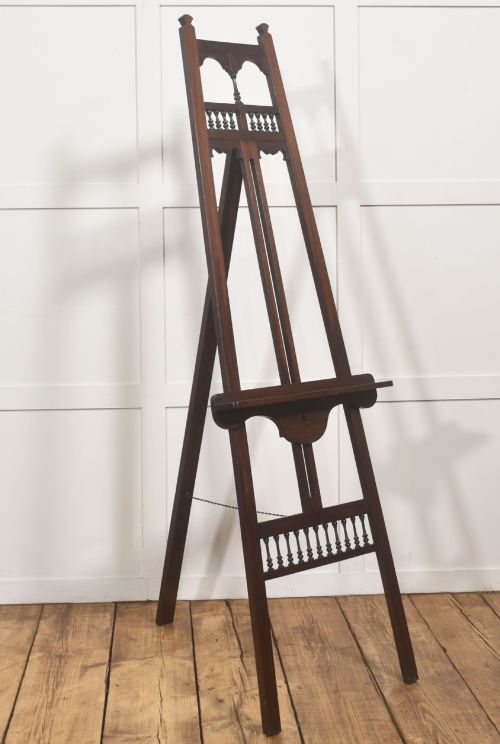
The selections span the nineteenth century through the early decades of the twentieth century, taking forms such as large adjustable artist stands, double-sided gallery examples, and carved display pieces.
Origin details reveal English and French workshop traditions, encompassing styles from the Victorian and Edwardian eras alongside Aesthetic Movement and French Provincial designs.
How they were made
Timbers dominate the construction, with sturdy oak and rich mahogany forming the primary framework for durability, complemented by occasional pitch pine and ebonised wood.
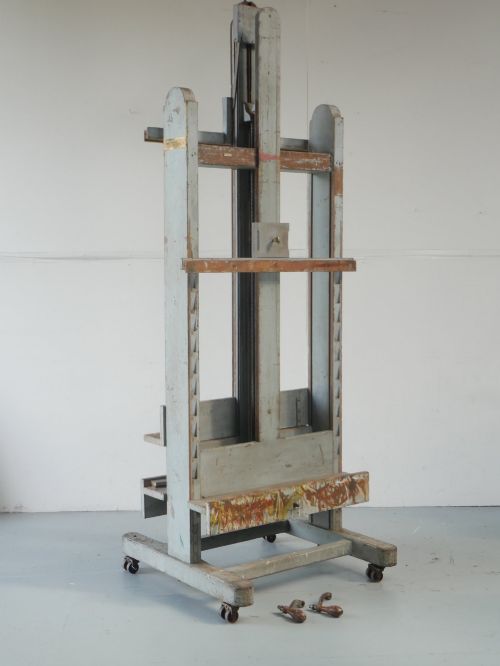
Makers integrated brass and cast iron mechanisms, including winding handles and ratchets, to provide the adjustable height and tilting functions required by working painters.
Antique Studio Easel Retail Price Guide 2026
Typical asking prices for studio easel among the pieces listed under this phrase on Sellingantiques today, from the lower quarter to the upper quarter. They describe what is for sale here now, not the wider market.
Listings feature woods spanning oak, mahogany, pitch pine, and ebonised finishes.
What varies in quality
Quality hinges on the complexity and smoothness of the adjusting mechanisms, separating basic display stands from fully articulated studio machinery.
The choice of timber and the crispness of any decorative carving, such as swan motifs or aesthetic mouldings, define the finer pieces in the range.
Windsor and Newton
The Antique Studio Easel Glossary
- Aesthetic Movement
- A late nineteenth-century design style focusing on art for art's sake, often featuring ebonised surfaces and stylised decoration. Pieces from this movement emphasise visual harmony over historical revival.
- Double-sided
- A format featuring working ledges on both the front and back of the upright frame. This allows artists or galleries to mount two canvases simultaneously.
- Ebonised
- Wood treated with a stain or finish to imitate ebony. This dark surface treatment was particularly popular during the Victorian period for display furniture.
- Gallery easel
- A heavy-duty stand designed to exhibit finished paintings to prospective buyers rather than hold a canvas during the painting process. These often incorporate wider bases and decorative detailing.
- Pitch pine
- A resinous softwood used in vernacular cabinetmaking. It offers strength and a pronounced grain pattern.
Antique Studio Easel: Frequently Asked Questions
How do I adjust the height?
Most large examples utilise a system of winding handles, wooden pegs, or metal ratchets set into the central spine. Turning the handle or shifting the peg moves the canvas carriage up and down.
Take care to support the weight of the ledge while operating older brass mechanisms to prevent sudden slipping.
Can I use these for modern canvases?
These frames accommodate standard stretched canvases securely, provided the depth of the lower display ledge matches your stretcher bars. Many period stands offer adjustable brackets that clamp thick works firmly in place.
Measure the maximum drop of your specific model before attempting to mount oversized modern art.
How do I spot a Victorian piece?
Victorian examples frequently display dense oak or mahogany construction coupled with robust cast iron winding gear and dark finishes. Look for traditional joinery methods and patination accumulated through decades of studio use.
Later twentieth-century versions often simplify the hardware and utilise lighter timbers like beech.
Are tabletop versions stable?
Tabletop models distribute weight across a compact footprint, making them suitable for smaller works and domestic display. They rely on hinged back struts to maintain a secure backward tilt.
Place them on sturdy surfaces away from high-traffic areas to prevent accidental tipping.