

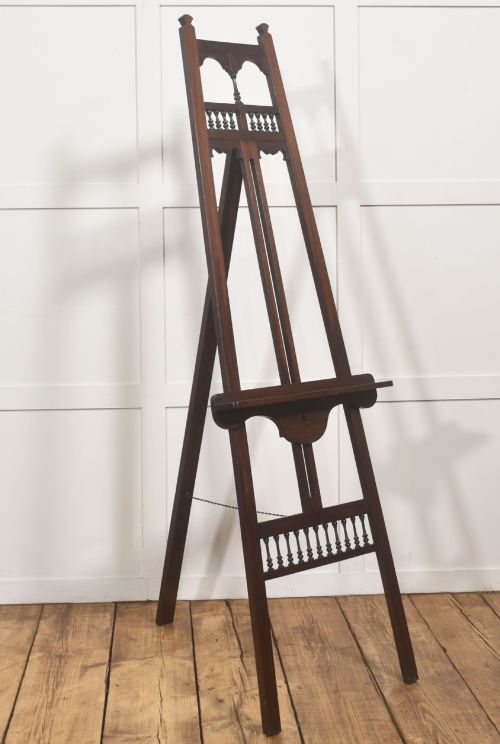
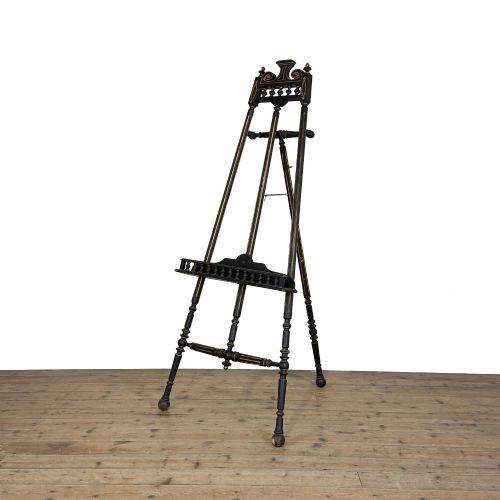
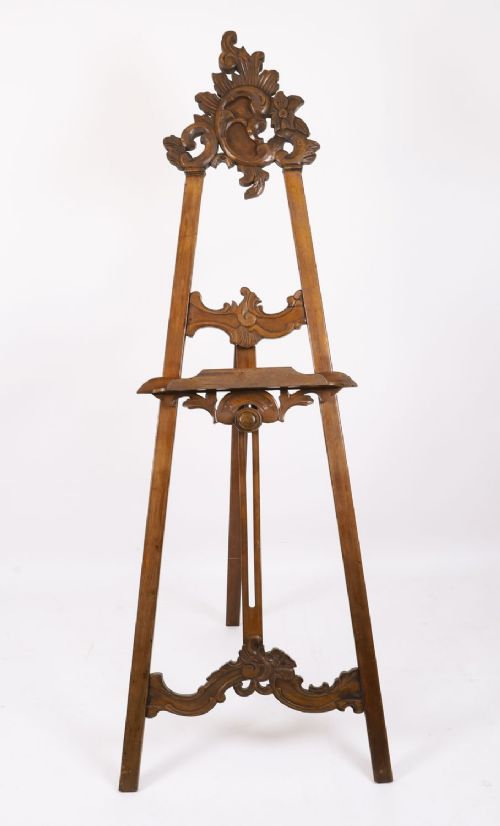
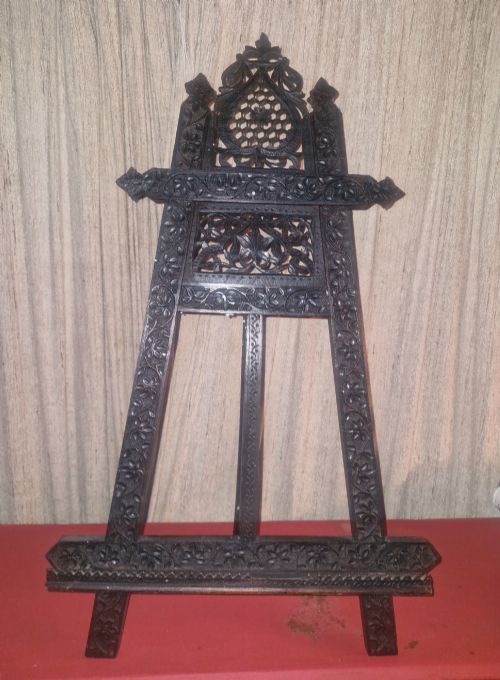

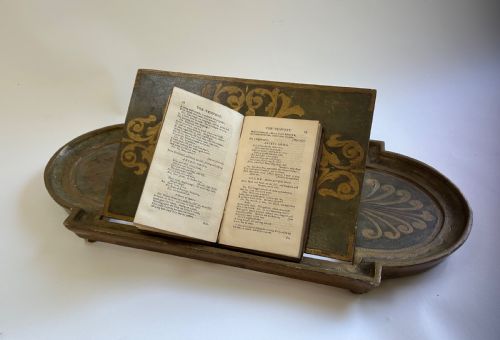


Carved Wooden Easel
A carved wooden easel brings functional display and sculptural depth to any room, holding books, mirrors or art with genuine presence.
Carved Wooden Easel
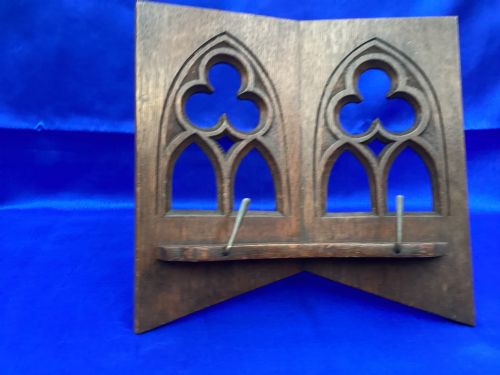
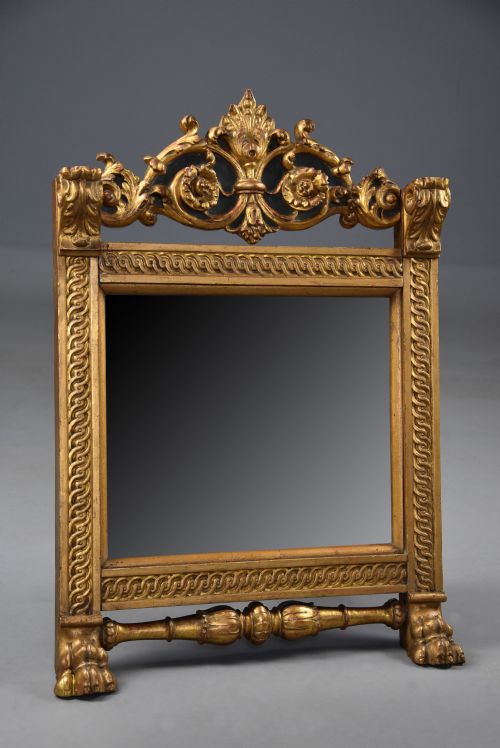
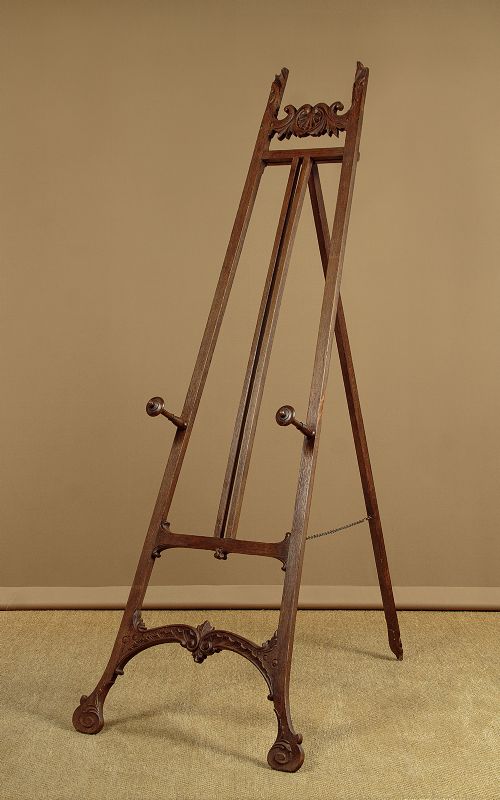
A carved wooden easel functions primarily to support picture frames, books, or tabletop mirrors, serving both utilitarian and decorative roles in historic interiors. These items emerge in diverse forms, from floor-standing pieces to compact desk items.
The selections here span periods from the eighteenth century through to the early twentieth century, taking in Victorian, Edwardian, and Regency eras. Oak, mahogany, ebonised wood, and giltwood dominate the physical record.
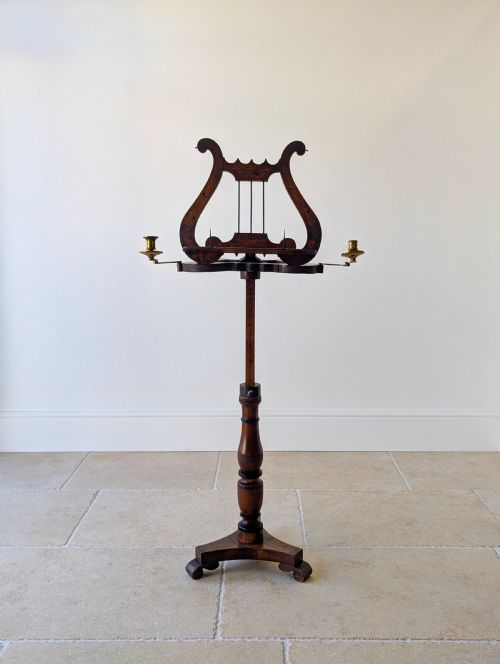
Buyers most frequently encounter Victorian and Edwardian iterations on this page, often featuring regional interpretations like Anglo-Indian carving, Florentine scrollwork, or Gothic Revival motifs. Alongside conventional easels, the inventory incorporates book stands, music stands, and table mirrors.
How they were made
Makers utilised solid timbers such as oak, walnut, and mahogany, often applying gesso and gold leaf to carved giltwood frames. Ebonised finishes provided a dark, dramatic surface popular during the nineteenth century.
Carving techniques varied from deep relief work found on Florentine and Renaissance style items to the intricate figurative detail of Black Forest or Chinese dragon motifs. Joinery combined traditional framing methods with folding mechanisms in walnut and mahogany book stands.
Carved Wooden Easel Retail Price Guide 2026
Typical asking prices for carved wooden easel among the pieces listed under this phrase on Sellingantiques today, from the lower quarter to the upper quarter. They describe what is for sale here now, not the wider market.
The listings span from the eighteenth century to the 1920s, featuring oak, mahogany, walnut, and giltwood across various regional styles.
What varies in quality
The standard of carving defines the upper tier of these pieces, where crisp undercut foliage and balanced proportions distinguish professional workshop output from simpler output. Depth and clarity in the timber embellishments separate ordinary items from exceptional examples.
Material selection and surface finish dictate longevity and visual impact, particularly where original gilding, ebonising, or polish remains intact. The complexity of the design, such as lyre-form music stands or swan-decorated frames, correlates with the ambition of the original maker.
The Carved Wooden Easel Glossary
- Giltwood
- Wood that has been coated with gold leaf over a prepared gesso ground. This finish appears frequently on nineteenth century display pieces and table mirrors.
- Ebonised wood
- Timber treated to resemble ebony through staining or painting. The technique gained prominence during the Victorian period for dramatic effect.
- Gesso
- A plaster-like mixture applied to wood as a base for gilding or painting. It accepts fine detail work before leaf application.
- Lyre-form
- A shape resembling the ancient musical instrument, often utilised in the central support of Regency music stands and reading desks.
Carved Wooden Easel: Frequently Asked Questions
What were carved wooden easels used for?
These pieces served to hold books, display artworks, or support tabletop mirrors in domestic interiors. They allowed owners to showcase prized volumes or paintings at a convenient viewing angle.
Larger floor standing examples accommodated heavy canvases, while smaller desk versions supported folios or music scores during performance.
How do I identify a Victorian easel?
Victorian examples often display eclectic revival styles such as Gothic, Renaissance, or Aesthetic movement influences. They frequently utilise ebonised wood, heavy oak carving, or gilt finishes.
Construction details and timber patination help distinguish these nineteenth century items from later Edwardian reproductions.
Are book stands considered easels?
Book stands share the same supporting function and adjustable inclination as display easels. Many share identical decorative vocabularies, including carved wooden supports and folding mechanisms.
Makers frequently applied similar stylistic treatments to both book stands and picture display frames during the nineteenth century.
How should I care for antique giltwood?
Giltwood surfaces require gentle dusting with a soft dry brush to protect the delicate gold leaf and gesso layers. Moisture and harsh cleaning agents will damage the finish.
Placing pieces away from direct sunlight and fluctuating humidity preserves the underlying timber and surface decoration.