

Antique Painting Display Stand
An antique painting display stand holds a canvas or framed work for viewing, bringing period craftsmanship and presence to any room.
Antique Painting Display Stand
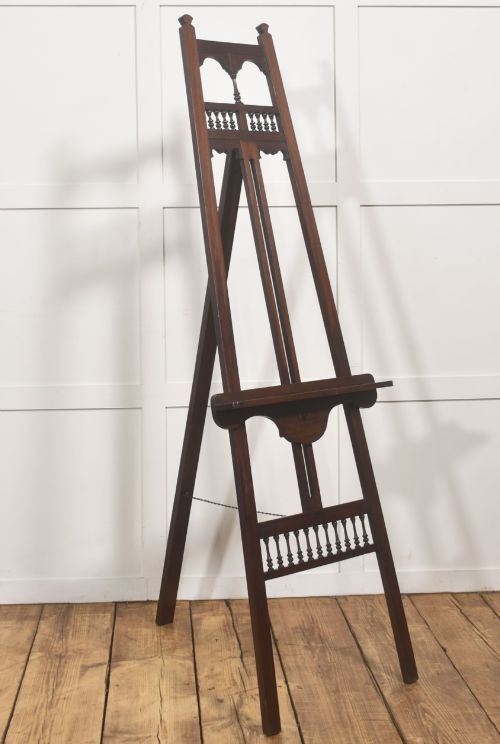
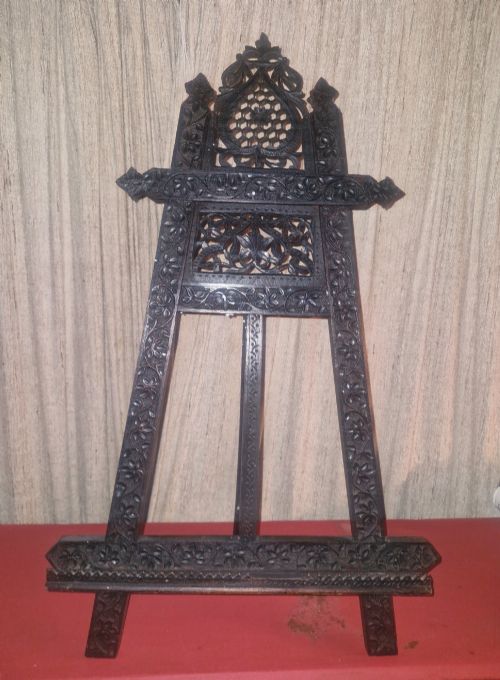
An antique painting display stand primarily takes the form of a floor-standing or tabletop easel designed to showcase artwork rather than merely support a working artist. These pieces date across the nineteenth and twentieth centuries, spanning Victorian, Edwardian, and later periods.
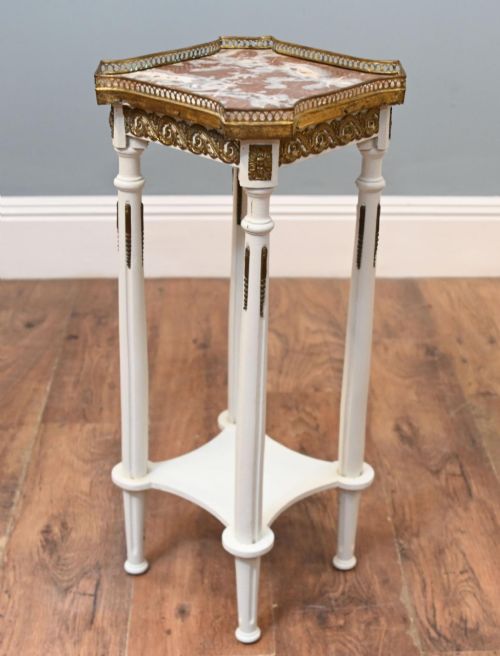
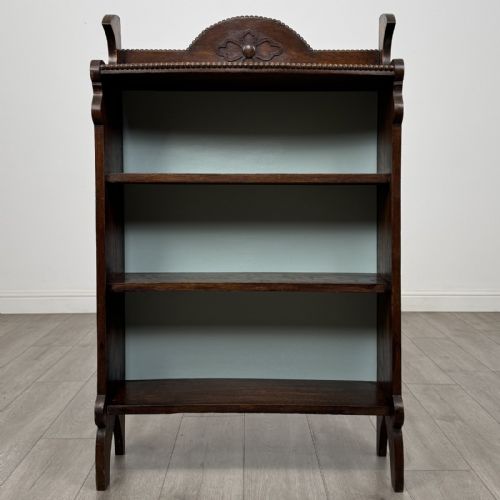
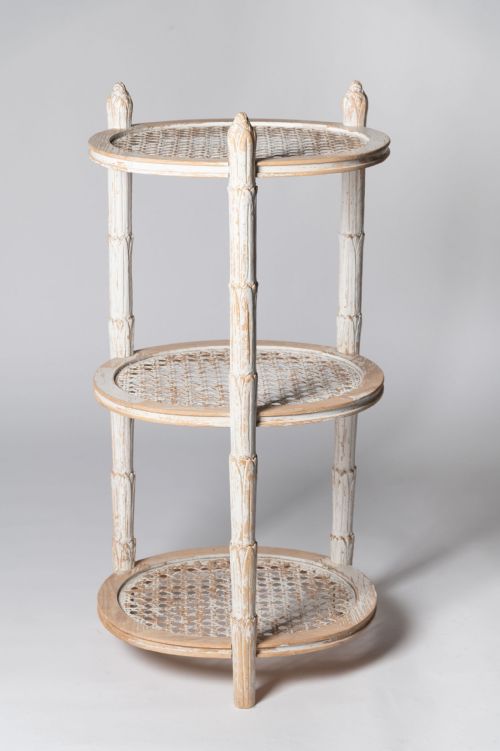
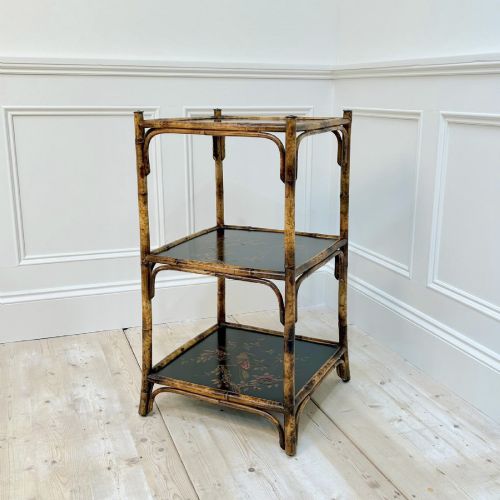
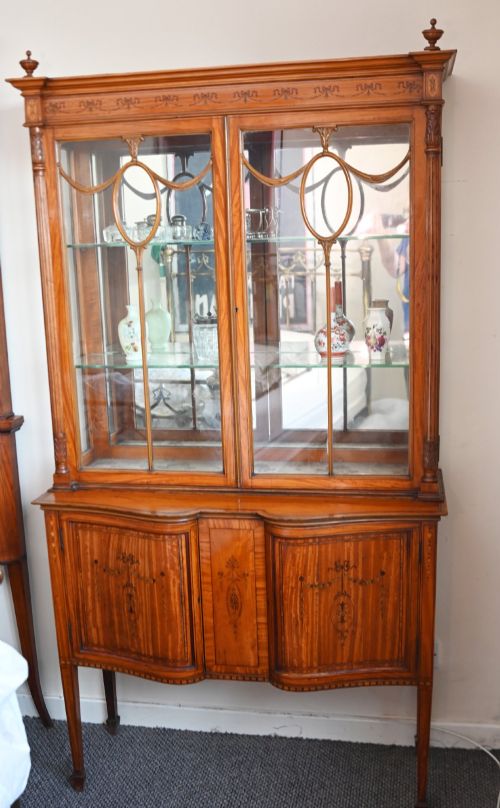
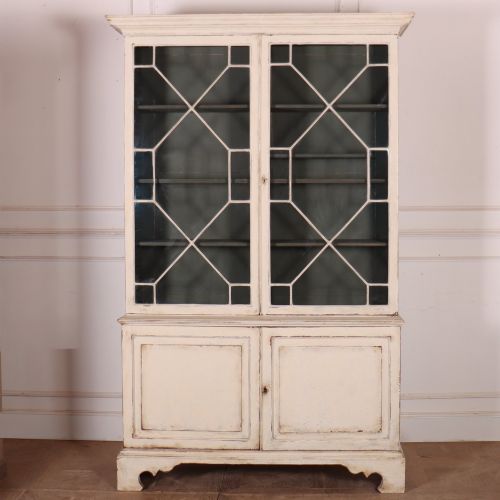
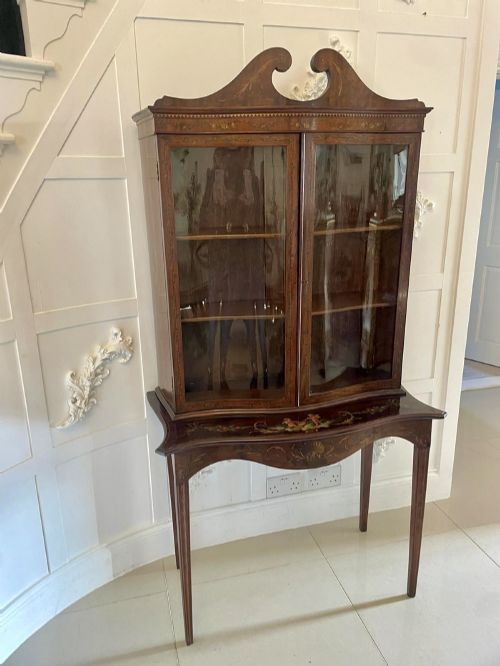
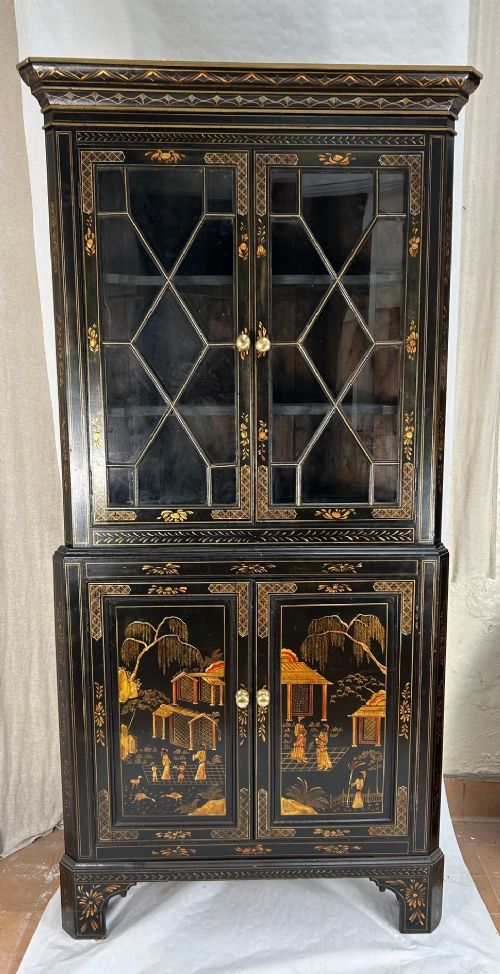
Beyond traditional easels, the search for an antique painting display stand encompasses related display furniture such as pedestals, cabinets, and etageres that elevate visual objects. Oak, mahogany, and pine form the core of the wooden structures found in this category.
Origin points range from English workshops to French provincial makers, often bearing painted decoration, gilding, or ebonised surfaces that reflect the aesthetic tastes of their respective decades.
Materials and construction methods
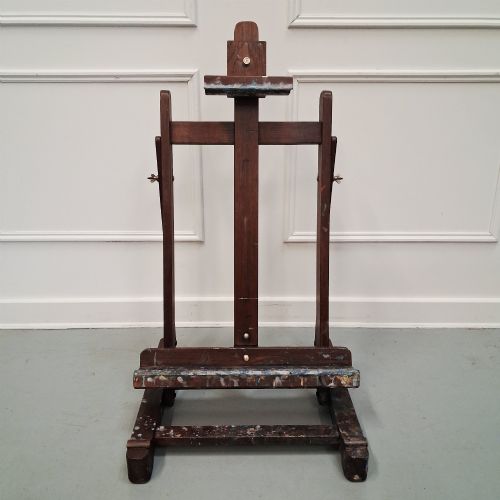
Joinery on these stands relies on traditional timber framing using woods such as oak, mahogany, kingwood, and pitch pine. Structural integrity often includes adjustable brass mechanisms on floor-standing studio models to alter the height and angle of the held canvas.
Surface treatments vary significantly, utilising applied paint, gold leaf, lacquer, and faux marble finishes alongside natural wax and polish. Cabinet makers and joiners shaped these pieces to combine utility with the decorative movements of the nineteenth and twentieth centuries.
Antique Painting Display Stand Retail Price Guide 2026
Typical asking prices for painting display stand among the pieces listed under this phrase on Sellingantiques today, from the lower quarter to the upper quarter. They describe what is for sale here now, not the wider market.
Listings span the eighteenth to the twentieth centuries, featuring woods like mahogany and oak alongside brass, glass, and gold leaf.
Judging the quality of a stand
The standard of a piece rests on the precision of its adjustments, the weight and stability of its base, and the integrity of its timber. Superior examples retain original mechanical brass wringers, screws, and hinges that operate smoothly without binding.
Decorative finish also defines the hierarchy, distinguishing simpler utilitarian workshop easels from finely carved, lacquered, or painted specimens intended for formal drawing rooms. Original surface treatments and untouched patination elevate the standing of any piece within this group.
Dunfermline Clay Company
The Antique Painting Display Stand Glossary
- Easel
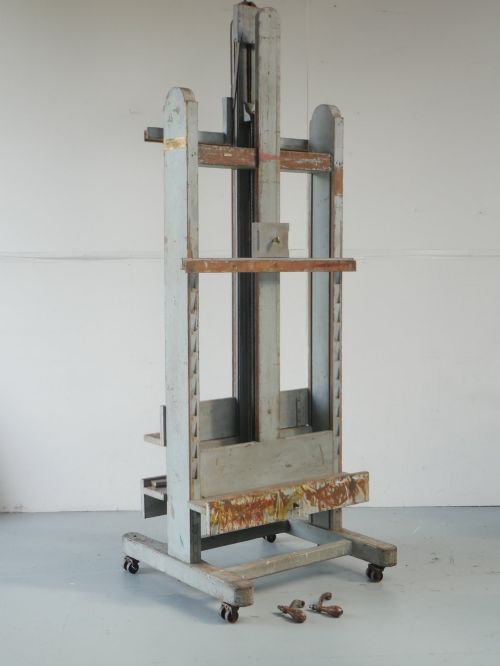
- A freestanding framework used to hold a painting or drawing upright. Most examples encountered in this category feature adjustable pegs or ledges for height configuration.
- Pedestal
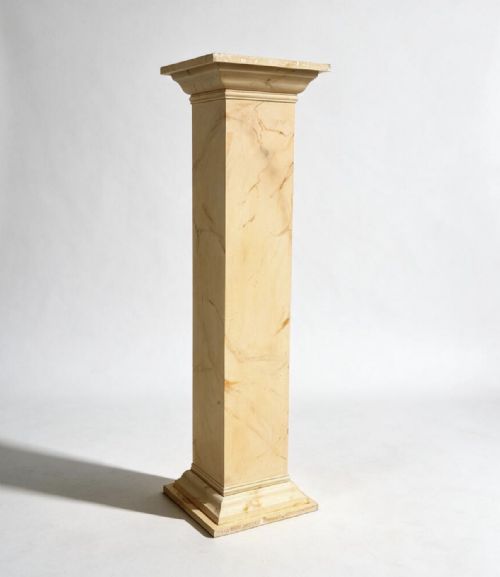
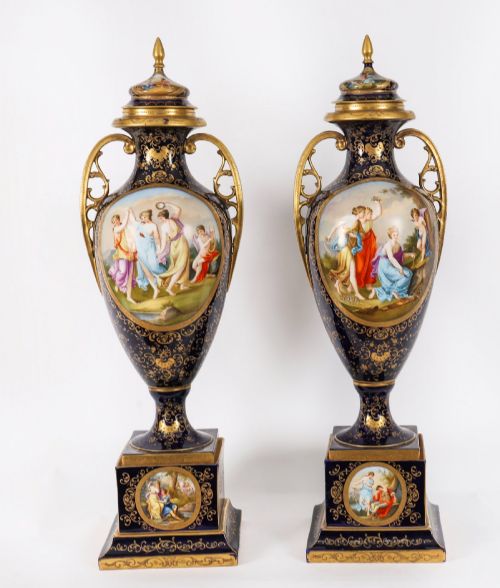
- An architectural column or plinth designed to elevate a bust, vase, or decorative stand. They appear in wood, terracotta, and faux marble finishes.
- Étagère
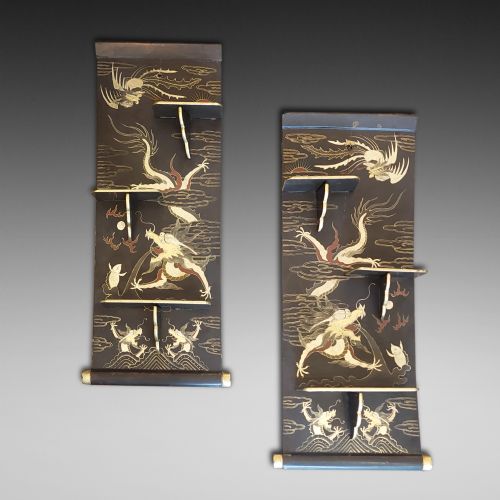
- A piece of furniture consisting of a set of open shelves for displaying small objects. These tiered stands often feature two or three levels.
- Vernis Martin
- A type of simulated Japanese lacquer developed in eighteenth-century France and emulated later. It involves multiple layers of varnish to create a lustrous decorative finish.
- Aesthetic Movement
- A late nineteenth-century design style that emphasised art for art's sake. Pieces from this movement often display ebonised wood and geometric decoration.
Antique Painting Display Stand: Frequently Asked Questions
What is the difference between a studio easel and a display easel?
Studio easels are heavy, functional pieces designed to hold canvases while an artist works, often featuring large wooden frames and complex mechanical adjustment controls.
Display easels are lighter, more decorative structures built specifically to present finished paintings to viewers in a gallery or drawing room setting.
How do I know if the paint finish is original?
Original painted decoration shows natural craquelure, wear consistent with age, and integration with the underlying timber grain. Later re-decoration often sits heavily on the surface without the expected integration into the wood.
Close inspection under natural light reveals whether gilding or lacquer work shares the same patina as the structural joints beneath.
Can these stands support heavy framed oils?
Floor-standing studio models in robust oak or mahogany are engineered to bear considerable weight and large canvases securely. Tabletop versions and lighter decorative stands suit smaller watercolours or framed portrait miniatures rather than massive oil paintings.
Where were these pieces typically used?
Many larger adjustable easels originated in Victorian artist workshops and studios across Britain and France. Lighter decorative stands and etageres belonged in domestic drawing rooms, libraries, and parlours for exhibiting prized artworks.