

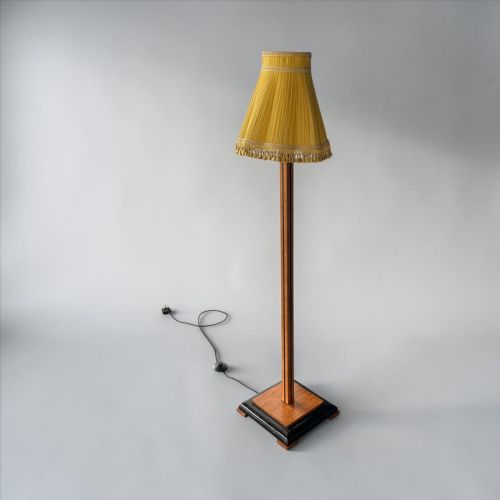
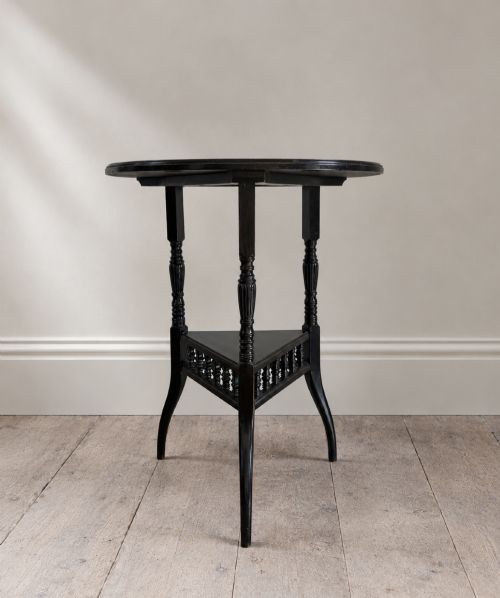
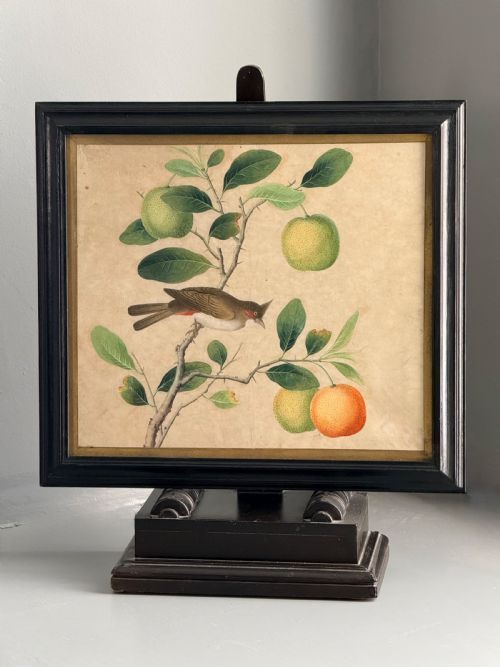
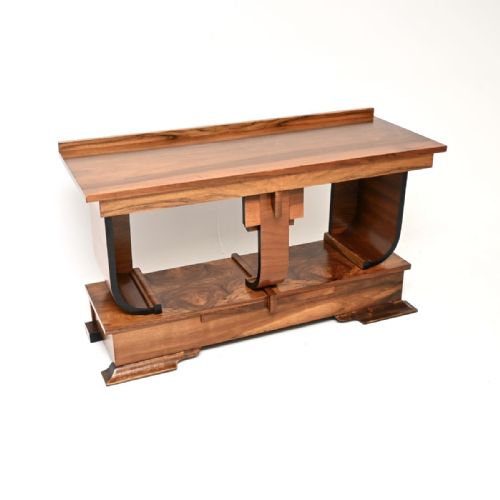


Ebonised Art Stand
An ebonised art stand brings dark, dramatic form to a room, offering a striking stage for display.
Ebonised Art Stand
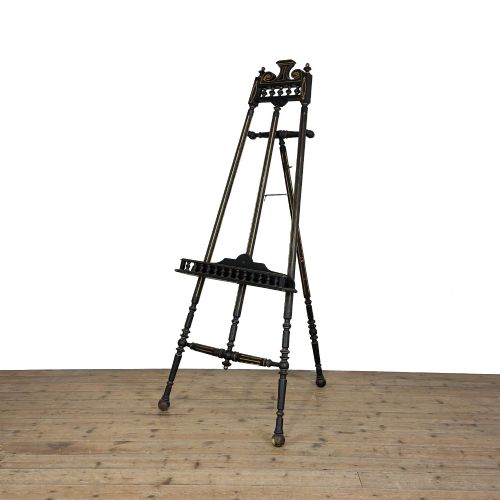
When you search for an ebonised art stand, you encounter pieces designed to display ornaments, plants, and works of art with striking visual contrast. These items include plant stands, pedestal stands, and floor standing easels originating from the nineteenth and twentieth centuries.
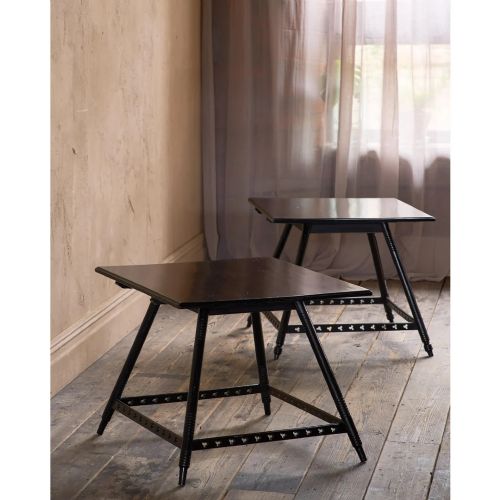
The versions you are most likely to meet on this page span the Aesthetic Movement, Arts and Crafts, and Art Deco styles. They combine dark timber surfaces with forms ranging from Anglo-Japanese occasional pieces to robust Victorian and Edwardian supports.
How they were made
These stands rely on ebonised wood and ebonised hardwood, often using techniques that stain or treat timber to mimic expensive ebony. Makers frequently integrated brass details, gold leaf accents, and occasional walnut components to heighten the decorative effect.
Construction methods reflect the prevailing cabinet-making standards of their respective periods, utilising solid timbers alongside hand-carved elements. Surface finishes vary from simple dark stains to lacquered Aesthetic Movement treatments.
Ebonised Art Stand Retail Price Guide 2026
Typical asking prices for ebonised art stand among the pieces listed under this phrase on Sellingantiques today, from the lower quarter to the upper quarter. They describe what is for sale here now, not the wider market.
Styles represented include Victorian, Edwardian, Art Deco, and Arts and Crafts alongside Anglo-Japanese designs.
What varies in quality
Quality in these pieces rests upon the crispness of the carving, the integrity of the ebonised finish, and the balance of the proportions. Superior examples display refined joinery and thoughtful detailing rather than purely utilitarian construction.
The distinction between standard commercial output and finer work lies in the selection of the underlying timber and the application of decorative elements like gold leaf or brass fittings.
Liberty of London·Liberty and Co
The Ebonised Art Stand Glossary
- Ebonised
- Timber treated with a dark stain or finish to imitate true ebony wood. This technique gained immense popularity during the Victorian and Aesthetic periods.
- Aesthetic Movement
- A nineteenth-century design style that emphasised visual beauty over narrative or moral function. It drew heavy inspiration from Japanese art and craftsmanship.
- Pedestal Stand
- A tall, slender piece of furniture designed to elevate a vase, sculpture, or plant. These stands are typically square or round in plan.
- Torchere
- A tall ornamental stand originally intended to hold a candle or torch. In later periods, the term describes tall plant and jardiniere stands.
Ebonised Art Stand: Frequently Asked Questions
What is an ebonised art stand used for?
These stands serve primarily to elevate and display decorative objects, plants, and sculptures within a domestic interior. Their dark finish allows colourful or metallic items placed upon them to stand out sharply.
Historically, they occupied corners and reception rooms as deliberate focal points of artistic arrangement.
How do I identify an Aesthetic Movement stand?
Look for clean structural lines influenced by Japanese design, often combined with ebonised wood and subtle brass or gold leaf highlights. These pieces avoid heavy Victorian ornamentation in favour of slender, balanced geometry.
They frequently date from the late nineteenth century and pair well with contemporary or traditional interiors.
Where should I place a pedestal stand?
A pedestal stand performs best in a corner, hallway, or empty wall space where it can support a sculptural vase or trailing plant without obstructing movement. Ensure the floor is level so that tall, narrow stands remain stable.
Pairing them with adequate lighting enhances the shadows and highlights of the ebonised wood.