




Vintage Portrait Easel Stand
These vintage portrait easel stand examples bring refined display to photographs and artwork, offering both adjustable support and decorative framing.
Vintage Portrait Easel Stand
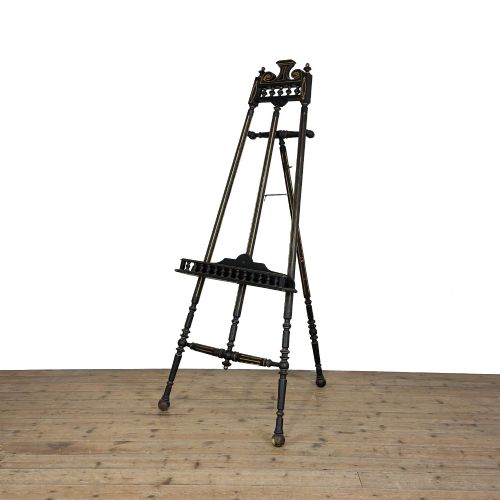
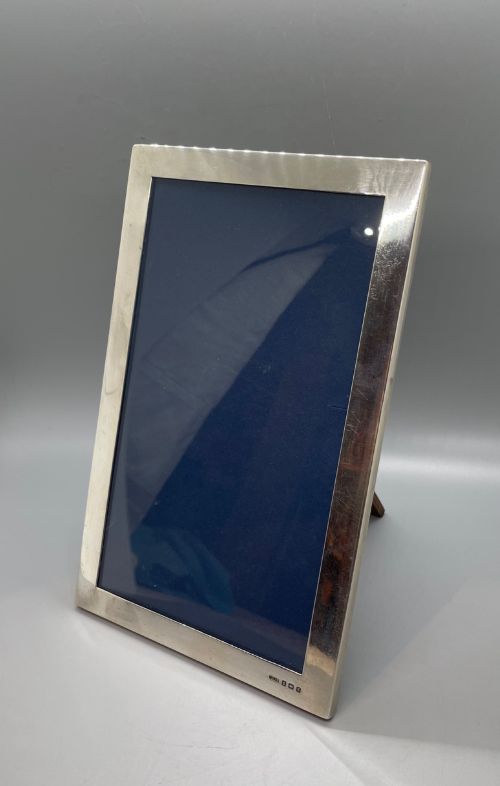
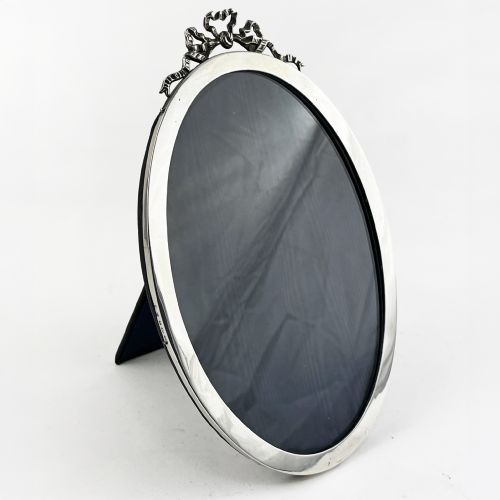
A vintage portrait easel stand combines structural display with decorative framing, often taking the form of desk or floor standing pieces designed to showcase photographs and paintings. When exploring a vintage portrait easel stand, buyers encounter a diverse range of objects that double as picture frames and display easels.
The selection on this page spans several distinct eras, drawing from Victorian, Edwardian, and mid-century periods. Forms range from compact sterling silver and gilt bronze table frames to substantial ebonised aesthetic style floor standing easels and double-sided oak gallery pieces.
Materials and construction
Metalworking forms a cornerstone of these pieces, utilising sterling silver, cast iron, gilt bronze, and 800 silver shaped into intricate French Rococo, Art Nouveau, and Aesthetic Movement designs. Workshops employed techniques such as casting, ebonising, and silver smithing, often incorporating wooden backs, glass panels, velvet linings, and paste stones.
Wooden construction is equally prominent, featuring oak and ebonised timber fashioned into sturdy floor-standing frames and double-sided gallery easels. These wooden elements frequently work in tandem with brass hinges and textile components like silk and velvet to create functional, multi-angle display stands.
Vintage Portrait Easel Stand Retail Price Guide 2026
Typical asking prices for vintage portrait easel stand among the pieces listed under this phrase on Sellingantiques today, from the lower quarter to the upper quarter. They describe what is for sale here now, not the wider market.
Some frames incorporate paste stones alongside precious metals, adding a touch of theatrical sparkle to Victorian portraits.
Distinguishing quality
Quality in these stands rests upon the crispness of metal casting, the weight of the silver or bronze, and the integrity of structural joints. Pieces featuring hand-chased details, heavy gauge sterling silver, or complex mechanisms demonstrate superior craftsmanship compared to simpler production.
The refinement of secondary materials like silk and velvet linings, bevelled glass panes, and original wooden backs elevates an object's standing. Finer examples exhibit harmonious integration between the display easel and the picture frame housing, maintaining stable balance across various adjustable angles.
The Vintage Portrait Easel Stand Glossary
- Ebonised
- Wood treated to imitate ebony, commonly achieved through a dark staining process popular during the Victorian and Aesthetic periods.
- Gilt bronze
- Bronze metal coated with a thin layer of gold, frequently utilised in ornate French Rococo and decorative frames.
- Sterling silver
- An alloy of silver containing 92.5 percent pure silver by mass, widely hallmarked on Edwardian picture frames.
- Aesthetic Movement
- A late 19th-century design style emphasising visual beauty over narrative or moral themes, often reflected in ebonised woodwork.
- Paste stones
- Faceted glass or lead crystal cut and polished to resemble precious gemstones, set into decorative metal frames.
Vintage Portrait Easel Stand: Frequently Asked Questions
What is a vintage portrait easel stand used for?
These pieces serve primarily to display photographs, miniature paintings, and small artworks on tabletops or floors. They allow portraits to be showcased at inclined angles while adding decorative character to a room.
Many examples combine a picture frame with an integrated easel back, enabling them to stand securely without additional support. Others function as dedicated stands holding separate framed pieces.
How do I date a silver portrait frame?
Dating silver items often relies on hallmarks stamped directly into the metal. British pieces typically feature assay office marks, date letters, and maker's marks that pinpoint the exact year of manufacture.
Stylistic cues also help determine the period, such as the flowing organic lines of Art Nouveau or the restrained elegance of Edwardian designs.
Are floor standing easels adjustable?
Floor standing models often incorporate hinged legs or adjustable brackets designed to alter the display angle or height. This adjustability allowed artists and collectors to position works for optimal lighting.
Heavier examples utilise sturdy wooden or iron frames to maintain balance when supporting larger items.
How should I care for velvet and silk linings?
Textile elements like velvet and silk require gentle maintenance to preserve their texture and colour. Keeping them away from direct sunlight prevents fading of the fabric.
Dusting lightly with a soft, dry brush helps remove debris without disturbing the delicate fibres or backing materials.