





Studio Display Stand
These studio display stand pieces combine utility and craftsmanship, offering sturdy support for artworks and objects while anchoring a room with period character.
Studio Display Stand
A studio display stand encompasses a practical category of floor-standing and tabletop equipment designed to hold paintings, sculptures, and decorative items. When searching for a studio display stand, a buyer encounters pieces originating from the nineteenth century up through the nineteen-thirties, reflecting both domestic and professional artistic endeavours.
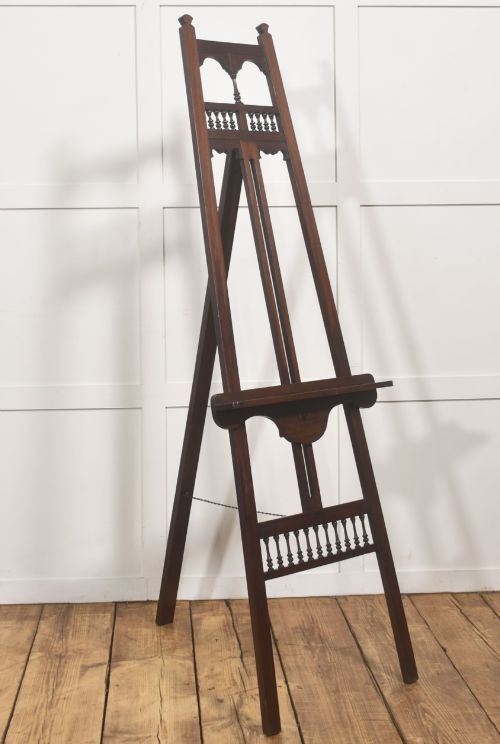
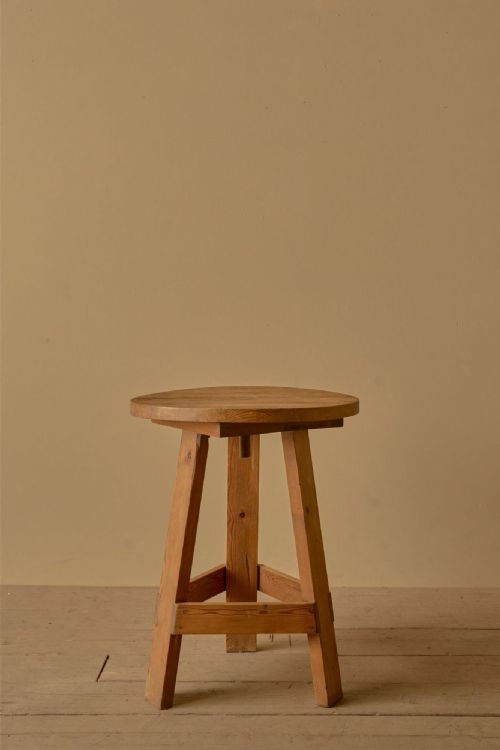
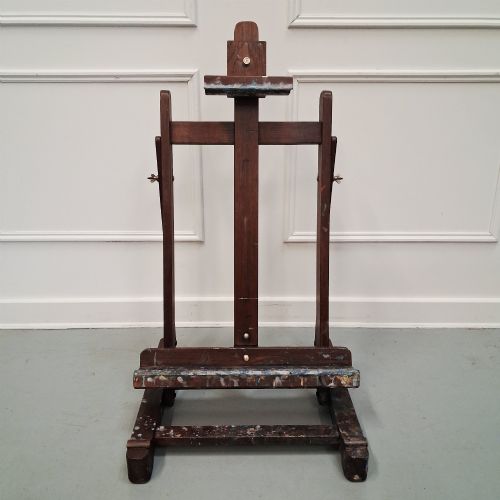
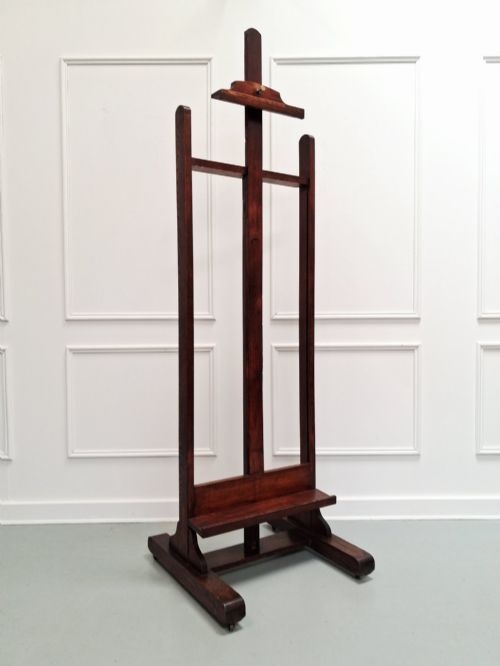
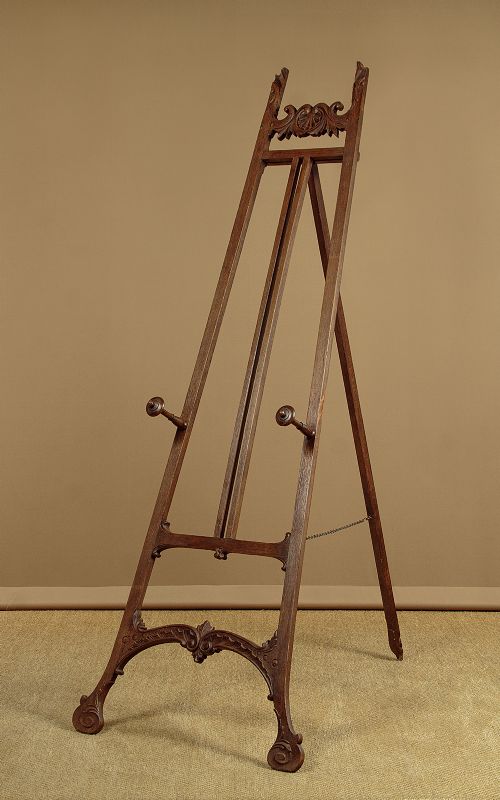
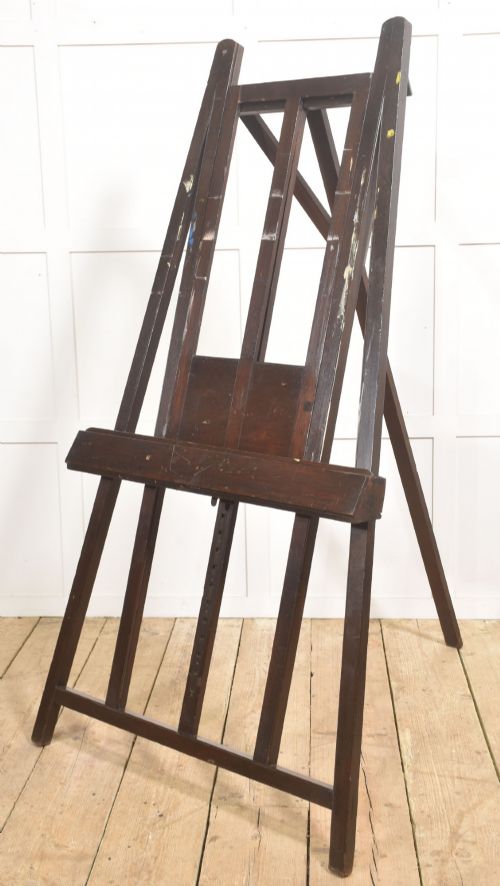
The most common formats on this page are floor-standing easels and pedestals, alongside smaller tabletop versions. Examples range from utilitarian studio models to ornate Victorian designs and French provincial pieces.
Origins vary across British and French workshops, with distinct regional preferences in timber and proportion. Buyers select these items to support canvases during creation or to exhibit finished works within a room.
How they were made
Makers built these stands predominantly using solid hardwoods such as oak and mahogany, alongside pine and metal components for mechanical parts. Oak appears in both British and French pieces, frequently finished with plain wax or left with its natural grain exposed.
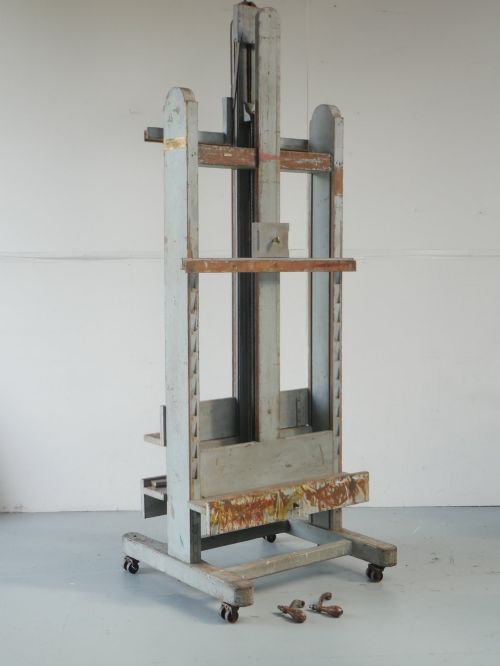
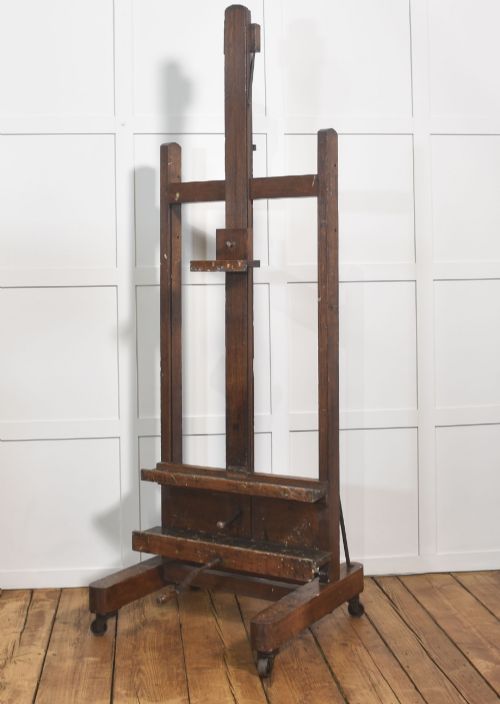
Construction methods prioritised heavy adjustment mechanisms utilising brass and cast iron fittings to raise and lower large frames. Sculptors stands and gallery easels often incorporated robust iron bracing and pivoting double-sided boards to manage heavy loads.
Studio Display Stand Retail Price Guide 2026
Typical asking prices for studio display stand among the pieces listed under this phrase on Sellingantiques today, from the lower quarter to the upper quarter. They describe what is for sale here now, not the wider market.
Listings feature oak, mahogany, and pine construction alongside brass and cast iron mechanical hardware across nineteenth and twentieth-century periods.
What varies in quality
Quality in a studio display stand rests upon the integrity of its mechanical adjustments and the robustness of its timber frame. Fully adjustable models with working brass screws and original cast iron winding gear demonstrate superior workshop capability compared to fixed structures.
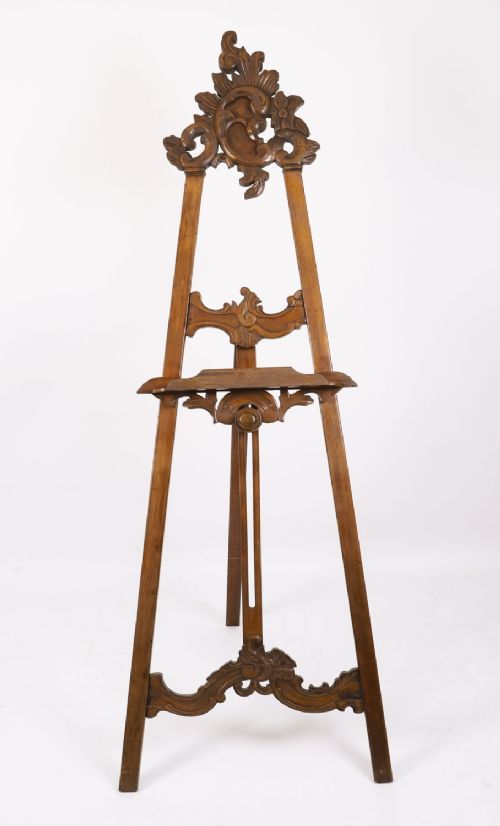
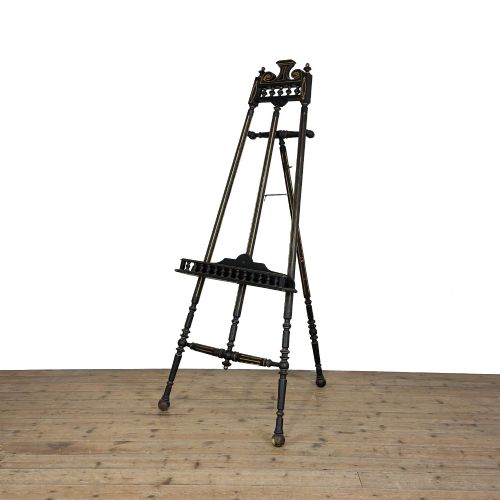
The choice of material and decorative detailing further separates standard utilitarian items from finer examples. Carved woodwork, swan motifs, and ebonised Aesthetic finishes indicate a higher standard of design ambition beyond mere workshop utility.
The Studio Display Stand Glossary
- Easel
- A freestanding upright support used for holding an artist's canvas or a finished picture on display. These typically feature adjustable pegs or shelves to secure works of varying heights.
- Pedestal
- A structural support column or stand used to elevate a sculpture, bust, or decorative object. Sculptor stands often incorporate heavy rotating tops to allow all-round access during modelling.
- Aesthetic Movement
- A late nineteenth-century design style emphasising visual beauty over narrative or moral content. Pieces in this style often feature ebonised surfaces and stylised ornamentation.
- Gallery Easel
- A heavy-duty display stand, sometimes double-sided, designed to showcase large framed artworks in a commercial or exhibition space. They often include wide bases and robust bracing for stability.
Studio Display Stand: Frequently Asked Questions
How do I adjust a studio easel?
Most period pieces rely on manual wooden pegs, sliding brackets, or brass winding handles connected to internal mechanisms. Turning the handle or shifting the peg allows the central shelf to move up or down the vertical track.
Care should be taken with older metal screws and oak runners to avoid binding the mechanism. Regular light waxing of the wooden tracks keeps the movement smooth.
Can these stands hold heavy modern artwork?
Floor-standing nineteenth-century models were originally constructed to bear the weight of large oil paintings and heavy gilt frames. Their robust oak or mahogany timber frames provide considerable structural stability.
Buyers should nevertheless inspect the base proportions and bracing arms to ensure safe weight distribution for modern pieces. Double-sided gallery formats offer exceptional balance for heavier displays.
What is the difference between an artist easel and a sculptor stand?
Artist easels are upright frames designed primarily to support flat canvases and panels at a working or viewing angle. They often include storage trays for brushes and paints.
Sculptor stands feature a flat rotating platform at the top rather than a vertical rack, built to support three-dimensional clay models or stone blocks. They prioritise a heavy revolving base over vertical height adjustment.
How should I clean an antique oak easel?
Dust the timber surfaces gently with a dry, soft cloth to remove everyday accumulation without disturbing the patina. Avoid modern silicone sprays or harsh chemical detergents that can penetrate the dry wood grain.
Applying a traditional beeswax polish occasionally will nourish the antique oak and maintain its deep finish. Metal winding parts and brass fittings benefit from careful cleaning with a dry cloth to prevent tarnishing.