


Victorian Painting Stand
A victorian painting stand offers a sturdy timber frame to support canvas or display artistic work, combining utilitarian design with period craftsmanship.
Victorian Painting Stand
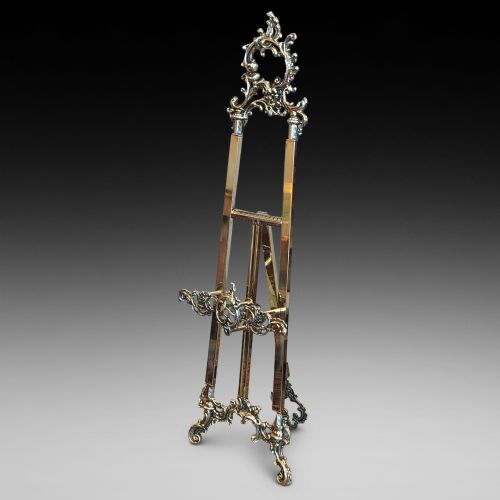
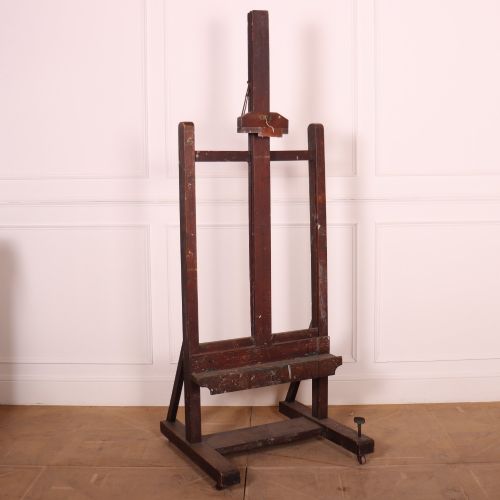
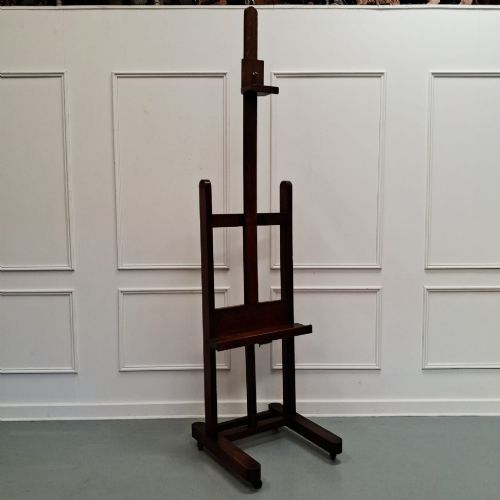
When you search for a victorian painting stand, you encounter sturdy floor-standing wooden easels and display frames dating from the nineteenth century. These items served artists in studios and homes across the period, constructed to hold canvases securely while work took place.
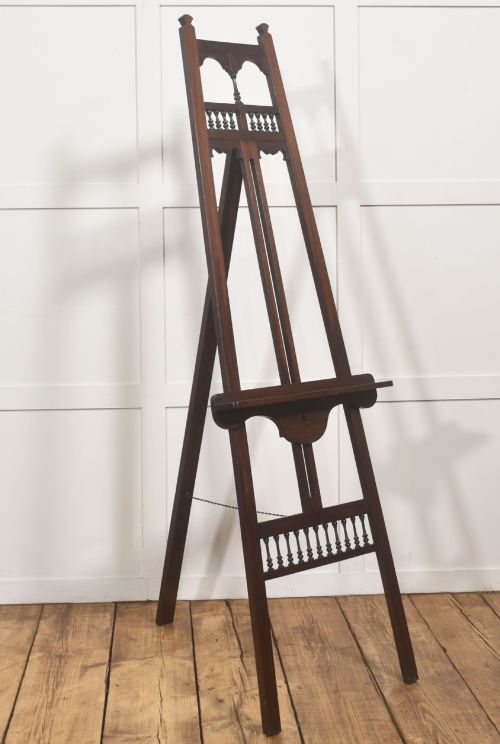
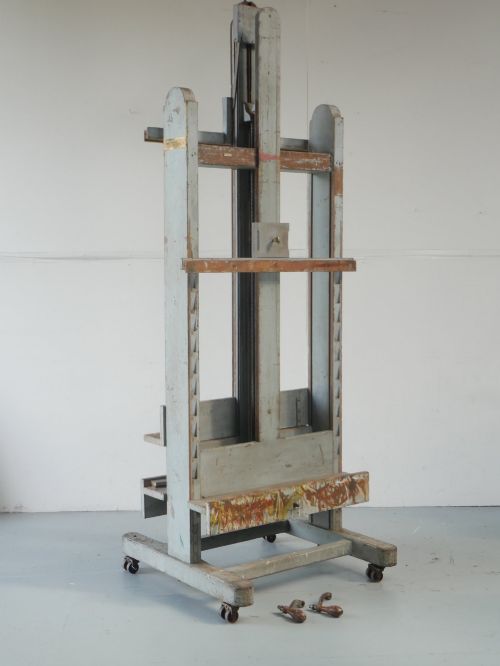
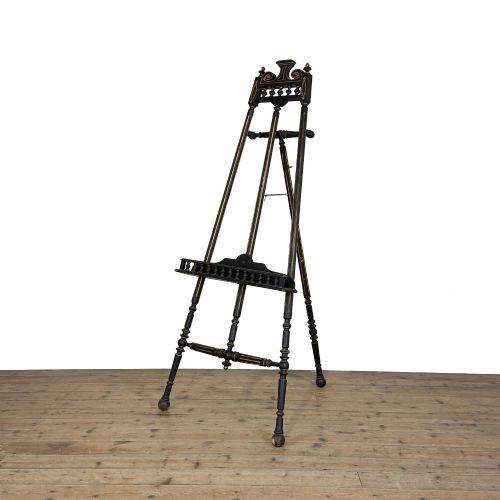
The versions most common on this page include large adjustable studio easels made from oak and mahogany, along with smaller variants influenced by the Gothic Revival and Aesthetic Movement. Many examples feature winding mechanisms and robust wooden bases designed for practical utility.
The selection reflects both professional artist equipment and domestic display furniture from the Victorian era. Walnut and pine also appear among the timber frames, demonstrating the varied manufacturing choices of nineteenth-century makers.
Materials and construction methods
Constructed predominantly from dense hardwoods such as oak, mahogany, and walnut, these stands relied on solid timber to support heavy canvases without warping. Joinery typically involved robust framing techniques suitable for heavy-duty daily use in artist studios.
Metal ratchets, winding handles, and iron brackets were frequently incorporated into studio easels to allow height adjustment and tilting mechanisms. These functional metal components were secured with screws and bolts designed to withstand regular mechanical stress.
Some decorative variations utilised ebonised finishes, hand-painted ornamentation, or carved wooden details reflecting contemporary design styles like the Aesthetic Movement and Gothic Revival.
Victorian Painting Stand Retail Price Guide 2026
Typical asking prices for victorian painting stand among the pieces listed under this phrase on Sellingantiques today, from the lower quarter to the upper quarter. They describe what is for sale here now, not the wider market.
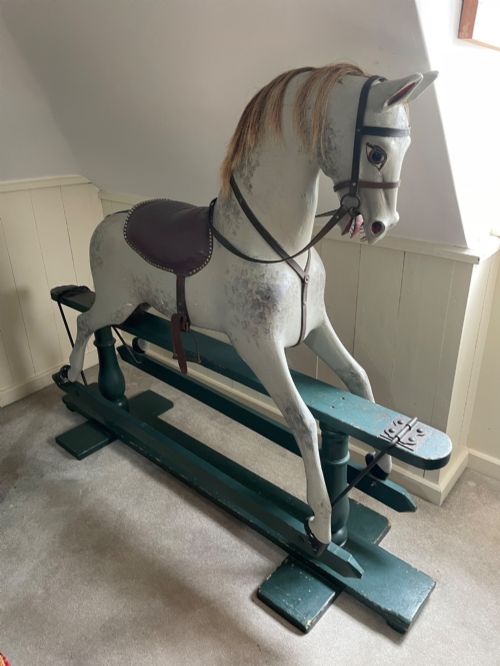
Several Victorian rocking horses appear alongside the painting stands, ready to gallop straight out of the studio.
Factors determining quality
The sophistication of the mechanical adjustment system separates standard utility pieces from superior studio models. Smoothly operating brass or iron ratchets and well-engineered winding mechanisms indicate higher original manufacture.
Timber selection and the density of the grain dictate the durability and visual weight of the frame. Well-figured mahogany and quarter-sawn oak represent the upper end of cabinet-making standards for these functional objects.
The integrity of the original joints and the preservation of surface finishes influence the overall standing of an individual piece. Retaining working mechanical parts without modern replacement components maintains the integrity of the object.
G J Lines·Coalbrookdale·Walker and Hall·Doulton Burslem·Daventport
The Victorian Painting Stand Glossary
- Studio easel
- A large floor-standing wooden frame designed for professional artists, often featuring mechanical winches or adjustable pegs to raise and lower heavy canvases.
- Gothic Revival
- A nineteenth-century design style drawing inspiration from medieval architecture, characterised by pointed arches, heavy carved tracery, and dark woods.
- Aesthetic Movement
- A late-nineteenth-century artistic movement promoting art for art's sake, favouring simplified forms, ebonised surfaces, and Japanese-influenced decoration.
- Quarter-sawn oak
- Timber cut radially from the growth rings, producing a distinctive decorative grain pattern and enhanced stability against warping.
- Ebonised
- Wood treated with a dark stain or finish to imitate expensive ebony, frequently utilised in nineteenth-century decorative furniture.
Victorian Painting Stand: Frequently Asked Questions
How do you adjust a studio easel?
Studio easels typically utilise a system of wooden pegs, sliding brackets, or metal winding handles connected to a central ratchet. Turning the handle rotates a gear mechanism that raises or lowers the central shelf holding the canvas.
Securing pins or screw-threaded bolts are then tightened to lock the frame firmly at the desired working height.
What wood was used for painting stands?
Nineteenth-century makers selected dense hardwoods capable of supporting significant weight without flexing under pressure. Oak and mahogany were the primary choices for large studio equipment due to their inherent strength.
Walnut and pine also appear in regional pieces and domestic display stands, depending on the required load and workshop location.
How do I date a Victorian easel?
Dating relies on examining construction techniques, fastener types, and stylistic influences from specific nineteenth-century design movements. Early pieces often display hand-cut joinery, while later examples incorporate mass-produced iron brackets and machine-cut screws.
Stylistic details such as Gothic Revival tracery or Aesthetic Movement ebonising provide further chronological context.
Were these stands used at home?
While professional studio easels served working artists, smaller folding and display variants were popular in Victorian drawing rooms for exhibiting framed pictures. Amateurs practicing watercolour painting also utilised domestic scale stands.
These lighter pieces often doubled as decorative furniture elements within the Victorian interior.