

Antique Stretcher Table
An antique stretcher table provides a sturdy surface defined by structural crossbeams, offering enduring utility across dining rooms and halls.
Antique Stretcher Table
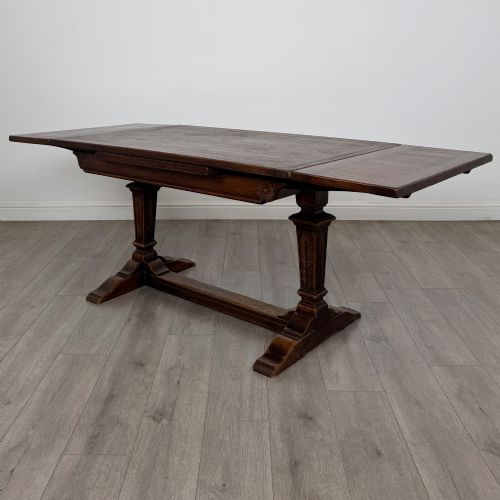
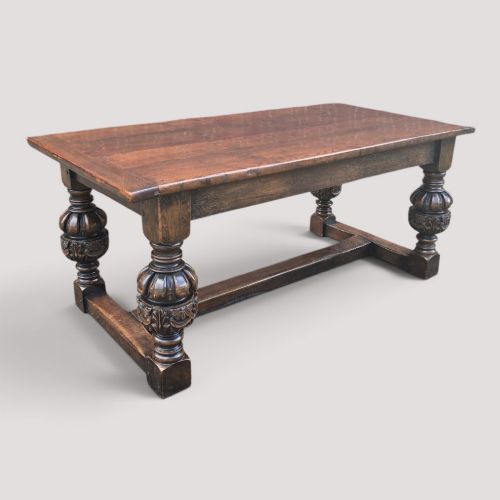
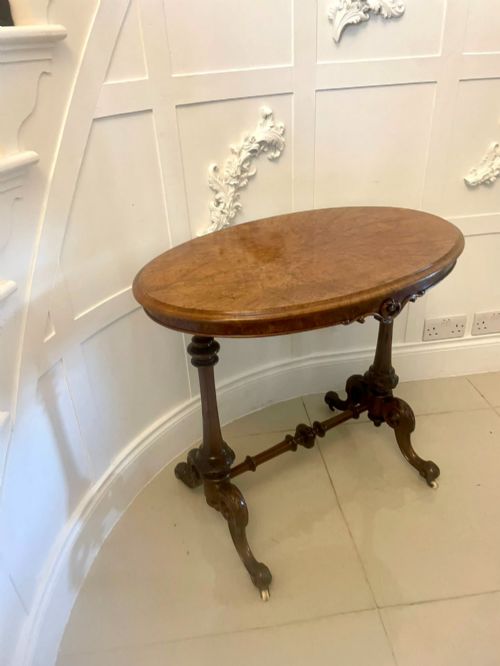
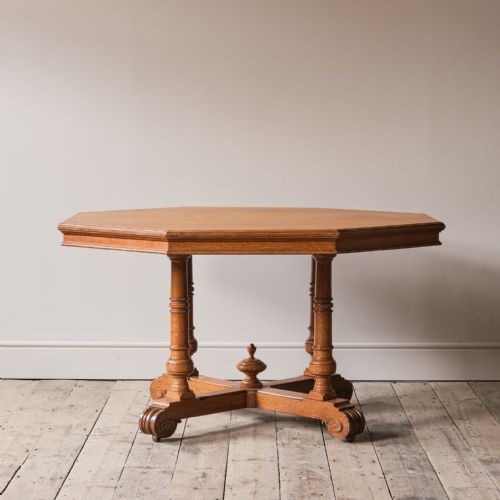
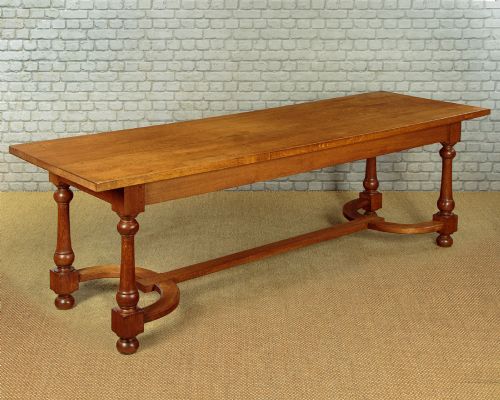
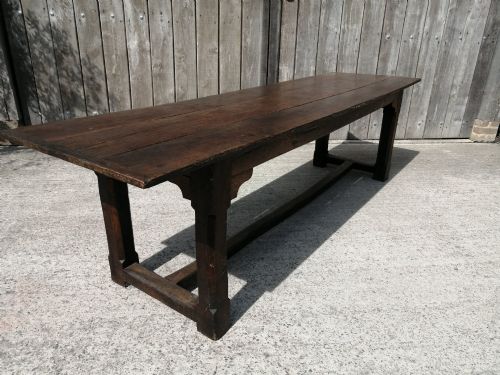
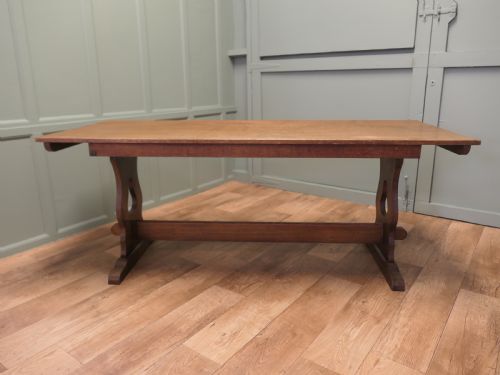
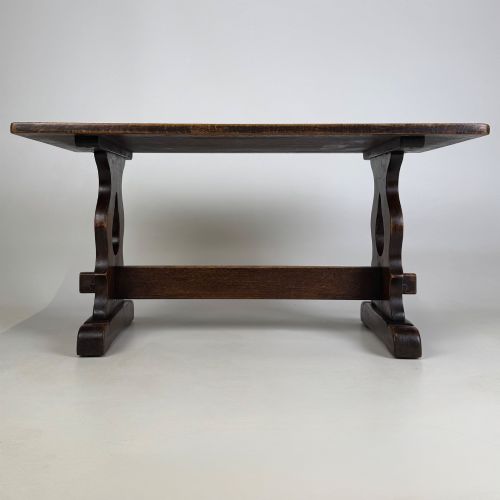
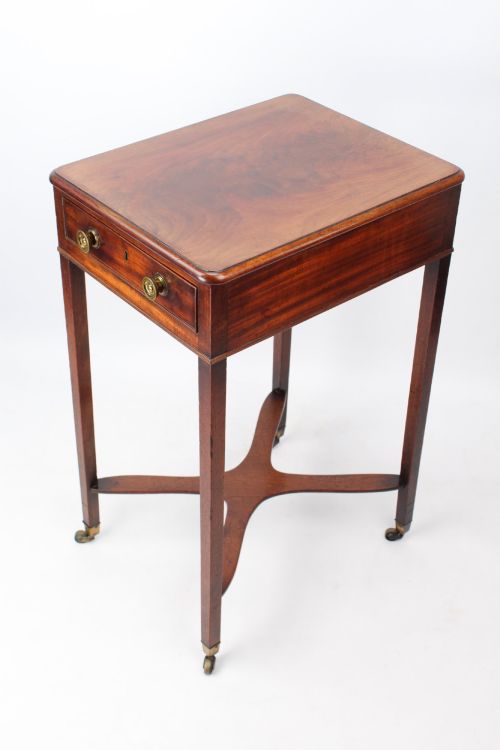
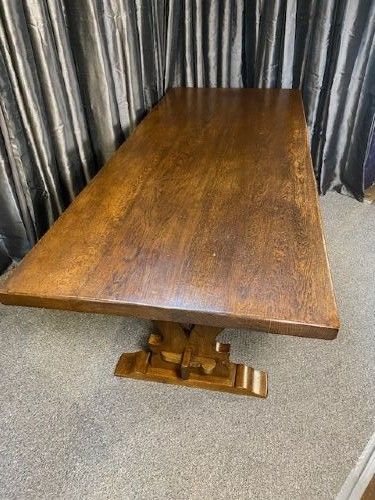
An antique stretcher table unites domestic utility with architectural framing, connecting its lower legs through horizontal timbers for added stability. The search phrase covers a broad typological range, spanning formal writing desks, refectory dining boards, and compact side or coffee tables. Pieces span multiple centuries, originating predominantly from the seventeenth, eighteenth, and nineteenth periods, alongside Edwardian revivals.
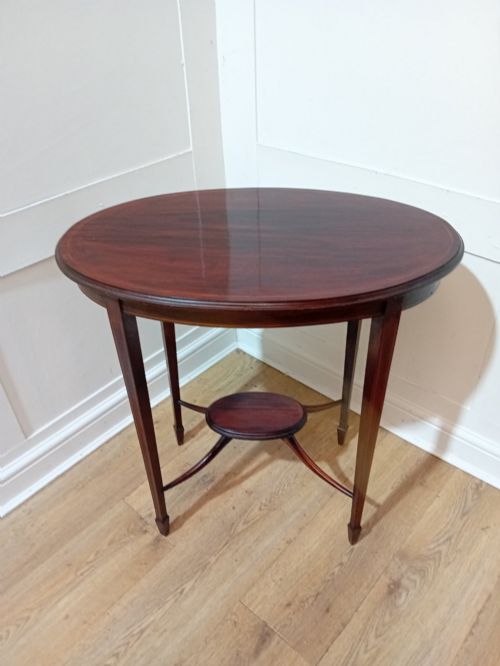
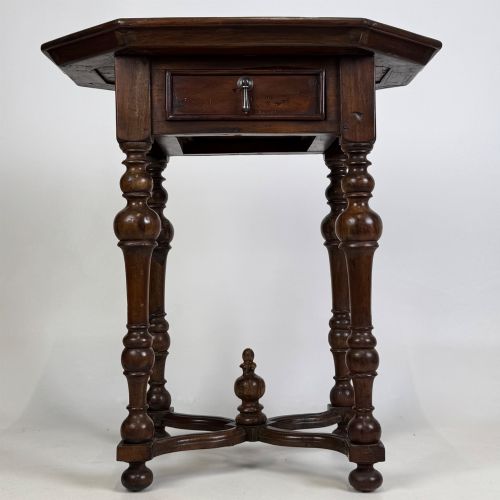
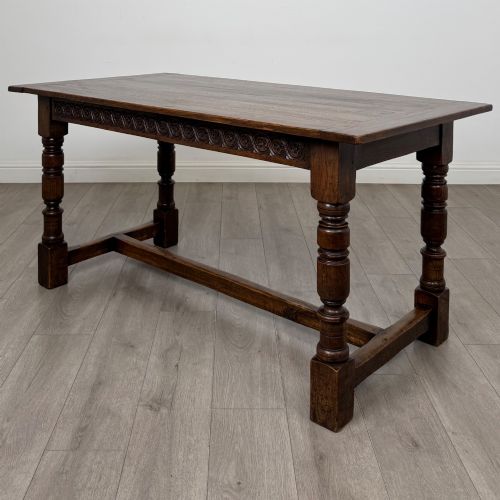
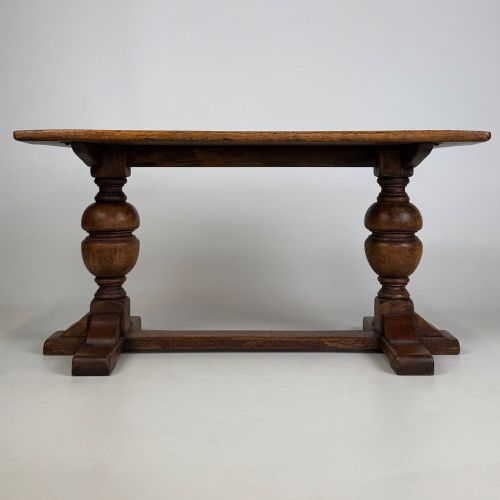
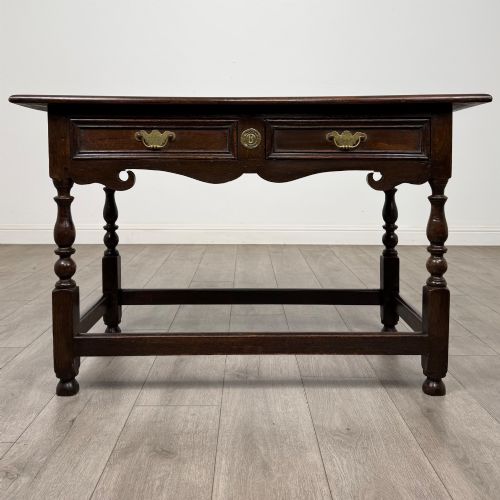
Buyers frequently encounter oak refectory boards and walnut or mahogany side tables featuring cross, H, or bobbin-turned stretchers. Forms range from large farmhouse dining tables to smaller occasional, lamp, and coffee tables adapted for modern rooms. These tables draw on styles including Jacobean, William and Mary, Arts and Crafts, and Victorian revivals.
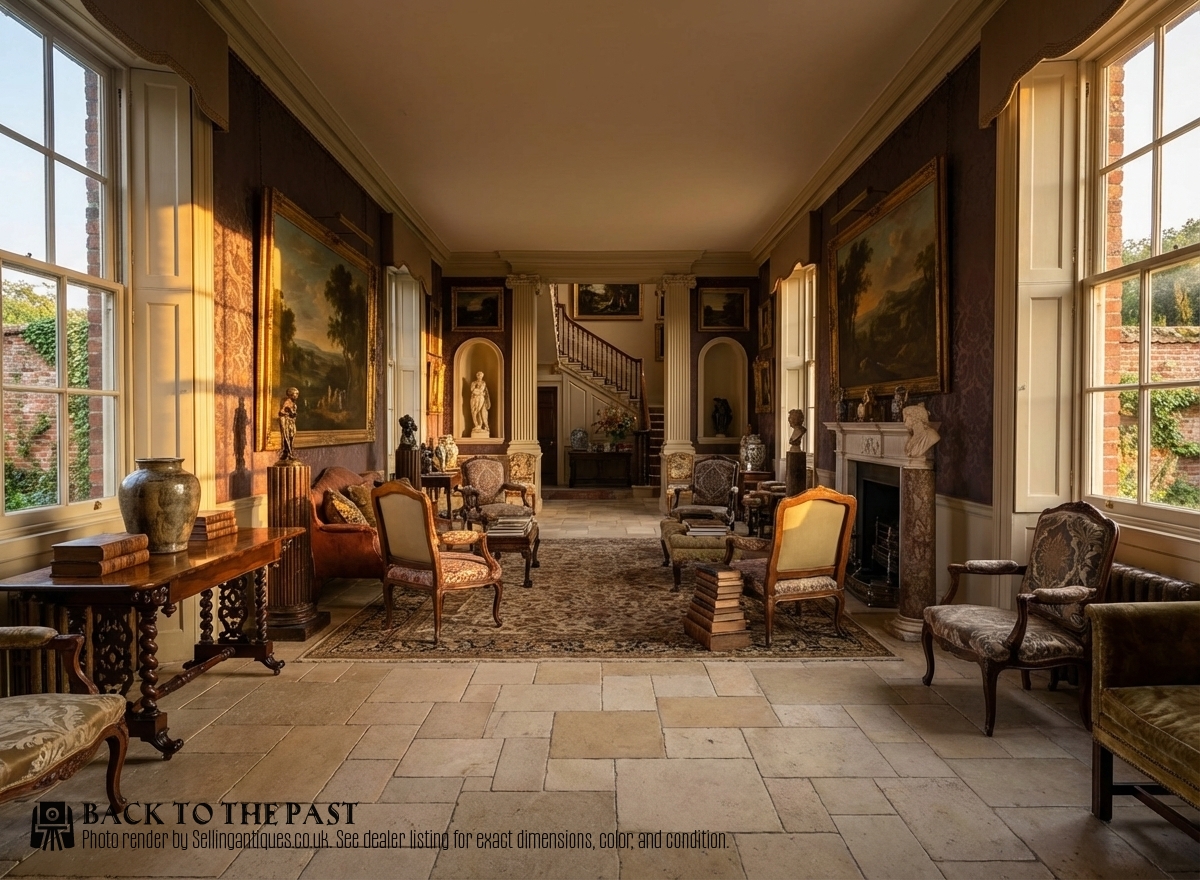
Assessing Quality
Quality rests in timber selection and the crispness of structural joinery rather than mere decorative flourish. Dense, figured burr walnut veneers or heavy, well-seasoned quarter-sawn oak command greater appreciation than softer secondary woods.
Proportion and underframe integrity dictate long-term durability. Tables with tight, hand-pegged joints and well-balanced stretcher placement demonstrate superior craftsmanship compared to later, loosely assembled revival pieces.
Antique Stretcher Table Retail Price Guide 2026
Typical asking prices for stretcher table among the pieces listed under this phrase on Sellingantiques today, from the lower quarter to the upper quarter. They describe what is for sale here now, not the wider market.
Listings feature oak, walnut, mahogany, burr walnut, pine, elm, satinwood, and brass across periods from the seventeenth to the twentieth century.
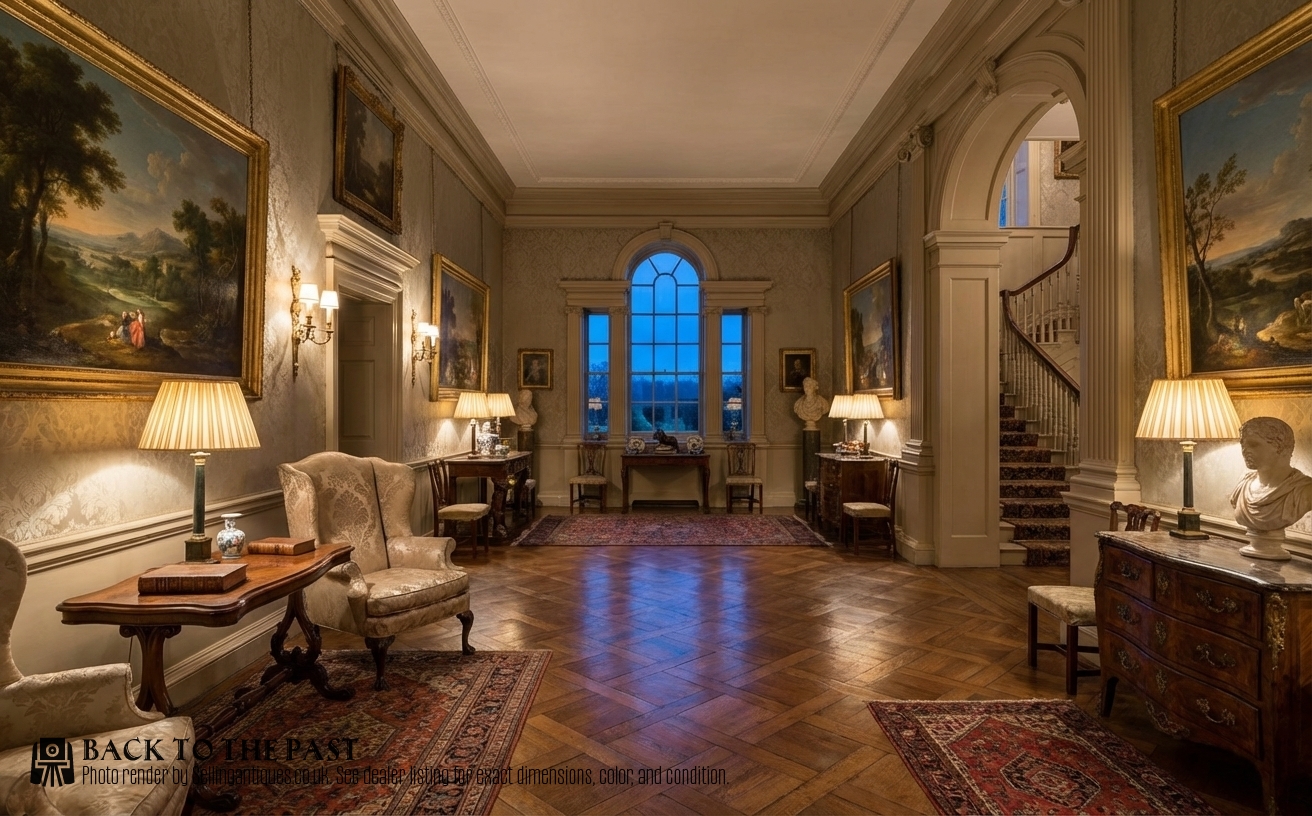
Johnstone and Jeanes
The Antique Stretcher Table Glossary
- Stretcher
- A horizontal timber connecting the legs of a table to provide structural rigidity and strength. These crossbeams can take the form of an X, an H, or a simple low rail.
- Refectory Table
- A long, narrow dining table traditionally used in monastic refectories and large domestic halls. They frequently feature heavy oak tops supported by substantial stretcher-linked legs.
- Bobbin-Turned
- A style of leg or stretcher lathe-carved to resemble a series of wooden bobbins or reels. This decorative turning is particularly associated with seventeenth-century joinery.
- Burr Walnut
- Timber taken from the warted excrescences of a walnut tree, yielding highly figured grain patterns. Cabinetmakers sliced this wood into thin veneers for high-status Victorian surfaces.
- Draw Leaf
- An expandable table design featuring two pull-out leaves stored beneath the main top. This mechanism extends the surface area without removing the central board.
Antique Stretcher Table: Frequently Asked Questions
What is an antique stretcher table?
An antique stretcher table is a functional surface supported by legs braced with horizontal wooden rails. These rails enhance stability and prevent the legs from wobbling.
They appear in various forms, including long dining refectories, compact side tables, and occasional writing desks produced across several centuries.
How do I identify seventeenth-century examples?
Seventeenth-century pieces typically feature heavy solid oak construction with hand-pegged joinery and simple turned stretchers. The timber often shows deep patination developed over centuries of use.
Details like bobbin-turning and low H-stretchers point directly to this early period of English cabinetmaking.
Where should I place a stretcher table?
Smaller side and coffee table formats suit living rooms and hallways as lamp or display surfaces. Longer refectory and dining versions fit spacious kitchens or dining rooms.
Their robust underframes allow them to withstand daily domestic use while anchoring a room's decorative scheme.
What wood types are most common?
Oak is the predominant timber for early refectory and side tables, prized for its strength and durability. Walnut, mahogany, and burr walnut become more prevalent in Victorian and Edwardian formats.
Pine and elm also appear frequently in country and farmhouse kitchen furniture.