
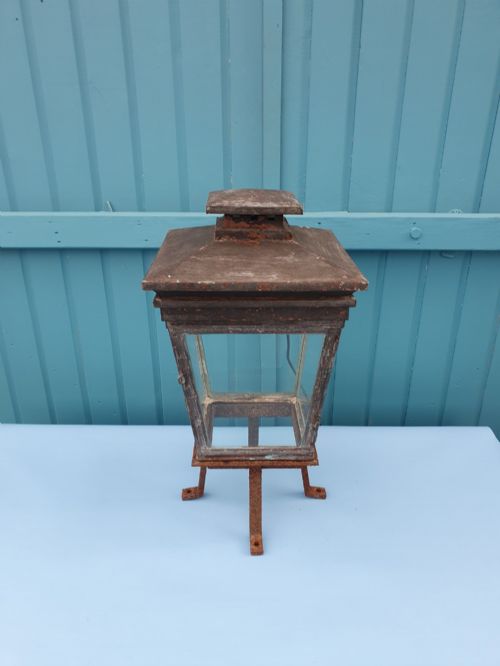


Antique Street Light
An antique street light brings genuine architectural presence to a garden or entrance, grounded in heavy metals and period glass.
Antique Street Light
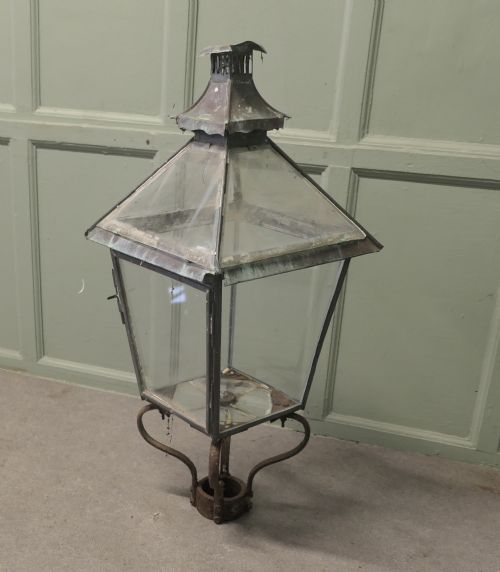
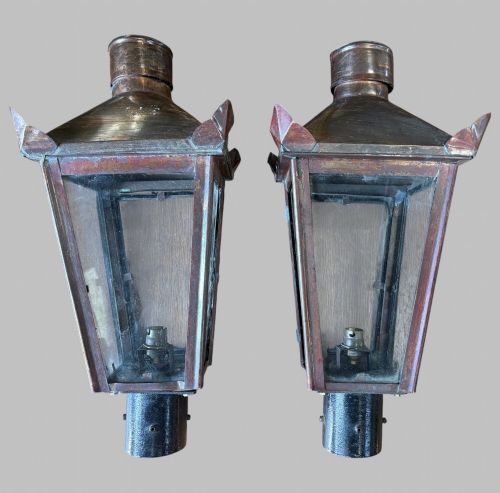
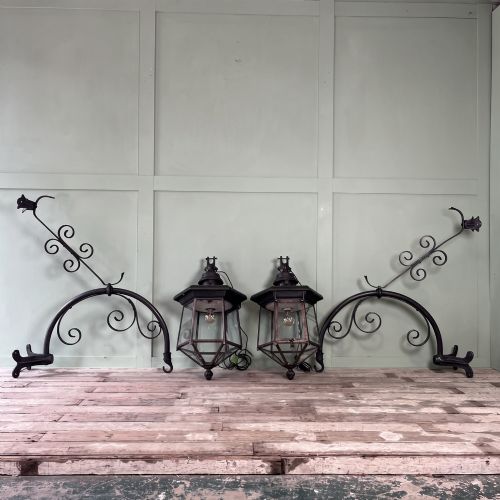
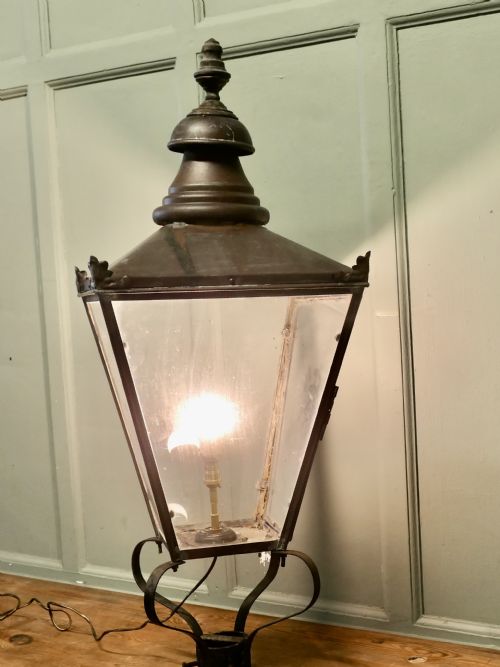
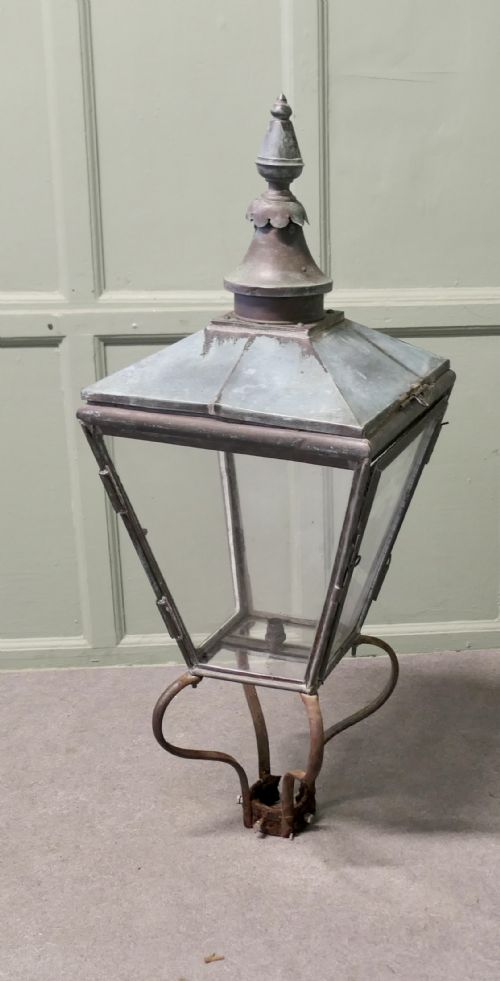
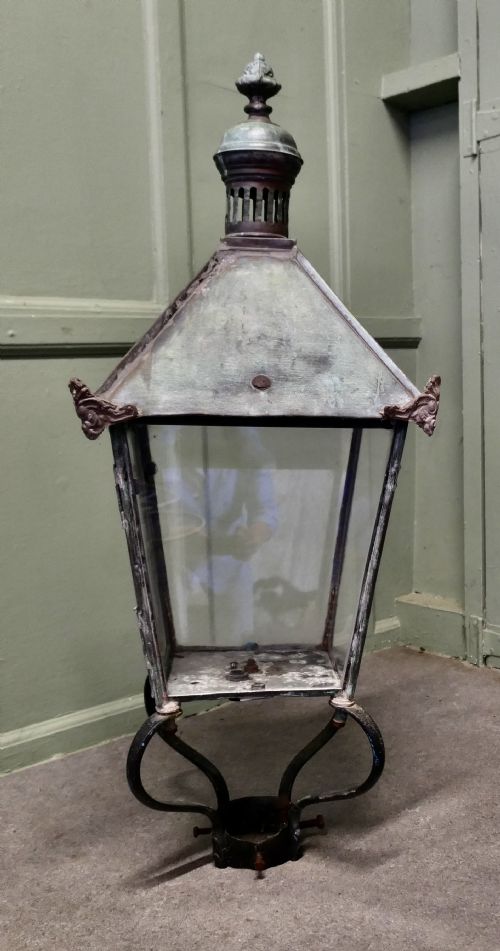
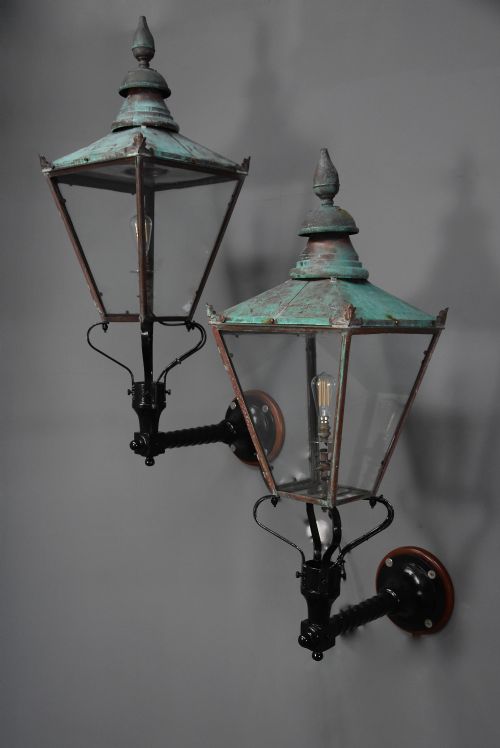
An antique street light encompasses substantial outdoor lighting fixtures, ranging from wall-mounted exterior lights to monumental lamp posts designed for public and private thoroughfares. The listings here predominantly feature large copper lanterns, often paired with robust iron brackets, alongside conversion pieces originally built for gas illumination.
The periods represented span from the 19th century through the Victorian era and into the early twentieth century, including the 1920s, 1930s, and 1940s. Buyers will frequently encounter copper lanterns paired with cast iron or wrought iron supports, reflecting the shift from gas to electrical lighting systems over these decades.
Materials and construction
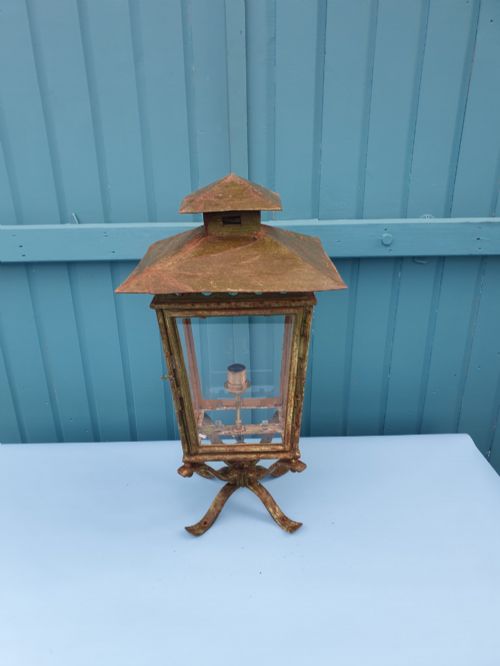
Construction relies heavily on durable metals designed to withstand permanent outdoor exposure, utilising copper sheets for the main lantern bodies alongside cast iron and wrought iron for brackets, bases, and lamp posts. Painted metal and steel also appear, sometimes finished with black and gold paint or green garden paint.
Glazing typically involves clear or textured glass panels secured within metal frames to protect the internal flame or bulb while dispersing light evenly. Many examples retain structural evidence of their original function as gas lamps before later conversion to electricity.
Listings feature materials spanning glass, copper, iron, cast iron, wrought iron, wood, and painted metal across Victorian and early twentieth-century periods.
Assessing quality and proportion
Quality reveals itself in the substantial weight of the gauge of copper used in the lantern bodies and the structural integrity of the supporting iron brackets. Sophisticated details, such as spiral twist wall brackets or bespoke mounting bases, elevate the architectural merit of a piece above standard utility items.
Proportion and scale distinguish superior fixtures, particularly with very large lanterns designed to command high gates or extensive driveways. The clarity and completeness of original glass panes, together with authentic maker identification on metal components, define the higher tier of surviving examples.
REVO·REVO "Leicester"·A FOSTER & PULLEN BRADFORD·Revo Tipton
The Antique Street Light Glossary
- Post lantern
- An outdoor lighting fixture designed to mount directly onto the top of a freestanding vertical post or column. These units often feature large copper or painted metal bodies suited for gate entrances and driveway approaches.
- Swan neck
- A curved metal mounting arm resembling the neck of a swan, used to suspend a street lamp outward from a wall or vertical post. This engineering form positions the light source at a distance from the supporting structure.
- Gas conversion
- A vintage lighting fixture originally manufactured to burn town gas that has subsequently been adapted for electrical wiring. Retaining original metalwork, these pieces show evidence of early fuel supply pipes or internal burners.
- Holophane
- A specialised type of prismatic glass engineered to refract and control the distribution of light efficiently. It appears in early twentieth-century industrial and street lighting contexts to maximise illumination.
Antique Street Light: Frequently Asked Questions
Can I install an antique street light outdoors?
These fixtures were built explicitly for exterior use, utilising weather-resistant metals like copper and iron to withstand the elements. Most require modern electrical rewiring by a qualified electrician to meet current safety standards before outdoor placement.
Mounting depends on the specific form, as wall lanterns require secure structural fixings while post-mounted lights need stable vertical foundations or compatible lamp posts.
How do I mount a wall lantern?
Wall-mounted street lights require robust fixings due to the substantial weight of copper bodies and iron brackets. Ensuring the supporting wall can bear the lateral load of extended brackets, such as spiral twist designs, is essential.
Positioning height should reflect the scale of the entrance, allowing adequate clearance for foot traffic underneath large projecting lanterns.
What is a gas conversion lamp?
A gas conversion lamp is a period lighting fixture that originally operated on town gas supply during the Victorian or Edwardian eras. These pieces have since been adapted internally to house modern electrical lamp holders and wiring.
Retaining the external character of gas-era street lighting, these lanterns often display historical apertures or control valves integrated into the metalwork.
How do I date a street light?
Dating relies on stylistic indicators, construction techniques, and materials characteristic of specific eras like the Victorian period or the 1920s and 1930s. Riveted copper construction and ornate iron brackets typically suggest 19th-century or early 20th-century origins.
Maker stamps or specific foundry names cast into iron components or brackets provide the most definitive chronological markers.