
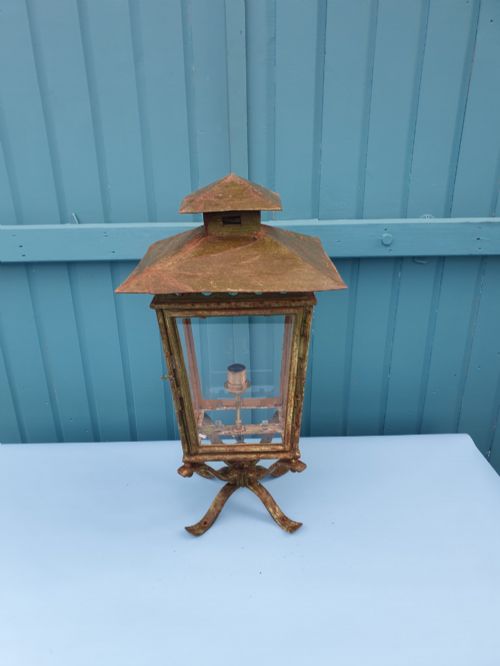
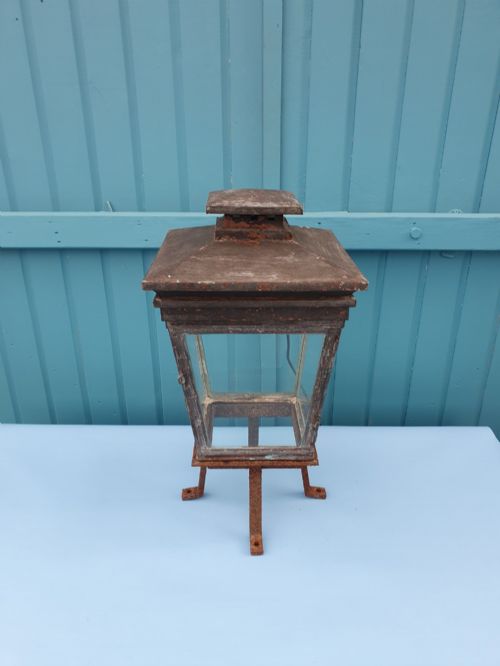


Victorian Gas Lamp
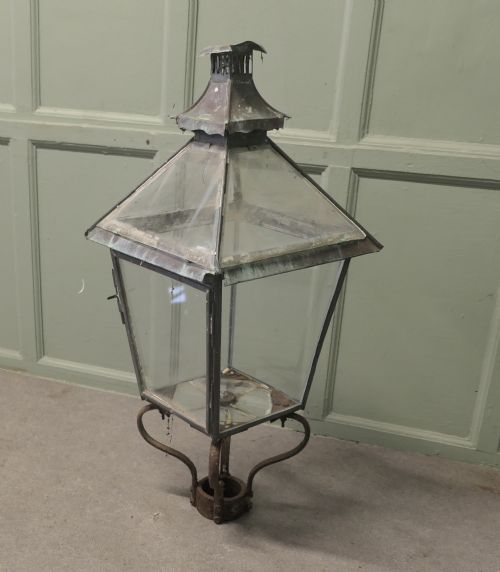
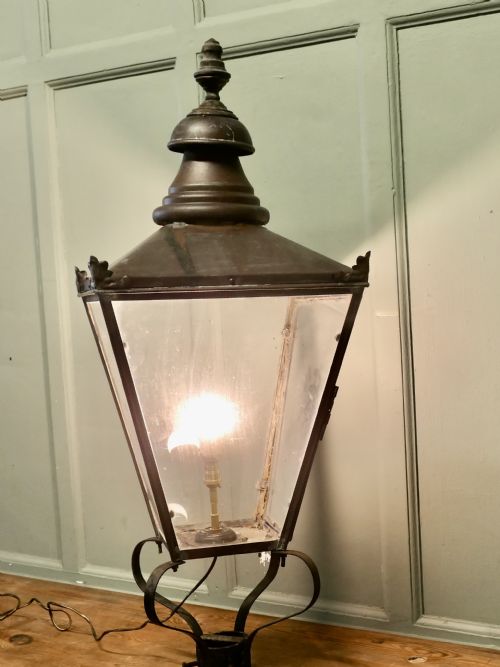
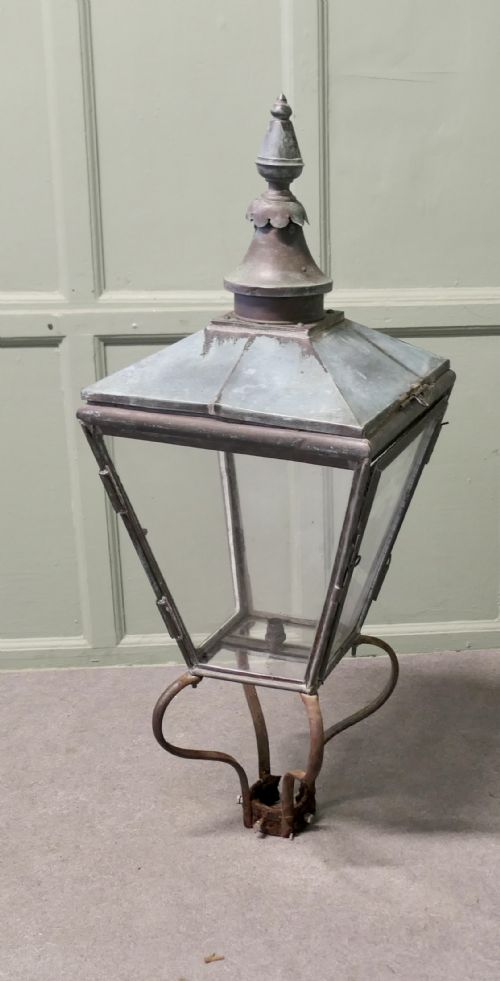
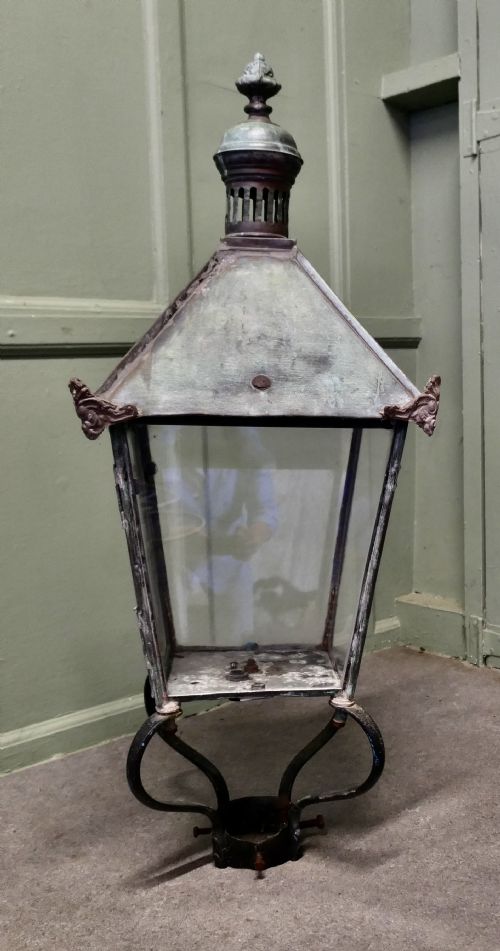
These robust victorian gas lamp pieces bring authentic period street lighting and interior illumination into modern spaces, offering enduring metalwork and original glass.
Victorian Gas Lamp
When you search for a victorian gas lamp, you encounter heavy-duty outdoor street lanterns, garden lights, and gate post fixtures alongside interior wall and ceiling lights. The outdoor versions are predominantly large copper lanterns paired with iron brackets or lamp posts, whilst interior examples include table lamps, wall brackets, and ceiling fixtures.
The pieces listed on this page span the nineteenth century and into the early twentieth century, carrying Victorian, Victorian and Edwardian, and Victorian Industrial styles. You will regularly find copper lanterns converted from gas, alongside cast iron lamp posts and specialised interior shades.
Indoor formats feature brass wall lamps, hanging gasoliers, and table lamps complete with rippled cranberry or acid-etched glass shades. The survival of these diverse forms demonstrates the transition from municipal street lighting to domestic utility and ornamental indoor use.
Assessing quality in period lighting
Quality rests in the heaviness of the metal gauge, the integrity of the soldered or riveted copper joints, and the survival of original components. Substantial cast iron bases and thick, hand-formed copper housing indicate higher grade municipal or substantial residential pieces.
The presence of original glass, whether rippled, cranberry, or acid-etched, elevates a piece significantly. Furthermore, the retention of original maker markings and uncompromised structural proportions distinguish superior examples from heavily altered or later reproductions.
Some Victorian gas lamps came adorned with mermaid wings and winged angels to brighten up the parlour.
A Foster and Pullen Bradford·Auerlicht Germany
The Victorian Gas Lamp Glossary
- Gasolier
- A decorative ceiling-hung gas fixture with multiple burners, similar in function to a chandelier. These pieces often feature ornate metalwork designed to distribute gas safely across several arms.
- Gas Mantle
- A conical fabric device treated with chemicals that produces a bright white light when heated by a gas flame. Developed in the late nineteenth century, it greatly increased the luminosity of gas lamps.
- Cranberry Glass
- A type of red-pink transparent glass created by adding gold chloride to the molten glass batch. It is frequently found in Victorian lighting shades.
- Lamp Post
- A tall vertical column, typically cast iron or steel, designed to support an outdoor lantern at a height suitable for street or garden illumination.
Victorian Gas Lamp: Frequently Asked Questions
How do I mount a heavy copper street lantern?
Mounting these substantial lanterns requires anchoring directly into structural brickwork or utilising reinforced metal brackets capable of supporting significant weight.
Because many examples were originally suspended from height or fixed to heavy posts, consultation with a structural specialist ensures secure installation indoors or out.
Are these lamps still wired for gas?
Almost all surviving examples have been converted from gas to electricity to suit modern domestic and commercial safety standards. Original gas cocks and burners are typically bypassed or removed to accommodate modern internal wiring.
This conversion allows the historic lanterns to function safely as contemporary electric wall or ceiling fixtures whilst retaining their exterior period appearance.
How do I clean antique copper lanterns?
Cleaning should be limited to removing dust and loose debris with a soft dry cloth to preserve the natural aged patina. Aggressive metal polishes strip away centuries of oxidation and can damage the historic surface of the copper.
If washing is necessary, use mild soapy water on the glass panels only, taking care to dry the surrounding metal immediately.
Can outdoor lanterns be used in the garden?
Many of these pieces originated as street lights or gate post fixtures designed specifically for exterior environments. Copper and cast iron weather naturally and tolerate outdoor placement well when properly sealed.
Garden installation usually involves mounting the lantern onto a suitable post or exterior wall with weather-rated electrical connections.