


Vintage Gas Street Lamp
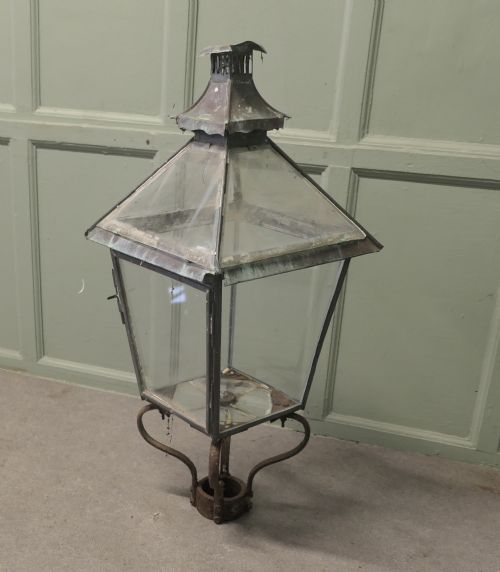
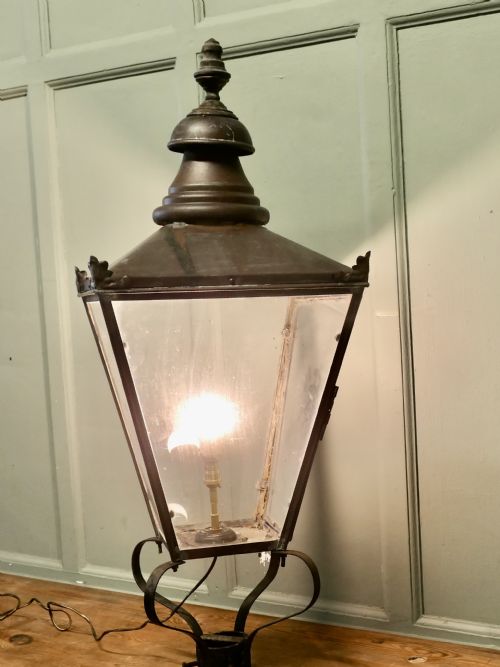
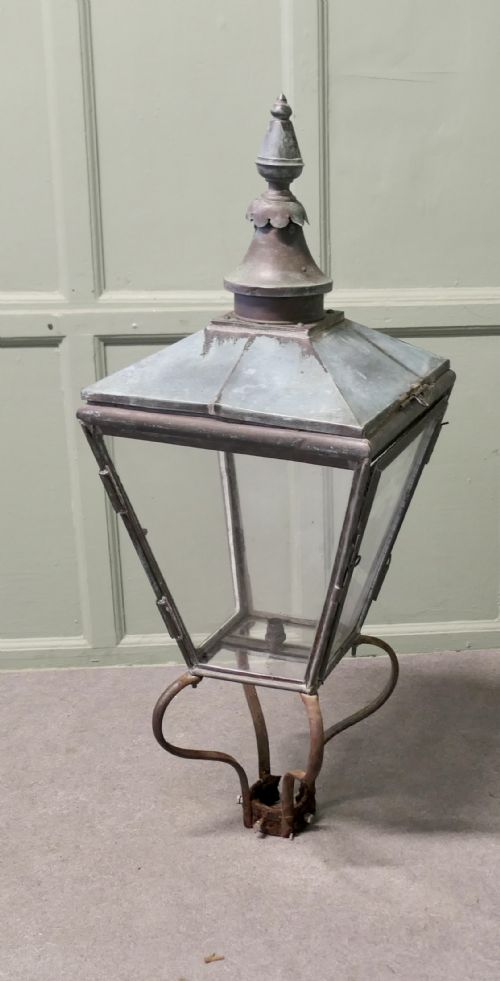
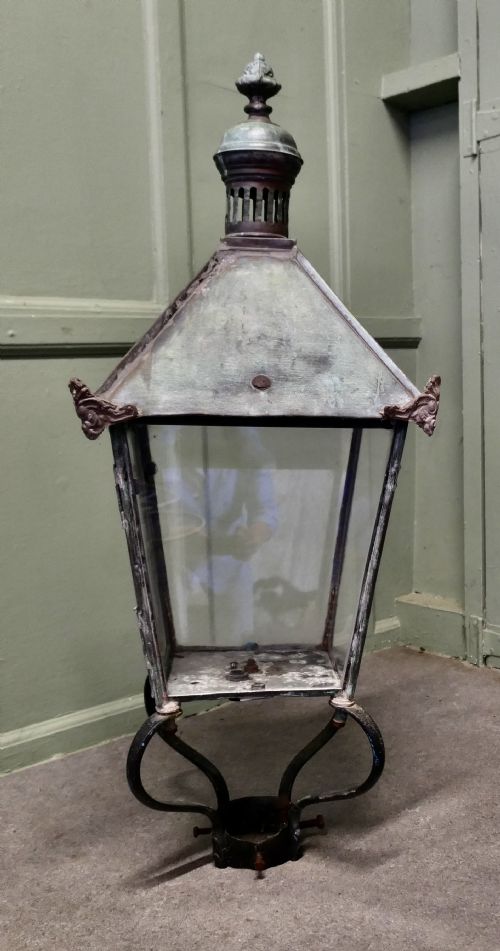
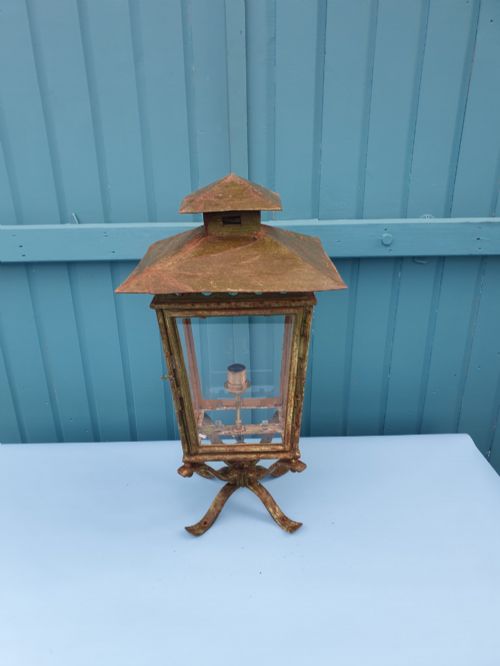
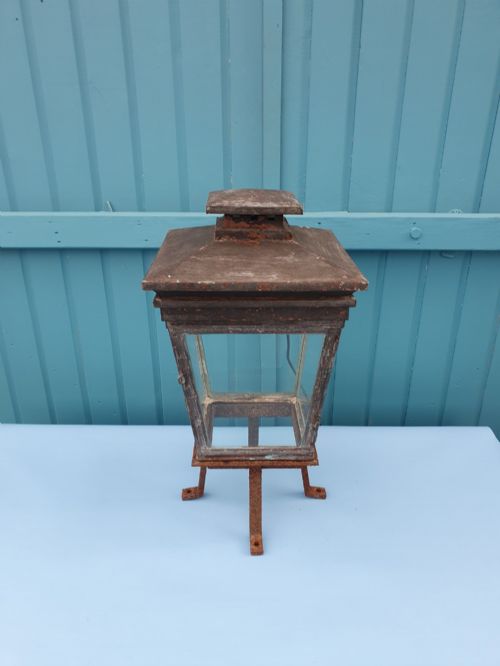
These vintage gas street lamps are substantial outdoor copper and iron lanterns built to light thoroughfares, now repurposed for gardens and gates.
Vintage Gas Street Lamp
A vintage gas street lamp is a substantial outdoor lantern originally designed to illuminate thoroughfares during the Victorian era and the early decades of the twentieth century. When you search for a vintage gas street lamp, you encounter robust structures intended for municipal use rather than delicate domestic lighting.
The pieces appearing on this page span the nineteenth century and the early nineteen-hundreds, predominantly taking the form of large outdoor copper lanterns and lamp posts. Many examples have been converted from gas to modern wiring, allowing them to function effectively in contemporary gardens and beside gate posts.
How they were made
Makers constructed these lanterns using durable combinations of copper, iron, cast iron, and wrought iron to withstand exposed outdoor locations. Glazing panels fitted securely into the metal frames to protect the internal burners from wind and rain.
Certain models received protective coats of paint, such as green finishes, applied over the metal surfaces to deter rust and blend with landscape settings. Structural joins utilised rivets and soldering to maintain rigidity across large glazed frames.
Listings on this page span the Victorian period through to nineteen twenty, featuring combinations of copper, cast iron, and glass.
What varies in quality
Quality in these street lamps rests upon the structural integrity of the metalwork and the scale of the copper housing. Substantial gauge copper and robust cast iron bases indicate superior original manufacture designed for enduring civic service.
The proportion of the glazing bars and the complexity of the ventilation cowls at the top of the lantern differentiate standard utility pieces from more decorative civic installations. Original surface patination and completeness of mounting brackets also influence the character of each piece.
A Foster & Pullen Bradford
The Vintage Gas Street Lamp Glossary
- Gas street lamp
- A public lighting fixture designed to burn coal gas to illuminate streets before the widespread adoption of electric networks.
- Lantern
- An enclosed case containing a light source, typically constructed with glass panels held within a metal framework.
- Lamp post
- The vertical structural standard or column that supports an elevated outdoor lighting fixture.
- Gate post light
- A lantern adapted or scaled to mount directly upon the masonry piers flanking an entrance gateway.
- Victorian
- The period spanning the reign of Queen Victoria, associated here with heavy copper fabrication and industrial styles.
Vintage Gas Street Lamp: Frequently Asked Questions
How do I install a vintage gas street lamp?
Most of these lanterns have already been converted from gas to accommodate modern electrical fittings. Electricians can mount them onto existing posts or secure garden surfaces.
Ensure that the mounting base matches the weight of the copper and iron structure to guarantee stability outdoors.
Can these street lamps stay outside year round?
The copper, iron, and glass construction is inherently designed for exterior use in all weather conditions. Over time, the copper develops a natural atmospheric patina.
Checking the seals around the glass panels periodically helps keep the interior dry and protected from moisture.
Are these lamps all converted from gas?
Many examples on this page originated as gas-fuelled municipal street lighting during the nineteenth century. Subsequent adaptations have fitted them with internal electrical components for modern use.
Retaining the original ventilation cowls and metal housing preserves the historic character despite the internal conversion.
How do I date a vintage street lamp?
Dating relies on stylistic clues, construction methods, and materials such as heavy cast iron and riveted copper sheets. Pieces often align with Victorian or Edwardian manufacturing techniques.
Specific maker markings or structural patents found on the metal components can also narrow down the production era.