


Antique Post Lantern
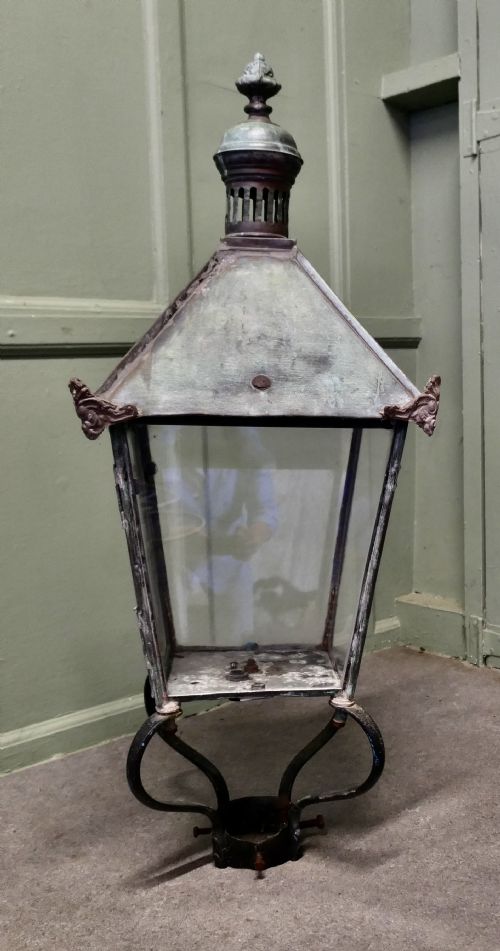
These antique post lantern pieces provide robust exterior illumination and architectural presence, drawn from Victorian and early twentieth-century street lighting heritage.
Antique Post Lantern
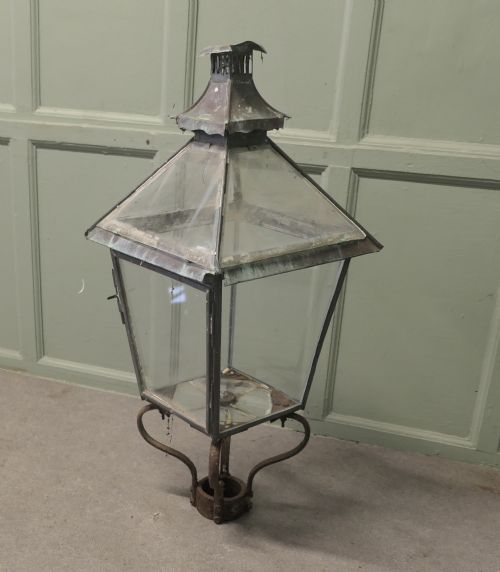
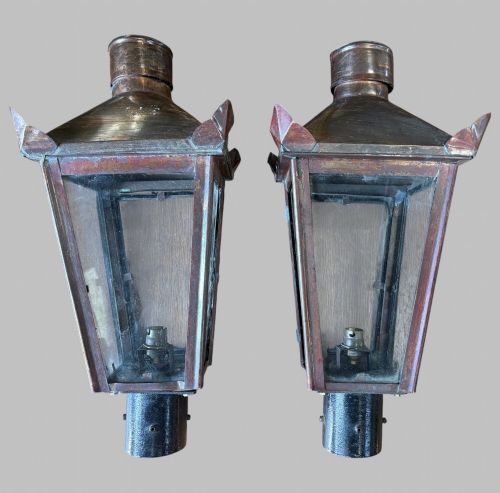
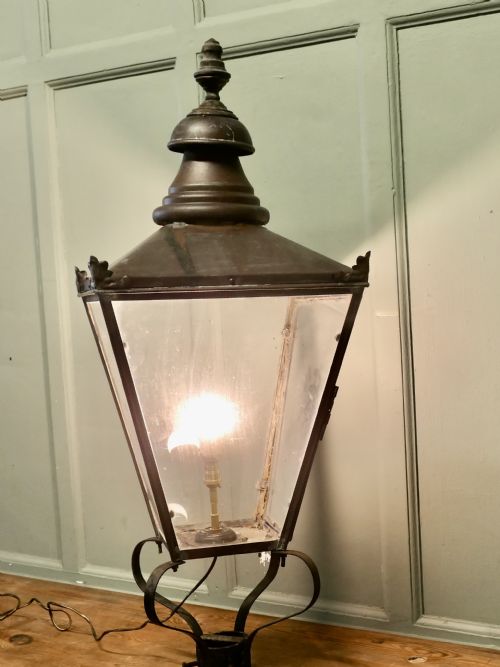
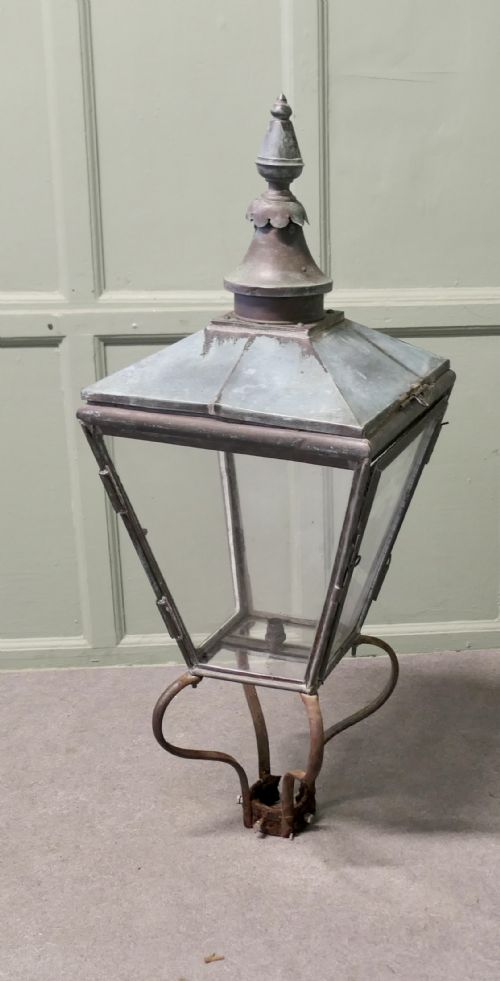
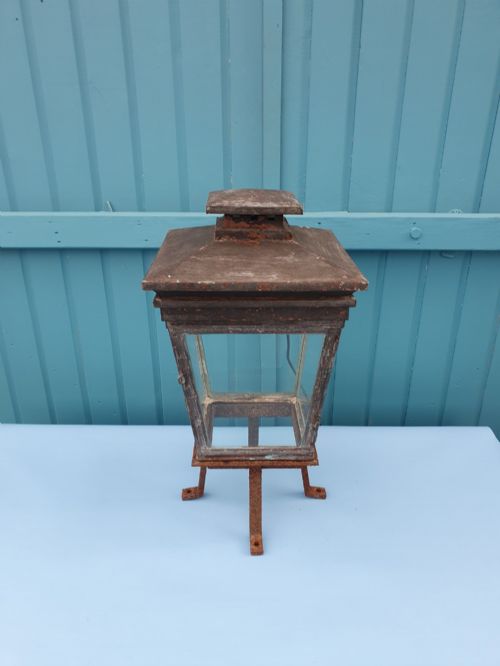
When you search for an antique post lantern, you are looking at substantial outdoor fixtures designed for gates, pillars and street edges. These pieces originate across the nineteenth and early twentieth centuries, spanning Victorian and Edwardian periods.
The most common examples on this page are copper lanterns paired with iron or steel mounting hardware. Many of these outdoor lighting items started as gas street lamps before later conversion to electric illumination.
How they were made
These fixtures rely heavily on hand-shaped copper for the lantern bodies, combined with cast iron and wrought iron for structural strength. Glass panels protect the light source within the metal framework.
Makers utilised durable sheet metal techniques alongside heavy iron casting to ensure the lamps could withstand prolonged exposure to weather on street corners and gate posts.
Several lanterns carry the literal scars of progress, having spent decades illuminating Victorian streets before quietly retiring to suburban gardens.
What varies in quality
Quality rests in the substantial weight of the metals and the complexity of the original gas conversion work. Thicker gauge copper bodies and crisply cast iron bases represent the higher end of the range.
Subtleties in proportion, such as the sweep of a swan neck mount or the integrity of the original riveted joints, distinguish standard utility street lamps from finer gate post installations.
A Foster and Pullen Bradford·Revo Tipton
The Antique Post Lantern Glossary
- Swan Neck
- A curved metal mounting arm that holds the lantern away from the post. This form is typical of early twentieth-century street lighting.
- Gas Street Lamp
- An outdoor lighting fixture originally fuelled by town gas before modern electrical conversion. These lamps often retain distinct internal burner assemblies.
- Cast Iron
- Molten iron poured into a mould to create rigid structural bases and brackets. This material provides the heavy foundation needed for outdoor lamp posts.
- Wrought Iron
- Iron heated and hammered into shape by hand for decorative and structural elements. It offers high tensile strength and distinct surface texture.
Antique Post Lantern: Frequently Asked Questions
How were these lanterns originally powered?
Many of these fixtures operated on town gas via internal burners before being adapted for modern electric bulbs. This conversion process often left subtle traces inside the metal housing.
Buyers should examine the wiring channels and interior fittings to understand how the transition from gas to electricity was managed.
Where should an outdoor post lantern be placed?
These pieces suit exterior gate posts, driveways and garden entrances where their architectural height can be fully appreciated. Their substantial proportions demand secure mounting to bear the weight of the metal and glass.
Placing them near period properties maintains historical context while providing practical boundary illumination.
How do I identify a Victorian street light?
Victorian street lights typically feature hand-soldered copper frames combined with heavy cast iron mounting brackets. They often display simpler geometric glazing patterns than later Edwardian designs.
Checking the fabrication style and material weight helps separate nineteenth-century examples from later twentieth-century reproductions.
Are these lamp posts suitable for outdoor use today?
Constructed from durable copper, iron and steel, these fixtures are built to withstand outdoor elements. Their robust materials have already survived a century or more of weather exposure.
Modern electrical rewiring ensures they meet current safety standards for exterior garden and driveway installation.