


Architectural Salvage Lantern
An architectural salvage lantern brings genuine period character to exterior spaces through robust industrial design.
Architectural Salvage Lantern
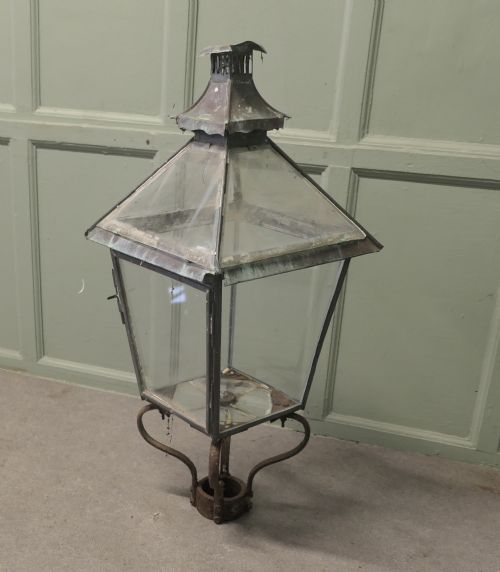
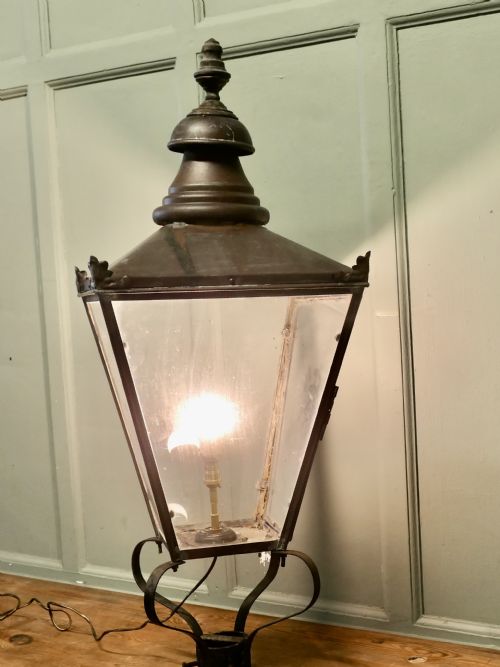
When you search for an architectural salvage lantern, you encounter robust outdoor lighting and street fixtures reclaimed from public and commercial properties. These pieces serve primarily as functional statement lighting for gardens, gates, and driveways.
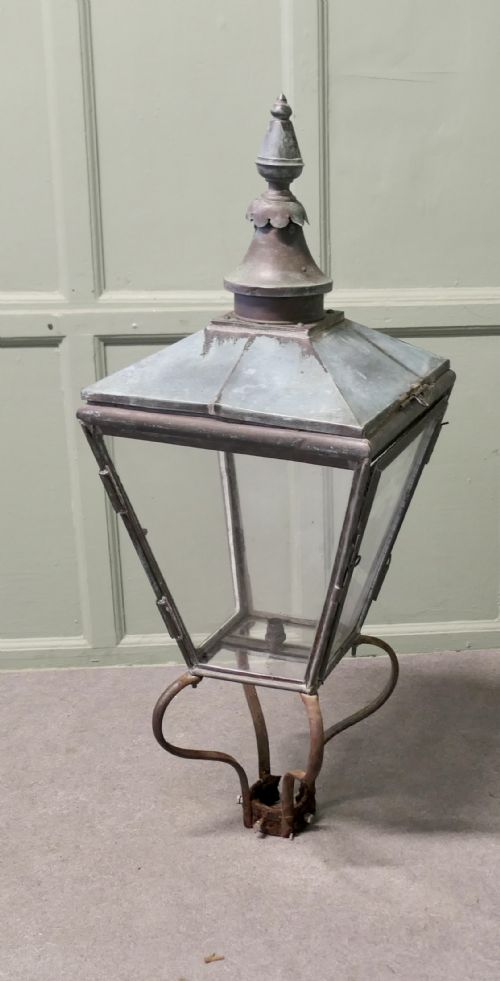
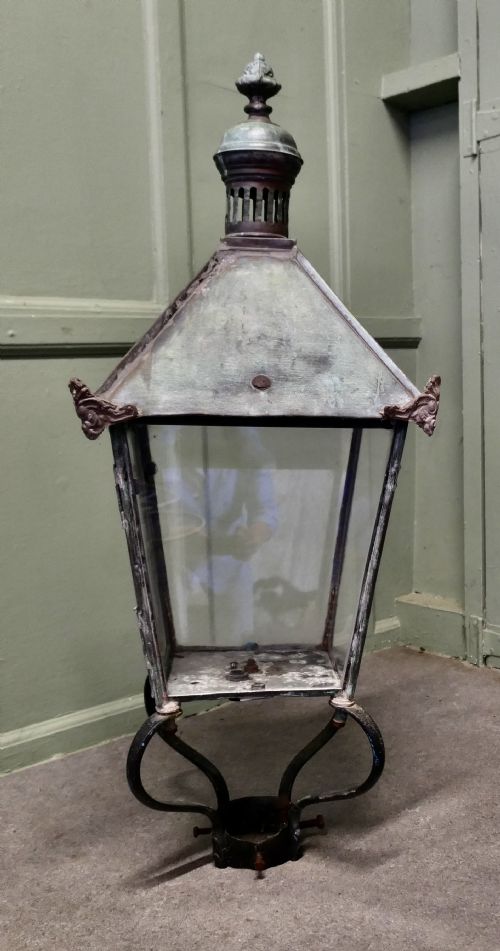
The versions most commonly met on this page date from the Victorian era through the early twentieth century. They take the form of large copper street lights, gate post lanterns, and complete lamp posts.
Origins span standard nineteenth-century street furniture to industrial fixtures from the nineteen-thirties. Buyers find both individual wall-hung lanterns and complete pairs suitable for framing an entrance.
Materials and construction
These fixtures rely on heavy-duty metals combined with thick glass panels to withstand external conditions. Copper and various forms of iron dominate the construction, providing structural integrity and distinct weathering.
Workshops utilised sheet copper for the body of the lanterns to resist corrosion while supporting glazed panels. Cast iron and wrought iron formed the heavier structural elements, including brackets, bases, and lamp posts.
Several pieces retain remnants of historical black and gold paint applied to withstand soot and dampness on nineteenth-century streets.
What separates the best pieces
Quality rests in the heaviness of the metal gauge and the integrity of the original construction. Superior examples retain their original mounting hardware and uncompromised structural framework rather than replacement elements.
The distinction between standard utility items and finer pieces lies in the crispness of foundry marks and the scale of the glazing. Larger proportions and maker signatures elevate the standing of a fixture within the period.
A FOSTER & PULLEN BRADFORD·REVO TIPTON
The Architectural Salvage Lantern Glossary
- Architectural salvage
- Building components and decorative fixtures recovered from structures slated for demolition or renovation. These items retain their original historical patina and construction methods.
- Gate post light
- A luminaire designed specifically to mount atop the brick piers or stone pillars flanking a driveway or entrance. Such pieces often feature wider bases for secure installation.
- Swan neck
- A curved metal mounting arm that extends outward from a wall or pole to support a hanging lantern. This profile improves light distribution across roadways and paths.
- Wrought iron
- Iron beaten into shape by hand while hot, notable for its fibrous texture and resilience. It appears in brackets and structural supports requiring high tensile strength.
- Victorian
- The period spanning the reign of Queen Victoria, characterised by heavy industrial manufacturing and ornate civic ironwork. Pieces from this era display distinct stylistic weight.
Architectural Salvage Lantern: Frequently Asked Questions
Can these outdoor lanterns be rewired for modern domestic use?
Most of these fixtures accept standard modern electrical components with relative ease. Electricians can usually adapt the internal housing to take contemporary bulbs while preserving the exterior casing.
Buyers should discuss wiring options with a qualified professional before installation. The generous proportions of these housings allow space for modern wiring without altering the vintage appearance.
How do I mount a heavy copper street light securely?
Heavy metal lanterns require substantial structural support due to their significant weight and wind resistance. Wall mounts demand heavy-duty fixings anchored directly into masonry rather than superficial plaster.
Post-mounted varieties need secure concrete footings to prevent tipping. Professional installation ensures the fixture remains stable during severe weather.
Are replacement glass panels easy to source for antique lanterns?
Original glazed panels often feature minor imperfections or ripples consistent with period manufacturing methods. When panels break, local glaziers can cut replacement glass to match the precise dimensions required.
Clear or slightly textured glass maintains the correct historical appearance. Historic glass specifications help preserve the authenticity of the lantern.
How should I clean weathered copper and iron outdoors?
The natural patina on copper and iron provides a protective layer against further environmental degradation. Gentle washing with mild soapy water removes surface dirt without stripping the historic finish.
Avoid abrasive cleaners or harsh chemical strippers that damage the aged metal. Leaving the metal untouched preserves the character earned over a century of exposure.