


Victorian Outdoor Lamp
These Victorian outdoor lamp designs bring heavy copper, iron, and glass into gardens and doorways with the weight of nineteenth-century street furniture.
Victorian Outdoor Lamp
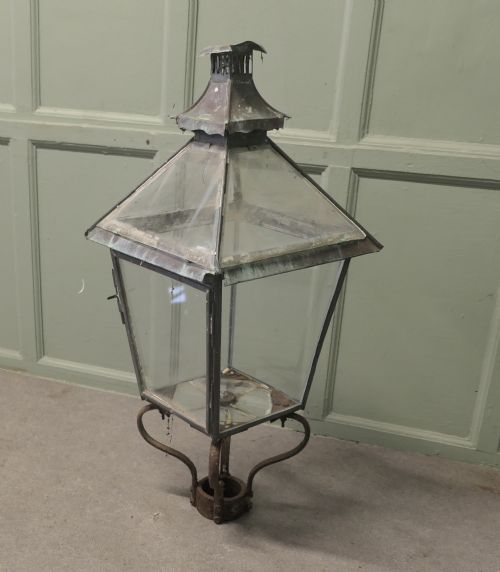
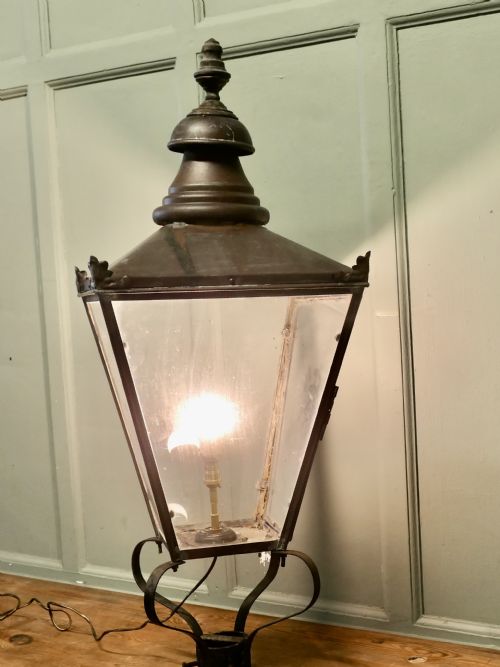
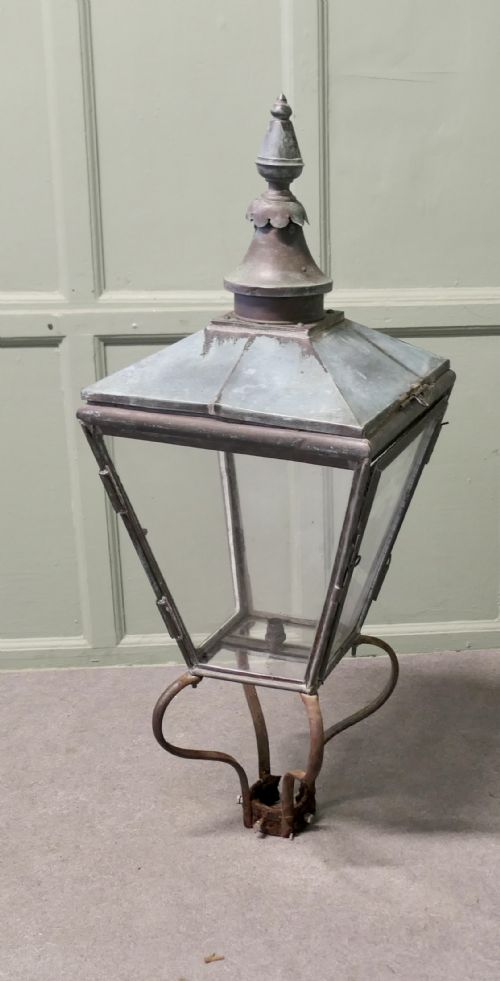
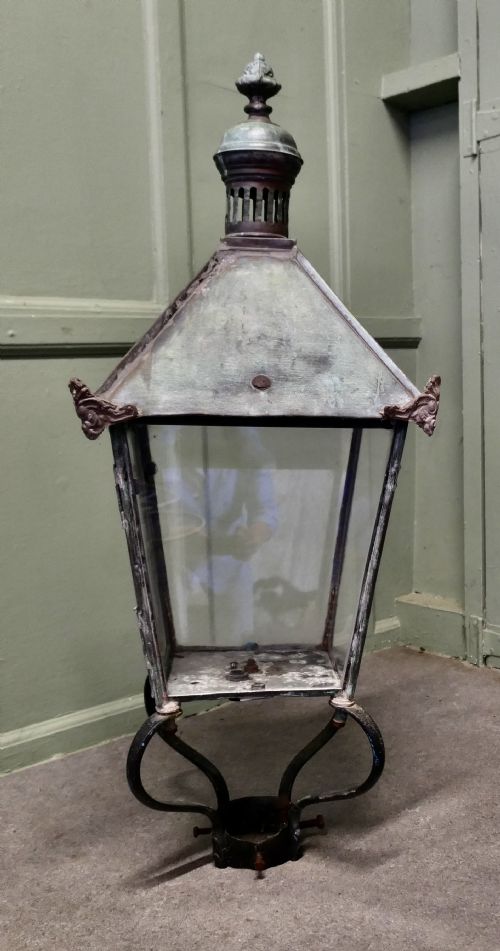
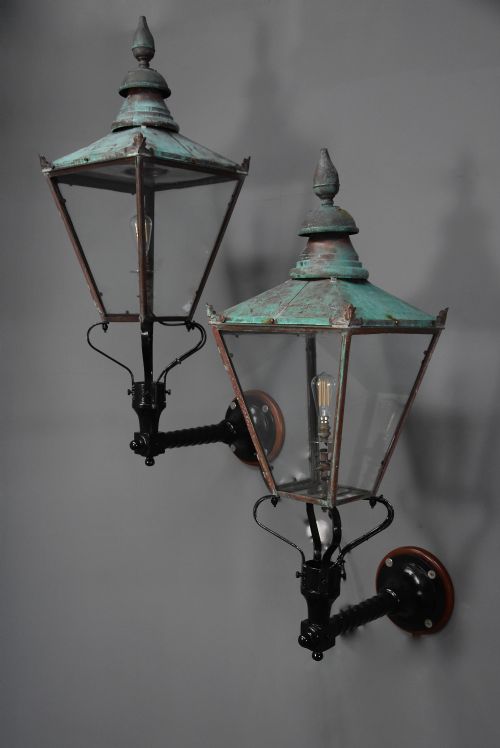
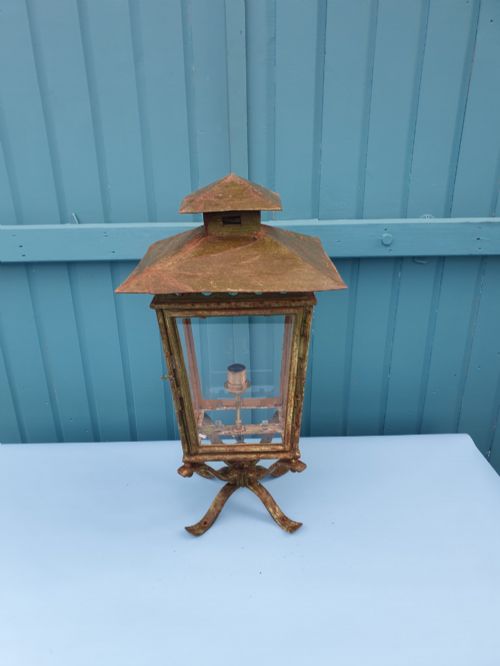
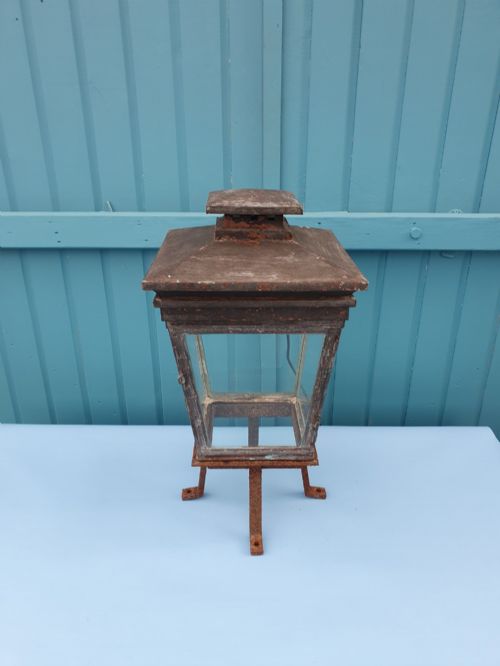
When you search for a victorian outdoor lamp, you are looking at substantial copper and iron lanterns, wall lights, and post-mounted street lamps built to withstand the weather. The selection centres heavily on copper lanterns and street lights originating from the nineteenth century, often converted from gas to modern electrical fittings.
You will encounter pieces styled in the Gothic Revival manner, alongside industrial and Windsor variations supported by spiral twist wall brackets or fitted to lamp posts. Forms range from gate post lights and hanging lanterns to large courtyard lights in bronze and painted metal.
Most examples hail from the Victorian period, though the archive and current listings extend into the early decades of the twentieth century with pieces from nineteen hundred through to nineteen thirty. Buyers choose these fixtures to anchor an entrance or garden path with authentic period metalwork.
How they were made
Makers constructed these lanterns using sheet copper folded and joined around structural frames of cast iron and wrought iron. Many incorporate glass panes, ranging from plain clear panels to frosted glass finishes housed within painted metal or blackened frames.
Earlier pieces often started life as gas street lamps before later conversion to electricity, retaining their original ventilation cowls and mounting collars. Metalwork techniques combined riveted copper seams with forged iron brackets, swan neck poles, and bronze casting.
Form variations include hanging lanterns, wall lights, gate post lights, and full lamp posts converted from gas.
What varies in quality
The distinction between ordinary and exceptional examples lies in the weight of the metal and the sophistication of the supporting brackets. Finer lanterns display substantial copper gauges, intact decorative cresting, and complex structural elements such as sophisticated spiral twist wall brackets rather than simple straight arms.
Integrity of the original construction and the survival of period glass panels also define the better items in this group. Pieces retaining their original patination and robust mounting hardware outrank heavily restored or structurally simplified alternatives.
A Foster & Pullen Bradford·Revo Tipton
The Victorian Outdoor Lamp Glossary
- Gas conversion
- The process of adapting an antique gas lantern to hold an electrical bulb holder. This usually involves running wiring up through the original base or mounting collar.
- Swan neck
- A curved metal mounting arm resembling the neck of a swan, commonly used on lamp posts to suspend a lantern outwards.
- Gate post light
- A compact lantern designed specifically to sit directly atop a brick or stone gate pier at an entranceway.
- Wrought iron
- Iron that has been heated and hammered by hand into shape, displaying fibrous grain patterns and high resistance to fatigue compared to cast iron.
- Frosted glass
- Glass treated by acid-etching or sandblasting to create a diffused, opaque surface that softens the light output.
Victorian Outdoor Lamp: Frequently Asked Questions
How do I install a heavy copper lantern outside?
These lanterns require secure structural fixings into brickwork or reinforced timber due to the combined weight of copper, iron, and glass. A qualified electrician should handle the wiring, particularly when dealing with vintage metal bodies.
Ensure that any mounting bracket is bolted firmly to bear the load against wind resistance. Weatherproofing the electrical entry point protects the internal wiring from moisture.
Can these gas conversion lamps be used outdoors today?
Most of these fixtures are built from robust copper and iron designed to endure exterior conditions. Their original duty as street lamps means they tolerate rain and wind once properly sealed.
Buyers should inspect the condition of the metal and glass panels to ensure they remain weather-tight. Regular maintenance of the painted or natural metal surfaces prevents active corrosion.
What is the difference between a wall light and a hanging lantern?
Wall lights mount directly to a vertical surface via brackets, arms, or flush fixings. They project outwards to illuminate doorways and pathways.
Hanging lanterns suspend downward from a chain, hook, or overhead bracket. They are suited to porch ceilings and covered entranceways.
How do I date a nineteenth-century street lamp?
Dating relies on construction methods, material choices, and specific design markers such as Gothic Revival detailing or gas supply pipes. The presence of hand-riveted copper and heavy cast iron typically points to the nineteenth century.
Later pieces from the early twentieth century often introduce steel components or simplified industrial brackets. Maker stamps and factory locations can also narrow down the era of production.