

Antique Stool Seat
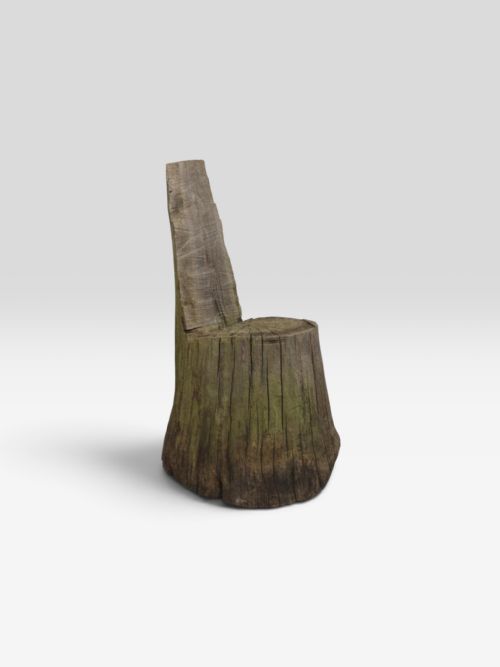
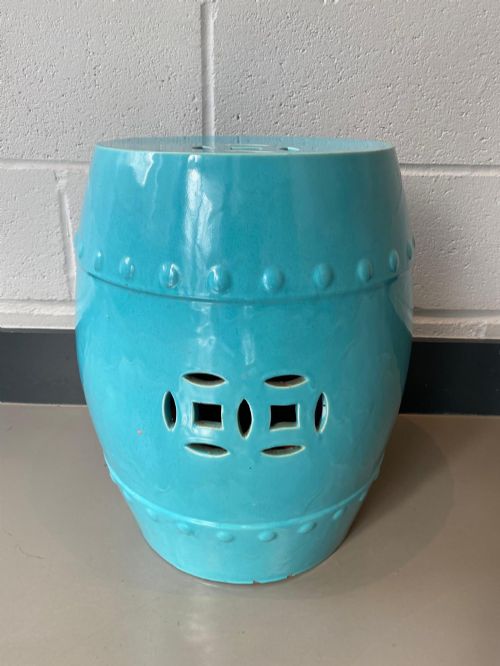
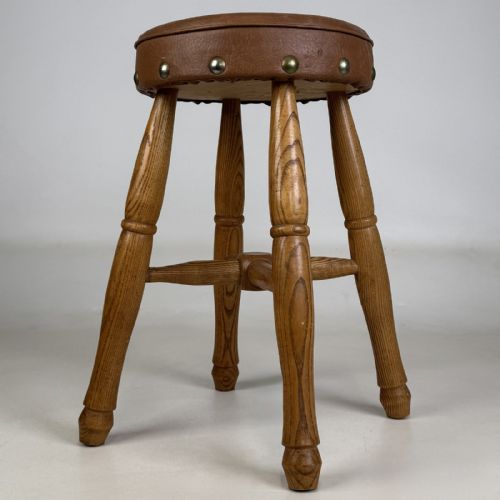
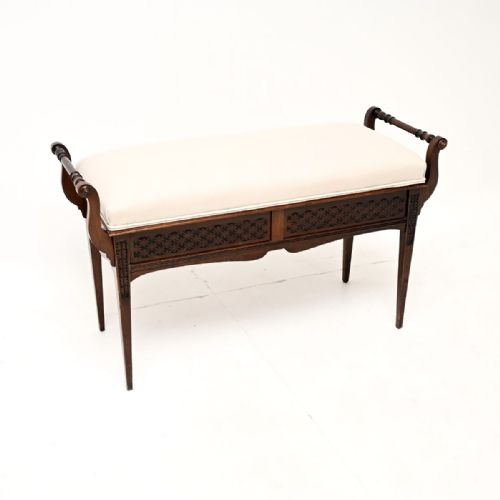
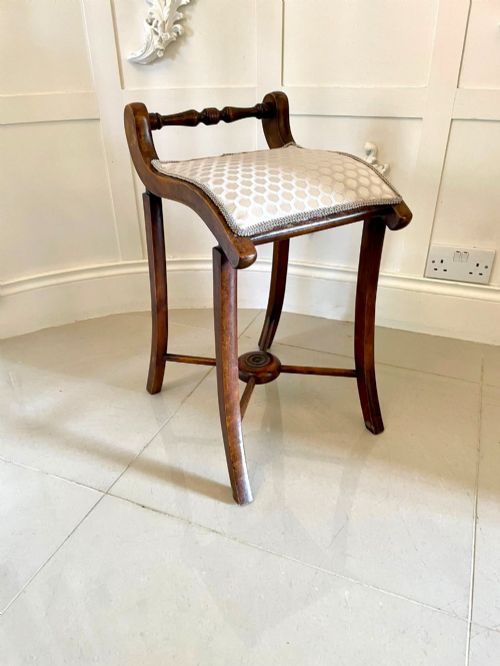
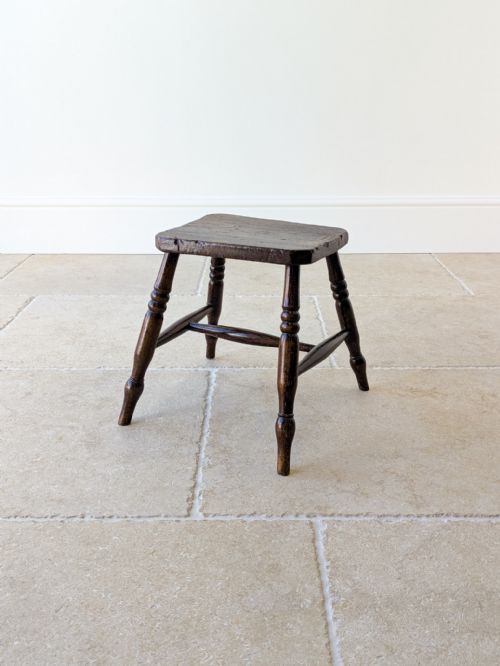
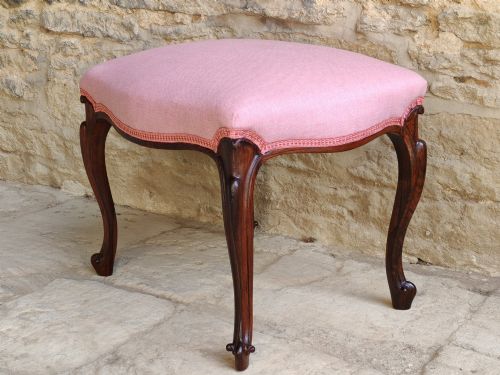
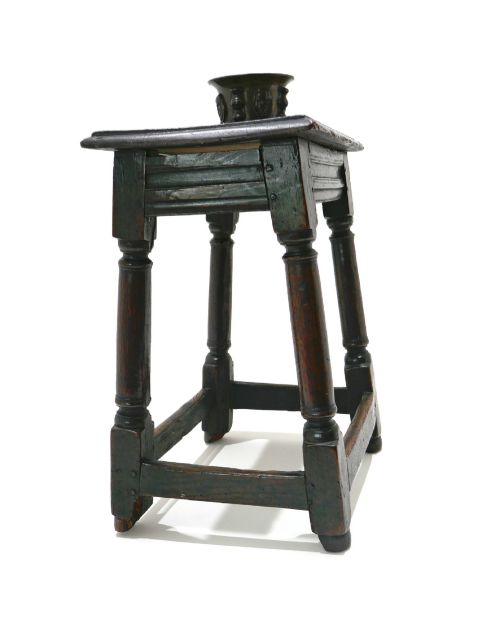
When you search for an antique stool seat, you enter a diverse group of domestic, workshop, and salon seating spanning several centuries.
Antique Stool Seat
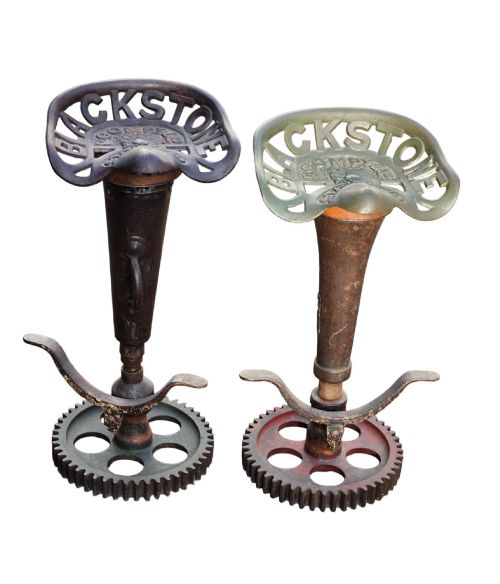
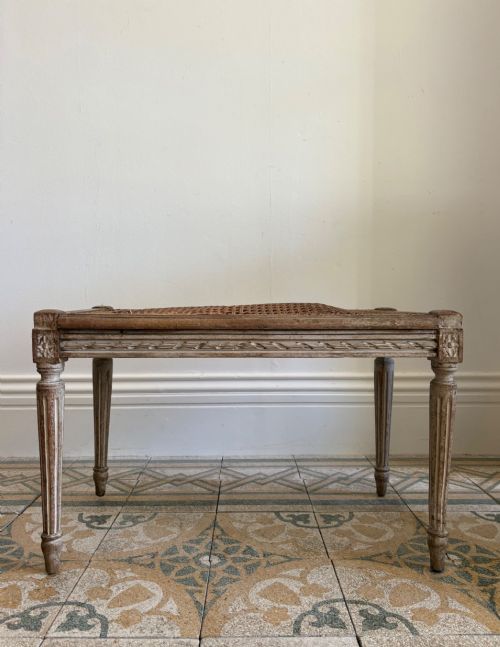
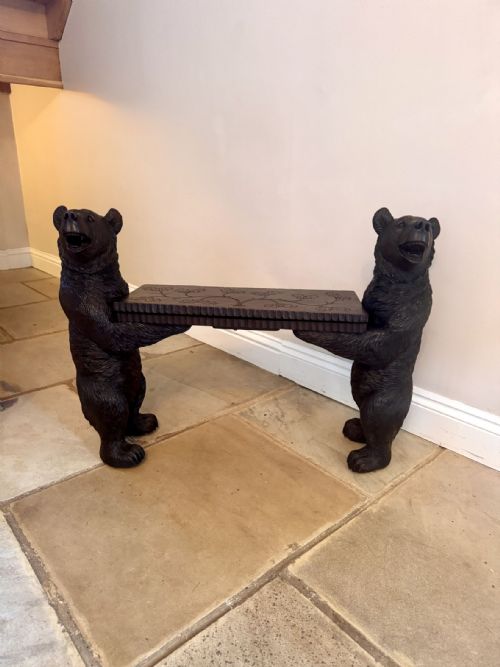
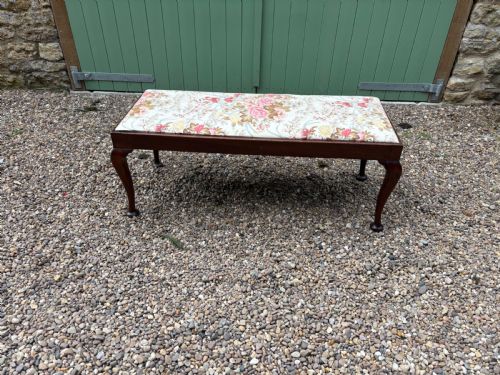
When searching for an antique stool seat, buyers encounter a broad typology encompassing domestic footstools, long window seats, piano and music chairs, tavern benches, and industrial work stools.
The material record spans the eighteenth, nineteenth, and early twentieth centuries, with Victorian and Edwardian examples appearing frequently alongside earlier Georgian and provincial vernacular forms.
Origins range from English country workshops and Scottish baronial halls to French salons, Swedish estates, and Anglo-Indian production.
Materials and Construction
Timbers such as mahogany, oak, walnut, ash, beech, elm, sycamore, and rosewood form the structural framework, shaped into turned legs, cross stretchers, and carved frames.
Upholstery techniques utilise traditional stuffings, horsehair, calico, and leather, finished with needlework, silk, velvet, tapestry, or buttoned cloth.
Specialist elements incorporate brass framing, ormolu mounts, iron mechanisms for revolving music chairs, and papier-mâché.
Harpsichordists and cellists once spun upon revolving brass-framed music chairs to find their pitch.
Distinctions in Execution
Quality rests upon the selection of timber, the crispness of carved details such as ball and claw or square tapering legs, and the structural integrity of joints.
Refinement appears in secondary woods, balanced proportions, and the complexity of mechanisms found on piano stools and revolving music seats.
Upholstery execution, from simple rush seating to deep-buttoned silk or needlework, reflects the original commission's standing.
Jennens and Bettridge·Heals of London
The Antique Stool Seat Glossary
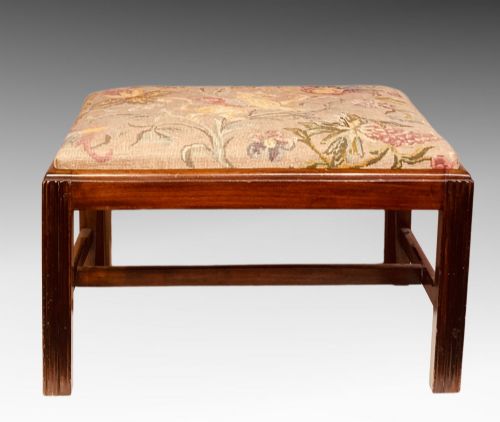
- Joint stool
- A traditional wooden stool constructed with mortise and tenon joints, often associated with the seventeenth and eighteenth centuries.
- Window seat
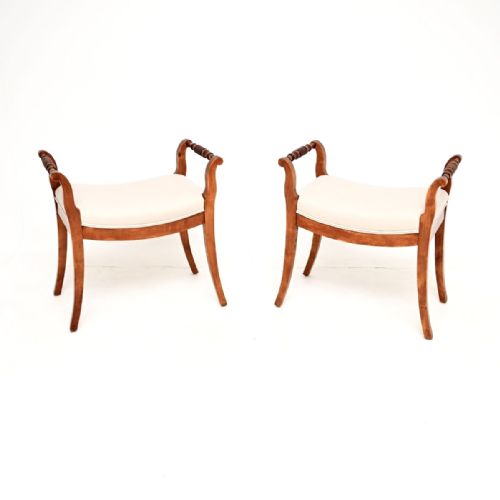
- An elongated stool designed to sit within a window recess, frequently featuring armrests or scrolled ends.
- Duet piano stool
- A wider music seat designed for two players, often incorporating a hinged lid with internal storage for sheet music.
- Dish seat
- A wooden seat carved into a concave, ergonomic depression for the sitter, commonly found on vernacular milking or artisan stools.
- X-frame stool
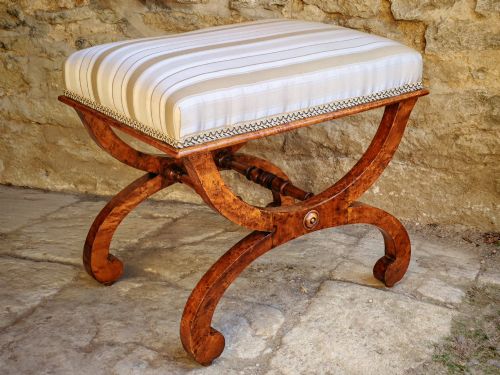
- A folding or rigid cross-legged seat form influenced by classical design, prominent in Regency and French Empire pieces.
Antique Stool Seat: Frequently Asked Questions
What is a piano stool?
A piano stool is adjustable seating designed for keyboard players, often featuring a revolving mechanism or a rising screw mechanism to alter the height.
Many examples also include internal storage beneath a hinged seat for holding sheet music.
How were window seats used?
Window seats served as functional furniture placed in deep window bays for reading or needlework, providing a comfortable perch with natural light.
They also functioned as hallway benches or compact seating in formal reception rooms.
What is a tavern bench?
A tavern bench is a long, sturdy wooden seating form built for commercial public houses and alehouses.
Constructed primarily in oak, ash, or sycamore, these utilitarian pieces were designed to withstand heavy daily use.
How do I identify a Victorian stool?
Victorian stools often display heavier proportions, rich mahogany or walnut timbers, and intricate upholstery styles including deep buttoning.
Revival styles ranging from Gothic to Queen Anne frequently characterise this nineteenth-century period.