
Carved Low Stool
These carved low stool pieces are compact seating forms scaled for hearths and dressing tables, offering period craftsmanship and versatile utility in any room.
Carved Low Stool
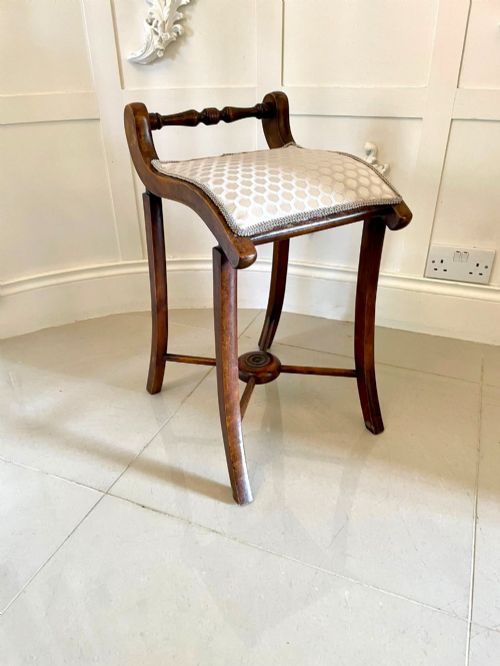
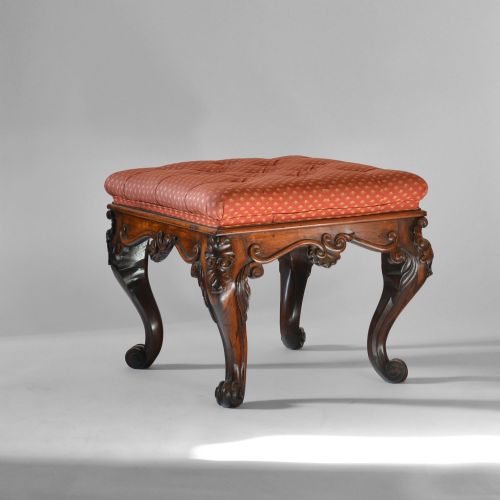
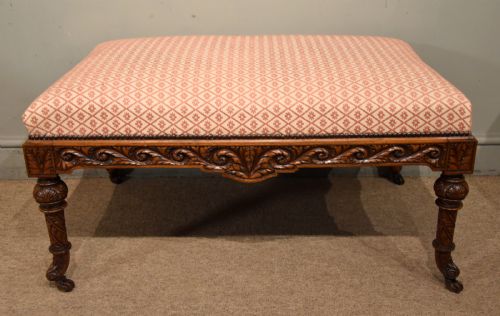
A carved low stool appears across domestic interiors in forms ranging from primitive milking seats to formal dressing table benches. The pieces span the eighteenth and nineteenth centuries into the early twentieth century, taking shape as joint stools, footstools, and hearth benches.
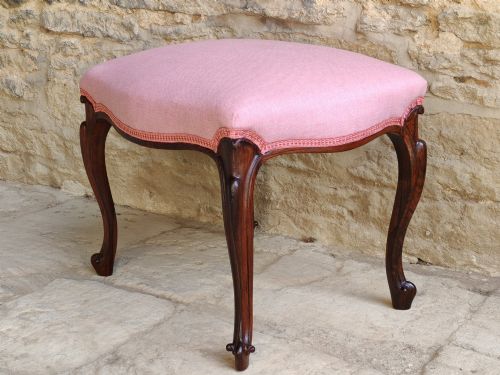
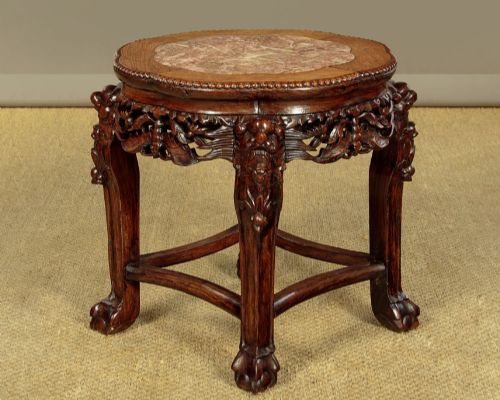
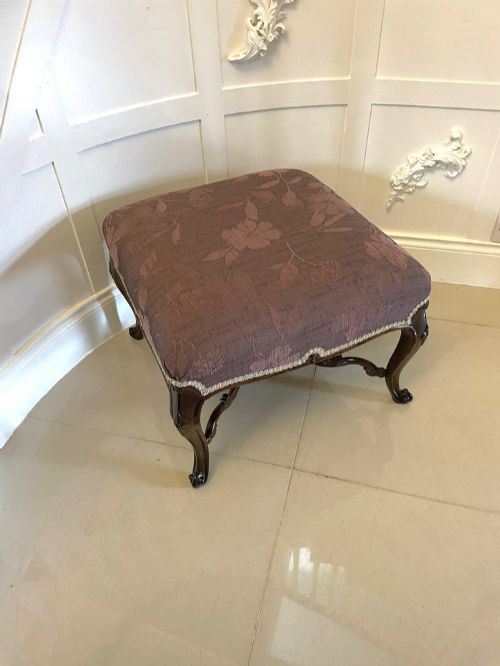
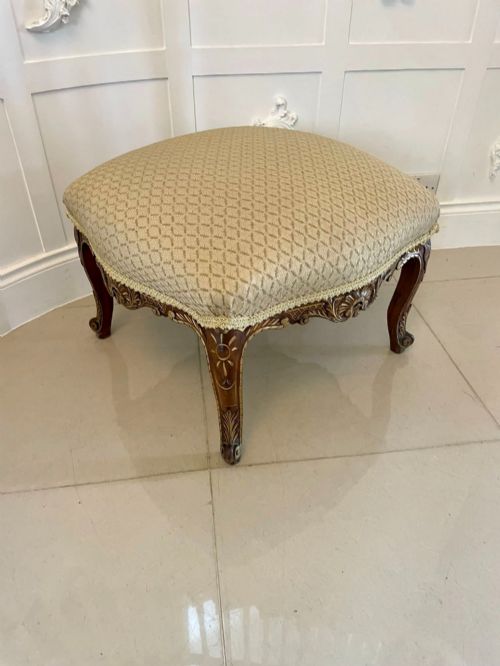
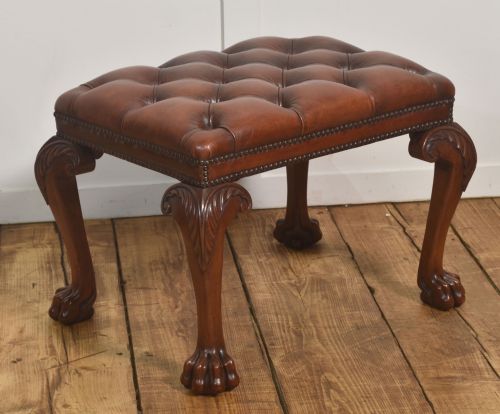
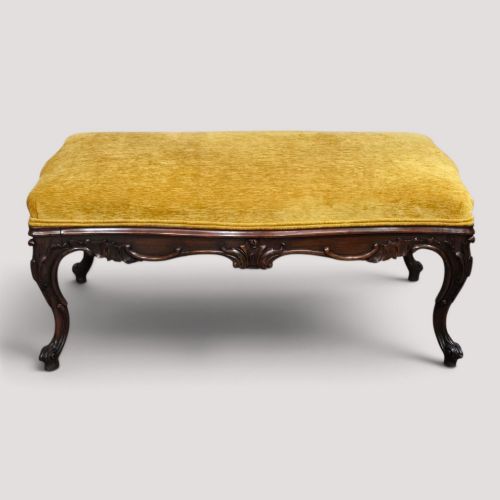
Victorian walnut and rosewood dressing stools dominate the selection, alongside sturdy oak vernacular examples and revival styles like Queen Anne and Chippendale. Buyers find everything from intimate single-leg milking seats to large Scottish baronial and Anglo-Indian rosewood designs.
The assortment includes low tables and box stools that double as seating, reflecting the multi-functional nature of these low-slung wooden forms. Continental painted pieces and Arts and Crafts creations sit alongside traditional English country oak.
Materials and construction
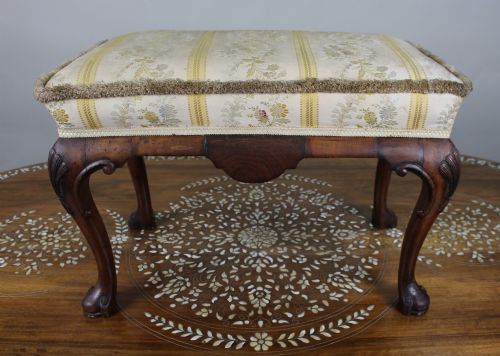
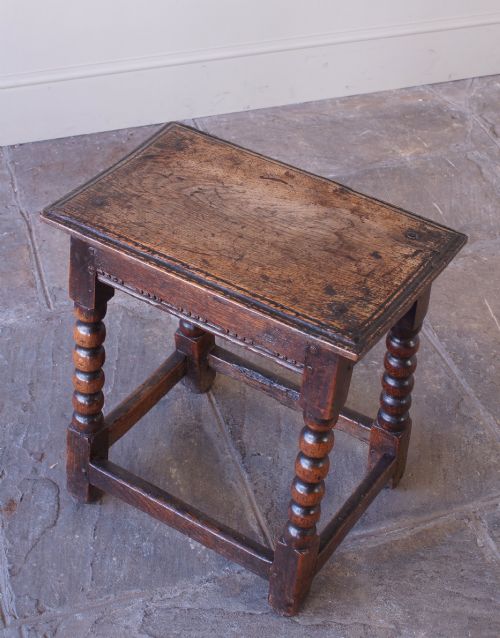
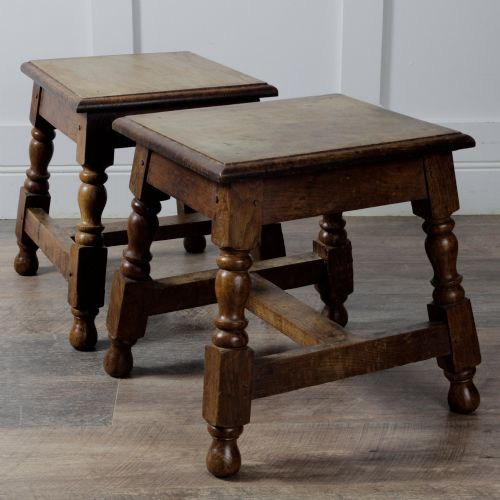
Cabinetmakers utilised hardwoods such as oak, mahogany, walnut, and rosewood, shaping them with hand-carved details, barley-sugar turnings, and cabriole legs. Frame construction often relied on traditional jointing techniques, including mortise and tenon joints seen in period oak joint stools.
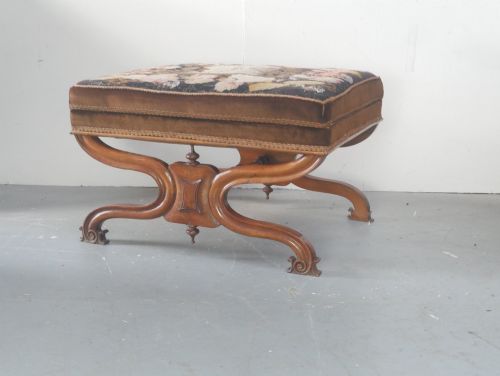
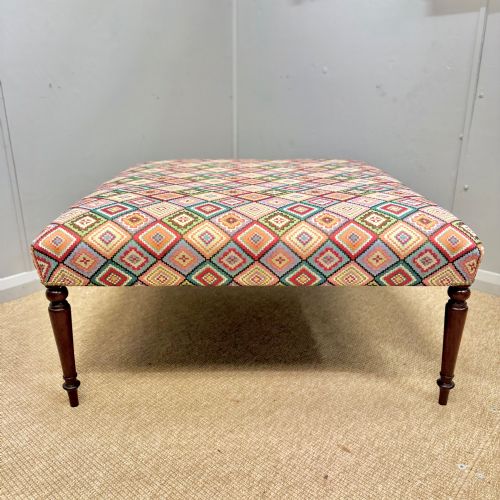
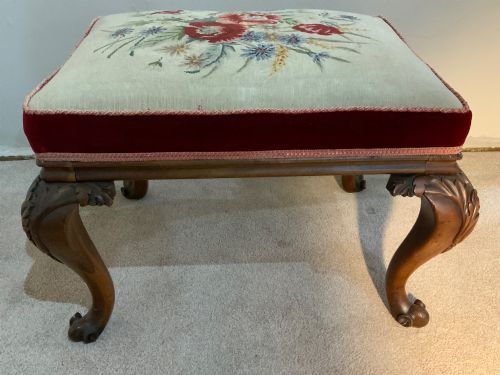
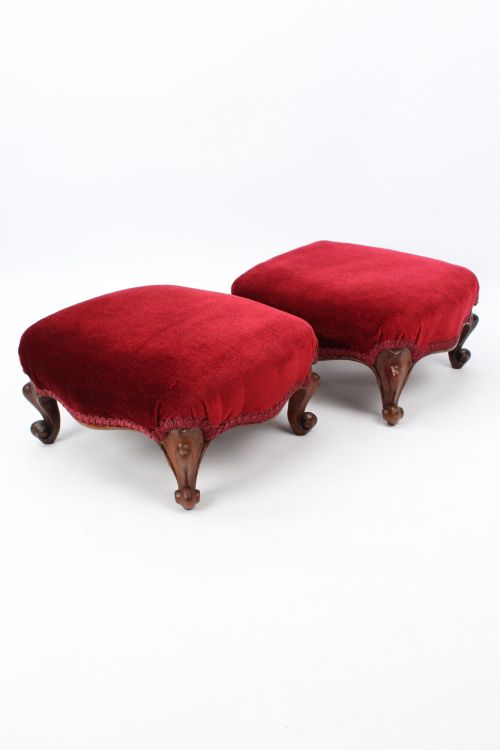
Upholstered variations incorporate period textiles including fabric, tapestry, velvet, and leather, sometimes set over cross stretchers or oyster-veneered stretchers. Gilding, parcel gilt, and painted finishes appear on Continental and Victorian pieces to add decorative weight.
Listings feature oak, mahogany, walnut, and rosewood pieces spanning the eighteenth to early twentieth centuries.
Craftsmanship and distinction
Quality rests upon the crispness of the hand-carving and the structural integrity of the timber frame, distinguishing workshop pieces from mass-produced output. Finer examples display thoughtful proportion, well-executed cabriole legs, and durable joint work that survives centuries of use.
The selection of primary wood and the retention of original upholstery textiles or surface finishes dictate the piece's historical integrity. Subtle details such as oyster veneering or precise barley-sugar turnings separate standard utility seating from exceptional cabinet work.
Waring and Gillows
The Carved Low Stool Glossary
- Joint Stool
- A sturdy wooden stool constructed with pegged mortise and tenon joints rather than turned legs. These pieces typically date from the seventeenth and eighteenth centuries.
- Cabriole Leg
- A furniture leg that curves out and then in, resembling the leg of an animal. This form became prominent during the Queen Anne and Chippendale periods.
- Cross Stretcher
- A structural support connecting the legs of a stool near the base in an 'X' shape. It provides stability and often holds decorative turnings.
- Oyster Veneer
- Decorative wood slices cut transversely from small branches to show concentric growth rings. This technique creates a distinctive oyster-shell pattern on table and stool surfaces.
- Barley-Sugar Twist
- A turned wooden furniture leg or stretcher carved in a spiral shape resembling twisted confectionery. It was popular during the William and Mary era.
Carved Low Stool: Frequently Asked Questions
How were low stools used historically?
Low stools served practical domestic functions near fireplaces for warmth or stood beside dressing tables for grooming. They provided flexible seating that could slide under tables or remain tucked near hearths.
In larger spaces, grander scaled footstools and ottomans accompanied heavy upholstered furniture. Simpler vernacular forms aided agricultural tasks or served as casual seating in modest rooms.
How do I identify a Victorian stool?
Victorian examples frequently utilise dark dense timbers like rosewood and walnut, often featuring elaborate carved details or cabriole legs. Many include padded tops covered in period textiles, velvet, or needlepoint tapestry.
Construction methods from this era combine industrial woodworking advances with traditional hand-carving. Stylistic revivals referencing Queen Anne or Gothic architecture also point to mid-nineteenth-century production.
Are antique joint stools comfortable?
Period joint stools were built for utility and durability rather than lounging, featuring solid unyielding wooden tops. Their rigid platforms make them better suited for occasional perching or displaying objects.
For comfortable seating, buyers generally look toward upholstered hearth stools or dressing stools with padded tops. Wooden joint stools excel as sturdy side tables or architectural accents.
What is a vernacular stool?
A vernacular stool is an unpretentious piece built by local craftsmen using regional timbers like pine or oak without strict adherence to fashionable styles. These items prioritize utility over decoration, resulting in honest, straightforward construction.
Examples include primitive milking stools and simple country benches. Their charm lies in their rustic authenticity and straightforward joinery.