
Antique Sterling Tea Spoons
These antique sterling tea spoons and caddy spoons bring tactile weight and historic craftsmanship to the daily ritual of brewing and pouring.
Antique Sterling Tea Spoons
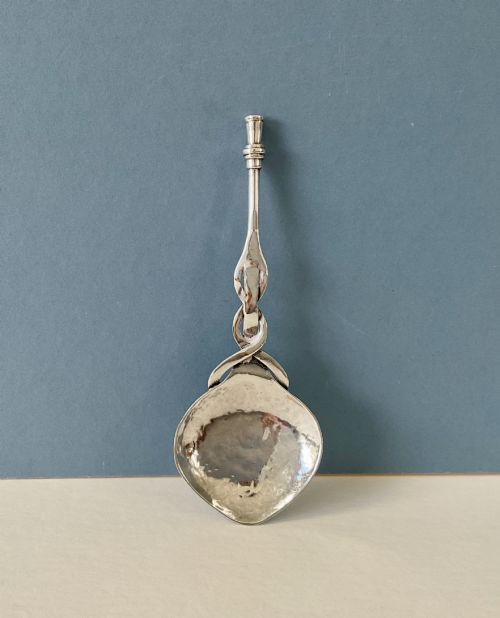
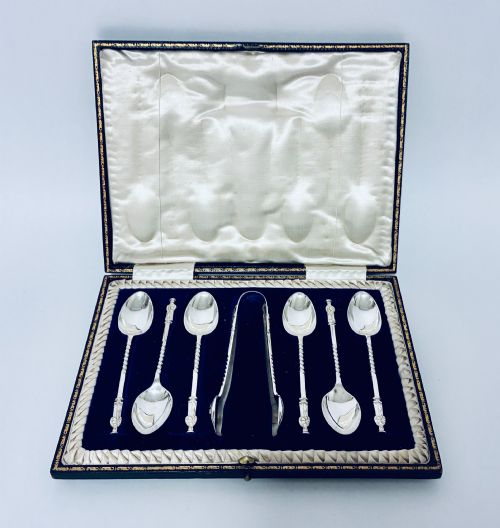
When you search for antique sterling tea spoons, you encounter a specialised domain of domestic silver spanning Georgian elegance, Victorian ornamentation, and mid-century modernism. The selection centres heavily on individual caddy spoons and cased sets of teaspoons, often accompanied by matching sugar tongs.
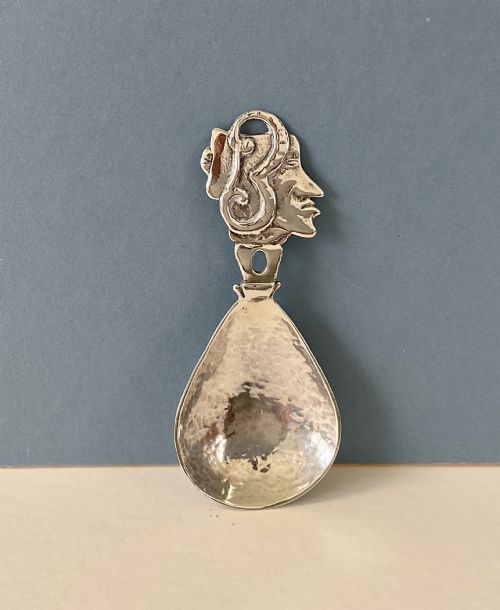
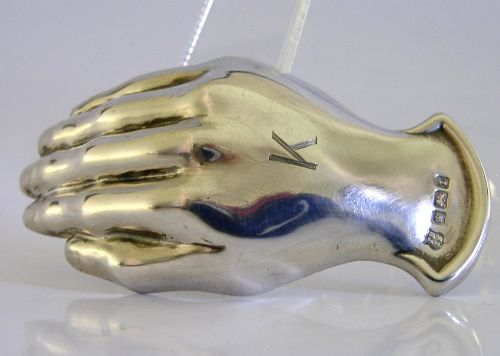
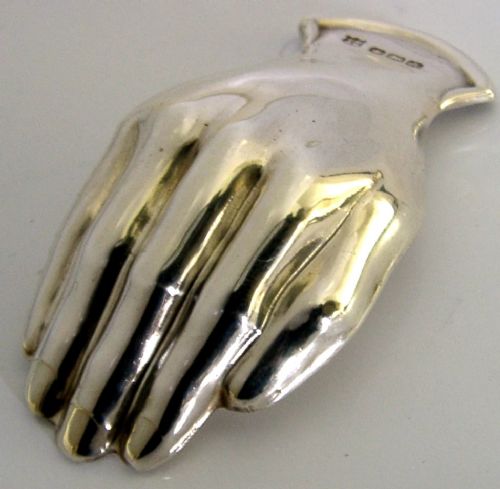
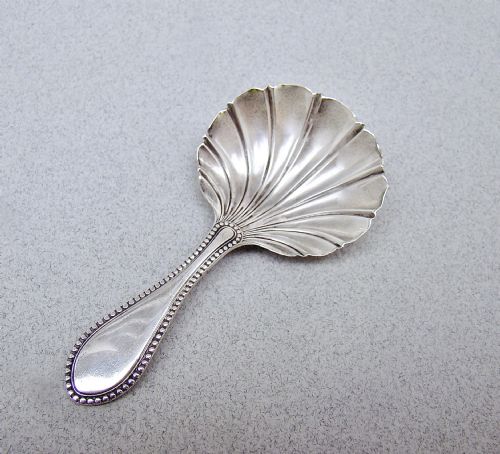
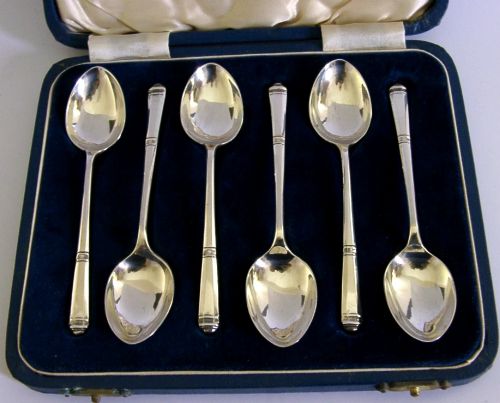
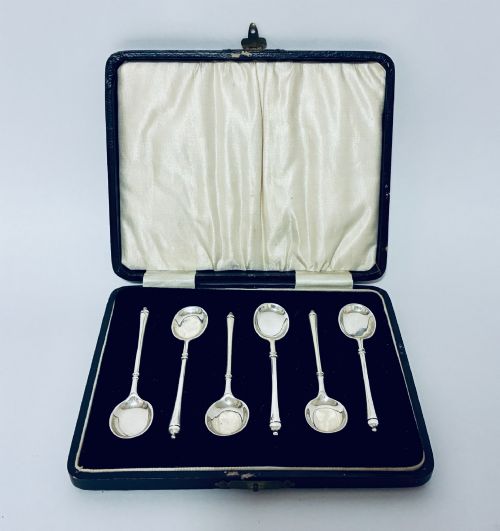
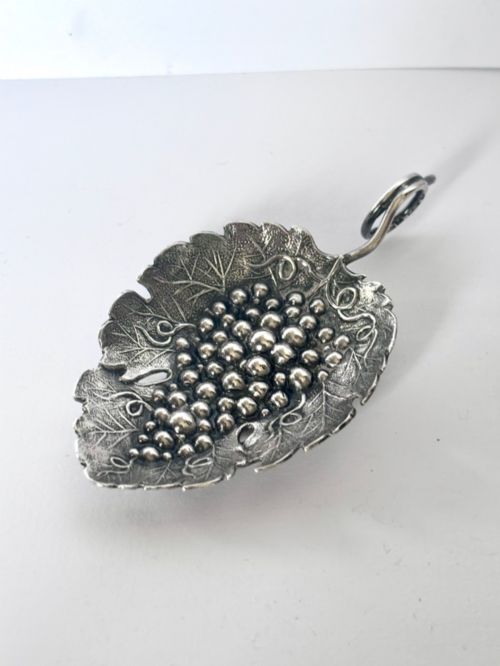
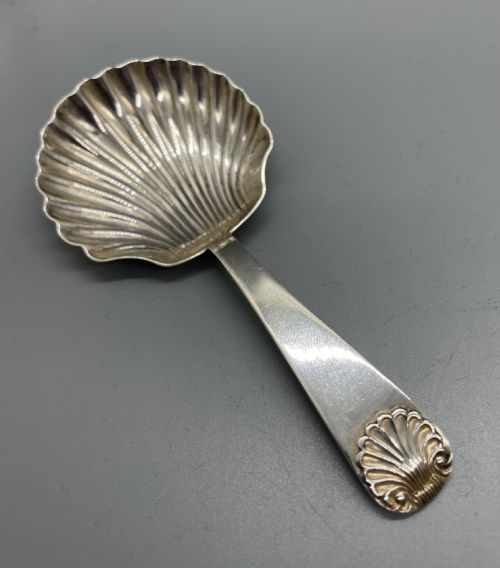
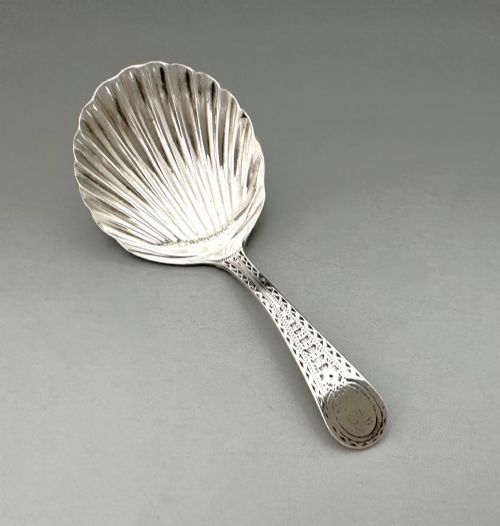
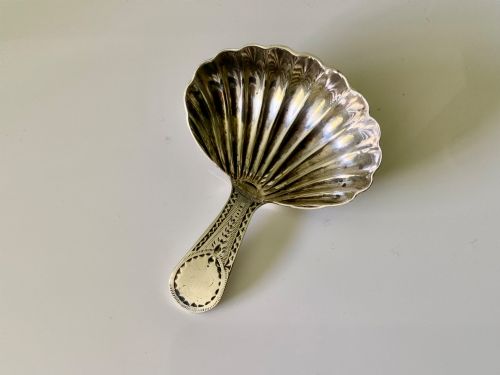
Caddy spoons dominate the historical material, appearing in whimsical forms such as jockey caps, hands, vine leaves, and shells alongside traditional shovel bowls. Teaspoons emerge either as matched sets housed in fitted velvet, silk, or leatherette cases or as individual survivals from the eighteenth century onward.
How they were made
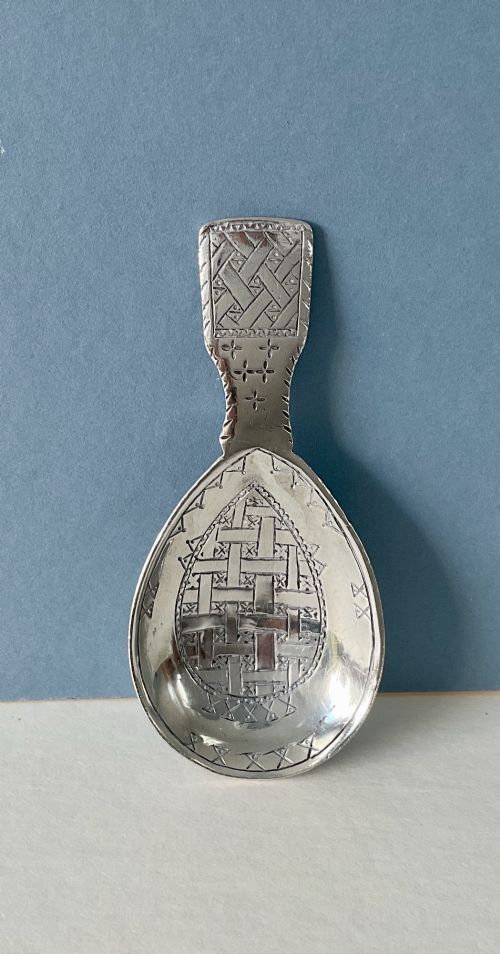
Silversmiths shaped these pieces from sterling silver using traditional techniques of hammering, casting, and piercing. Bowls were often formed separately and joined to handles, while delicate decoration like bright-cutting was hand-engraved into the metal surface.
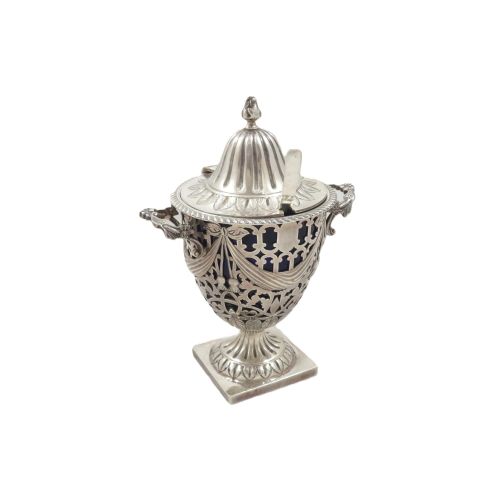
Specialised variations incorporate vitreous enamel applied to the silver base or pair the metal with fitted presentation cases lined in velvet, satin, and leatherette. Maker's marks and city hallmarks stamped into the reverse provide the secure documentation of origin.
Listings feature sterling silver items spanning the Georgian, Victorian, Edwardian, and Art Deco periods, alongside modernist Scandinavian works.
What varies in quality
Quality rests in the crispness of the original chasing, the weight of the gauge, and the preservation of the maker's punch. Pieces with deep hand-engraving or sculptural novelty forms demand greater skill from the silversmith than plain, stamped designs.
Completeness alters the character of a set, particularly when fitted leather cases, original sugar tongs, or matching sifter spoons remain intact. Crisp hallmarks and legible maker marks confirm the authenticity and integrity of the piece.
Martin Hall & Co·Joseph Willmore·William Neale·David Andersen·Georg Jensen
The Antique Sterling Tea Spoons Glossary
- Caddy spoon
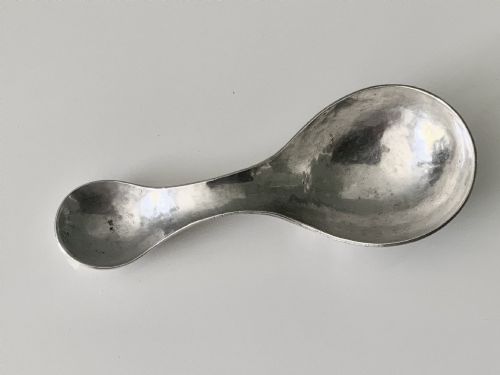
- A specialised small spoon designed for measuring loose tea leaves from a caddy into the pot. These utensils frequently feature short handles and broad, shallow bowls.
- Mote spoon
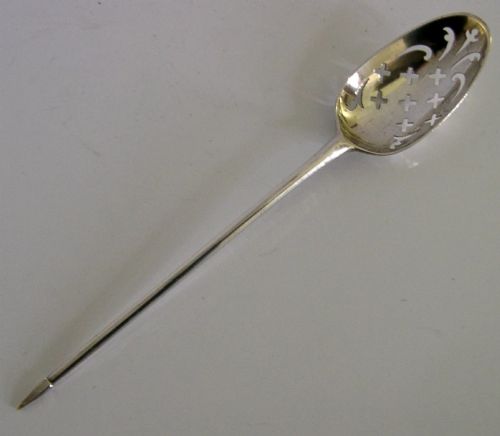
- An eighteenth-century implement featuring a pierced bowl for straining tea leaves and a pointed tail used for clearing the teapot spout. They belong to the early phases of tea service history.
- Bright-cut
- An engraving technique utilising angled cuts to create faceted grooves that reflect light. This decoration appears frequently on Georgian shovel-bowl spoons.
- Hallmark
- A formal mark stamped into silver to guarantee its metal purity, city of assay, and year of production. These stamps offer reliable dating for British items.
- Apostle spoon
- A decorative spoon terminating in a cast figure of an apostle, often produced in sets. They revive sixteenth-century traditions in later Victorian and Edwardian manufacturing.
Antique Sterling Tea Spoons: Frequently Asked Questions
What is a caddy spoon used for?
These small spoons measured loose tea leaves from storage containers into the teapot during the eighteenth and nineteenth centuries.
Their shallow bowls and short handles were specifically proportioned for reaching inside ceramic or wooden tea caddies.
How do I date an old silver spoon?
Examine the stamped hallmarks on the reverse of the handle for assay office symbols and date letters. Comparing these punches against official registries provides the exact year of manufacture.
Style, bowl shape, and engraving techniques also indicate whether a piece belongs to the Georgian, Victorian, or Edwardian era.
Were these spoons made in sets?
Many teaspoons were produced as matched sets of six or twelve, frequently accompanied by matching sugar tongs or sifter spoons. These complete groupings were often retailed inside fitted velvet or leatherette presentation cases.
Caddy spoons and mote spoons, by contrast, were invariably created and utilised as individual pieces.
How do I clean antique silver?
Wash the silver gently in warm water using a mild liquid soap and a soft cloth to remove surface residue. Avoid harsh abrasive dips that strip away the subtle patination accumulated over centuries.
Dry the pieces thoroughly with a clean microfibre towel to prevent water spots from forming on the polished surface.