
Antique Sterling Silver Pair
These antique sterling silver pair items bring matched utility and fine metalwork to the dining table or display shelf from Georgian, Victorian, and Edwardian hands.
Antique Sterling Silver Pair
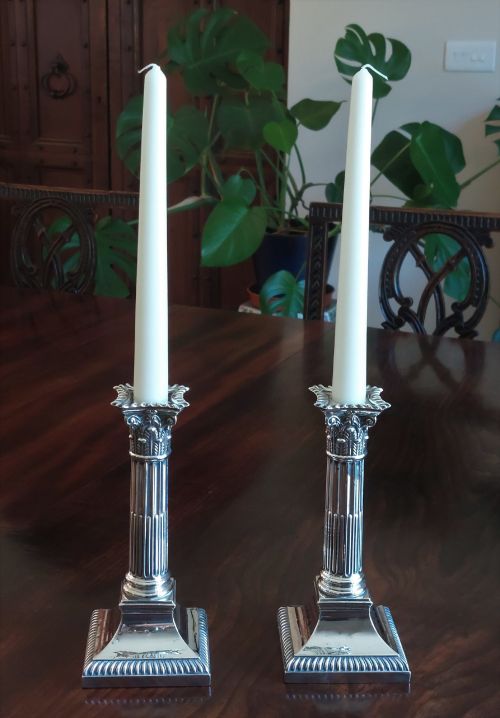
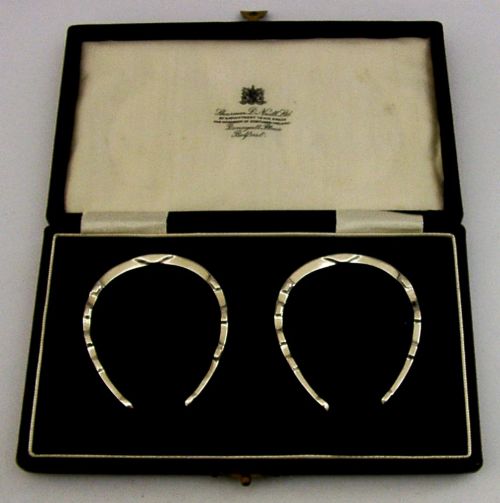
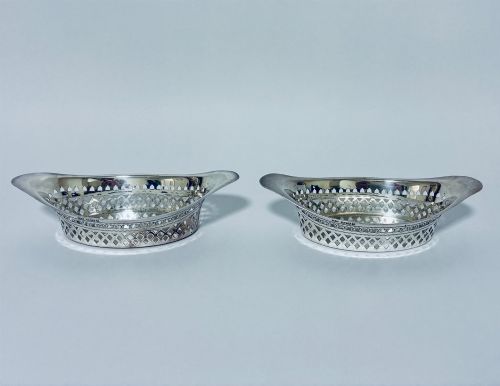
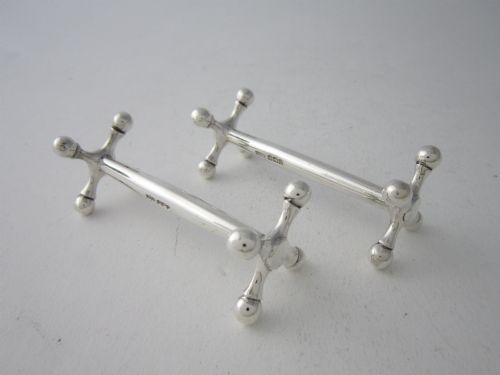
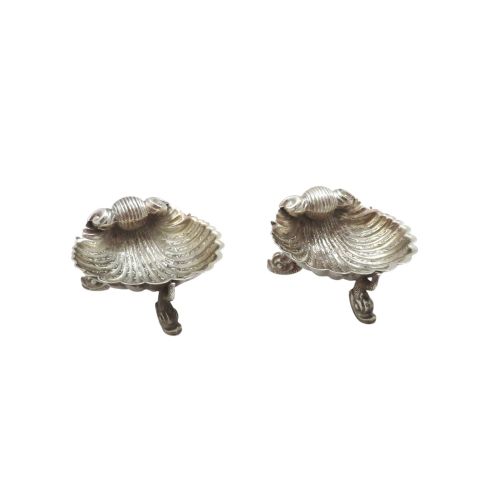
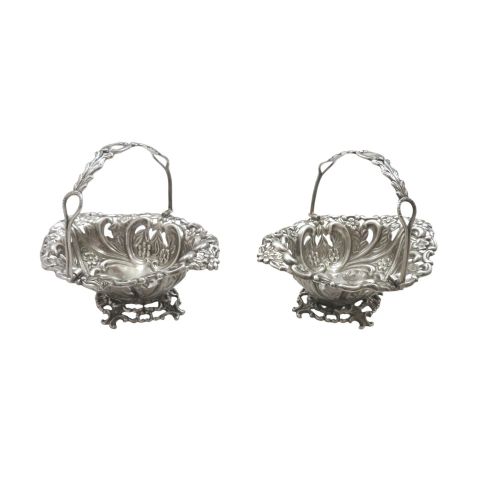
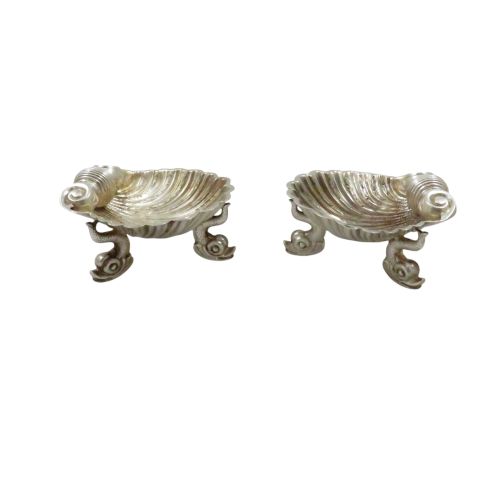
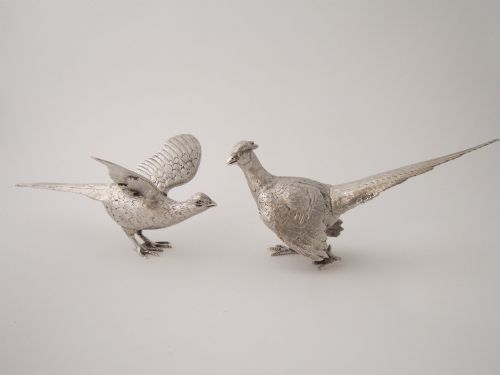
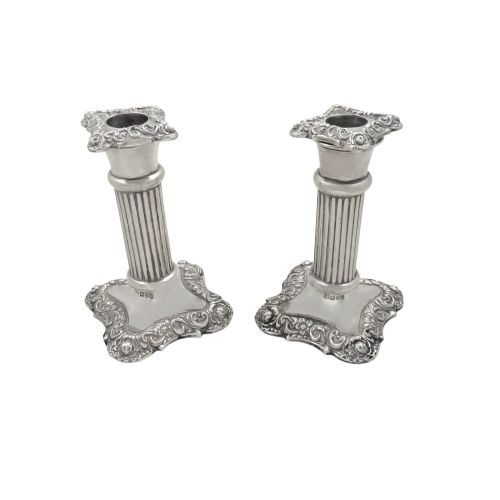
An antique sterling silver pair comprises matching tableware, serving implements, or decorative objects created together during periods ranging from the eighteenth century through the mid-twentieth century. Buyers searching this phrase encounter matched sets designed for formal dining, domestic display, or personal vanity, including candlesticks, salt cellars, serving spoons, napkin rings, and photograph frames.
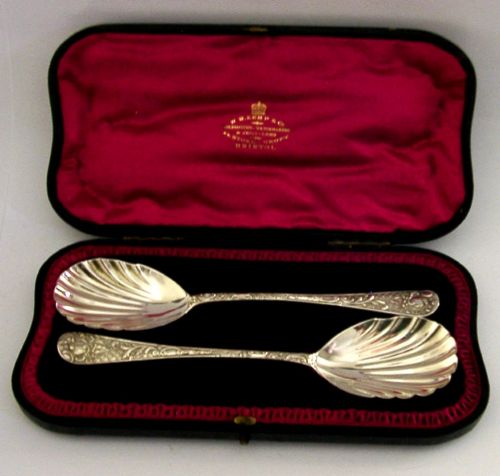
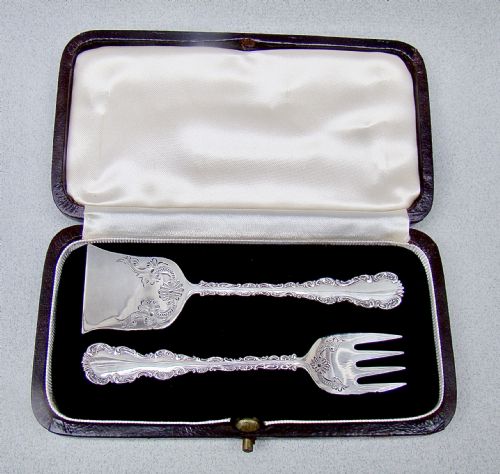
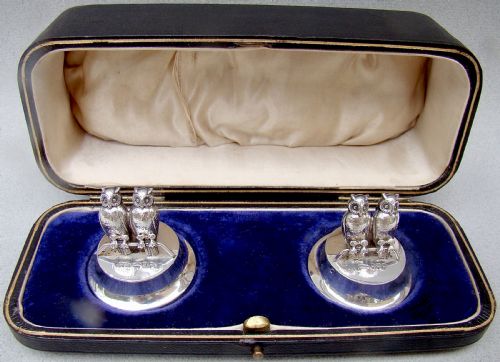
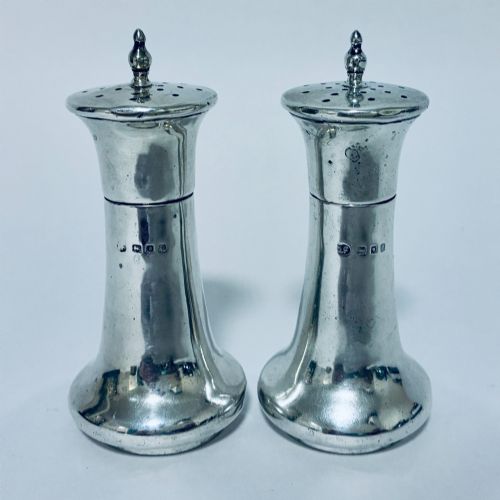
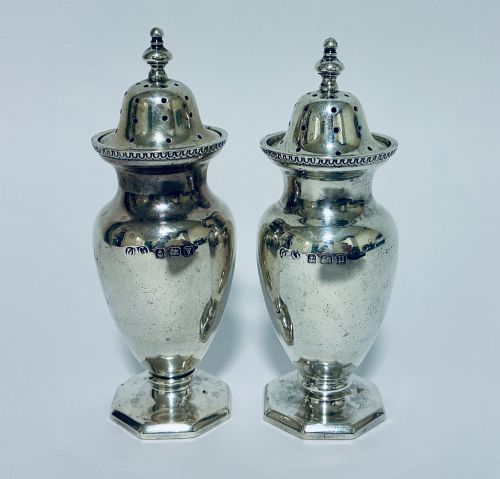
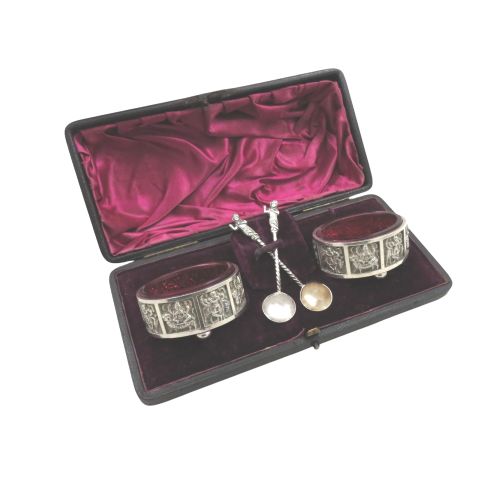
The selections available span multiple stylistic eras, with Edwardian and Victorian examples appearing most frequently alongside Georgian pieces and later twentieth-century creations. Domestic items such as pepper pots, wine coasters, menu holders, and fruit dishes dominate the physical record, often surviving inside their original fitted presentation cases lined with velvet, silk, or satin.
How They Were Made
Makers shaped these items through traditional silversmithing methods including casting, piercing, hammering, and repoussé work, frequently combining sterling silver with contrasting elements like cobalt glass liners, mahogany bases, or granite trivets. Many hollowware pieces and decorative figures incorporate weighted internal compositions to provide stability during use.
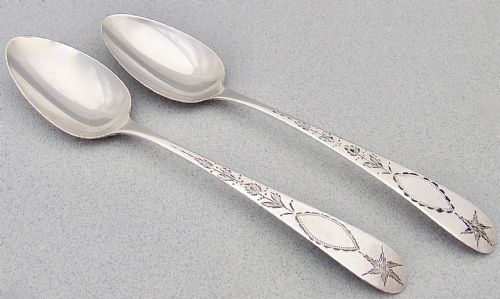
Surface decoration relies heavily on engraving, chasing, and gilt highlights to accentuate floral motifs, heraldic crests, or figural details such as owls, swans, and dolphins. Hallmarks stamped directly into the metal record the assay office, standard mark, and date letter for verification.
Silversmiths occasionally fashioned menu holders as tiny metal owls and swimming swans to peer across Victorian dinner tables.
What Varies in Quality
Survival of original fitted cases, intact glass liners, and legible maker marks elevates the desirability of a pair. Uniformity in weight, thickness of gauge, and alignment between the two objects determine the overall integrity of the matched set.
Henry Wilkinson·Levi & Salaman·John Pittar·Gorham·Garrard & Co·William Plummer·David Hennell·Mappin Bros·Barker Bros·Elkington & Co·William Devenport·Walker & Hall·Edward Barnard & Sons
The Antique Sterling Silver Pair Glossary
- Hallmark
- Official stamps struck into precious metals to indicate the maker, assay office, purity standard, and year of manufacture. These marks serve as the primary tool for dating and authenticating British silver.
- Repoussé
- A metalworking technique where the silversmith hammers and pushes the design from the reverse side to form a raised relief on the front. This method creates tactile depth on decorative bowls and serving spoons.
- Chasing
- The complementary process to repoussé, executed from the front side by sinking metal rather than raising it to refine surface details. It sharpens the contours established during the initial hammering.
- Hollowware
- Tableware items such as pots, baskets, vases, and candlesticks that possess inner volume rather than being solid flatware. These pieces often require weighted bases for structural balance.
- Gilt
- A thin layer of gold applied to the interior surface of silver vessels like salt cellars or berry spoons to protect the metal from corrosive food acids. It produces a rich, contrasting interior glow.
Antique Sterling Silver Pair: Frequently Asked Questions
What were silver salt cellars used for?
Salt cellars held loose salt on formal dining tables before the invention of individual shakers. Diners used small spoons or pinches from their fingers to season food.
Many antique pairs feature cobalt glass liners inside pierced sterling frames to prevent salt corrosion.
How do I clean antique silver pairs?
Clean silver gently using a specialist micro-abrasive polish designed specifically for antique precious metals. Avoid harsh chemical dips that strip away desirable patination.
Soft cloths and warm soapy water suffice for routine maintenance of unlacquered display pieces.
Are cased silver items more valuable?
Original fitted cases lined with velvet, silk, or satin protect the contents and indicate high-end retail origin. Cases often feature maker stamps inside the lid matching the silver hallmarks.
Survival of the original box enhances collectibility for gift items like napkin rings and spoons.
How can I tell the date of manufacture?
British sterling silver relies on a standardised date letter stamped alongside the assay office mark and lion passant. Reference tables match each specific alphabet font and shield shape to a precise year.
Stylistic cues such as Art Nouveau curves or Georgian neoclassical lines further corroborate the stamped date.