

Antique Sterling Silver Flatware
These pieces of antique sterling silver flatware span centuries of dining, offering solid silver spoons, forks, and serving utensils shaped by Georgian, Victorian, and later hands.
Antique Sterling Silver Flatware
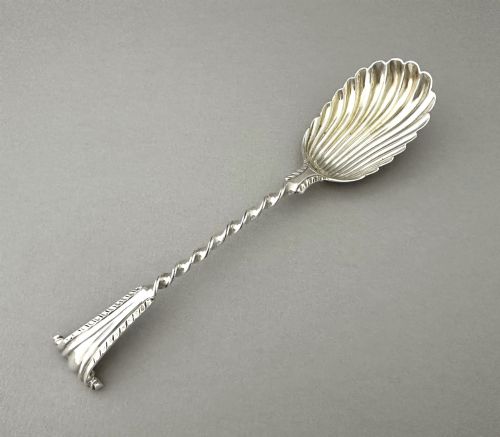
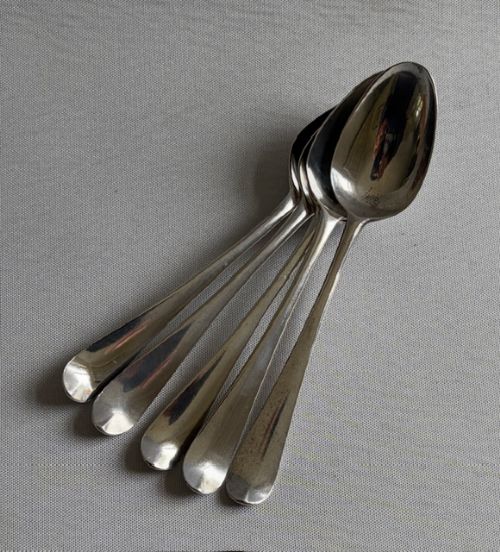
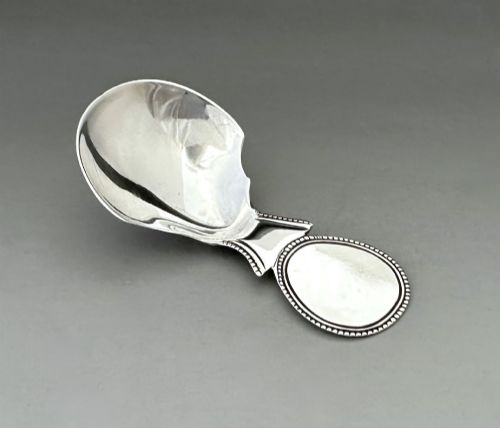
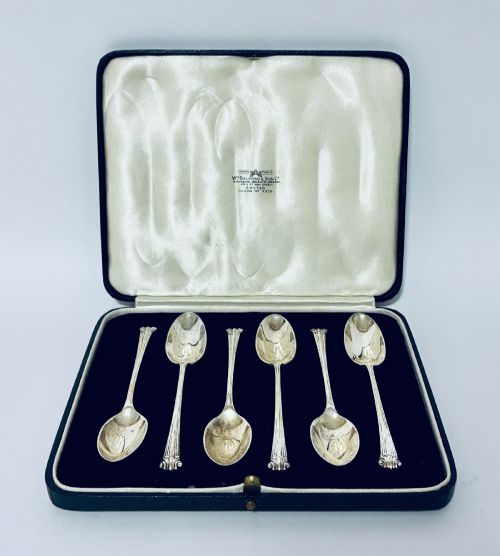
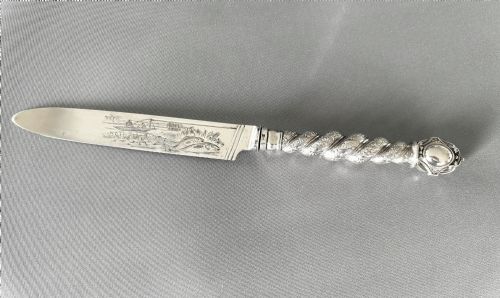
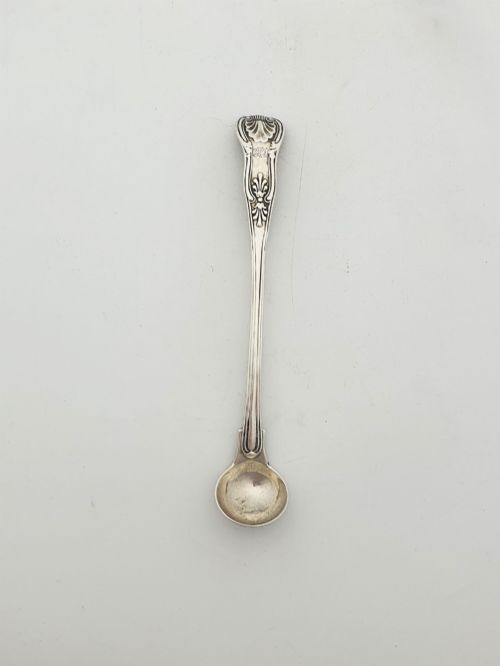
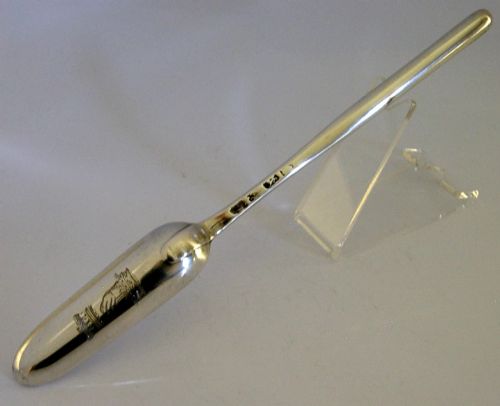
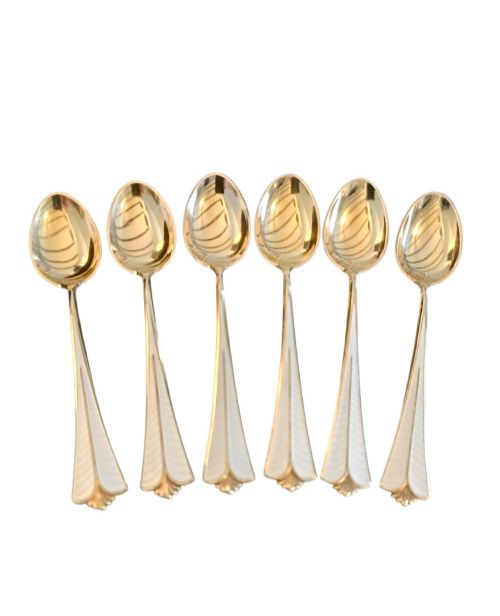
Antique sterling silver flatware encompasses everything from single tablespoons and caddy spoons to matched canteens of cutlery used for formal dining. Buyers find individual serving utensils, fish slices, and small tea or coffee spoons spanning the Georgian, Victorian, and Edwardian periods.
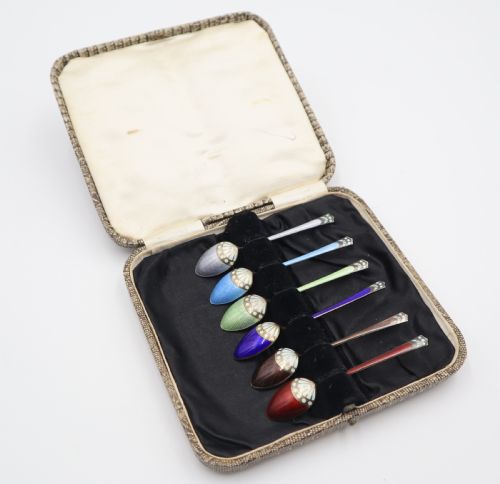
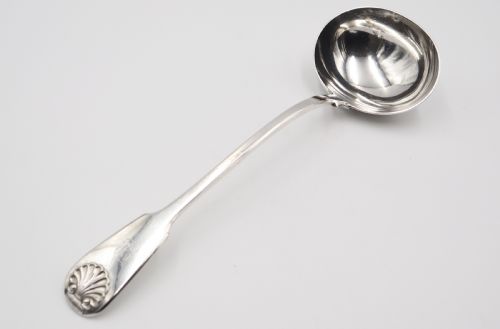
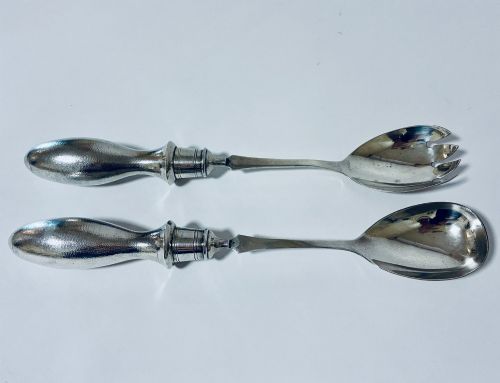
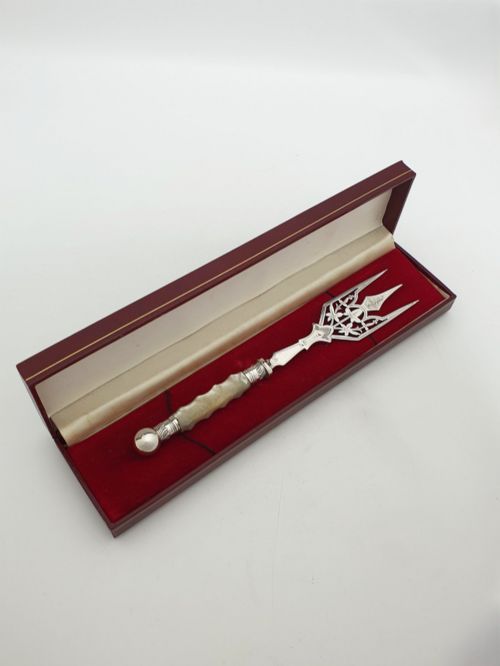
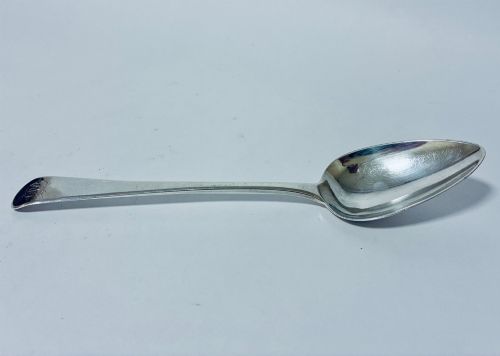
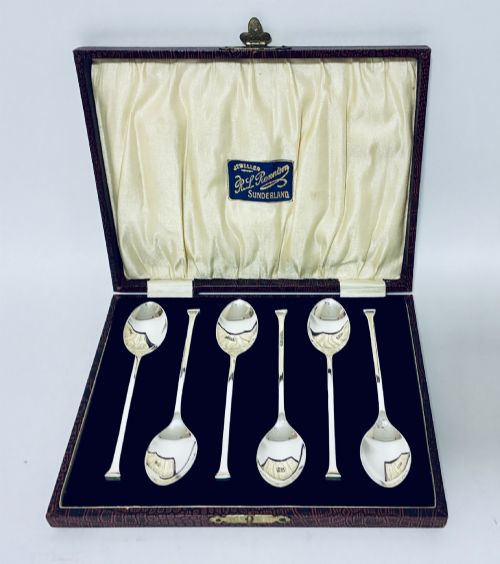
The selections on this page lean heavily toward spoons and serving pieces, including basting spoons, ladles, and tongs rendered in sterling silver. These functional items reflect the dining customs of past centuries, often preserved in fitted cases lined with velvet or satin.
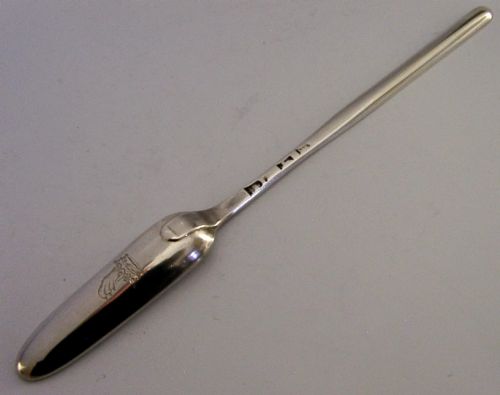
Pieces originate across the British Isles and beyond, incorporating regional styles such as Newcastle serving spoons and Dublin dessert spoons alongside continental designs. Domestic forms dominate, with many items bearing family crests or monograms that connect them to their original owners.
Materials and construction methods
Makers shaped these items primarily from sterling silver, hammering, casting, and piercing the metal to create bowls, tines, and handles. Steel appears in combination with silver on certain cutting implements, while secondary elements such as agate handle specific specialised spoons.
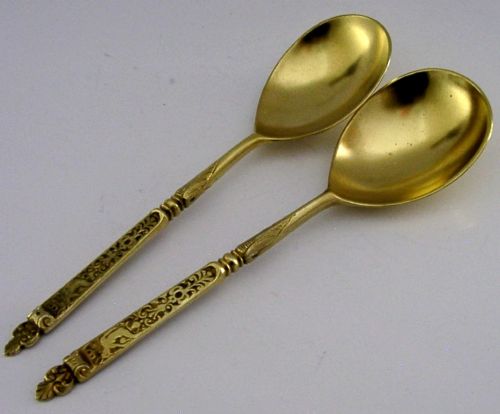
Craftsmen applied techniques like cast piercing, engraving, and the application of cast motifs such as vine leaves and grapes onto handles and backs of bowls. Cased sets often utilised wood frames covered in leatherette and lined with silk or velvet to protect the polished silver within.
Antique Sterling Silver Flatware Retail Price Guide 2026
Typical asking prices for sterling silver flatware among the pieces listed under this phrase on Sellingantiques today, from the lower quarter to the upper quarter. They describe what is for sale here now, not the wider market.
What determines the quality of these pieces
Quality rests upon the crispness of the maker's mark and the clarity of cast or engraved decoration, which can soften through heavy use or over-polishing. Substantial weight in the hand indicates a superior grade of metal, particularly in large serving spoons and basting items.
The integrity of the design and the survival of matching components or original fitted cases elevate certain items above standard domestic equivalents. Exceptional workmanship appears in pierced and cast details where artisans invested significant time in ornamental execution.
Peter and Jonathan Bateman·Hester Bateman·Georg Jensen·Martin Hall and Co·Henry Wilkinson·Joseph Willmore·Tiffany and Company
The Antique Sterling Silver Flatware Glossary
- Sterling silver
- A silver alloy containing 92.5 percent pure silver and 7.5 percent other metals, usually copper, chosen for durability.
- Caddy spoon
- A short-handled spoon specifically designed for measuring loose tea leaves from a storage caddy.
- Basting spoon
- An oversized spoon traditionally used in the kitchen or at the table for spooning pan juices over meat.
- Fiddle pattern
- A popular 19th-century flatware handle design featuring a distinctive violin-like shoulder near the bowl.
- Mote spoon
- An 18th-century spoon with a pierced bowl used to skim tea leaves and a pointed stem to clear teapot spouts.
Antique Sterling Silver Flatware: Frequently Asked Questions
How do I date antique silver flatware?
Dating relies primarily upon hallmarks stamped directly into the silver, which include maker marks, standard marks, and date letters corresponding to specific assay offices.
Style also offers clues, as Georgian pieces often display different handle shapes and engraving techniques compared to later Victorian or Art Deco designs.
Were these pieces meant for everyday use?
Many items served domestic dining needs across wealthy households, from large family dinners to specialised courses like fish or dessert.
Over generations, use patterns varied, with some flatware kept in fitted velvet cases for special occasions while others saw regular service at the dining table.
How should I clean antique sterling silver?
Cleaning requires gentle washing in warm soapy water with a soft cloth to remove everyday residue without abrading the surface.
Harsh dips and abrasive pastes should be avoided to preserve delicate hand-engraving, crests, and the original crispness of the maker's marks.
What is a crest on antique silver?
A crest is an engraved or applied heraldic symbol representing the family who originally commissioned the flatware.
These marks often allow researchers to trace the lineage of specific pieces back to their initial owners through historical records.