

Antique Sterling Silver Card Case
An antique sterling silver card case offers a tangible link to Victorian and Edwardian calling rituals, combining pocketable utility with intricate metalwork.
Antique Sterling Silver Card Case
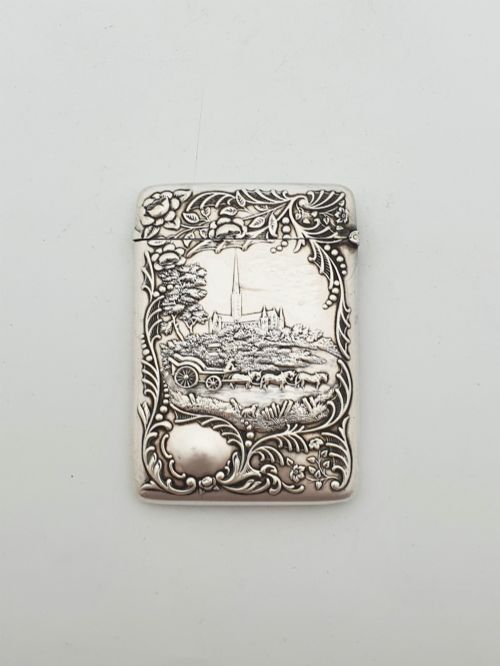
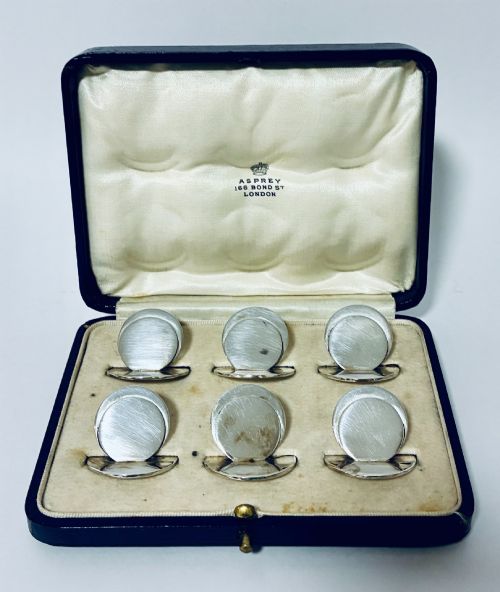
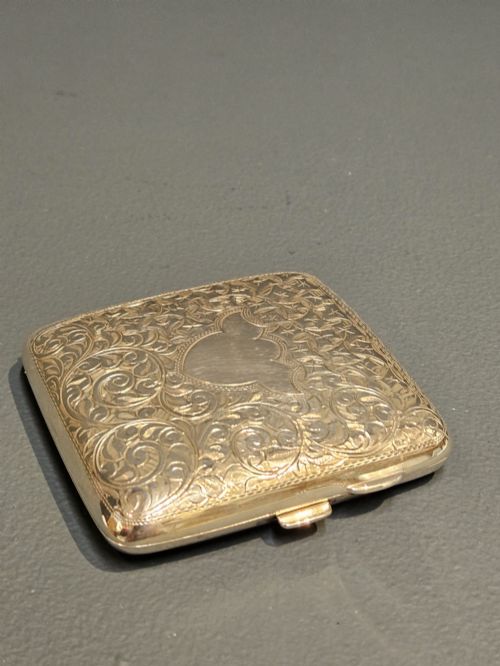
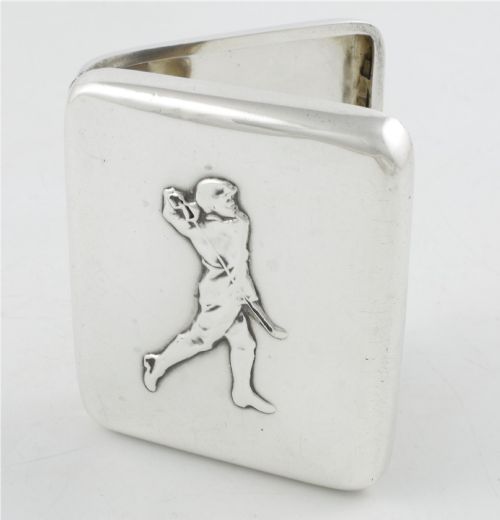
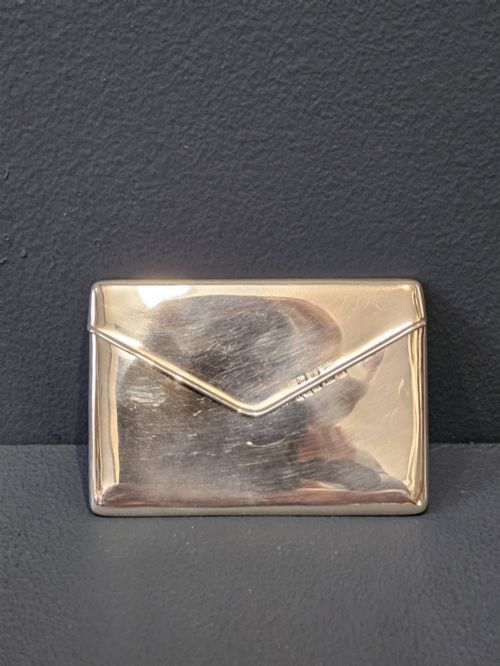
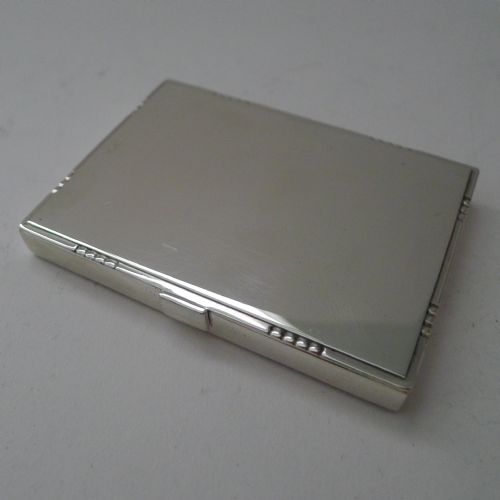
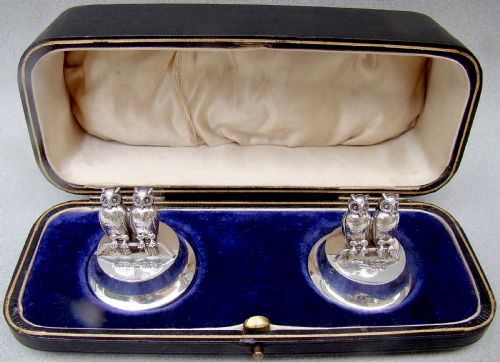
When searching for an antique sterling silver card case, collectors encounter slender pocket receptacles designed to hold calling cards during formal social visits of the nineteenth and early twentieth centuries. The pieces on this page span the Victorian and Edwardian eras, alongside later Art Deco iterations, reflecting shifting social habits.
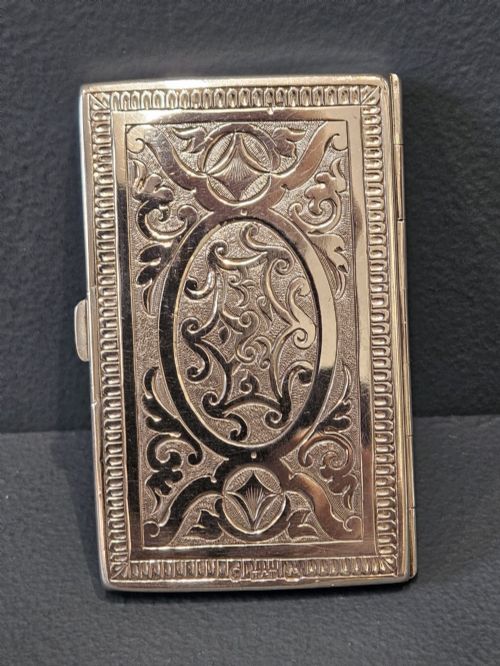
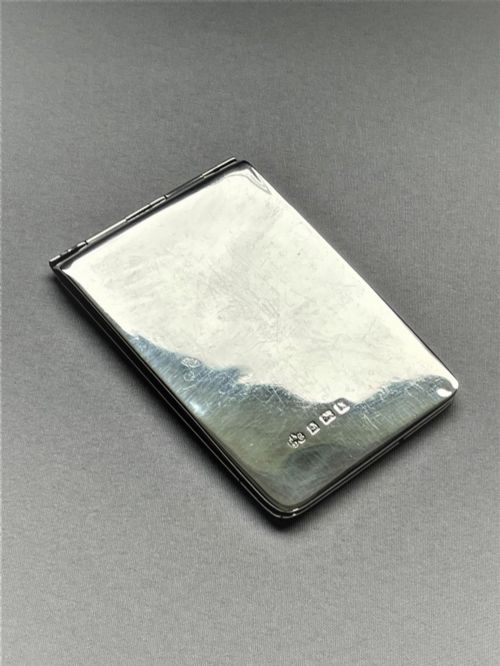
Originating largely from British workshops, these objects range from plain polished silver surfaces to highly decorated scenic creations. The typical specimen on this page demonstrates the durable metal standards of the period, often fitted with interior silk or leather linings to cushion the contents.
Materials and construction
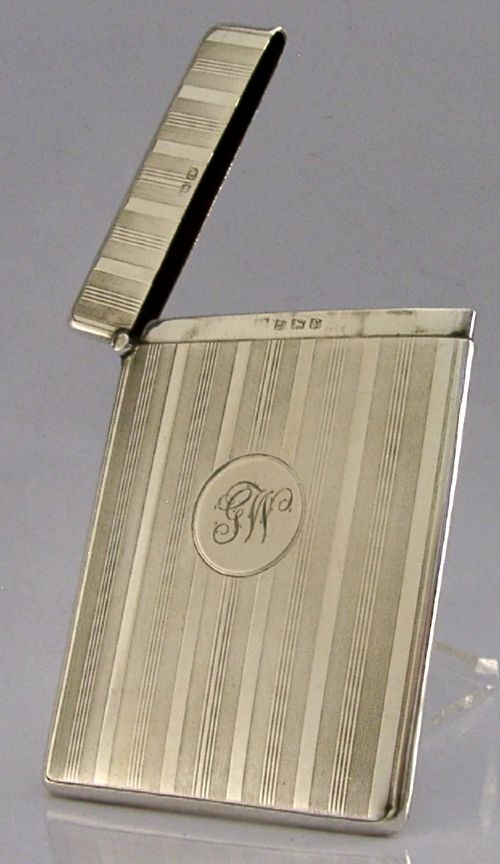
Silversmiths constructed these cases primarily from solid sterling silver, utilising sheet metal rolled to precise thicknesses to balance durability with manageable pocket weight. Exterior decoration relied heavily on hand chasing, engraving, and engine-turning to create geometric patterns, foliage, or figurative scenes.
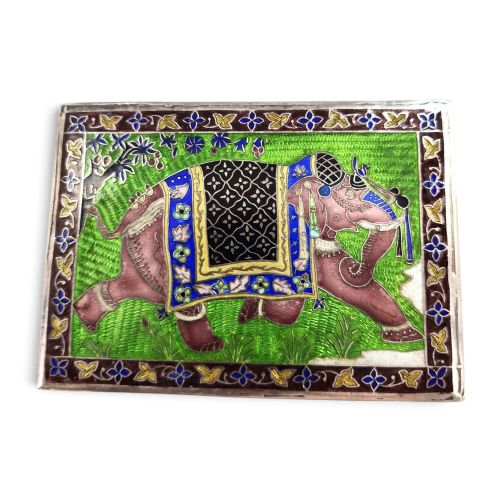
Specialist variations incorporate supplementary materials such as guilloche enamel, coloured glass, and hand-painted details to add colour to the metallic ground. Interior compartments frequently integrate fitted linings of silk, leather, or velvet, held in place by precise folding and gluing techniques.
Antique Sterling Silver Card Case Retail Price Guide 2026
Typical asking prices for sterling silver card case among the pieces listed under this phrase on Sellingantiques today, from the lower quarter to the upper quarter. They describe what is for sale here now, not the wider market.
Distinctions in craftsmanship
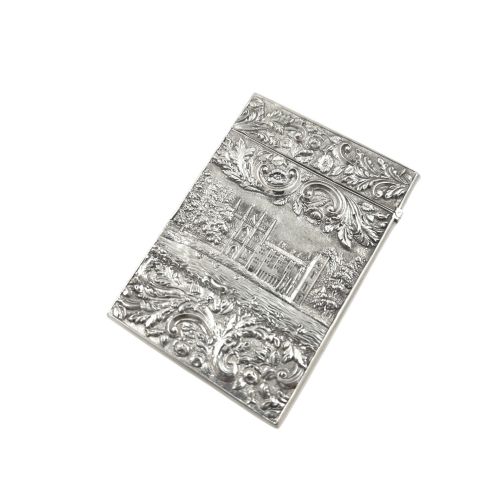
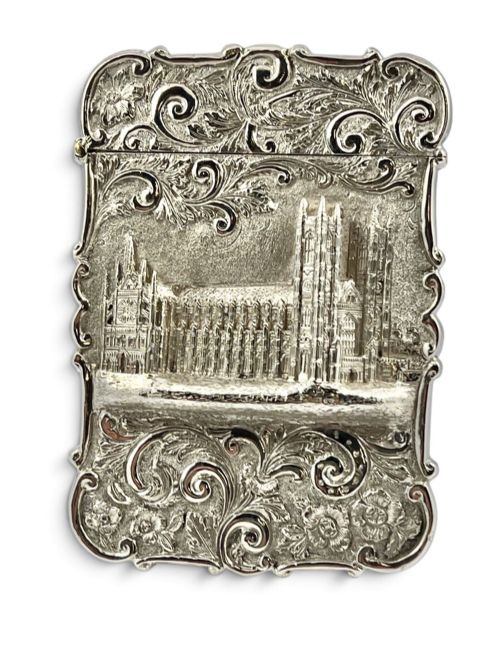
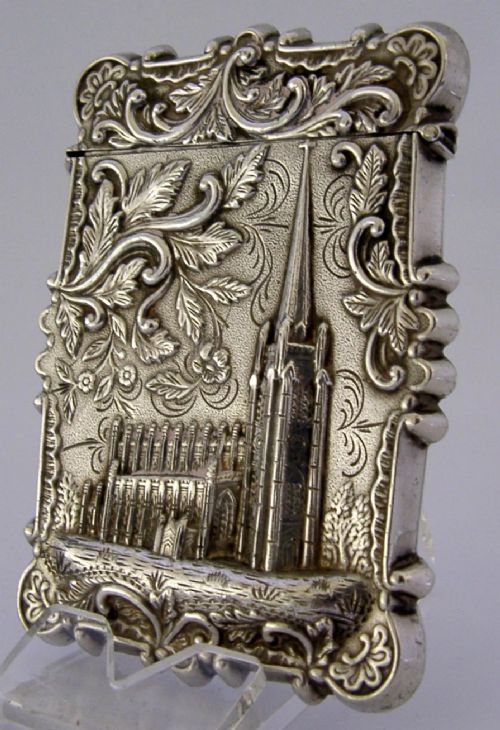
The division between standard production and exceptional quality lies in the depth and crispness of the hand-chased ornamentation. Master silversmiths achieved high relief on architectural castle top designs, whereas lesser pieces relied on shallow machine stamping.
Hinges, clasps, and spring-opening mechanisms dictate the structural integrity of a surviving piece. Superior examples retain flush-fitting lids and crisp spring actions that close securely without gaps.
Nathaniel Mills·Sampson Mordan·Georg Jensen·William Comyns And Sons·Levi And Salaman
The Antique Sterling Silver Card Case Glossary
- Castle top
- A descriptive term for card cases featuring a detailed engraved or embossed representation of a famous building or landmark on the cover. These architectural scenes often depict specific British structures like Westminster Abbey or Windsor Castle.
- Guilloche enamel
- A decorative technique where transparent enamel is layered over mechanically engraved metalwork to create repetitive geometric patterns beneath the coloured glass surface. This finish appears frequently on later Art Deco pieces.
- Aide-memoire
- A small pocket notebook or memorandum tablet combined with a card case or purse, often including an internal ivory or bone writing leaf alongside a silk-lined compartment.
- Hallmark
- An official stamp applied by an assay office to indicate the metal purity, year of manufacture, and maker's mark. British sterling items typically display a lion passant and city mark alongside date letters.
Antique Sterling Silver Card Case: Frequently Asked Questions
What were antique card cases used for?
Victorian and Edwardian society utilised these receptacles to transport visiting cards when making formal social calls. Leaving a card signified a visit had occurred when the recipient was not at home.
Over time, owners also repurposed them to hold railway tickets, stamps, or paper currency as social customs evolved.
How do I date a silver card case?
Dating relies primarily on the assay office hallmarks stamped into the silver body, which include specific date letters corresponding to the year of testing. Stylistic clues such as floral Art Nouveau motifs or geometric Art Deco lines also narrow down the period.
Consulting standardised British assay tables allows collectors to trace the exact year and city of manufacture for most sterling pieces.
Are these cases suitable for modern daily use?
While structurally sound, antique silver cases are relatively thin and subject to denting if carried loosely in modern pockets or bags. Many owners choose to display them on desks or use them sparingly for special occasions.
Interior linings made of silk or velvet also benefit from protection against modern heavy items like thick plastic credit cards.