




Sterling Silver Visiting Card Case
These sterling silver visiting card case examples are pocket-sized pieces of social history made to hold calling cards during the Victorian and Edwardian eras.
Sterling Silver Visiting Card Case
A sterling silver visiting card case is a compact pocket container designed to hold calling cards for social exchanges in the nineteenth and early twentieth centuries. When searching for a sterling silver visiting card case, buyers encounter items taking the form of slim card cases, calling card cases, and aide-memoires.
The pieces on this page originate predominantly from the Victorian and Edwardian periods, stretching from the early Victorian era through to the 1920s. Alongside standard silver forms, variants incorporate materials such as leather, velvet, and Connemara marble, while specialised versions function as combined card and stamp cases.
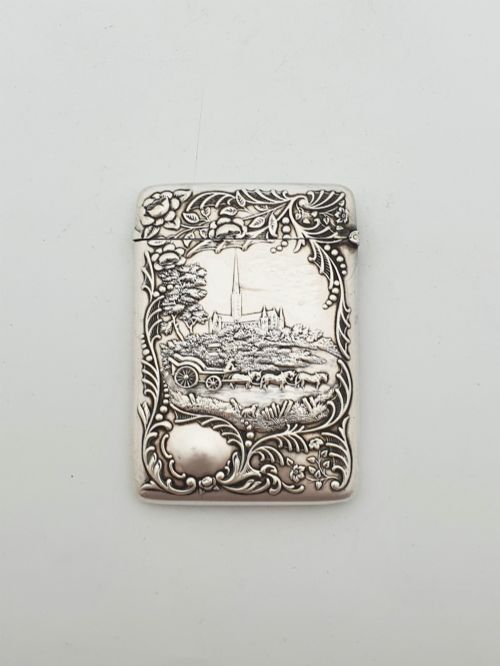
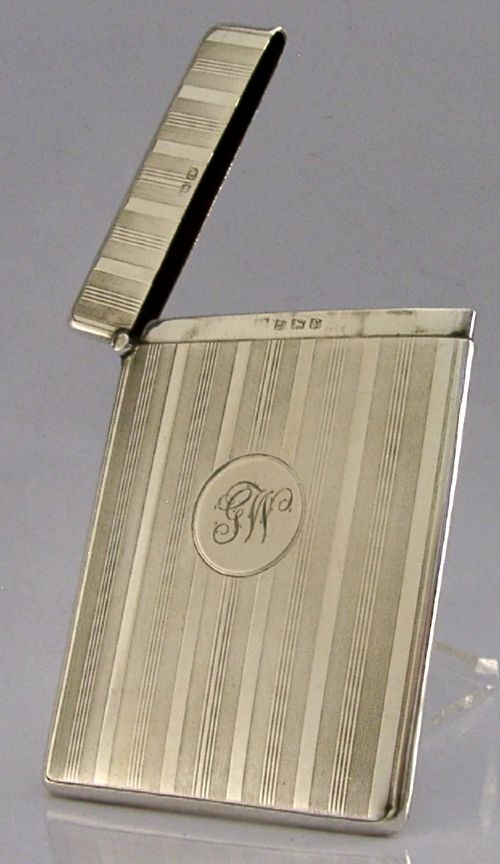
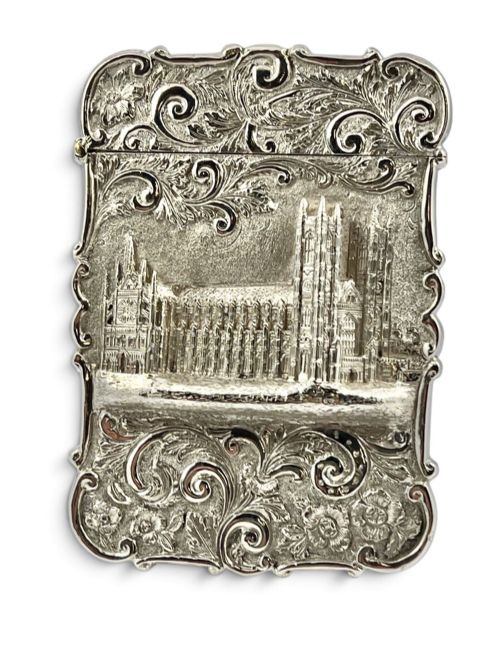
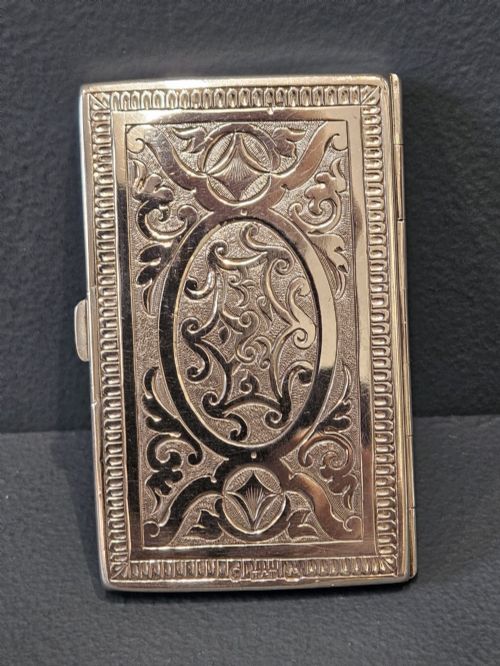
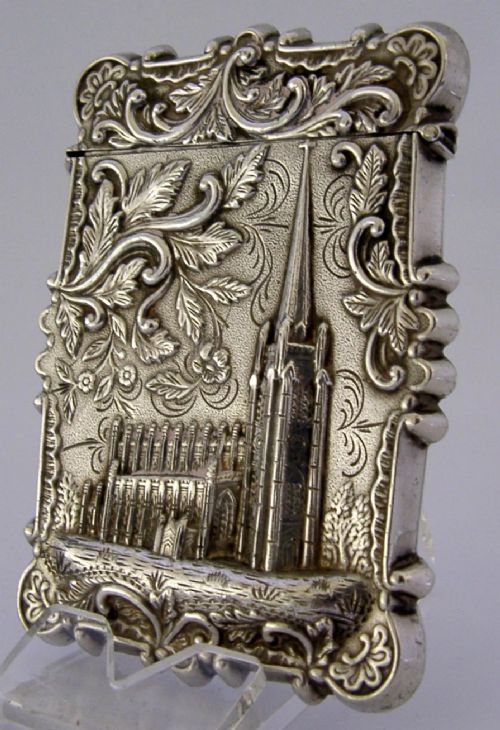
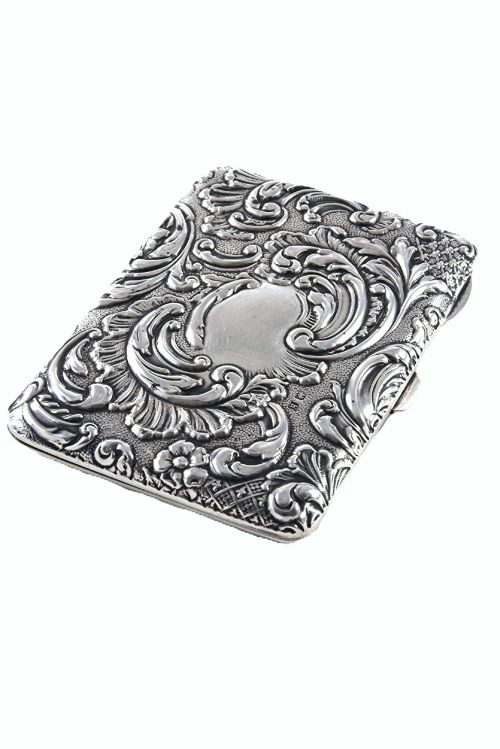
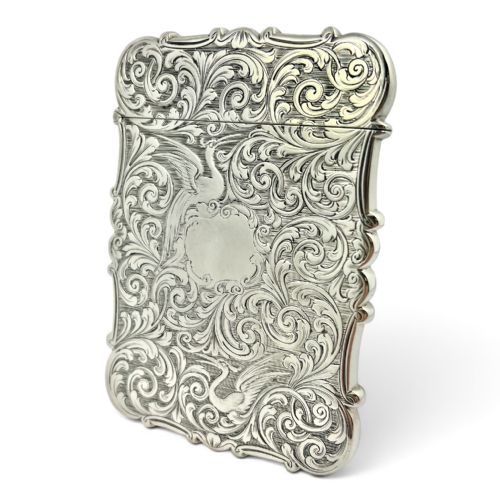
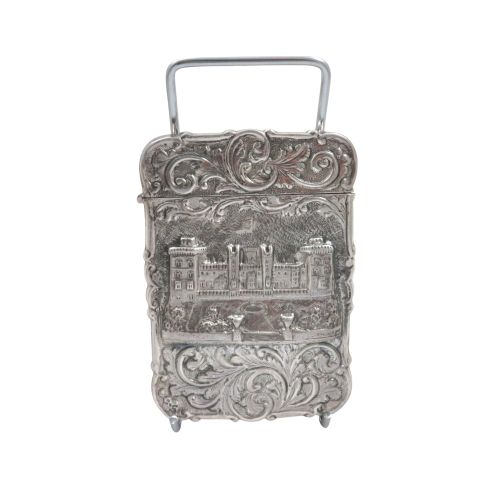
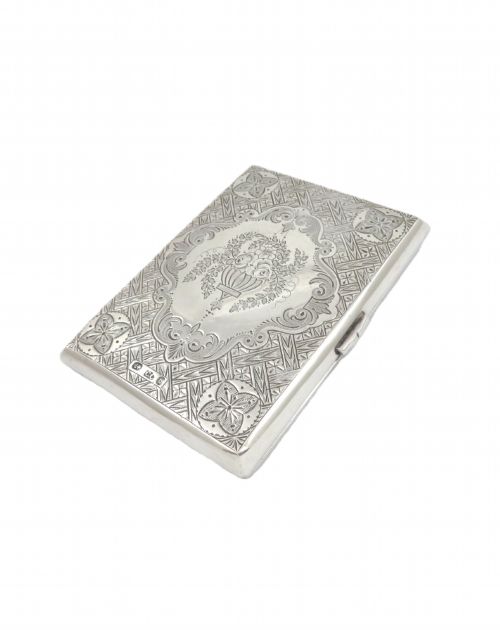
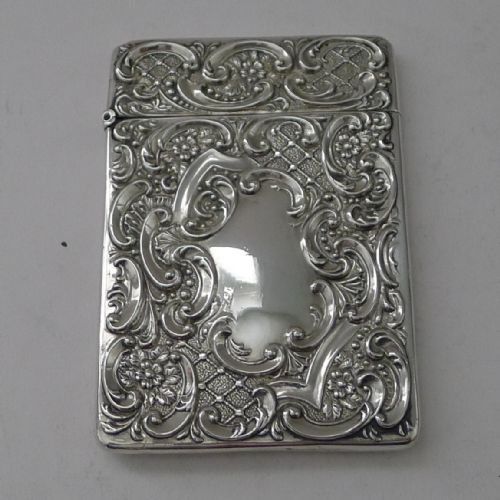
Makers produced both plain silver formats and highly decorative pieces featuring engraved patterns or prominent architectural motifs. Notable examples include castle top designs depicting landmarks such as Windsor Castle, Trinity Church, and St Paul’s Cathedral.
What varies in quality
Quality rests on the depth and crispness of the hand engraving, where sharper lines and more intricate pictorial detail distinguish superior items from plain or worn examples. Castle top pieces demand particularly high sculptural definition in the architectural relief to be considered finer work.
The reputation of the silversmith influences standing, with pieces bearing marks from established makers commanding greater attention. The inclusion of fitted interior elements, such as leather compartments and original leather or velvet presentation boxes, also elevates the nature of the piece.
Sterling Silver Visiting Card Case Retail Price Guide 2026
Typical asking prices for sterling silver visiting card case among the pieces listed under this phrase on Sellingantiques today, from the lower quarter to the upper quarter. They describe what is for sale here now, not the wider market.
Some Victorian cases feature detailed miniature reliefs of Windsor Castle and St Paul's Cathedral, turning pockets into portable horizons.
Nathaniel Mills·George Unite
The Sterling Silver Visiting Card Case Glossary
- Castle top
- A card case featuring a high-relief architectural depiction of a famous building or landmark on the front panel. These pieces represent some of the most sought-after examples of nineteenth-century silversmithing.
- Aide-memoire
- A pocket notebook or case incorporating ivory tablets or paper leaves alongside card storage for recording appointments. They frequently include an attached pencil and a secure clasp.
- Calling card
- A small paper card bearing a person's name, used during the Victorian and Edwardian periods for formal social visits and introductions. Carrying them in a dedicated silver case protected them from damage in transit.
- Sterling silver
- An alloy of silver containing 92.5 percent pure silver and 7.5 percent other metals, usually copper. This standard composition provides the durability required for items carried daily in pockets and reticules.
Sterling Silver Visiting Card Case: Frequently Asked Questions
What is a sterling silver visiting card case?
A sterling silver visiting card case is a small, rigid container used in the nineteenth and early twentieth centuries to store and protect paper calling cards. These items were essential accessories for polite society, allowing individuals to exchange cards when making social calls.
Most examples are sized to fit easily into a pocket or small bag. They reflect the refined social etiquette of the Victorian and Edwardian periods through their decorative metalwork.
How were card cases used?
Card cases were carried during social visits to hold engraved cards that announced a caller's arrival at a home. If the resident was not home, the visitor left a card tucked into the door or handed to a servant.
Inside the home, the case kept the paper cards crisp and clean until they were presented. Some dual-purpose variants also held stamps or included writing tablets for quick notes.
How do I date a silver card case?
Dating these pieces relies primarily on the hallmarks stamped into the silver, which indicate the assay office, the year of production, and the maker's mark. Stylistic clues also help, as early Victorian pieces often feature heavy scrollwork while Edwardian examples tend to be lighter.
Architectural castle top designs are typically mid-nineteenth-century work. Examining any accompanying original presentation boxes can also provide contextual dates.
How do I care for antique silver?
Caring for antique silver involves minimal intervention to preserve the original surface and any remaining patina or highlights in the engraved recesses. Regular dusting with a soft, dry cloth is usually sufficient for maintenance.
Harsh chemical dips should be avoided because they strip away the aged character of the metal. If cleaning is necessary, use a gentle silver polish applied sparingly with a soft cloth.