


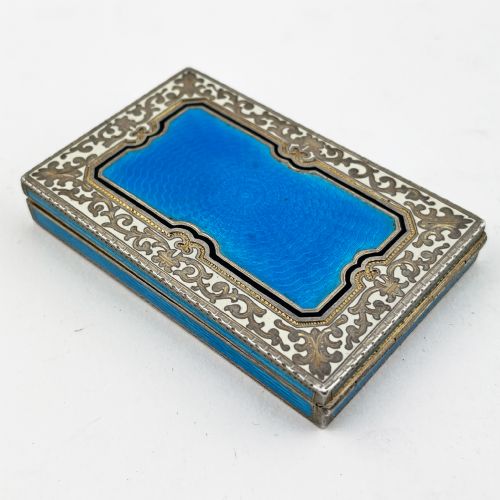


Silver Business Card Holder
These silver business card holder items are pocket-sized receptacles crafted in sterling silver, offering a practical way to carry visiting cards.
What They Are
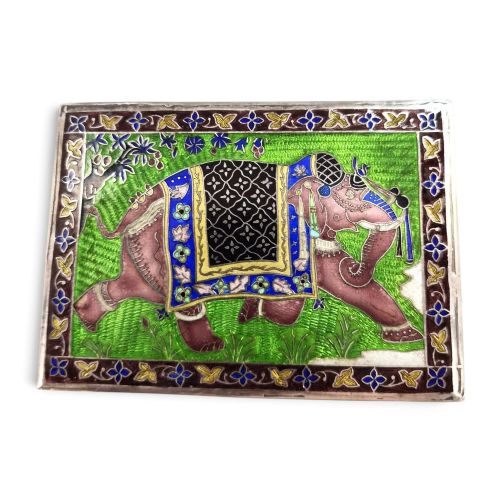
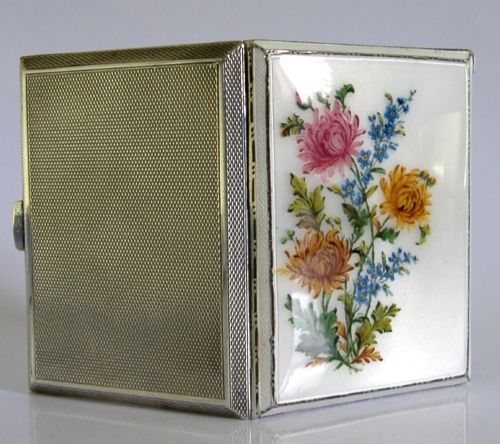
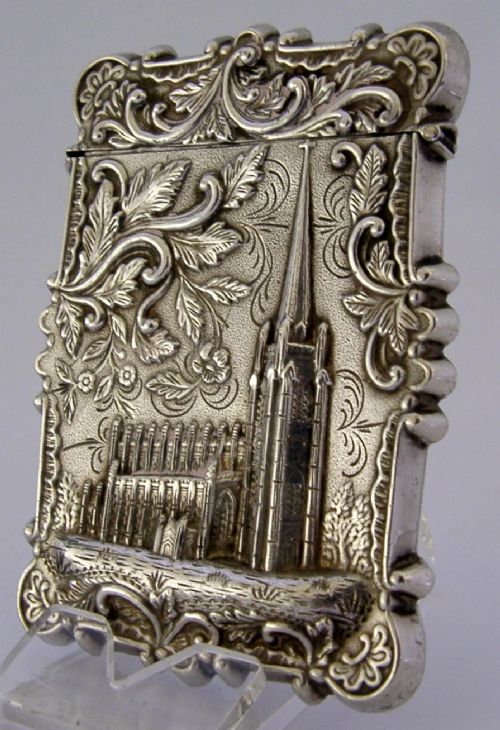
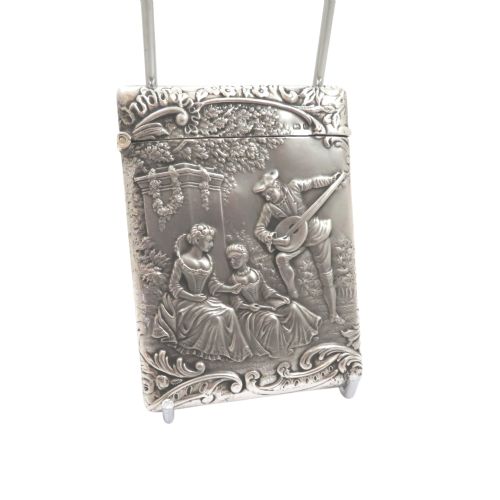
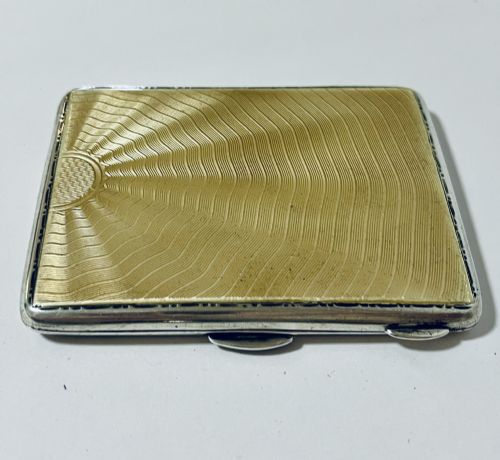
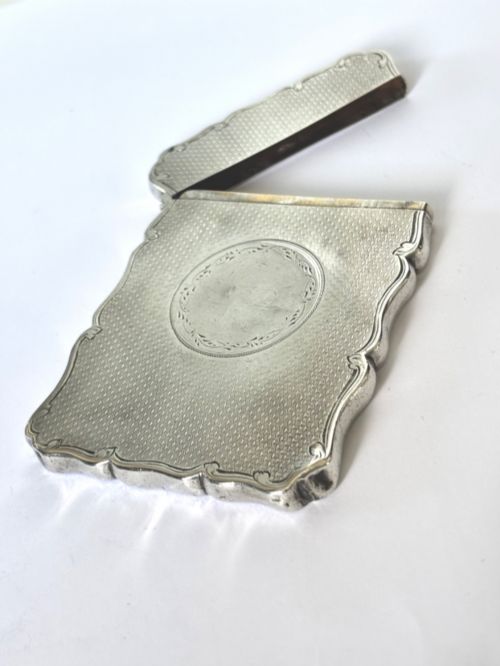
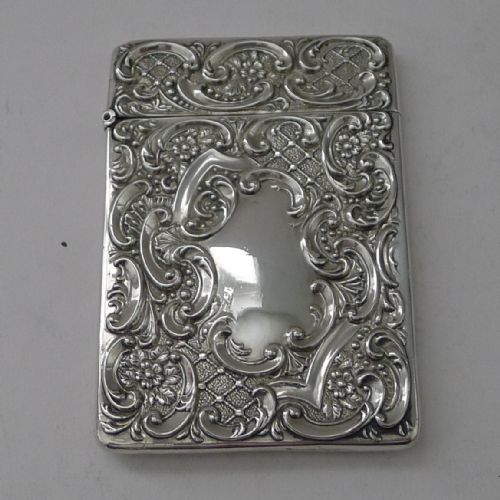
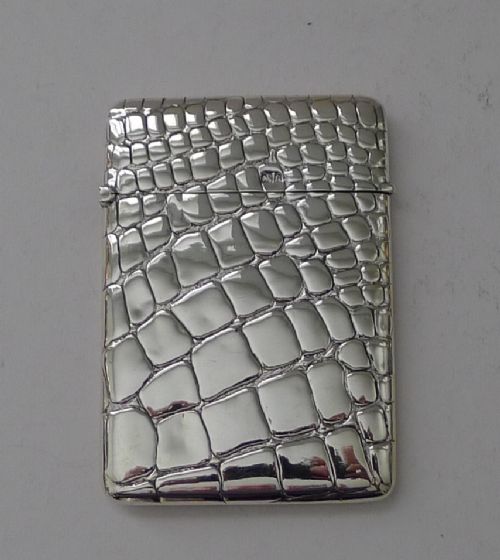
A silver business card holder covers various pocket forms designed to carry visiting cards or small papers. These pieces span the Victorian era, 1880, 1900, 1930, and the Soviet era around 1950.
The selections include standard card cases, a cigarette case utilised interchangeably, and a novelty folding card case featuring a spring clip mechanism. Origins range from British Victorian workshops to Anglo-Indian makers and Soviet Russia.
How They Were Made
Construction relies on solid silver and sterling silver sheets formed into rigid protective shells with hinged lids or folding actions. Metalsmiths utilised hammering and shaping techniques to achieve durable pocket containers.
Surface ornamentation on specific examples involves repoussé work, creating raised depictions of gods or deities by hammering the silver from the reverse side. Hallmarks and stamped assay marks are applied to confirm the metal standard.
Retail Price Guide 2026
Typical UK retail prices for silver business card holder, calculated from the Sellingantiques database of over a million retail prices indexed since 2003. This retail price guide relies exclusively on Sellingantiques data; no external sources or auction records are used, so the figures do not describe the wider market.
One unusual folding card case comes equipped with a spring clip mechanism for dramatic card retrieval.
What Varies in Quality
Weight and structural substance separate standard items from heavier pieces, with solid silver gauges providing a more substantial feel in the hand. The complexity and depth of repoussé decoration also distinguish simpler designs from deeply chased mythological scenes.
Mechanical elements such as hinges and spring clips determine the operational longevity of folding variants. Crispness in hallmark stamps and retention of original surface detail indicate superior original manufacture.
The Silver Business Card Holder Glossary
- Sterling silver
- An alloy containing 92.5 percent silver by mass, forming the primary metal standard for these cases. This composition ensures both durability and a bright metallic lustre.
- Repoussé
- A metalworking technique where the artisan hammers the silver from the reverse side to form a raised design in relief on the front. This method creates tactile, highly detailed surface artwork.
- Hallmark
- A series of official marks stamped onto precious metal items to guarantee the purity of the silver and the year of manufacture. These marks provide a reliable anchor for dating an antique.
- Spring clip
- An internal mechanical component utilised in folding cases to secure cards firmly in place. It prevents contents from sliding out when the case is opened.
Frequently Asked Questions
What are silver business card holders used for?
These cases were originally designed to store and protect visiting cards during social calls and formal exchanges.
Today, owners often repurpose them to carry modern business cards, credit cards, or folded currency in daily use.
How do I tell Victorian pieces apart from later ones?
Victorian examples often feature traditional British hallmarking stamps alongside distinct stylistic flourishes associated with the nineteenth century.
Later pieces from the 1930s or the Soviet era display different manufacturing stamps, cleaner modernist lines, or alternative decorative motifs.
Can I carry modern cards inside an antique case?
Standard visiting cards from the nineteenth century were often smaller than modern business cards, so sizing varies between individual items.
Checking the internal dimensions ensures that contemporary cards fit comfortably without bending the edges against the metal walls.
How should I clean a silver card case?
Maintenance requires a soft cloth and specialist silver polish applied gently to preserve raised details like repoussé deities.
Avoiding harsh abrasive cleaners protects the underlying metal and maintains the crispness of the original hallmarks.