


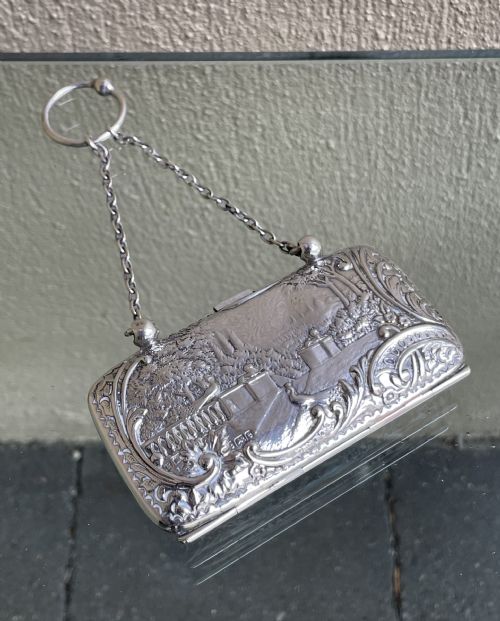


Victorian Card Case
A victorian card case served as a portable pocket shrine for polite social networking in the nineteenth century.
Victorian Card Case
A victorian card case is a compact pocket receptacle designed to hold visiting cards, calling cards, and paper mementos during nineteenth-century social calls. The form ranges from slim, hinged metal boxes to flexible leather wallets, silk concertina cases, and combination aide-memoires fitted with internal writing tablets.
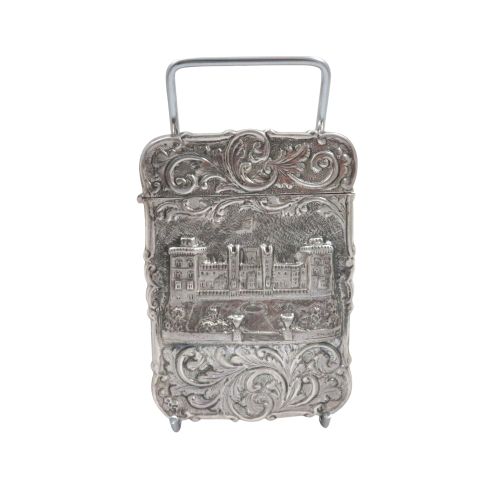
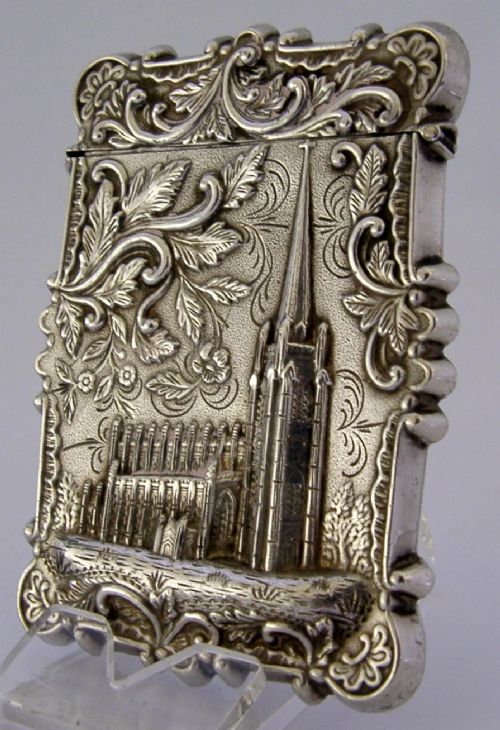
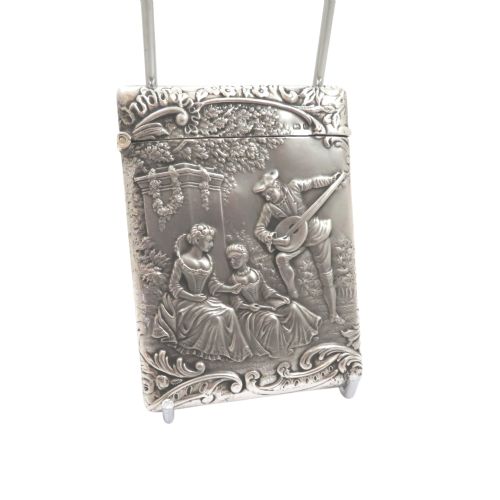
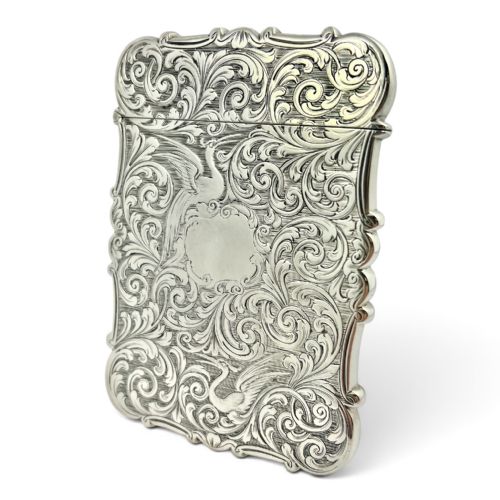
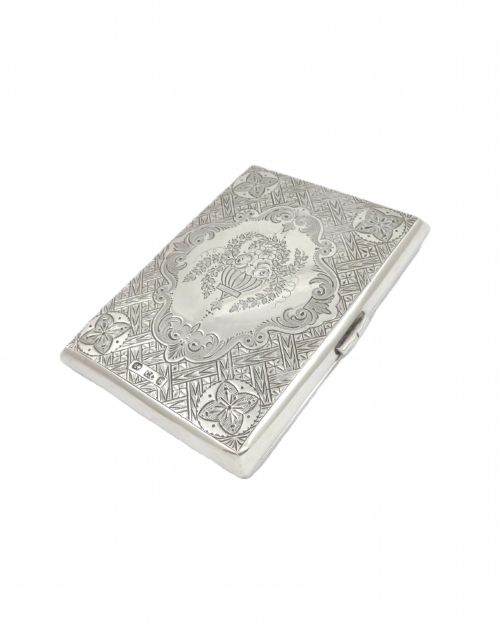
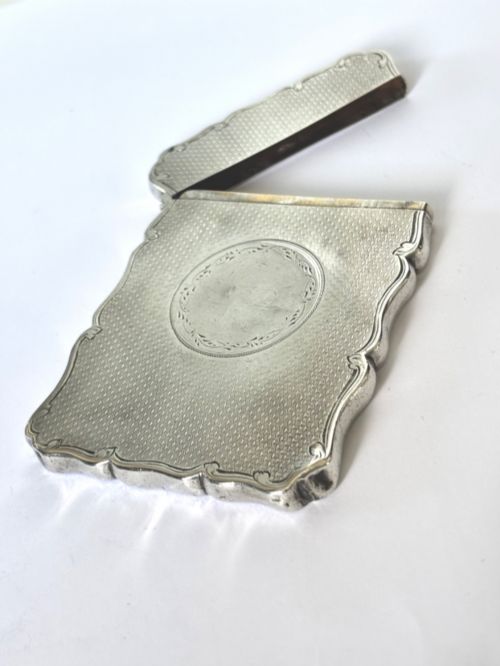
Collectors frequently encounter flat silver rectangular boxes adorned with engine turning, floral scrolls, or pictorial engravings of notable architecture. These pieces reflect the rigid etiquette of calling, where leaving a card represented an essential social obligation.
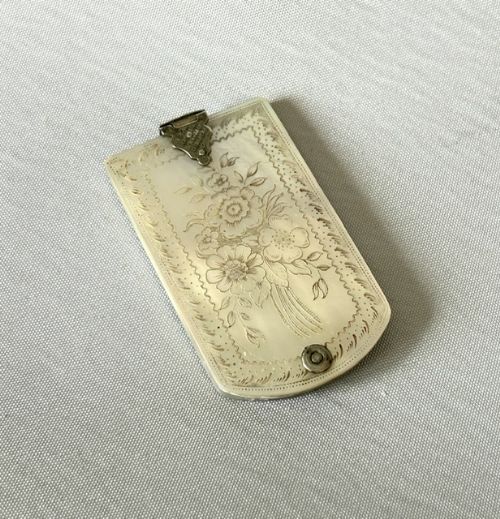
Alongside standard metal slip cases, variations span organic materials including mother-of-pearl, tortoiseshell, bone, and carved leather. Some examples incorporate internal compartments for coins, stamps, or dance programmes, demonstrating the multifunctional nature of personal accessories from the period.
Materials and Construction
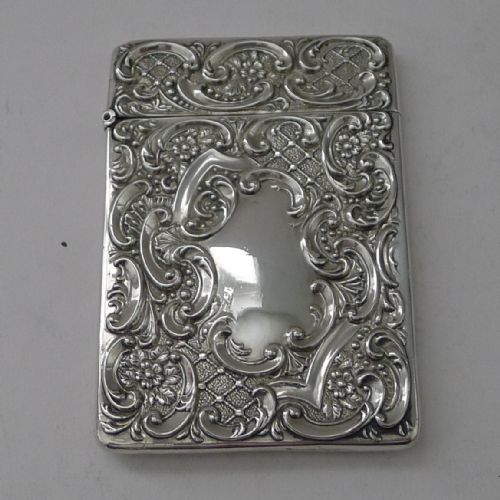
Sterling silver formed the primary medium for high-status examples, shaped through stamping, piercing, and repoussé work. Silversmiths utilised deep surface engraving and chasing to create intricate flora, fauna, and architectural scenes.
Makers integrated organic substances such as mother-of-pearl, bone, tortoiseshell, and Connemara marble into metal frames or constructed entire bodies from layered scales and plates. Leatherwork involved detailed tooling, corner mounts, and silk linings to protect delicate paper cards.
Hinged mechanisms, spring-loaded lids, and internal concertina folds required precise metalworking to ensure a secure closure. Cast decorative elements, such as applied rims or sculptural motifs, were soldered onto main bodies before final polishing.
Victorian callers relied on these pocket boxes to navigate complex social obligations without ever letting their calling cards bend.
Distinctions in Execution
Quality rests primarily on the depth and crispness of surface decoration, especially in architectural scenes and pictorial engravings. Superior pieces display sharp relief work where buildings, foliage, and animal figures stand out with distinct botanical or topographical accuracy.
The choice of materials and the complexity of internal fittings also dictate standard. Examples featuring specialist substances like tortoiseshell, fine mother-of-pearl panels, or integrated ivory writing tablets paired with silk pockets demonstrate superior manufacturing ambition.
Structural integrity governs everyday appraisal, specifically the alignment of hinged lids, the retention of tension in spring mechanisms, and the legibility of hallmarks stamped by regional assay offices.
Nathaniel Mills·George Unite·Alfred Taylor·Sampson Mordan·Hilliard & Thomason·Francis Clark·Ludwig Krumm·Colen Hewer Cheshire
The Victorian Card Case Glossary
- Castle top
- A descriptive term for a victorian card case featuring a high-relief engraving or repoussé depiction of a famous building or landmark on the cover. These architectural scenes frequently portray structures such as Windsor Castle, Westminster Abbey, or Scott Monument.
- Aide-memoire
- A pocket notebook or memorandum pad combined with a card case, usually fitted with a small bone or ivory leaf and a mechanical pencil. They allowed nineteenth-century users to record social engagements and debts on the go.
- Repoussé
- A metalworking technique where a silversmith hammers and pushes the design from the reverse side to form a raised pattern in relief. This method produced the tactile floral, scroll, and figural motifs seen on many metal accessories.
- Concertina case
- An expandable interior storage format featuring accordion-pleated silk or leather pockets designed to sort multiple visiting cards. This internal arrangement kept delicate paper items flat and separated.
- Calling card
- A small printed paper rectangle used by the Victorian elite to announce social visits or leave formal messages. These cards required dedicated receptacles to prevent damage inside pockets and handbags.
Victorian Card Case: Frequently Asked Questions
How were calling cards used?
Victorians used calling cards to announce social visits, leave condolences, or signal arrival at a residence. Leaving a card in a silver tray at the door indicated a formal social call had been paid.
Keeping these delicate paper items crisp required dedicated protective cases carried in pockets or handbags during outings.
What is an aide memoire?
An aide memoire combines a card case with a small bound notebook or erasable writing tablet. They served as portable diaries for nineteenth-century social engagements and reminders.
These combination pieces often include internal silk pockets and miniature bone or ivory writing leaves.
How do I date a silver case?
Dating relies on hallmarks stamped directly into the metal, which indicate the assay office, standard mark, and date letter for the year of production. Additional clues emerge from stylistic shifts between early Victorian, aesthetic, and Edwardian design periods.
Maker marks further narrow down the specific decade of manufacture when combined with hallmarking records.