


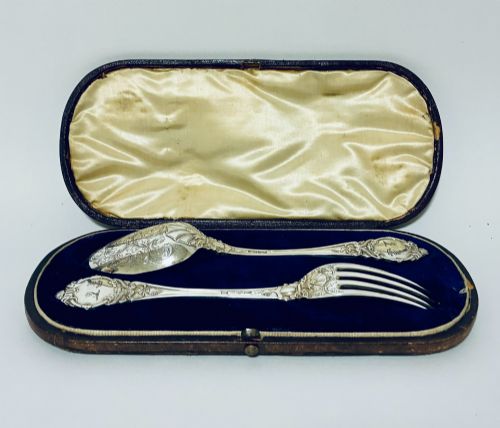


Antique Sterling Fork
An antique sterling fork brings centuries of dining history to the table, offering exquisite craftsmanship and timeless utility for daily use or display.
Antique Sterling Fork
The antique sterling fork category encompasses everything from Georgian table pieces to Edwardian dessert sets, canteens of cutlery, and specialised serving implements.
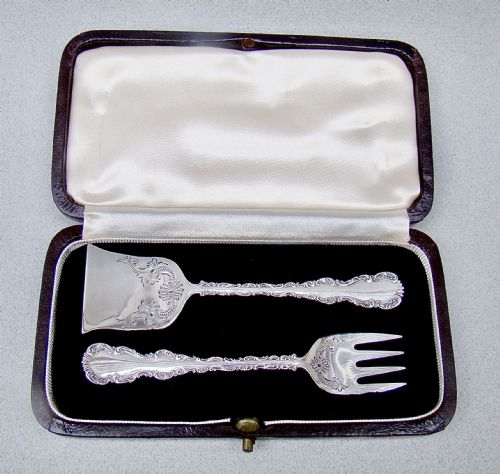
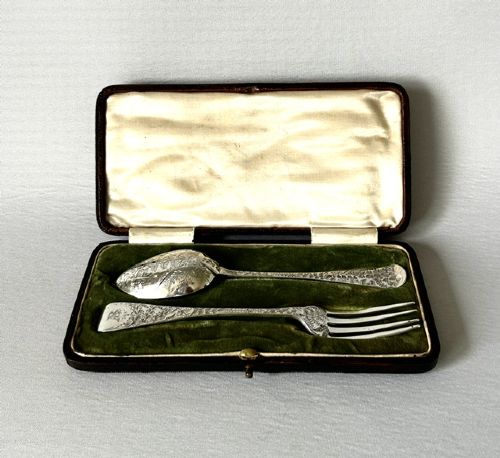
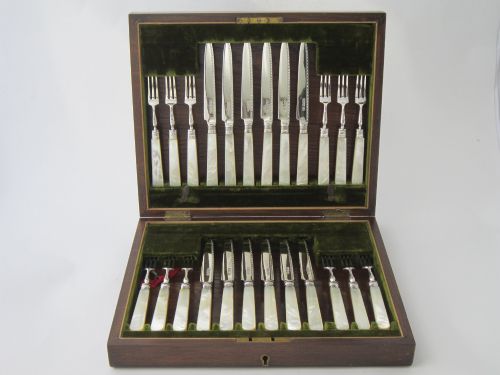
Buyers frequently encounter Victorian and Edwardian examples on this page, including Christening sets, bread forks with mother of pearl handles, and cased sets of cake forks.
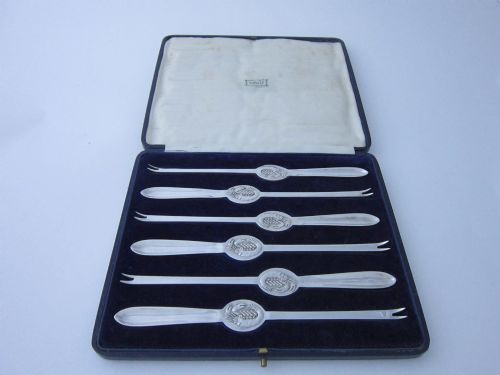
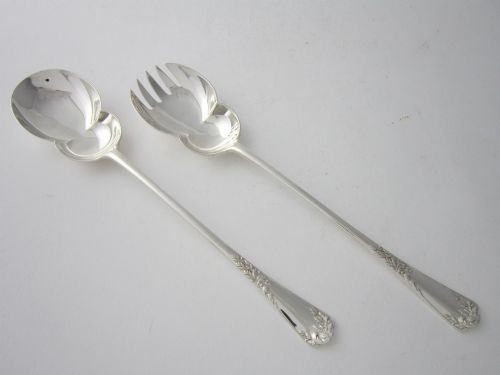
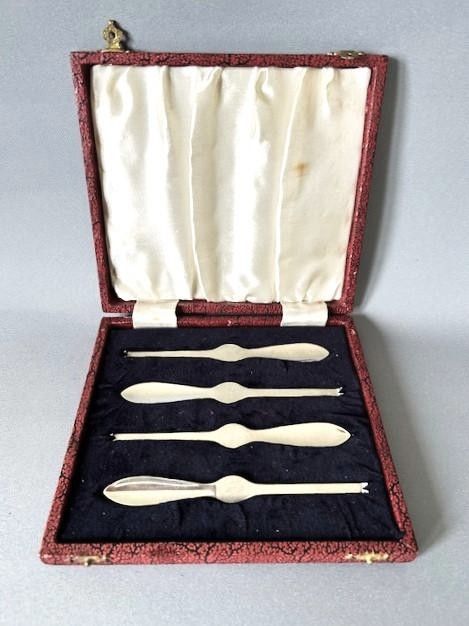
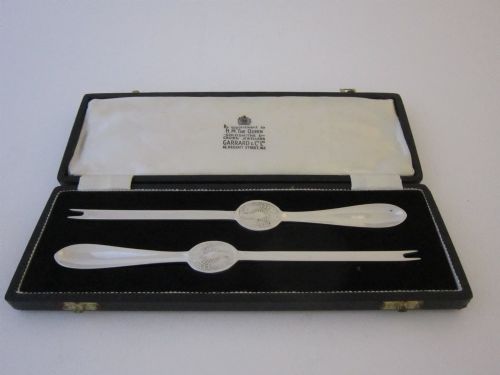
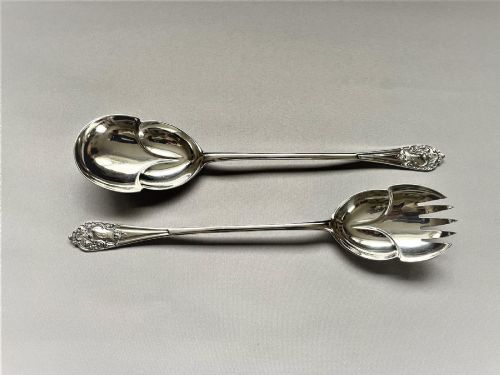
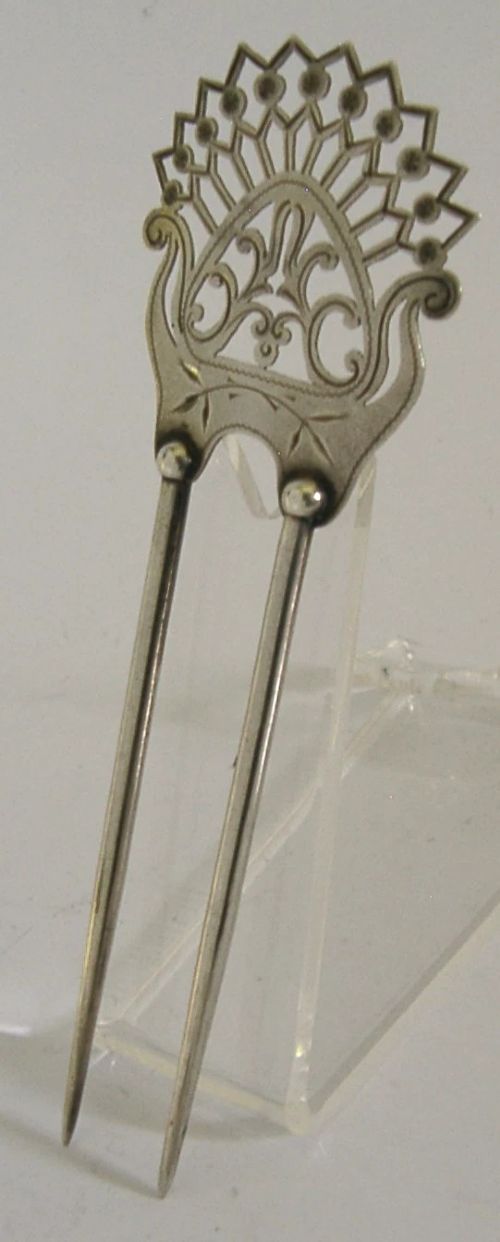
Richer forms such as Art Nouveau serving forks, lobster picks, and folding fruit forks also appear alongside traditional fiddle pattern flatware.
How They Were Made
Silversmiths forged these pieces primarily from solid sterling silver, shaping the tines and handles through traditional hammering and casting techniques.
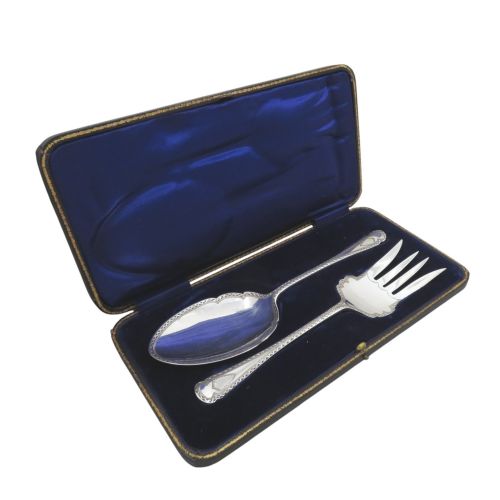
Handles often incorporate organic materials like mother of pearl, while fitted presentation cases utilise wood lined with velvet, silk, leather, or leatherette.
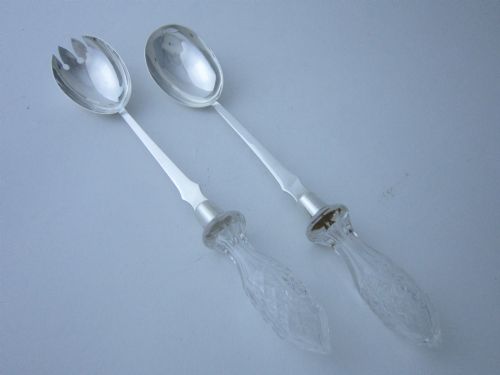
Many items feature hand-engraved family crests, intricate floral motifs, or glass inserts, showcasing the detailed craftsmanship of British and international makers.
Antique Sterling Fork Retail Price Guide 2026
Typical asking prices for sterling fork among the pieces listed under this phrase on Sellingantiques today, from the lower quarter to the upper quarter. They describe what is for sale here now, not the wider market.
Listings feature Victorian, Edwardian, Georgian, and mid-century periods alongside materials like sterling silver, mother of pearl, and silk.
What Varies In Quality
The distinction between standard utility items and the top of the range lies in the weight of the silver, the crispness of chased or engraved armorial crests, and the preservation of original fitted boxes.
Specialist designs such as three-pronged Georgian dessert forks or provincial Scottish pieces command attention for their rarity and regional hallmarks.
The integrity of composite pieces, particularly where mother of pearl handles join silver tines, dictates the overall refinement and desirability of the cutlery.
Henry Wilkinson·Garrard·H H Curtis·E Coker·William Devenport·International Silver Co·Walter & John Barnard·Whiting·Cardeilhac·Henri Soufflot·Barber
The Antique Sterling Fork Glossary
- Sterling Silver
- A standard alloy consisting of ninety-two point five percent silver and seven point five percent other metals, usually copper. This composition provides the necessary durability for daily dining flatware.
- Fiddle Pattern
- A nineteenth-century flatware design characterised by a tapered handle with shoulders resembling a fiddle. It remains one of the most recognisable traditional British cutlery styles.
- Rat Tail
- A prominent dorsal ridge running down the back of the fork bowl or junction where the handle meets the tines. This feature strengthens early table forks.
- Hallmark
- An official stamp applied by an assay office to indicate the metal purity, the maker, and the year of production. British silver frequently displays standard marks for town, date, and monarchy.
- Runcible
- A term historically associated with specific hybrid cutlery forms, such as a combined spoon and fork with a cutting edge. These pieces often served specialised dining functions.
Antique Sterling Fork: Frequently Asked Questions
How do I clean an antique sterling fork?
Gentle washing in warm soapy water using a soft cloth is recommended to preserve the aged patina and any engraved family crests.
Harsh abrasive dips should be avoided, especially on pieces featuring organic handles like mother of pearl or delicate velvet-lined presentation cases.
How can I tell the age of my fork?
Assay office hallmarks stamped directly onto the silver provide the most reliable indicator of age, referencing specific date letters and monarch duty marks.
Stylistic markers, such as Georgian three-pronged tines or Art Nouveau organic motifs, also help narrow down the period of manufacture.
Were these forks originally sold in sets?
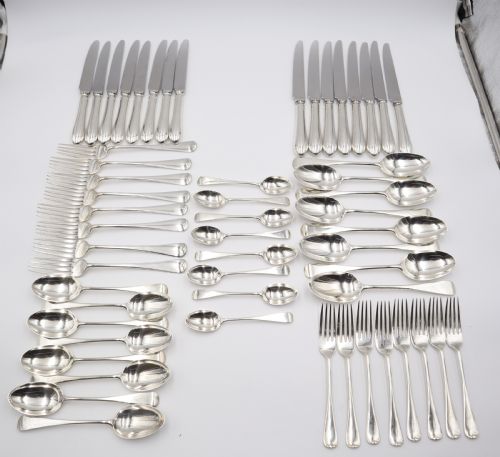
Many fine pieces were retailed as complete canteens of cutlery for twelve persons, or as smaller boxed sets intended for Christening gifts or dessert courses.
Individual serving utensils and folding pocket variants were also common, often accompanied by original fitted leather or velvet-lined boxes.