
Antique Sterling Dish
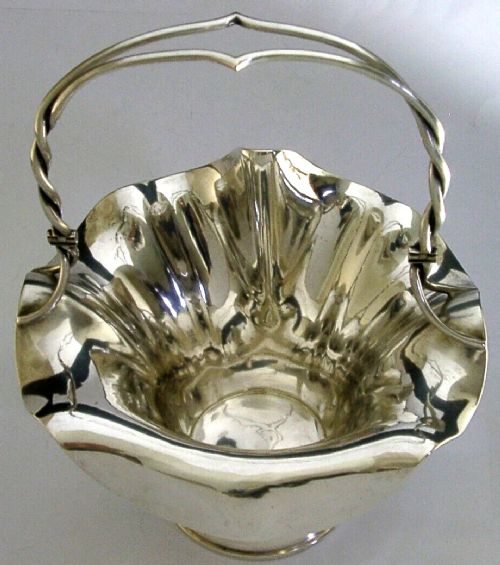
These pieces of antique sterling dish selection encompass heavy bowls, handled baskets, and novelty forms crafted across the Victorian, Edwardian, and Art Deco eras.
Antique Sterling Dish
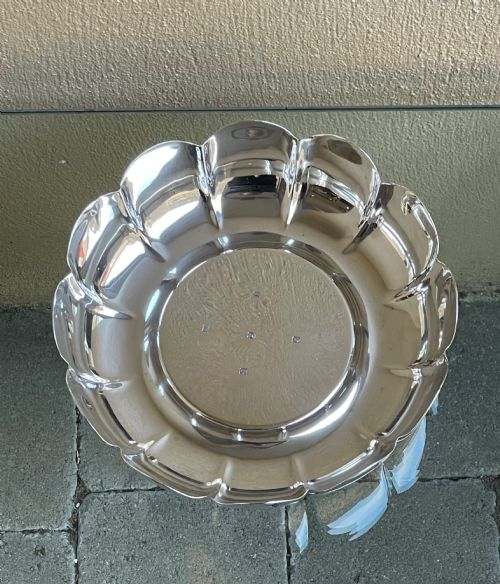
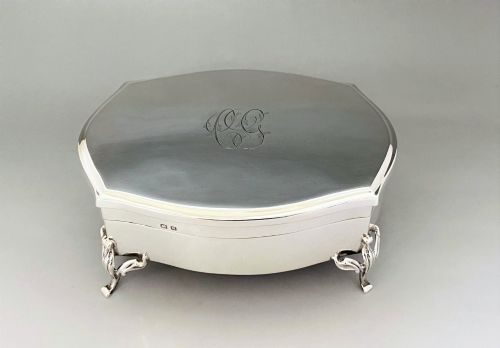
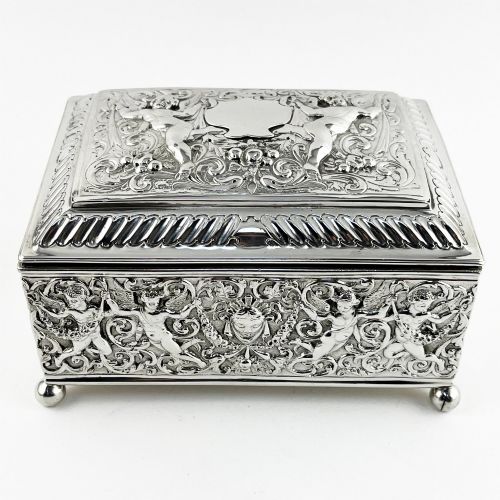
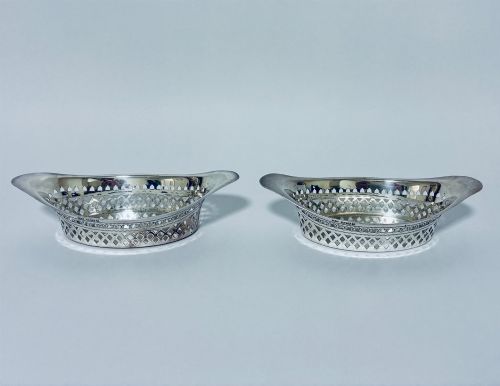
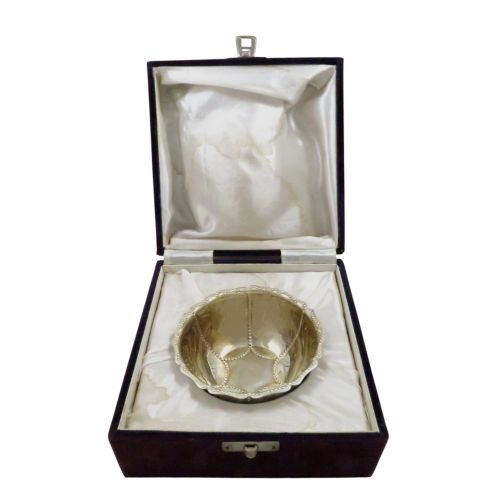
When searching for an antique sterling dish, buyers encounter a wide variety of forms spanning open fruit bowls, bonbon dishes, butter shells, and lidded trinket containers. The selection ranges from functional tableware to decorative table boxes and shell-shaped salts supported on dolphin feet.
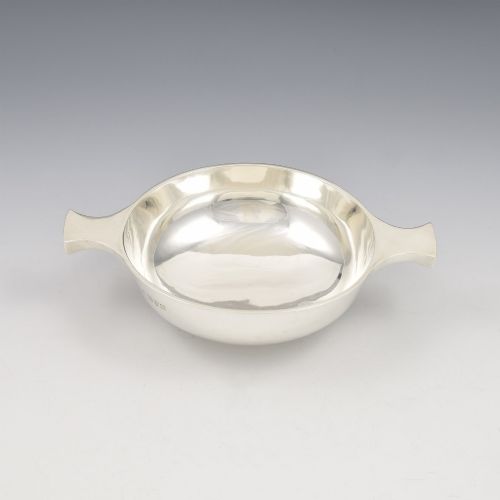
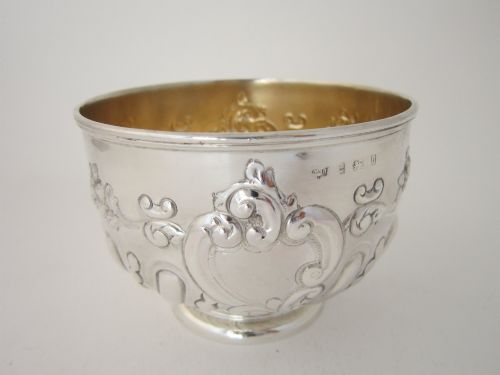
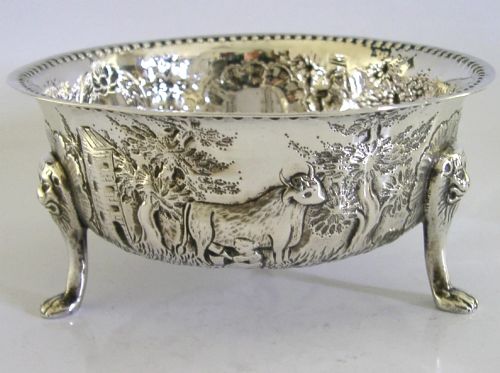
The pieces originate predominantly from Victorian, Edwardian, and George V periods, alongside Arts and Crafts and Art Deco examples. Formats stretch from simple pedestal bowls and quaichs to complex novelty items such as rowing boats, gondolas, and coin dishes.
Many items incorporate contrasting elements like cut crystal, coloured glass inserts, silk, velvet, or enamel. Makers utilise traditional British assay office hallmarks to document origins in cities such as London, Birmingham, and Chester.
How They Were Made
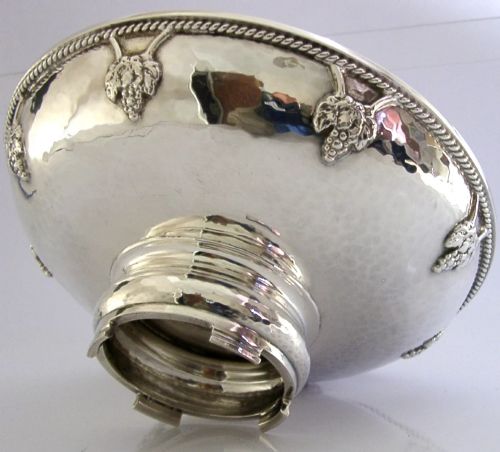
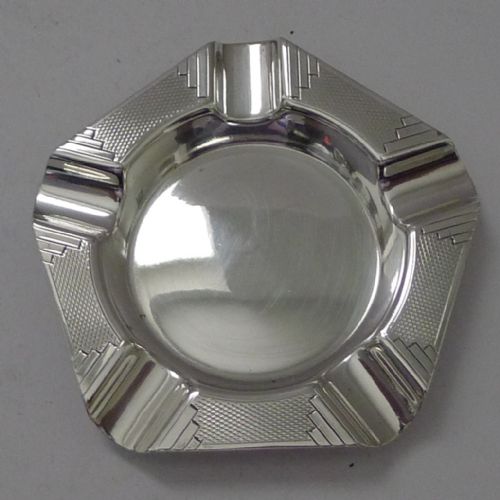
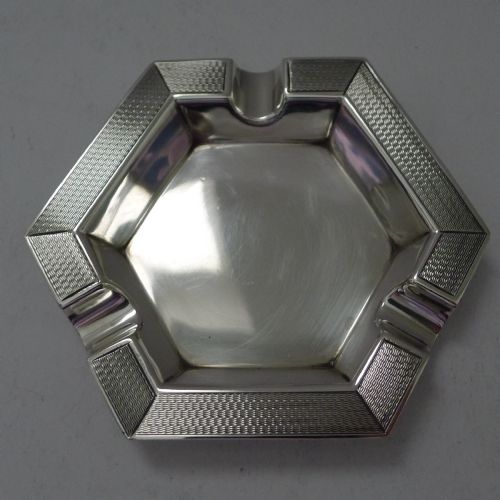
Silversmiths formed these items using solid sterling silver, applying techniques such as piercing, embossing, casting, and planishing. Hammered surfaces reflect the hand-worked ideals of the Arts and Crafts movement, whilst geometric lines define later Art Deco creations.
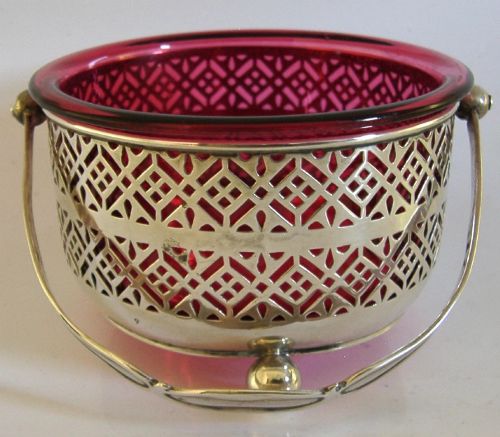
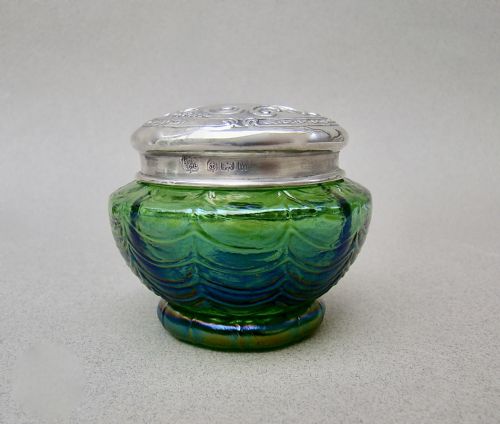
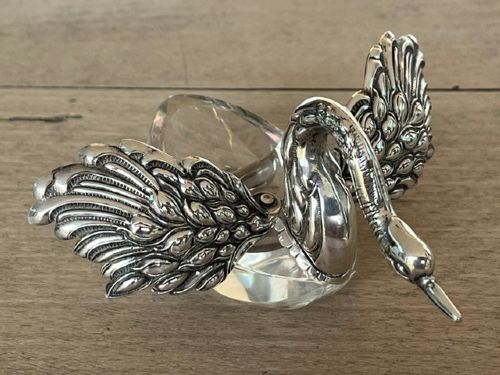
Many vessels integrate glass components, combining sterling silver mounts with cranberry glass, satin glass, or Kralik glass bodies. Liners in cobalt glass or crystal insert securely into pierced silver frameworks and swing-handled baskets.
Novelty designs include sailing boats, gondolas, and Mr Punch figures ready to hold your desk clutter.
What Varies in Quality
Quality rests upon the weight of the silver relative to size, the crispness of embossed or chased floral and figurative details, and the integrity of structural joins. Heavier gauge metal resists denting and maintains sharper definition in cast elements like dolphin feet or handles.
The sophistication of the design execution separates standard production items from workshop pieces. Hand-hammered surfaces with visible planishing marks and pieces bearing stamps of notable makers demonstrate higher levels of craftsmanship.
Nathan and Hayes·Walker and Hall·William Neale·Georg Jensen·Goldsmiths and Silversmiths Company·A. Bromet and Co·William Plummer·William Devenport·A. J. Pepper and Co
The Antique Sterling Dish Glossary
- Quaich
- A traditional two-handled drinking vessel or shallow bowl originating from Scotland. Edwardian silversmiths adapted this form into decorative sterling silver serving bowls.
- Tazza
- A shallow ornamental bowl or cup set upon a pedestal foot. Examples often feature hammered surfaces typical of the Arts and Crafts style.
- Paten
- A small shallow plate or dish used traditionally for religious communion wafers. Antique examples are fashioned from solid sterling silver.
- Bonbon dish
- A small open vessel designed for holding sweets or confections. These often feature pierced decoration or embossed floral motifs from the Victorian and Edwardian eras.
Antique Sterling Dish: Frequently Asked Questions
What were sterling dishes used for originally?
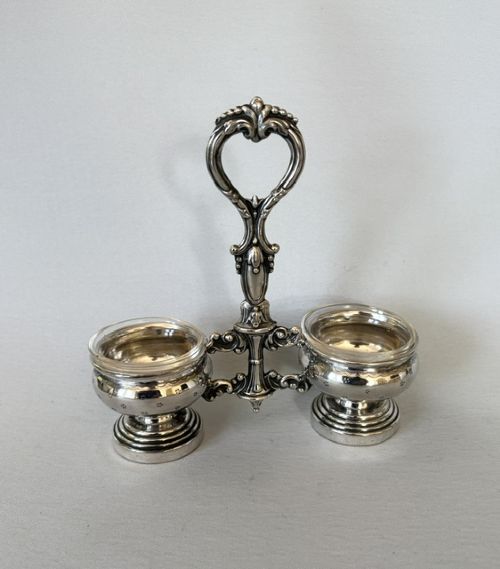
These vessels served diverse domestic functions, ranging from holding fruit, bonbons, and butter to containing visiting cards, trinkets, and pins. Dining tables featured salt cellars, condiment stands, and nut dishes alongside large centrepieces.
Specialist items included communion patens, coin dishes, and novelty shapes designed purely for display or desk organisation. Their varied forms reflect the specific social rituals of the Victorian and Edwardian periods.
How do I care for antique silver?
Maintain the finish by washing pieces in warm, soapy water with a soft cloth and drying them thoroughly. Avoid harsh abrasive cleaners that can wear down delicate hallmarks and chased details.
Store silver away from damp environments and rubber materials to prevent tarnishing. Regular, gentle polishing preserves the natural lustre of the metal without harming the surface.
How can I tell the period of a piece?
British sterling silver bears mandatory hallmarks that indicate the assay office, the standard of silver, and a specific date letter corresponding to the year of manufacture. Additional duty marks or monarch profiles help narrow down the historical era.
Stylistic indicators also guide identification, such as the heavy floral embossing of Victorian pieces, the flowing lines of Art Nouveau, or the geometric forms of Art Deco.
What is the difference between silver and sterling silver?
Sterling silver denotes a specific legal alloy containing 92.5 percent pure silver and 7.5 percent other metals, usually copper, added for durability. Unmarked or general silver items may vary in purity and lack the official assay office guarantees.
British items meeting the sterling standard consistently display the lion passant hallmark alongside maker marks and date ciphers.