
Antique Stemmed Glass
These antique stemmed glass pieces span drinking vessels and table items from the seventeenth century through to the early twentieth century, offering heavy lead crystal and delicate twists for a table.
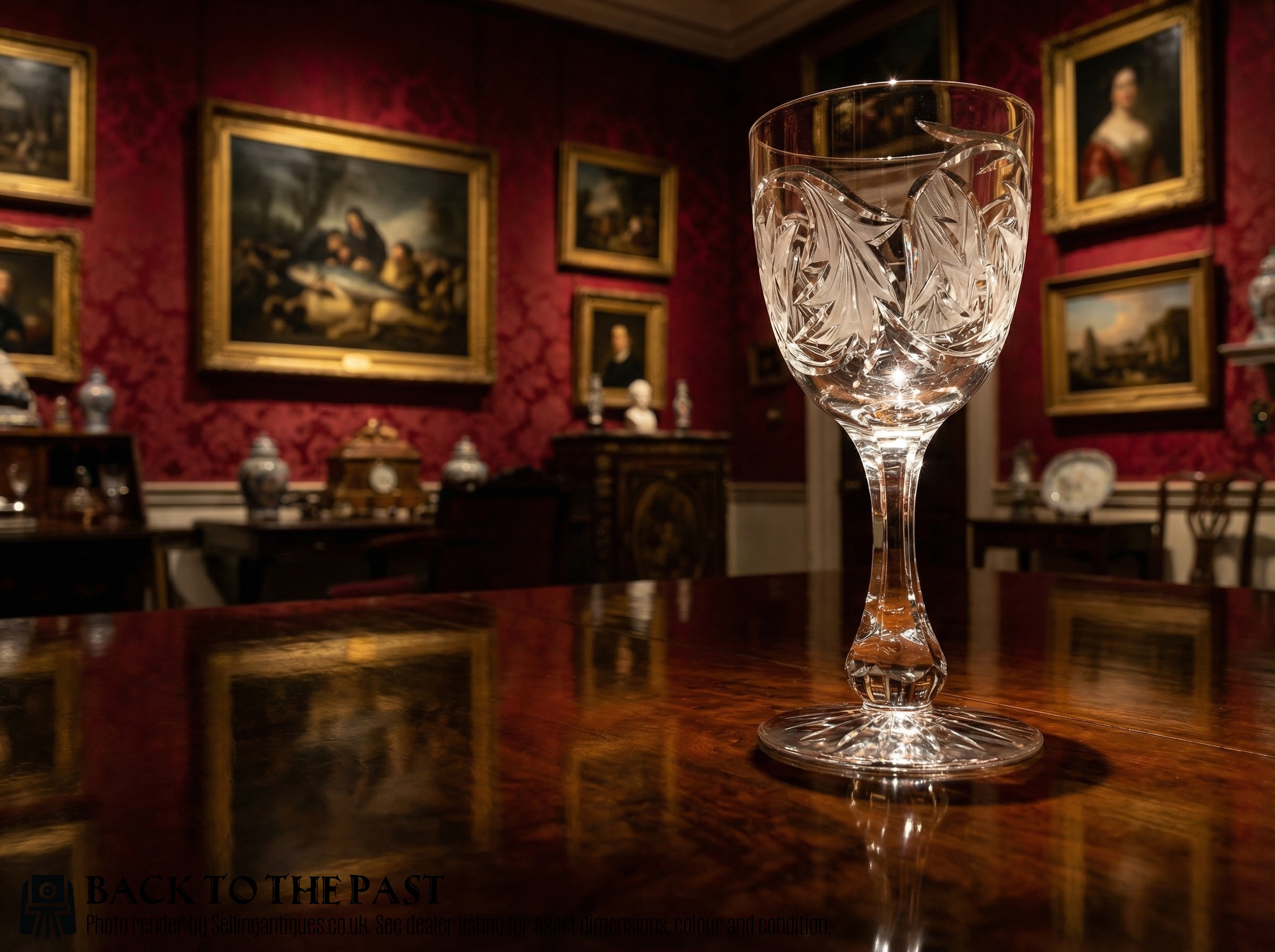
Antique Stemmed Glass
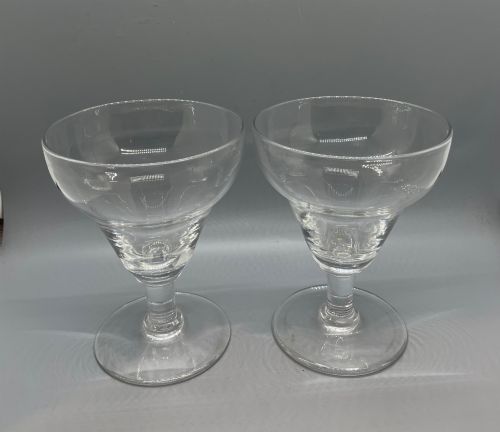
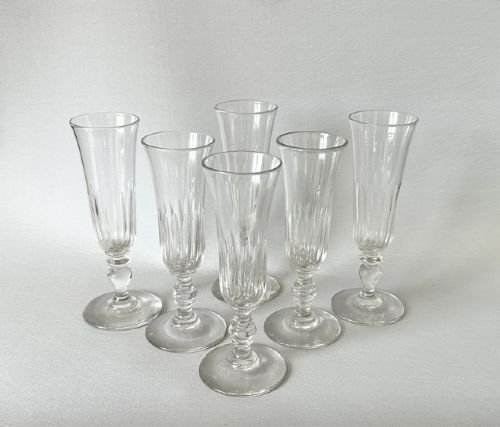
An antique stemmed glass encompasses drinking vessels and display forms raised on a foot and stem, drawing principally upon Georgian and Victorian periods. Wine glasses dominate the selection, alongside rummers, ale glasses, goblets, and champagne flutes.
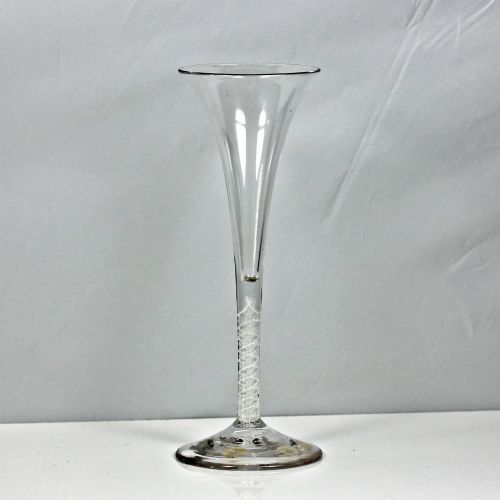
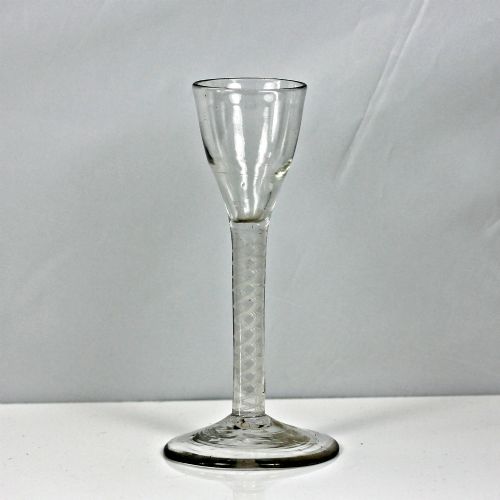
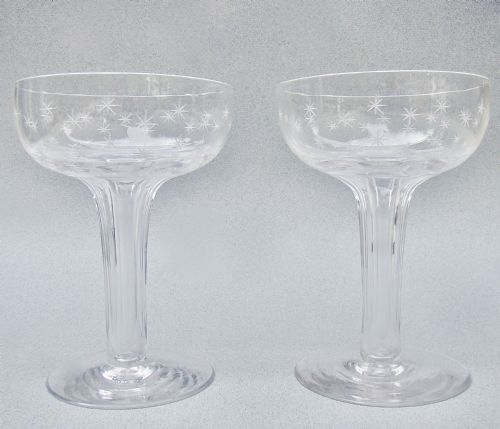
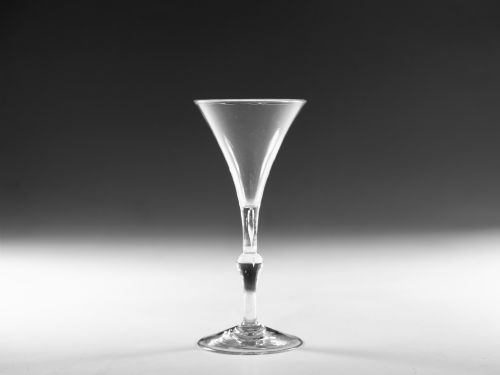
The eighteenth-century examples feature balustroid, opaque twist, air twist, and plain stems supporting bowls such as trumpet, ogee, and pan top shapes. Victorian and later pieces introduce hollow stems, star-etching, coloured glass, and enamelled decoration on champagne glasses and hock glasses.
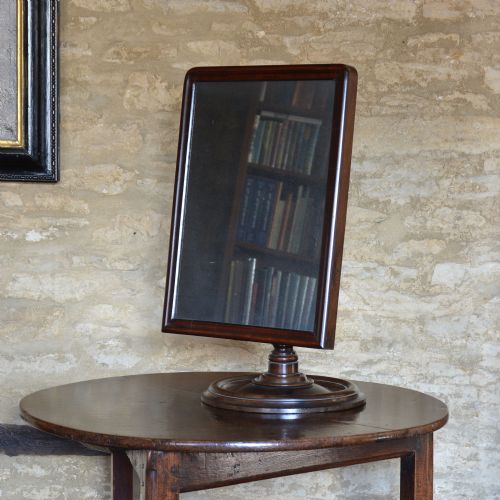
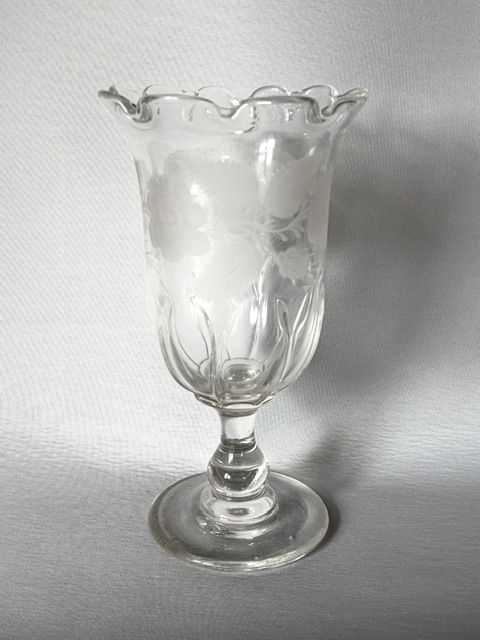
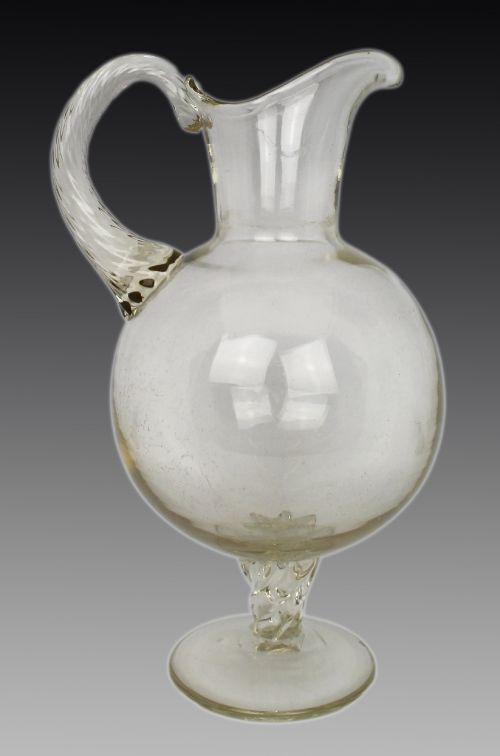
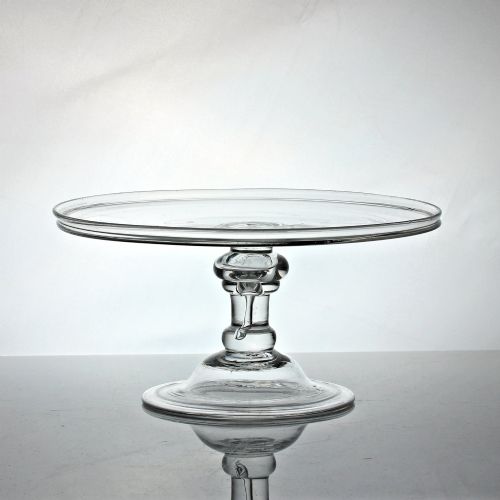
Beyond drinking vessels, the category includes table mirrors, celery vases, tazzas, and ewers that utilise the same pedestal and footed construction. These varied forms reflect changing dining and display customs across the seventeenth, eighteenth, and nineteenth centuries.
Materials and construction
Makers utilised lead glass, clear glass, lead crystal, and flint glass, shaping vessels through hand-blowing and manipulation of the metal while hot. Stems were often formed separately or drawn from the bowl before being joined to folded or plain foot bases.
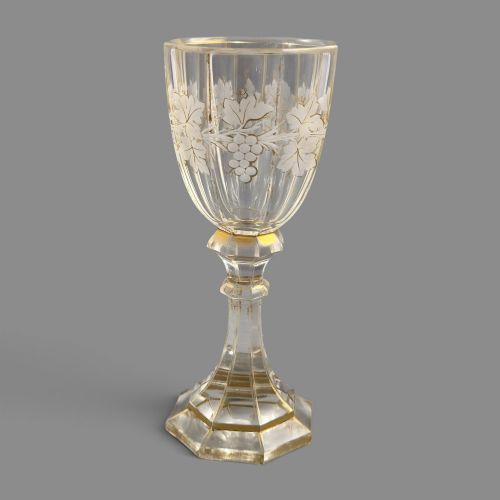
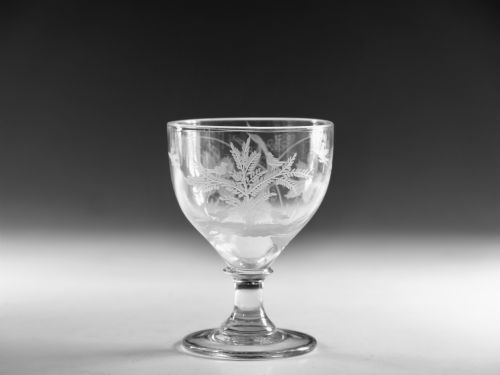
Decoration relied upon wheel engraving, cutting, enamelling, and gilding applied to the surface of the bowl. Internal optical effects were achieved by trapping air bubbles within thick stems or by twisting canes of opaque and coloured glass during the blowing process.
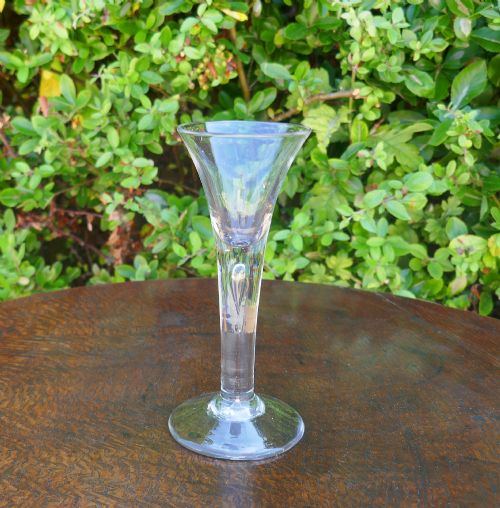
One eighteenth-century wine glass preserves an accidental trapped air bubble within its heavy stem, turning a maker's quirk into a charming feature.
Evaluating quality and proportion
The visual harmony between bowl, stem, and foot dictates the success of a piece, with superior examples showing crisp balance and appropriate weight. Heavy balusters require substantial presence, while air twists demand precision in the spiral thread.
Engraving depth and clarity distinguish finer production, particularly on armorial goblets and floral enamelled vessels. The brilliance of the metal, whether lead crystal or clear lead glass, relies upon purity of composition and skilful finishing at the rim and foot.
Moser·Theresienthal
The Antique Stemmed Glass Glossary
- Baluster stem
- A heavy, swelling stem form inspired by architectural balusters, common in seventeenth and eighteenth-century drinking vessels. These stems often feature nodes, knops, or collar rings.
- Opaque twist
- A stem containing internal threads of white or coloured opaque glass pulled into a spiral. This technique developed during the mid-eighteenth century.
- Air twist
- A stem enclosing elongated bubbles drawn into spiral threads within the clear metal. The effect creates a delicate refractive pattern inside the glass.
- Rummer
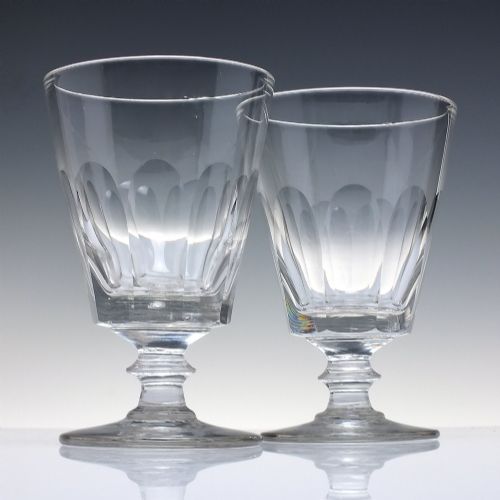
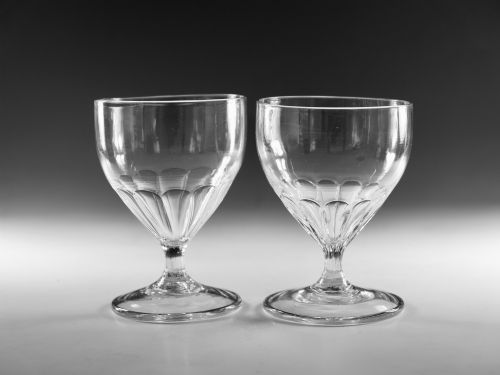
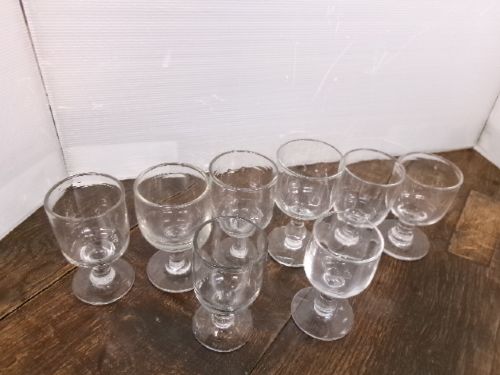
- A capacious drinking glass popular during the Georgian and Victorian periods, typically featuring a short stem and a bucket or ovoid bowl used for punch, ale, or wine.
- Ogee bowl
- A double-curved bowl profile resembling an 'S' shape, curving inward at the rim and outward at the base. This form appears frequently on eighteenth-century wine glasses.
Antique Stemmed Glass: Frequently Asked Questions
How do I date an antique wine glass?
Dating relies upon the combination of bowl shape, stem construction, and foot formation. Eighteenth-century examples often display baluster or twist stems with folded feet, while Victorian pieces show heavier cutting, star-etching, or coloured glass.
Changes in glass chemistry, such as the introduction of heavy lead glass, also help narrow the period of manufacture alongside documentary engraving styles.
What is a rummer glass used for?
Rummers served as robust drinking vessels for ale, wine, or punch during the Georgian and Victorian eras. Their sturdy stems and deep bowls suited larger capacities and everyday dining.
Today, collectors use them for serving wine or water, appreciating their substantial weight and hand-blown character.
Are air twist stems fragile?
Air twist stems are solid structural elements formed from drawn glass enclosing internal air channels, possessing standard durability for handling. Care is required primarily around the rim and foot edge rather than the stem itself.
Hand washing in warm water ensures the preservation of the glass surface over time.
What distinguishes an ale glass from a wine glass?
Ale glasses generally feature taller, narrower bowls with plain or twist stems designed to maintain effervescence. Wine glasses more commonly utilise bell, trumpet, or ogee bowls shaped for aromatics.
Capacity and bowl proportion differentiate the two forms across eighteenth-century tableware.