


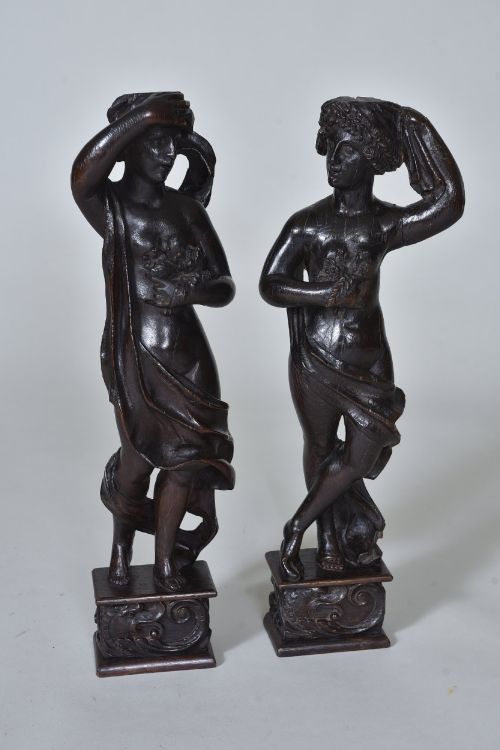
Antique Statue Pair
When searching for an antique statue pair, buyers encounter matched sculptural works spanning centuries, prized for symmetry and historical resonance.
Antique Statue Pair
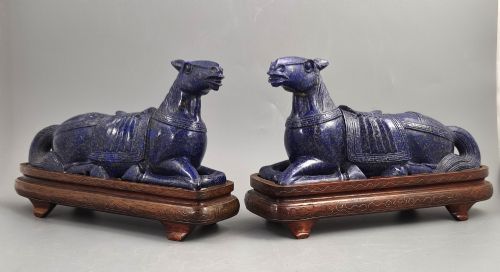
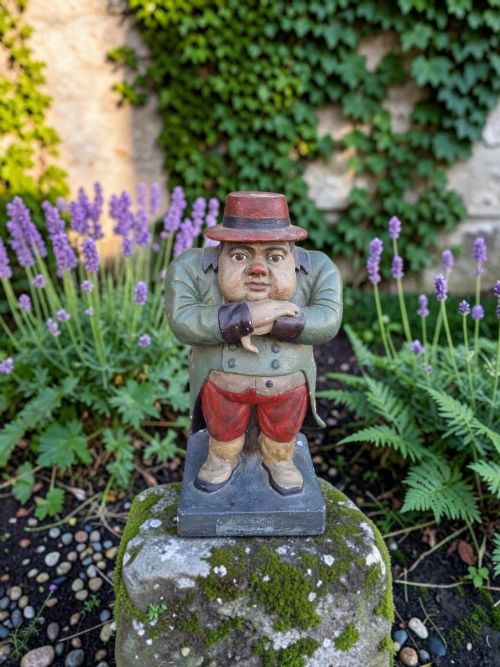
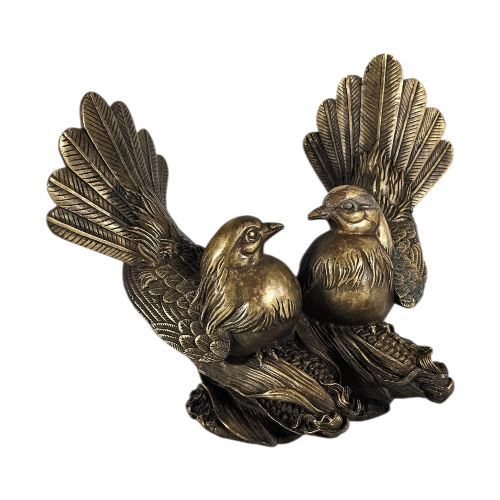
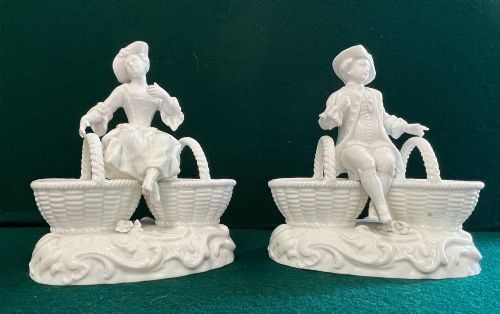
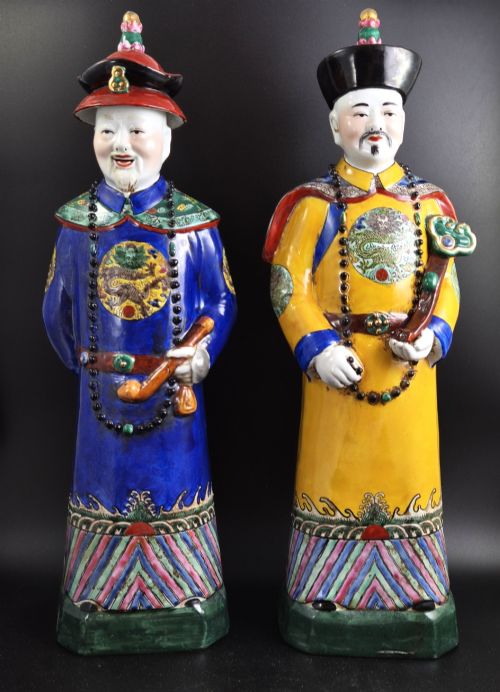
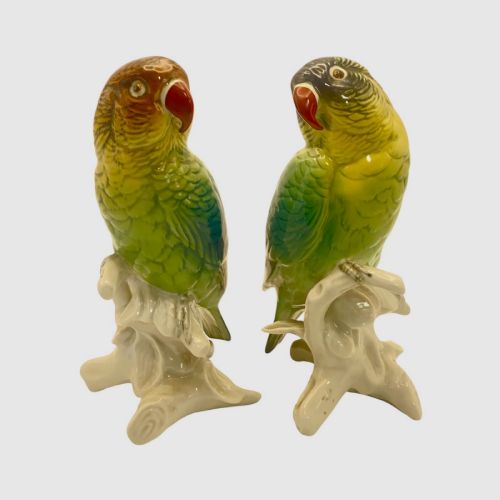
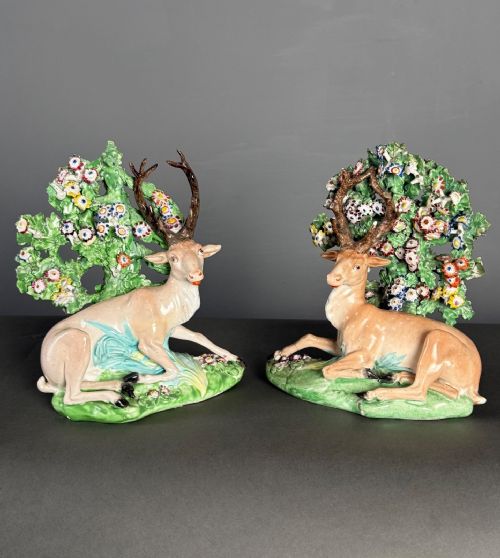
An antique statue pair encompasses twin sculptural works created to complement one another, often displayed symmetrically on mantelpieces, pedestals, or garden piers. These objects manifest as figurative subjects, animals, mythological beings, and architectural ornaments.
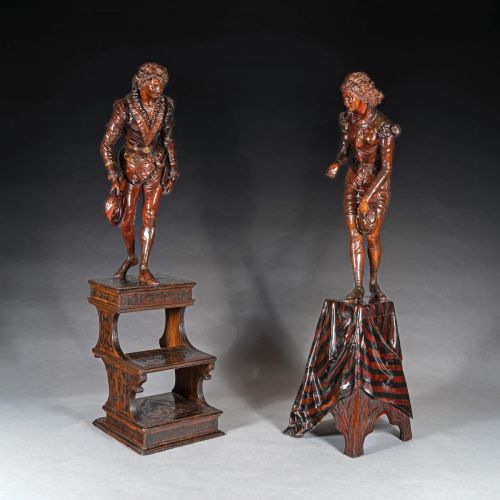
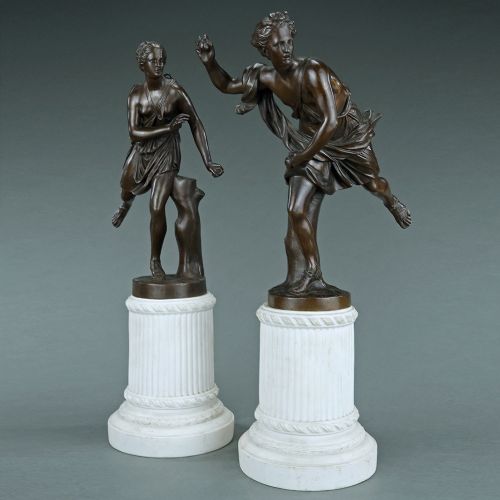
The selections span numerous origins and periods, prominently featuring 19th-century European bronzes, Victorian Staffordshire ceramics, and carved wooden pieces. Buyers frequently encounter classical figures, grand tour souvenirs, and whimsical animal depictions reflecting specific historical aesthetics.
Materials and construction methods
Metals form a substantial category, utilising bronze, brass, spelter, and silver plating, often enhanced through cold painting, gilding, or patination techniques. Foundries applied lost-wax casting or sand casting to achieve intricate detail in figurative and animal subjects.
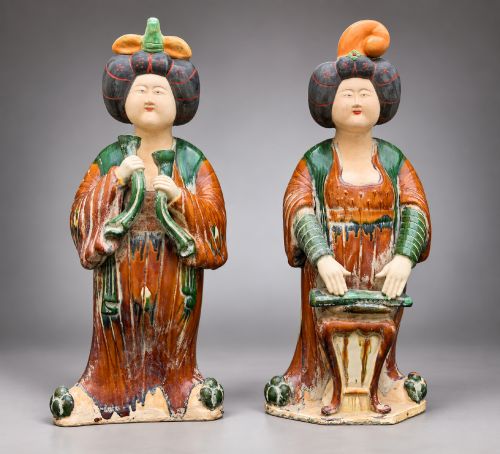
Ceramics and pottery incorporate earthenware, porcelain, and glazed Delft or Staffordshire bodies, sometimes complemented by hand-painted enamel decoration. Carved items showcase dense hardwoods, limewood, and exotic materials like onyx and marble for bases and columns.
Listings feature 19th-century bronze, earthenware, marble, and carved wood forms.
Assessing quality in matched pairs
Symmetry and balance between the two objects dictate overall success, as lesser items show discrepancies in size or posture. Finer ceramics and porcelains display controlled glaze application and delicate hand-painted polychrome work rather than hasty transfer printing.
Barbedienne·Karl Ens·E Rousseau·Frederique Cederlund-Ozanne·James Hadley·Ernest Rancoulet
The Antique Statue Pair Glossary
- Grand Tour
- A cultural journey undertaken by wealthy young Europeans in the 18th and 19th centuries, resulting in souvenir bronzes after classical sculptures.
- Spelter
- A zinc alloy used as a less expensive substitute for bronze in decorative figures, often given a bronze-like finish.
- Patina
- The surface sheen or coloration developed naturally over time or applied artificially by an artisan to enhance metal or wood.
- Ormolu
- Gilt bronze mounted onto furniture, pedestals, or decorative statues, prevalent in French neoclassical and revival pieces.
- Staffordshire
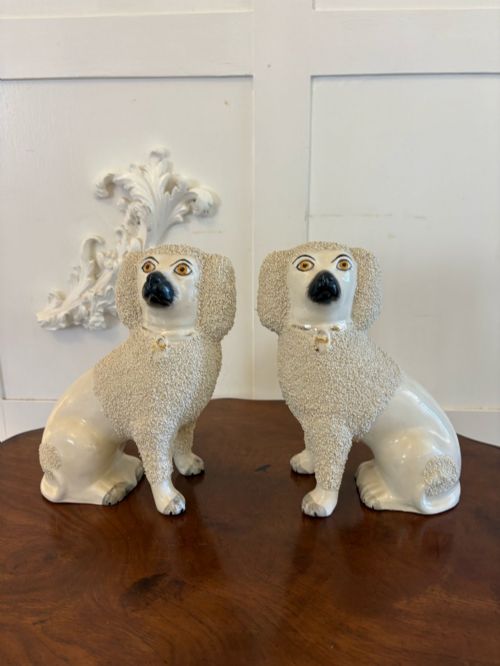
- Earthenware figures produced in the English potteries, famously including symmetrical pairs of dogs and animals.
Antique Statue Pair: Frequently Asked Questions
How were bronze pairs finished?
Bronze pairs often received chemical patination to produce dark brown, green, or black surface tones. Some pieces utilised cold painting, where pigment was applied after casting.
Others feature gilt highlights or fire-gilding to accentuate specific details on the figures. These finishes protect the metal while defining the sculptural contours.
Where should I place a statue pair?
Statue pairs suit symmetrical placement on either side of a mantelpiece, sideboard, or console table. Larger stone or composite examples work well on architectural piers or garden paths.
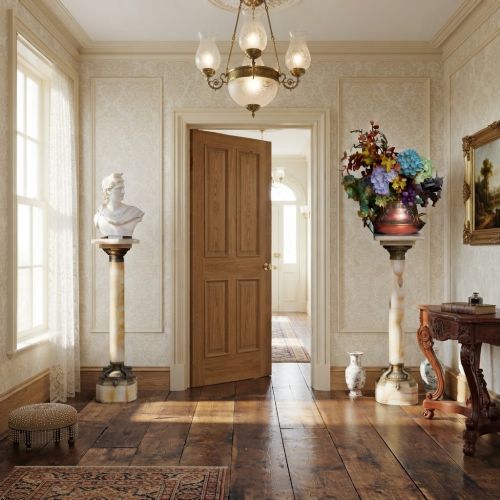
Pedestals and marble columns also provide an elevated display space for classical bronze or ceramic pairs. Proper placement highlights the matching proportions of the two pieces.
How do I identify Victorian ceramic pairs?
Victorian ceramic pairs, such as Staffordshire dogs or figures, typically feature earthenware bodies with hand-painted or underglaze decoration. They often exhibit characteristic crazing in the glaze due to age.
Mould lines and weight help distinguish genuine period pieces from later reproductions. Examining the base often reveals characteristic potting marks or historical firing scars.