


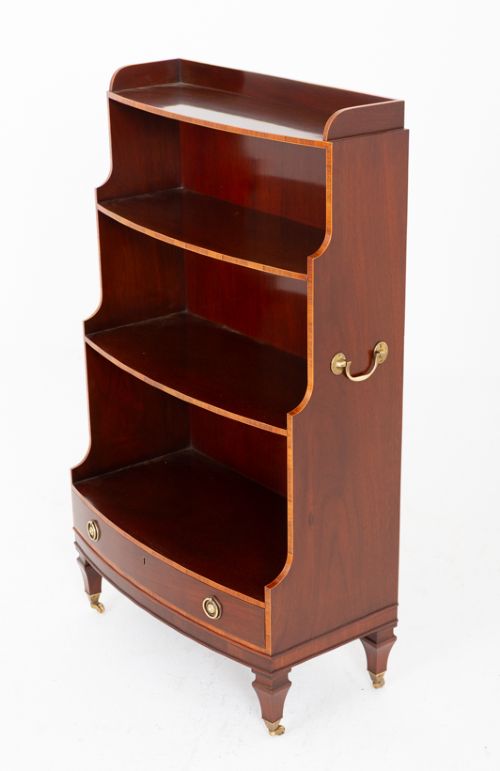
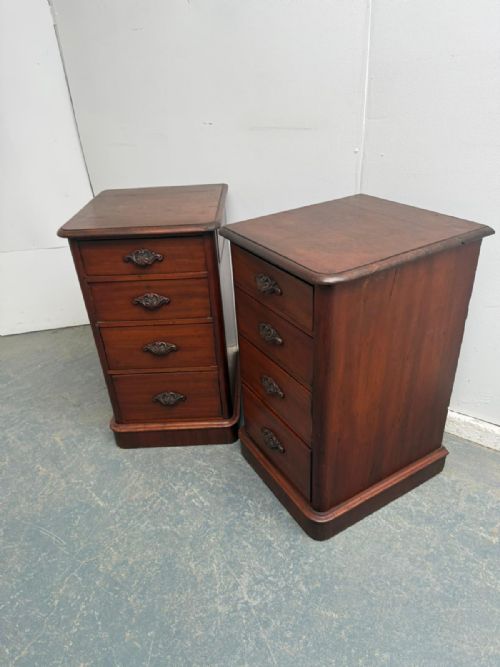
Antique Stand with Drawer
An antique stand with drawer brings practical storage and solid timber craftsmanship to a hallway, bedroom, or living space.
Antique Stand with Drawer
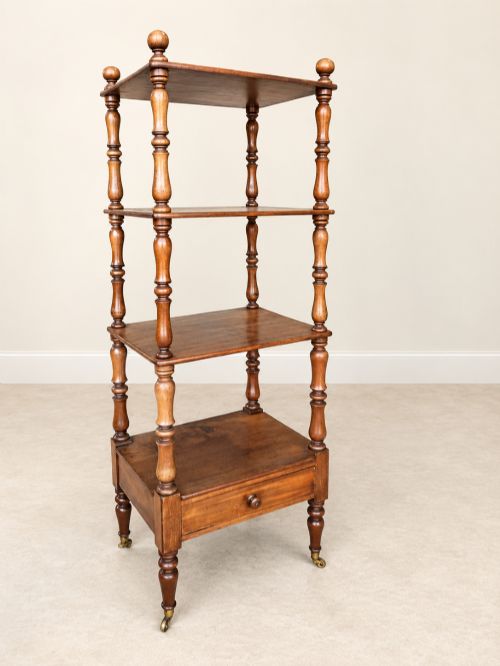
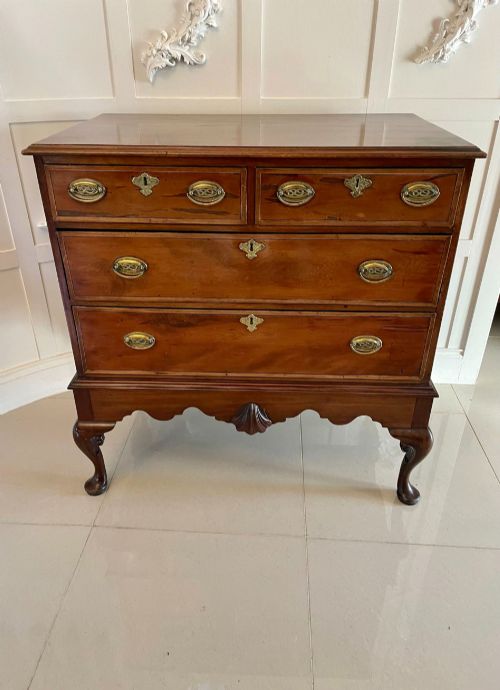
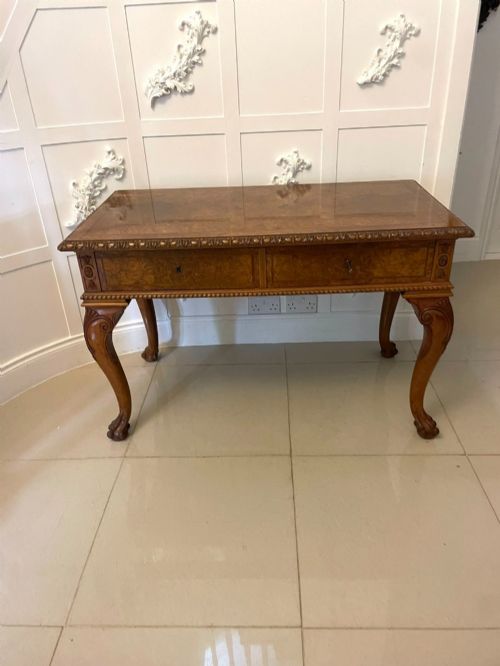
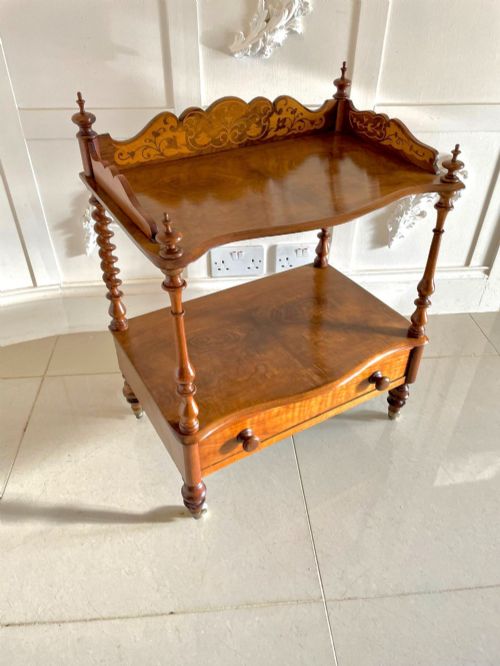
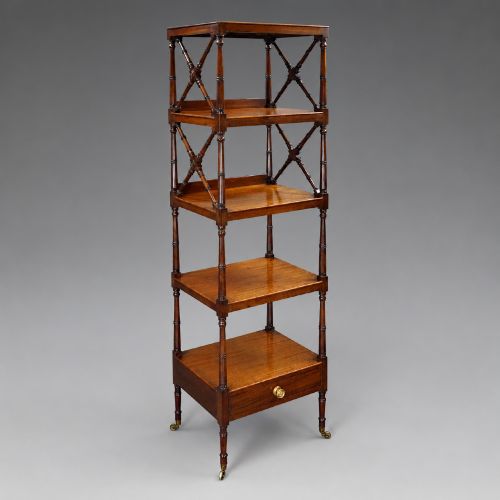
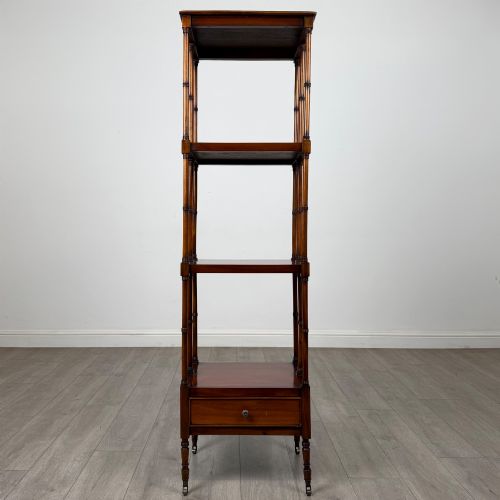
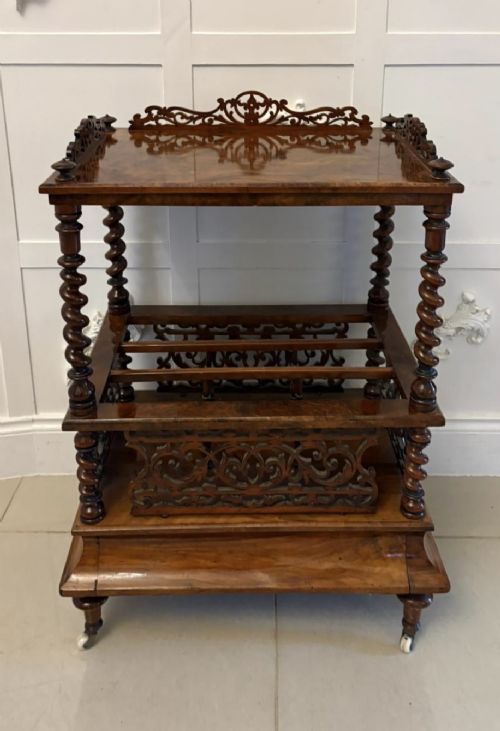
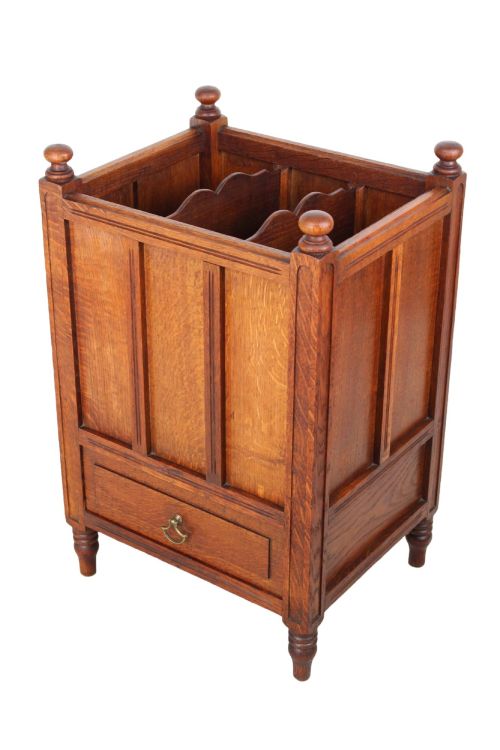
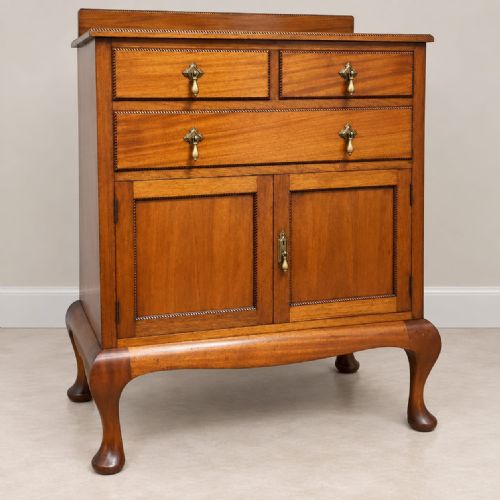
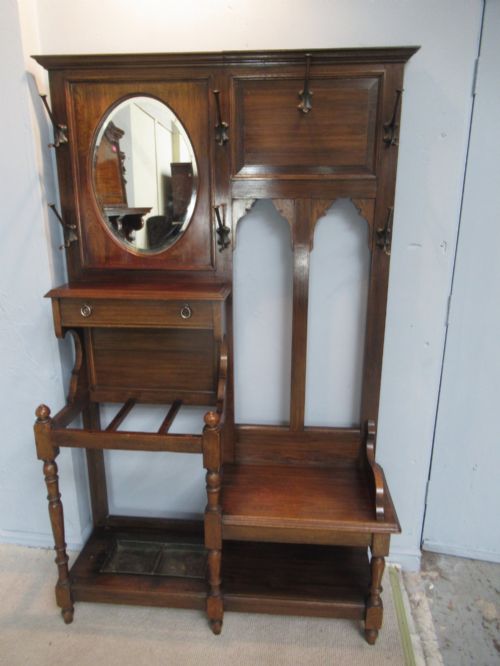
An antique stand with drawer encompasses a varied group of functional furniture pieces, ranging from compact side tables and washstands to multi-tiered whatnots and hall stands designed to hold everyday items.
The selections span multiple eras, with examples originating from the Georgian, Victorian, and Edwardian periods alongside early twentieth century interpretations.
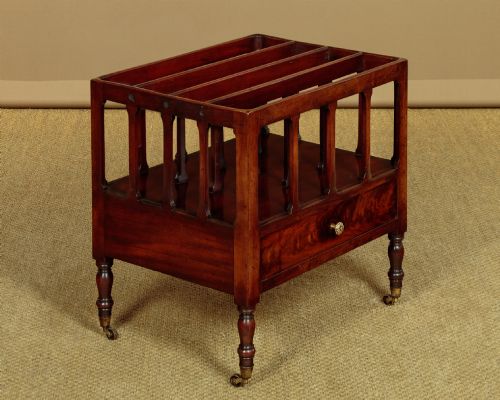
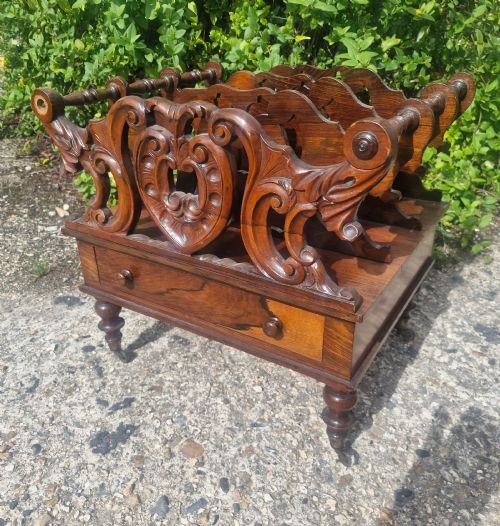
Buyers frequently encounter side tables, washstands, and canterbury designs fabricated in timber, many incorporating a built-in drawer for concealed organisation.
How they were made
Cabinet makers utilised a selection of domestic and exotic timbers such as mahogany, oak, walnut, rosewood, pine, and fruitwood to construct these pieces.
Detailing often included brass hardware, glass panels, and satinwood inlay to accentuate the natural grain of the primary timber used in the construction.
Joinery techniques matched the period of manufacture, securing functional drawers and upright structures designed for daily domestic service.
Listings feature pieces spanning the 18th Century, Georgian, Victorian, Edwardian, and 1920 periods in mahogany, oak, walnut, rosewood, pine, and satinwood.
What varies in quality
The grade of timber selection and the precision of the cabinet work define the distinction between standard utility items and finer workshop productions.
Subtleties in proportion, the integration of secondary woods, and the refinement of carved or inlaid details elevate the character of individual stands.
James Winter and Sons·Edwards and Roberts·Gillows
The Antique Stand with Drawer Glossary
- Canterbury
- A low multi-section stand originally designed to hold sheet music or books, often incorporating a single lower drawer.
- Whatnot
- An open set of multi-tiered shelves used for displaying ornaments or holding books, sometimes fitted with a drawer.
- Washstand
- A wooden table designed for washing accessories, typically featuring a splashback and one or more storage drawers.
- Etagere
- A French term for an open tiered display stand used for ornaments and small decorative objects.
- George III
- A British stylistic period spanning the mid to late eighteenth and early nineteenth centuries, known for classical proportions.
Antique Stand with Drawer: Frequently Asked Questions
What is an antique stand with drawer used for?
These versatile pieces served various domestic functions throughout the Georgian, Victorian, and Edwardian eras, from holding washing equipment to organising sheet music and bedside essentials.
The incorporated drawer provided practical enclosed storage for small personal items while the surface or shelving kept everyday objects close at hand.
How do I date an antique stand with drawer?
Dating relies upon identifying the primary timber used, the style of the legs or supports, and the construction methods visible inside the drawer.
Georgian pieces often display formal classical lines in mahogany, whereas Victorian and Edwardian examples utilise richer walnut, rosewood, or lighter satinwood and pine.
Where should I place a stand in my home?
Compact side tables and hall stands fit naturally into narrow entranceways or corridors where surface space and a discreet drawer are useful.
Larger whatnots and canterburys work well in living rooms or studies to display books, collections, and decorative objects.
What timbers were commonly used?
Cabinet makers worked with a broad palette depending on the period and purpose of the furniture.
Mahogany, oak, and walnut dominated formal rooms, while pine and fruitwood appeared frequently in utilitarian washstands and provincial pieces.